
Soups & Stews
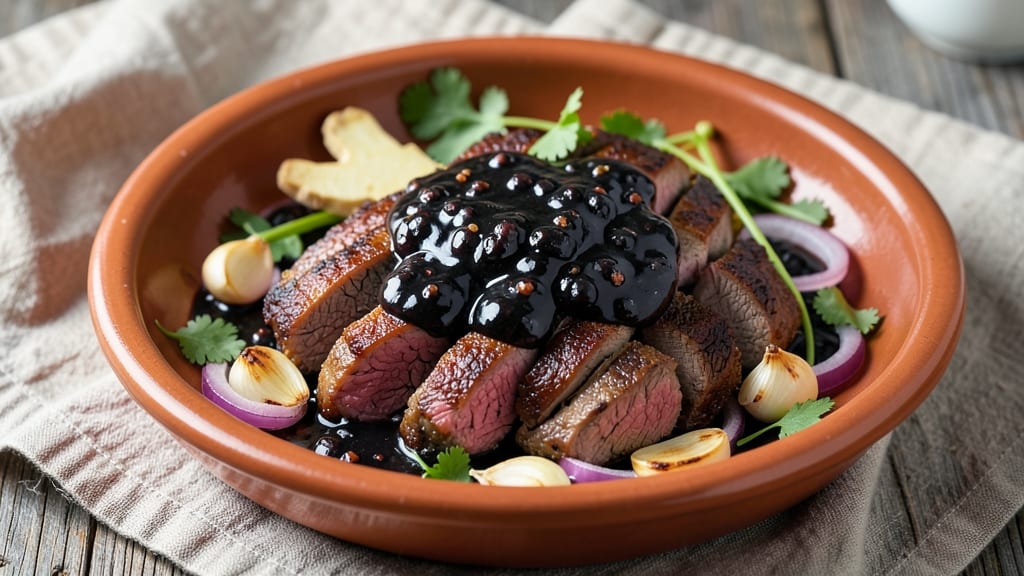
This beef binagoongan recipe brings the deep, tangy flavors of Filipino home cooking to your table with a slow-simmered beef stew that balances rich soy, fermented black beans, and bright ginger.
What makes this dish special is the binagoongan—a fermented black bean sauce that adds layers of umami and complexity, transforming simple ingredients into something extraordinary.
The key lies in the slow cooking process, which develops a sauce that's both savory and slightly sweet, with a tangy depth that lingers long after the last bite.
The recipe begins with tender beef, marinated and braised until fork-tender, while the binagoongan sauce simmers down into a glossy, flavor-packed liquid. Traditional Filipino meals often pair this dish with steamed rice and a crisp atchara salad to balance the richness, creating a meal that's both hearty and refreshing.
The slow simmer not only tenderizes the beef but also allows the flavors to meld into a harmonious blend, making every spoonful worth the wait.
By the time you serve this dish, you’ll have a steaming bowl of beef and vegetables bathed in a glossy, aromatic sauce that’s deeply satisfying. The beef will be melt-in-your-mouth tender, the vegetables perfectly softened, and the sauce rich with the signature tangy-sweet flavor of binagoongan.
This is comfort food at its finest—a dish that feels like home, whether you're cooking for family or sharing with friends.
Serve it with steamed jasmine rice and a side of atchara (pickled papaya salad) to cut through the richness. The combination of textures and flavors makes this dish a standout, perfect for special occasions or a cozy weeknight dinner. Let’s get started on creating this timeless Filipino classic.
Ingredients for beef binagoongan
Fork-tender beef meets tangy fermented black bean sauce in this Filipino comfort classic.
| Ingredient | Amount | Notes |
|---|---|---|
| Beef Chuck Roast 🥩 | 2 lb | Cut into 1.5-inch cubes |
| Binagoongan (Fermented Black Bean Sauce) 🫘 | ½ cup | Store-bought or homemade |
| Soy Sauce 🍶 | ¼ cup | Regular or light soy |
| Garlic Cloves 🧄 | 6 cloves | Minced for depth |
| Fresh Ginger 🌿 | ½ cup | Grated, about 2 oz |
| Onion 🧅 | 1 whole | Yellow or white, chopped |
| Carrots 🥕 | 2 medium | Sliced into rounds |
| Potatoes 🥔 | 2 medium | Cubed, waxy variety |
| Tomatoes 🍅 | 2 medium | Diced, or 1 cup canned |
| Bay Leaves 🌿 | 2 whole | Fresh or dried |
| Black Peppercorns 🌶️ | 1 tsp | Freshly ground |
| Sugar 🍚 | 1 tbsp | White or brown |
| Cooking Oil 🫒 | 2 tbsp | Vegetable or canola |
| Salt 🧂 | 1 ½ tsp | Kosher or sea salt |
| Green Onions 🧅 | 3 whole | Sliced, for garnish |
The beef is everything here—chuck roast is ideal for its rich flavor and tenderness, but brisket or round roast works too. Cut it into even 1.5-inch cubes so everything cooks at the same pace. For the binagoongan, Filipino markets or Asian grocery stores carry it in bottles or cans, but you can also find it online if your local store doesn’t stock it. If you’re making it from scratch, ferment black soybeans for at least 3 months for authentic flavor. The ginger? Fresh is non-negotiable—it’s the secret to that bright, zesty depth in the sauce. Grab the whole root and grate what you need, then freeze the rest.
No binagoongan? Substitute with 3 tbsp soy sauce plus 1 tbsp vinegar and 1 tsp sugar, but it won’t be the same. Fresh ginger missing? Powdered works in a pinch, but use half the amount. The potatoes can be swapped for sweet potatoes if you prefer, and if you’re short on carrots, celery or bell peppers add color and crunch. For extra richness, stir in a splash of coconut milk at the end. The bay leaves? Crush them slightly before adding to release their essential oils—trust me, it makes a difference.
This dish tastes even better the next day, so double the batch if you can. Store leftovers in the fridge for 4-5 days or freeze for 3 months. The sauce thickens as it cools, so add a splash of water or broth when reheating. For meal prep, portion into containers with rice—just microwave and serve. The flavors only get deeper over time, so don’t hesitate to make extra. Garnish with green onions right before serving to keep everything bright.
Why You'll Love This Recipe
- One-Pot Magic: I swear by this—just toss the beef, binagoongan, and a few cloves of garlic into one pot, let it simmer, and walk away. The sauce thickens right there, no extra bowls or pans to wash.
- Umami Bomb: That binagoongan? It’s the secret weapon—deep, salty, slightly funky, and so rich it turns tough beef into melt-in-your-mouth perfection. Honestly, I’d eat it straight from the pan if my kids let me.
- Leftovers That Don’t Suck: This dish actually tastes better the next day. I make a big batch on Sundays, and by Wednesday, it’s still the star of lunch—just reheat with a splash of water, and it’s like new.
- Budget-Friendly Feast: Chuck roast stretches for a crowd, and binagoongan adds restaurant-quality depth for pennies. Between us, this is how I feed my family hearty meals without breaking the bank. (Yes, even on a Tuesday night.)
Step-by-step instructions for beef binagoongan
This rich, slow-simmered dish delivers deep umami flavors and tender beef every time.
🍳 Step 1: Sear the Beef Chuck Roast
Heat the 2 tablespoons cooking oil in a large Dutch oven over medium-high heat until shimmering. Add the 2 lb beef chuck roast cut into 1.5-inch cubes and sear for 3-4 minutes per side until deeply browned. You'll see those beautiful caramelized edges form—that's where all the flavor starts.
Don't crowd the pan, or the temperature will drop and you'll steam instead of sear. Work in batches if needed. Once browned, transfer the beef to a plate and set aside. This initial searing builds a flavorful crust that won't dissolve during the long simmer.
👨🍳 Step 2: Sauté Aromatics for Depth
In the same Dutch oven, add the 1 whole onion and 2 medium carrots sliced into rounds. Cook for 4-5 minutes until the onions soften and begin to caramelize. Add the 6 cloves garlic cloves (minced) and 0.5 cup fresh ginger (grated) and cook for 1 minute until fragrant—this releases their essential oils and builds the flavor base.
Here's where it gets good: Stir in the 0.5 cup binagoongan (fermented black bean sauce) and 0.25 cup soy sauce. Let it bubble for 2 minutes as the sauce darkens and thickens slightly. This step develops the signature tangy-sweet depth that makes binagoongan special. Don't skip this—it's the flavor foundation.
🥘 Step 3: Build the Rich Sauce
Return the seared beef to the pot along with the 2 medium potatoes (cubed), 2 medium tomatoes (diced), 2 whole bay leaves, 1 teaspoon black peppercorns (freshly ground), 1 tablespoon sugar, and 1.5 teaspoons salt. Pour in 2 cups water (enough to barely cover the ingredients) and bring to a gentle boil.
Once boiling, reduce heat to low and cover partially. Let it simmer for 1.5 hours, stirring occasionally. You're looking for the beef to become fork-tender and the sauce to thicken naturally. The potatoes should be soft but still hold their shape—this ensures they don't turn to mush. If the liquid reduces too much, add ¼ cup water at a time to maintain a gentle simmer.
⏰ Step 4: Finish and Garnish
After 1.5 hours, check the beef's tenderness. It should pull apart easily with a fork. If it's not quite there, simmer uncovered for another 15-20 minutes until fully tender. The sauce should now coat the back of a spoon with a glossy sheen.
Remove the 2 bay leaves and adjust seasoning if needed. Ladle the beef and vegetables into serving bowls, then drizzle with the rich sauce. Garnish with 3 whole green onions (sliced) for freshness and color. Serve immediately with steamed rice to soak up every last bit of that flavorful sauce.
Pro Tips For Making Beef Binagoongan
- SEAR THE ROAST FIRST: I learned this the hard way—binagoongan is rich, but it can’t hide a bland base. Hit your beef chuck with a screaming-hot pan (2-3 minutes per side) until it’s deeply browned before adding any liquid. That crust locks in flavor and keeps the meat from turning into mushy stew.
- MINCE THAT GINGER: Fresh ginger in binagoongan isn’t just for show—it’s the bright, spicy backbone. Use a microplane or the finest grater you own, then squeeze out excess moisture with your hands. Packed wet ginger just sits there, while finely minced ginger melts into the sauce like it belongs.
- DON’T BOIL THE SAUCE: Binagoongan is delicate—heat it too fast, and it’ll split or turn bitter. After searing the beef, add just enough water to barely cover the ingredients, then simmer low and slow (think 30-45 minutes). If it reduces too quickly, splash in a tablespoon of water—better to babysit than risk curdling.
- SALT THE BEEF IN STAGES: This isn’t a dry-rub job. Start with half the soy sauce and binagoongan before searing, then finish with the rest after the beef returns to the pot. The initial salting tenderizes the meat, while the second hit balances the flavors—no more guessing if it’s seasoned enough. (Yes, even if you’re impatient like me.)
Common mistakes when making this dish
Overcooking the Beef
One of the biggest mistakes is letting the beef overcook until it turns stringy. The ideal texture should be fork-tender—meaning it should easily pull apart with a fork but still hold its shape.
I’ve seen many home cooks walk away from the stove and let the dish simmer too long, especially since the sauce thickens beautifully over time. Set a timer for the 1.5-hour mark and check the beef’s tenderness then.
If it’s still firm, cover and simmer for another 15-20 minutes max. Overcooked beef ruins the entire dish—trust me, I’ve learned this the hard way! 🥩
Skipping the Sear
Skipping the initial sear is a common mistake that results in bland beef. That golden-brown crust from searing is where Maillard reaction magic happens—it adds deep, caramelized flavor that no amount of simmering can replicate. I always sear the beef in batches over medium-high heat until deeply browned.
If you’re short on time, at least pat the beef dry before searing to ensure a good crust. Don’t rush this step—it’s the foundation of the dish’s richness.
Using Low-Quality Binagoongan
The binagoongan is the soul of this dish, so using a cheap or poorly fermented version will ruin the tangy-sweet depth. I recommend buying Filipino-brand binagoongan from Asian grocery stores or trusted online sellers.
If you’re making it from scratch, ferment the black soybeans for at least 3 months—any less and the flavor won’t be fully developed. A quick substitute? Mix 3 tbsp soy sauce, 1 tbsp vinegar, and 1 tsp sugar, but it won’t have the same complexity.
Don’t skimp here—the sauce is what makes this dish special! 🫘
Ignoring the Liquid Level
Many cooks make the mistake of letting the liquid evaporate too quickly, which can cause the sauce to turn dry or the beef to toughen. The goal is a gentle simmer, not a boil.
If the liquid reduces too much, add ¼ cup water at a time to maintain a light simmer. I like to keep the beef barely covered—this ensures the sauce thickens naturally without steaming the beef.
A good rule of thumb: the sauce should coat the back of a spoon by the end, but not be gluey. 💧
Overcrowding the Pot
Overcrowding the Dutch oven is a recipe for disaster—it steams the beef instead of searing it, and the aromatics won’t caramelize properly. When searing the beef, work in small batches so the meat has room to brown.
The same goes for sautéing the onions and garlic—give them space to cook down without steaming. A 6-quart Dutch oven is perfect for this recipe, but if you’re using a smaller pot, cook the beef in stages. Patience here pays off with deeper flavors! 🍳
Neglecting the Bay Leaves
Bay leaves might seem minor, but they add a subtle herbal depth that balances the dish. The key is to crush them slightly before adding to release their essential oils. I like to gently press them between my fingers or tap them with a knife.
Don’t forget to remove them before serving—nobody wants a leaf in their bite! If you’re using dried bay leaves, soak them in warm water for 5 minutes first to rehydrate them. This small step makes a big difference in the final flavor. 🌿
Nutrition facts
Frequently asked questions
What makes binagoongan sauce different from regular soy sauce?
Binagoongan is a fermented black bean sauce that adds a unique tangy-sweet depth you won't find in regular soy sauce. The fermentation process (at least 3 months) creates complex umami flavors with a slight funkiness that balances the richness of the beef. Think of it as a cross between soy sauce and miso paste, but with its own distinct character.
Can I substitute binagoongan if I can't find it?
Yes, but it won't be exactly the same. Mix 3 tablespoons soy sauce, 1 tablespoon vinegar, and 1 teaspoon sugar for a quick substitute. For better results, try fermenting black soybeans yourself (minimum 3 months) or look for Filipino brands in Asian grocery stores. The authentic version makes all the difference in flavor depth!
How do I know when the beef is perfectly tender?
Use the fork test: The beef should pull apart easily with a fork but still hold its shape. After 1.5 hours of simmering, check for tenderness. If it's still firm, cook uncovered for another 15-20 minutes max. Overcooking turns beef stringy—don't walk away from the stove during the final stages!
What's the best way to serve this dish?
Serve it with steamed jasmine rice to soak up the rich sauce, plus a side of atchara salad (pickled papaya) to cut through the richness. Garnish with sliced green onions right before serving to keep everything fresh. This classic Filipino combination balances textures and flavors perfectly for a complete meal.
Can I make this recipe in a slow cooker?
Brown the beef first, then transfer everything to your slow cooker and cook on low for 6-7 hours or high for 3-4 hours. The slow cooker's gentle heat works perfectly for tenderizing the beef. Just add ½ cup water if the sauce gets too thick during cooking. The flavors will develop beautifully over time!