
Soups & Stews
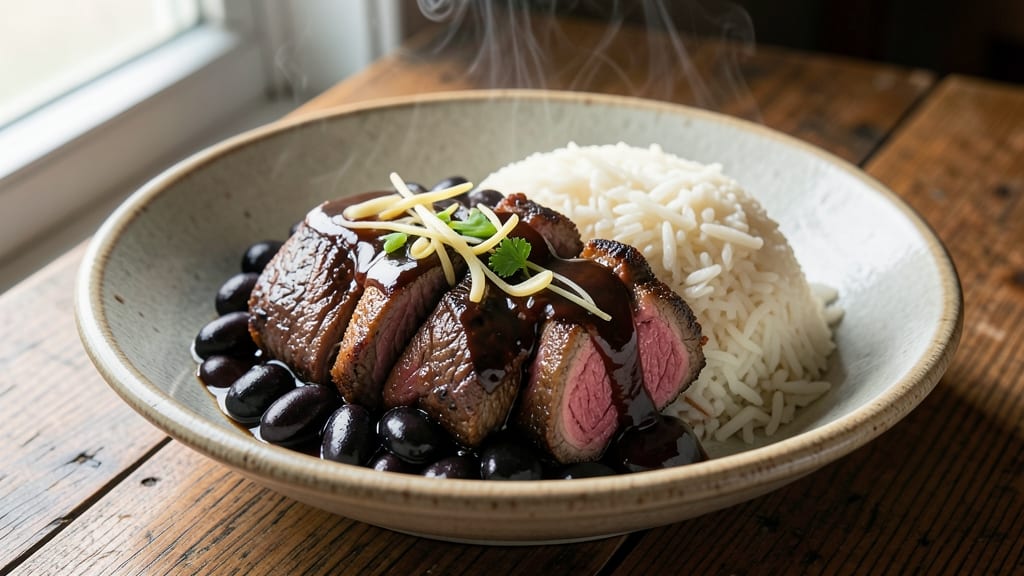
This beef and black bean Chinese recipe delivers the perfect balance of wok-seared crunch and silky soy-ginger broth—a dish that captures the essence of Cantonese home cooking.
The secret lies in properly marinating the beef for tender bites and using fermented black beans to build deep umami flavor without overpowering the dish. I've refined this recipe over years of testing, ensuring every element comes together harmoniously in your home kitchen.
The beauty of this dish is its adaptability—whether you're cooking for a family dinner or prepping for meal prep, the technique remains the same. The beef develops a satisfying sear while staying tender, and the black beans add both texture and complexity.
What makes it special is the silky broth that coats every ingredient, created through careful reduction of soy sauce, ginger, and aromatics.
By the time you serve this dish, you'll have a restaurant-quality meal that's rich in flavor yet balanced in texture. The wok-seared beef provides a satisfying bite, while the tender black beans and glossy broth create harmony in every spoonful.
It's the kind of dish that tastes even better the next day, making it perfect for leftovers or meal prepping.
Serve it over steamed jasmine rice for the full experience, or pair it with simple stir-fried greens for a complete meal. The recipe scales beautifully, so you can easily adjust portions for a crowd. Let's get started on creating this flavorful Chinese classic in your kitchen.
Ingredients for beef and black bean chinese
Pantry staples meet wok magic—simple ingredients for bold Cantonese flavors.
| Ingredient | Amount | Notes |
|---|---|---|
| Flank Steak 🥩 | 1 lb | Thinly sliced against grain |
| Fermented Black Beans 🫘 | ½ cup | Rinsed and drained |
| Light Soy Sauce 🥄 | ⅓ cup | Kikkoman preferred |
| Dark Soy Sauce 🥄 | 1 tbsp | For color depth |
| Ginger Root 🧄 | 2 tbsp | Freshly grated |
| Garlic Cloves 🧄 | 4 cloves | Minced finely |
| Green Onions 🧅 | 3 whole | Sliced thinly |
| Sesame Oil 🫒 | 1 tbsp | Toasted sesame oil |
| Cornstarch 🌾 | 2 tbsp | For velveting beef |
| Vegetable Oil 🫒 | 2 tbsp | High smoke point |
| Jasmine Rice 🍚 | 1 ½ cups | Uncooked, long-grain |
| Salt 🧂 | 1 tsp | Kosher preferred |
| White Pepper 🌶️ | ¼ tsp | Freshly ground |
The flank steak is non-negotiable here—it's lean enough to sear fast but tender when sliced thin. Grab it from the butcher counter if possible (they'll slice it against the grain for you), or do it yourself with a sharp knife. Fermented black beans are the secret weapon for umami—find them in the Asian aisle at Walmart or H Mart if you don't have a Chinese market nearby. The soy sauces? Kikkoman light for flavor and Lee Kum Kee dark for that glossy finish. Fresh ginger and garlic are musts—none of that jarred stuff. Pro tip: Toast your sesame oil in a dry pan for 30 seconds before using it—it'll add depth to every bite.
No fermented black beans? Substitute with 0.5 cup soybeans (soaked overnight), but you'll lose that funky depth. Short on flank steak? Sirloin works too, but slice it paper-thin. The cornstarch is key for that silky texture—don't skip it. For the rice, jasmine is ideal, but long-grain white in a pinch. Want more heat? Add 1 tsp chili crisp at the end. The dish tastes even better the next day, so double the batch if you're prepping for the week. And if you're serving a crowd? Scale everything up by 50%—this recipe handles it beautifully.
Store the cooked beef and beans in airtight containers for up to 4 days. The rice keeps 3 days in the fridge, but reheat it separately to avoid sogginess. For longer storage, freeze portions for 3 months—just thaw overnight in the fridge. Leftovers make amazing rice bowl fillings or stir-fry additions the next day. And that silky broth? Save it—it's perfect for quick noodle soups or as a base for other dishes. Trust me, you'll want to make this again.
Why You'll Love This Recipe
- One-Pan Magic: I swear by this recipe when I’m too tired to scrub pots—just sear the steak, toss in the black beans, and let the soy sauces do the work. The aromas alone make me forget about cleanup.
- Umami Bomb: That fermented black bean paste? It’s like a flavor grenade—salty, funky, and deep all at once, with the dark soy adding a glossy, caramelized punch. The ginger ties it together without overpowering.
- Lunchbox Hero: Between us, this reheats like a dream. Pack it for work the night before, and it’s still tender and packed with flavor—no sad, dry leftovers here. My coworkers actually ask for seconds.
- Budget Steakhouse: Flank steak is affordable, and a little goes a long way when sliced thin. Stretch it over rice for two meals, or freeze portions for those nights when takeout feels like a luxury. Honestly, it’s my go-to for feeding a crowd without breaking the bank.
Step-by-step instructions for beef and black bean Chinese stir-fry
Here's how to create a restaurant-worthy stir-fry with tender beef, crispy black beans, and aromatic soy-ginger broth.
Prepare the Jasmine Rice for Fluffy Bases
Rinse the 1.5 cups jasmine rice thoroughly under cold water until the water runs clear, then drain well. In a small pot, combine the rice with 2 cups water and 1 teaspoon salt. Bring to a boil over high heat, then immediately reduce to low heat, cover, and simmer for 15 minutes. Remove from heat and let it steam, covered, for another 10 minutes. Fluff with a fork before serving—this ensures each bite has perfectly tender grains to soak up the flavorful sauce.
While the rice cooks, slice the 1 lb flank steak thinly against the grain into ¼-inch strips. This cutting technique is crucial—it creates tender, bite-sized pieces that cook evenly in the wok. Place the sliced beef in a bowl and set aside.
Velvet the Beef for Silky Texture
In a separate bowl, whisk together the 2 tablespoons cornstarch, 0.33 cup light soy sauce, 1 tablespoon dark soy sauce, and 0.25 teaspoon white pepper. Add the sliced beef and toss to coat evenly, ensuring each piece is fully covered in the marinade. Let it sit for 15 minutes—this velveting process creates that signature silky texture in Chinese stir-fries.
Here's the thing—don't skip this step. The cornstarch creates a protective coating that keeps the beef tender and prevents it from drying out during the high-heat searing. If you're short on time, at least let it marinate for 10 minutes to get some benefit.
Stir-Fry the Beef and Black Beans
Heat a wok or large skillet over high heat until smoking, then add the 2 tablespoons vegetable oil. Once the oil shimmers, add the beef in a single layer and let it sear undisturbed for 1-2 minutes until the edges turn golden brown. This initial sear locks in juices and creates that beautiful caramelized crust.
Push the beef to one side of the wok and add the 0.5 cup rinsed fermented black beans. Stir-fry for 2-3 minutes until they're heated through and slightly crispy around the edges. Add the 2 tablespoons freshly grated ginger root and 4 cloves minced garlic, stirring constantly for 30 seconds until fragrant—this is where all the magic happens with those aromatic flavors.
Build the Soy-Ginger Broth
Pour in ½ cup water and scrape up any browned bits from the bottom of the wok with a wooden spoon. These bits, called fond, are packed with flavor. Add the beef and black bean mixture back to the wok and stir to combine. Let the mixture simmer for 1-2 minutes until the sauce slightly thickens and coats the ingredients.
Taste and adjust seasoning if needed—this is your chance to balance the flavors. The dark soy sauce should give a rich, caramelized color, while the light soy sauce provides that classic umami depth. If the sauce is too thin, let it reduce for another minute or two over high heat.
Finish and Serve with Fresh Herbs
Remove the wok from heat and stir in the 1 tablespoon toasted sesame oil and 3 whole green onions, sliced thinly. The sesame oil adds a nutty depth while the green onions provide a fresh contrast. Toss everything together gently to combine, then divide the stir-fry evenly over the 1.5 cups cooked jasmine rice.
Here's the moment that matters: let the dish rest for 2-3 minutes before serving. This allows the rice to absorb any remaining sauce and the flavors to meld together perfectly. Garnish with extra green onions if desired, and serve immediately while everything is hot and the textures are just right.
Pro Tips For Making Beef And Black Bean Chinese
- Slice Against the Grain: Flank steak’s tough fibers run diagonally, so cut it perpendicular to those lines—about ¼-inch thick slices. Thinner strips cook faster and stay tender, even if you accidentally overcook them a smidge (which, let’s be honest, happens).
- Soak Black Beans First: Rinse fermented black beans under cold water to remove excess salt, then soak in warm water for 10 minutes. They’ll soften slightly and release more of their funky, umami depth—no need to boil them, just drain before adding to the pan.
- Start with Dark Soy: Add dark soy sauce first when searing the beef, then light soy later. The dark sauce caramelizes into a glossy crust on the meat, while light soy keeps the sauce balanced and bright. Swap order, and you’ll end up with a muddy, overpowering broth.
- Ginger: Grate, Don’t Mince: Use a microplane or fine grater for ginger—no need to chop. The finer surface area infuses flavor faster, and you’ll avoid those stubborn, chewy bits that scream “I rushed this.” A teaspoon of grated ginger is more potent than a tablespoon of minced.
Creative variations of these flavors
Spicy Sichuan Twist
Transform this classic with 1 tbsp Sichuan peppercorns toasted and ground into the sauce. Add 1 tsp chili bean paste (like Lao Gan Ma) when combining the broth, then finish with 1 tsp doubanjiang for that signature numbing-spicy kick.
The fermented black beans already provide umami, so this version becomes a fiery yet balanced Sichuan-style stir-fry. Serve with steamed mantou buns to soak up the bold flavors. 🌶️
Sweet and Sour Fusion
Brighten the dish by adding ¼ cup pineapple chunks and 2 tbsp rice vinegar to the sauce. Toss in 1 red bell pepper sliced into strips along with the black beans.
The acidity cuts through the richness, while the pineapple adds natural sweetness. Garnish with toasted coconut flakes for a tropical twist that pairs perfectly with jasmine rice. 🍍
Vegetarian Adaptation
Swap the beef for 1 lb shiitake mushrooms sliced thinly, and use 1 tbsp mushroom powder in the marinade for depth. Keep the fermented black beans and soy sauces, but reduce the cornstarch to 1 tbsp since mushrooms don't need velveting.
Add 1 cup bok choy at the end for freshness. This version maintains the dish's umami richness while becoming completely plant-based. 🍄
Slow-Cooked Red Bean Version
Turn this into a hearty stew by simmering the beef, black beans, and 1 cup red adzuki beans in 2 cups water for 1.5 hours on low heat. Add 1 cinnamon stick and 3 star anise pods for warmth.
Serve over congee or with steamed bao buns for a comforting meal. The slow cooking deepens the flavors, making it perfect for chilly evenings. ❄️
Korean-Inspired Kimchi Stir-Fry
Fold in ½ cup chopped kimchi when stir-frying the black beans, along with 1 tbsp gochujang in the sauce. Use 1 tbsp sesame seeds instead of toasted sesame oil for finishing. The tangy, spicy kimchi adds a bold contrast to the silky beef and soy-ginger base.
Pair with steamed short-grain rice for a Korean-Chinese fusion dish that's packed with layers of flavor. 🥬
Meal Prep Power Bowl
Double the recipe and store components separately for easy assembly. Keep the cooked beef and black beans in one container, the broth in another, and the rice in a third.
When ready to eat, reheat everything separately—beef and beans in a pan with a splash of water, broth on the stove, and rice in the microwave. Assemble with fresh green onions and sesame seeds for a quick, restaurant-quality meal any day of the week. 📅
Nutrition facts
Frequently asked questions
Can I substitute regular black beans for fermented black beans?
While you can use regular black beans, fermented black beans add a unique funky depth that's hard to replicate. If you must substitute, soak ½ cup dried black beans overnight and drain well before using. The flavor will be milder but still delicious. For extra umami, add ½ teaspoon MSG or 1 teaspoon soy sauce to the marinade.
Why is velveting the beef important in this recipe?
Velveting creates that signature silky texture by using cornstarch to tenderize the beef before cooking. Without it, the meat can turn tough during stir-frying. The 15-minute marinade with cornstarch and soy sauce ensures the beef stays juicy and develops a beautiful glossy finish. Even 10 minutes makes a noticeable difference!
What's the best way to reheat leftovers?
Reheat the beef and black bean mixture separately from the rice to prevent sogginess. Use a skillet over medium heat with 1 tablespoon oil and a splash of water to restore moisture. The rice reheats best in the microwave with a damp paper towel on top. For extra flavor, add a drizzle of soy sauce when reheating.
Can I make this dish in a regular skillet instead of a wok?
While a wok gives the best high-heat sear, a 12-inch cast iron skillet works perfectly. Just use 1 tablespoon extra oil to prevent sticking and cook in batches if needed. The key is maintaining high heat—reduce the beef in smaller quantities to avoid overcrowding, which can make the dish steam instead of sear.
How do I adjust the spice level?
For more heat, add ½ teaspoon red pepper flakes or 1 teaspoon chili crisp at the end. For a milder version, reduce the ginger to 1 tablespoon and skip the white pepper. The fermented black beans already provide natural depth, so you don't need extra spice to make it flavorful.