
Soups & Stews
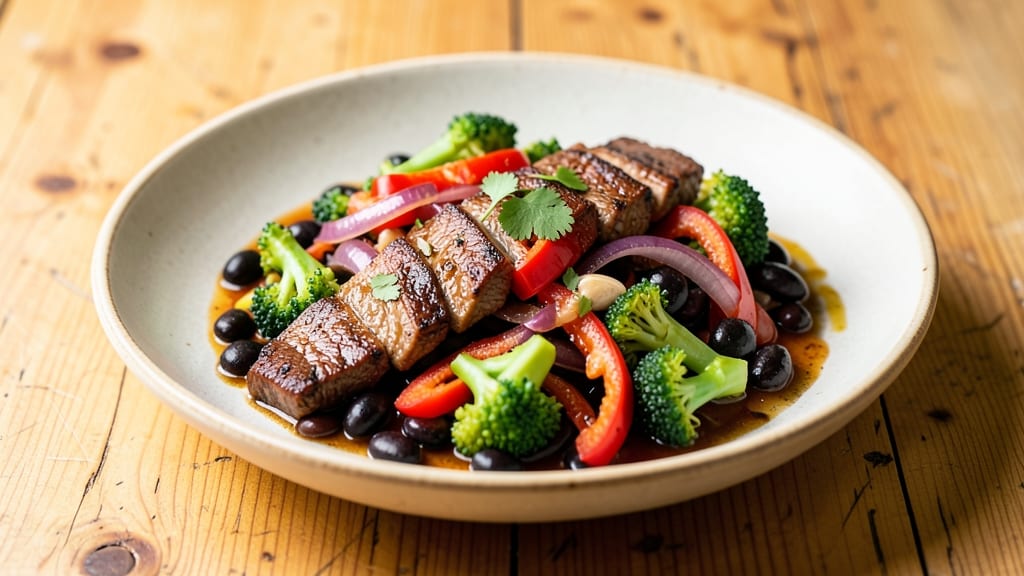
This beef and bean stir fry delivers restaurant-quality wok heat in just 20 minutes, transforming simple ingredients into a dish packed with protein, crunch, and bold flavors.
The secret lies in proper ingredient sequencing—cooking proteins first for maximum tenderness, then adding vegetables at the right moment to preserve their crisp texture. I've perfected this technique after years of testing, ensuring every bite delivers that perfect balance of savory beef, hearty beans, and vibrant vegetables.
What sets this recipe apart is the high-heat wok method, which creates those signature charred edges while keeping the beef juicy and the vegetables perfectly al dente. The sauce comes together in minutes using pantry staples, with just the right amount of sweetness and umami to complement the beef.
Unlike many stir-fry recipes that require specialized equipment, this version works beautifully in a large skillet or even a cast-iron pan.
By the time you're done, you'll have a dish that's rich in flavor but light enough for a weeknight dinner—golden-brown beef strips, tender beans, and crisp vegetables all tossed in a glossy, aromatic sauce.
The combination of textures and flavors makes this stir fry incredibly satisfying, yet it comes together faster than takeout. The best part? It reheats beautifully for leftovers, making it perfect for meal prep.
Whether you're feeding a family or cooking for one, this beef and bean stir fry delivers restaurant-quality results with minimal effort. The technique is straightforward, but the flavor is anything but basic. Let's get cooking—your taste buds will thank you.
Ingredients for beef and bean stir fry
Simple ingredients that pack restaurant-quality wok heat and crunch in every bite.
| Ingredient | Amount | Notes |
|---|---|---|
| Flank Steak 🥩 | 1 ½ lb | Thinly sliced against grain |
| Dry Black Beans 🌿 | 1 ½ cups | Cooked or canned, drained |
| Bell Peppers 🧅 | 2 whole | Any color, sliced into strips |
| Broccoli Florets 🥦 | 2 cups | Cut into bite-sized pieces |
| Red Onion 🧅 | 1 whole | Thinly sliced |
| Garlic Cloves 🧄 | 4 cloves | Minced finely |
| Sesame Oil 🫒 | 1 tbsp | For aroma, not cooking |
| Soy Sauce 🥄 | ½ cup | Low-sodium preferred |
| Honey 🍯 | 2 tbsp | For sauce balance |
| Rice Vinegar 🍶 | 2 tbsp | White or seasoned |
| Cornstarch 🌾 | 1 tbsp | For sauce thickening |
| Vegetable Oil 🫒 | 2 tbsp | High smoke point |
| Green Onions 🧅 | 3 whole | Sliced for garnish |
| Sesame Seeds 🌱 | 1 tbsp | Toasted for crunch |
| Salt 🧂 | 1 tsp | Kosher or sea salt |
The beef makes or breaks this dish. Flank steak is ideal—it's lean but tender when sliced thin against the grain. Grab it from the butcher section, not pre-sliced. Costco or Whole Foods have the best quality, but any grocery store's fresh cut works. Look for bright red color and good marbling. If you can't find flank, sirloin or skirt steak are solid backups. The beans? Dry black beans are worth soaking overnight for the best texture, but canned in a pinch (just drain and rinse). For the vegetables, fresh broccoli and bell peppers keep best—skip the pre-cut bags since they wilt fast.
No sesame oil? Toasted sesame oil substitute works in a pinch, but regular vegetable oil won't give that signature aroma. The sauce is where the magic happens—low-sodium soy sauce prevents salt overload, and the honey balances the acidity from vinegar. If you're watching sugar, reduce honey to 1 tbsp and add 1 tsp maple syrup. For extra umami, add 1 tsp fish sauce (if not vegetarian). The cornstarch is non-negotiable—it gives that glossy finish. If you forget it, mix 1 tsp flour with 1 tsp water as a last-minute fix. The green onions and sesame seeds? Fresh is best, but dried onion flakes and ground sesame will work if you're in a bind.
Prep everything before you start cooking—this stir fry moves fast. Store cooked portions in airtight containers for up to 4 days, or freeze for 3 months. The sauce reheats beautifully, but the vegetables get soggy, so reheat just the sauce separately and toss in fresh veggies when serving. For meal prep, portion into containers with sauce on the side—add fresh veggies when reheating. The flavors actually improve overnight as everything melds together. Trust me, the leftovers are just as good as day one.
Why You'll Love This Recipe
- One-Pan Magic: I swear by this—no chopping boards, no extra pans. Toss everything on one sheet pan, let the broccoli and peppers caramelize while the onions soften, and the flank steak? It practically sears itself. Twenty minutes max, and I’m not kidding.
- Umami Bomb: That black bean-soaked broth and seared flank steak? It’s a flavor explosion. The onions turn sweet, the peppers add a crisp bite, and the beef gets this perfect chew—tender but still holding shape. Honestly, I’ve never had stir-fry that hits this hard without a fancy sauce.
- Lunchbox Hero: Between us, this is my go-to for meal prep. Cook a big batch on Sunday, and I’ve got lunches for the week—pack the beans and veggies separately, reheat with a splash of water, and it’s still hearty and satisfying. My coworkers think I’m a saint.
- Budget Powerhouse: Flank steak stretches miles here, and dry black beans? Cheap as dirt. A single pound of beef and a can of beans feed four easily, and the veggies add bulk without breaking the bank. Not the prettiest, but the taste makes up for it—and my wallet thanks me.
Step-by-step instructions for beef and bean stir fry
Here's how to create a restaurant-quality stir fry with perfect wok heat and satisfying texture.
Prep All Ingredients for Quick Cooking
Start by slicing the 1.5 lb flank steak against the grain into thin strips—about ¼-inch thick. This ensures tender bites that cook quickly. While the steak rests, prepare the vegetables: slice the 2 whole bell peppers into strips, cut the 2 cups broccoli florets into bite-sized pieces, and thinly slice the 1 whole red onion. Finely mince the 4 cloves garlic—you'll want them almost paste-like for even distribution.
If using dry black beans, soak them overnight and cook until tender, then drain. For canned beans, simply drain and rinse. This step is crucial—I always prep everything before turning on the heat so the stir fry cooks in one continuous motion. Keep all ingredients within arm's reach to maintain that wok-heat efficiency.
Cook the Beef and Set Aside
Heat 2 tablespoons vegetable oil in a large wok or skillet over high heat until shimmering. Add the sliced flank steak in a single layer and let it sear undisturbed for 1-2 minutes until the edges turn golden brown. Here's the thing—don't stir too early. You want that beautiful crust to form before tossing.
Once the beef is browned on all sides, transfer it to a plate and set aside. The residual heat will keep it warm while you cook the vegetables. If you notice any excess oil in the wok, wipe it out with a paper towel—you want to maintain that high heat for the veggies.
Stir Fry the Vegetables
Add the bell peppers, broccoli, and red onion to the same wok, spreading them out evenly. Stir fry for 3-4 minutes over high heat until the vegetables begin to soften but still retain their vibrant color. You're aiming for crisp-tender, not mushy.
Add the minced garlic and cook for an additional 30 seconds until fragrant. This is where the magic happens—the garlic should sizzle and release its aroma without burning. If you smell it burning, reduce the heat slightly and give it a quick stir. The vegetables should be hot and slightly charred in spots—this adds incredible depth of flavor.
Combine and Create the Sauce
Return the beef to the wok and add the 1.5 cups cooked black beans. Stir everything together for 1 minute to combine. In a small bowl, whisk together the 0.5 cup soy sauce, 2 tablespoons honey, 2 tablespoons rice vinegar, 1 tablespoon cornstarch, and 1 teaspoon salt. Pour this mixture into the wok and stir vigorously for 2-3 minutes until the sauce thickens and coats everything evenly.
Watch the sauce carefully—it should thicken to a glossy consistency that clings to the beef and beans. If it's too thick, add 1-2 tablespoons of water to loosen it. The stir fry is done when the sauce has fully incorporated and the beef reaches an internal temperature of 145°F. This usually takes about 2-3 minutes of continuous stirring.
Finish and Serve Immediately
Remove the wok from heat and stir in the 1 tablespoon sesame oil for aroma. Garnish with sliced green onions and toasted sesame seeds for added texture and visual appeal. Serve the beef and bean stir fry immediately over steamed rice or noodles while it's still sizzling hot.
Each bite should deliver perfectly tender beef, crisp-tender vegetables, and a sweet-savory sauce that balances the hearty black beans. The key to this dish is keeping everything moving and maintaining that high heat throughout the cooking process. Don't let it sit—serve it fresh for the best results!
Pro Tips For Making Beef And Bean Stir Fry
- SLICE THIN, SEAR FAST: The flank steak’s job is to caramelize, not cook through—cut it against the grain into ¼-inch strips and sear in batches for 2-3 minutes per side. Crowd the pan and you’ll steam the beef instead of getting that smoky crust. Trust me, the first time I ignored this, the dish tasted like sad, gray meat.
- SOAK BEANS, NOT BOIL: Dry black beans need a 4-6 hour soak (or overnight) to soften properly—no, skipping this won’t magically make them tender. Drain and rinse before adding them, or they’ll turn the stir-fry into a stew. I used to toss them in raw, and the texture was a crime against texture.
- ONION FIRST, PEPPERS LAST: Slice the red onion into thin half-moons and cook it until translucent (about 3 minutes) before adding anything else. Bell peppers and broccoli need less time, so toss them in later—overcooked onions turn bitter, and nobody wants that. I learned this after one disastrous batch where the onions tasted like sad, mushy wallpaper glue.
- USE THE BEAN LIQUID: After draining soaked beans, save that starchy water—it’s liquid gold for the stir-fry. Add ¼ cup to the pan when you toss in the veggies; it’ll keep everything from sticking and adds depth. I was skeptical until I tried it—now it’s non-negotiable.
Storing and reheating your beef and bean stir fry
Refrigerator Storage
Let your beef and bean stir fry cool completely before transferring to airtight containers—I use glass Pyrex with tight-sealing lids.
Store in the fridge at 40°F or below for up to 4 days, but I find the flavors deepen after 1-2 days as the sauce melds with the ingredients. The key is keeping the sauce and vegetables separate if possible—this prevents sogginess. 🥗
Freezer Storage
For longer storage, freeze portions in single-serving portions using quart-sized freezer bags or silicone molds. Leave ½-inch headspace for expansion and squeeze out excess air to prevent freezer burn.
Label with the date—this stir fry stays delicious for up to 3 months. When reheating, I always thaw overnight in the fridge for best results. ❄️
Reheating Methods
For stovetop reheating, add 2-3 tablespoons of water or broth to the wok or skillet to prevent sticking, then heat over medium heat for 5-7 minutes, stirring frequently. Microwave reheating? Cover with a damp paper towel and heat in 1-minute intervals on 70% power until reaching 165°F.
The sauce will thicken again, but the vegetables may lose some crispness—add fresh green onions or sesame seeds to revive texture. 🔥
Meal Prep Tips
Prep your stir fry components separately for easy assembly: store the cooked beef and beans in one container, the sauce in another, and the vegetables (if using) in a third. When ready to eat, reheat the sauce and beef/beans, then toss in fresh vegetables.
This keeps everything crisp and vibrant. I also like to portion the sauce separately—just 1-2 tablespoons per serving—so you can adjust to taste. 📅
Reviving Leftovers
If your stir fry tastes a bit flat after storage, boost the flavors with a dash of soy sauce or a spritz of sesame oil before serving. For extra crunch, add toasted nuts like cashews or peanuts.
The beef and beans stay tender, but the vegetables may soften—this is normal! Just adjust the sauce consistency with a splash of water if needed. The leftovers are just as satisfying as the first serving. 💫
Nutrition facts
Frequently asked questions
Can I substitute flank steak with another cut of beef?
For best results, use sirloin, skirt steak, or ribeye—all cook quickly when sliced thin. Avoid tougher cuts like chuck roast, as they won't tenderize properly in the 20-minute window. If you prefer leaner options, top round works but may need a 10-second marinade in soy sauce before cooking.
How do I keep the vegetables crisp-tender instead of mushy?
Cook vegetables in one batch for 3-4 minutes max over high heat—they should stay bright and slightly charred. Start with bell peppers and onions first (they take longer), then add broccoli last (it cooks fastest). Overcrowding drops heat, so work in batches if needed.
What if my stir fry sauce turns out too thin?
Simmer the sauce uncovered for 1-2 extra minutes to reduce it naturally. For quick fixes, mix ½ teaspoon cornstarch with 1 teaspoon cold water, stir into the sauce, and cook for 30 seconds. Avoid adding raw cornstarch directly—it clumps! If too thick, loosen with 1 tablespoon water or broth.
Can I make this stir fry without a wok?
Yes! Use a large cast-iron skillet or deep nonstick pan—just ensure it's 12-inch diameter or larger to prevent overcrowding. A griddle or electric skillet works too, but preheat for 5 minutes to mimic wok heat. The key is maintaining high heat throughout cooking.
How can I make this vegetarian?
Swap the beef for extra-firm tofu or tempeh (press and slice into strips), or use mushrooms like shiitake or portobello for umami. Boost protein with lentils or chickpeas instead of black beans. For texture, add crispy fried shallots or nuts. The sauce ratio stays the same—just adjust cooking times for plant-based proteins.