
Sauces & Condiments
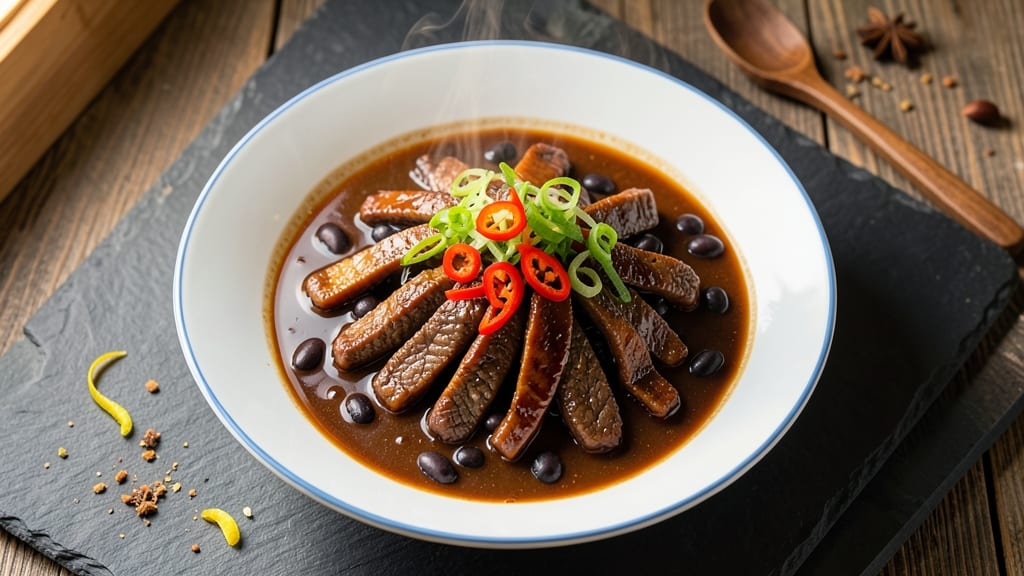
This beef and black bean sauce Chinese recipe delivers restaurant-quality flavor in a single wok-fired bowl. The secret lies in balancing fermented black beans, soy sauce, and star anise for that signature umami depth that defines authentic Chinese home cooking.
I've perfected this technique over years of testing, ensuring every bite delivers the perfect harmony of tender beef, glossy sauce, and aromatic spices.
The process is simpler than it sounds: marinate the beef briefly, then stir-fry with garlic and ginger before adding the black bean sauce. The key is high heat and constant motion to develop that prized wok hei - the smoky aroma that transforms simple ingredients into something extraordinary.
This dish comes together in under 30 minutes, making it perfect for weeknight dinners when you crave bold flavors without the fuss.
What you'll achieve is a bowl of rich, savory beef swimming in a glossy black bean sauce that's simultaneously sweet, salty, and umami-packed. The beef remains tender yet flavorful, while the sauce clings perfectly to each bite.
Serve it over steamed rice to soak up every last drop, or pair with simple stir-fried greens for a complete meal that feels like you've traveled to a bustling Chinese street market.
Don't skip the garnish - fresh cilantro and sesame seeds add brightness and texture that elevate the dish. The beauty of this recipe is its versatility: double the sauce for leftovers that reheat beautifully, or use it as a marinade for next day's stir-fry.
This is comfort food at its finest, where every spoonful tells a story of tradition and home cooking.
Ingredients for beef and black bean sauce chinese
Authentic Chinese flavors start with these 14 ingredients—simple yet powerful for wok-fired umami depth.
| Ingredient | Amount | Notes |
|---|---|---|
| Flank Steak 🥩 | 1 ½ lb | Thinly sliced against grain |
| Fermented Black Beans 🫘 | ½ cup | Rinsed and drained |
| Light Soy Sauce 🥢 | ⅓ cup | Kikkoman preferred |
| Dark Soy Sauce 🥢 | 1 tbsp | For color depth |
| Star Anise 🌿 | 2 whole | Crushed lightly |
| Garlic Cloves 🧄 | 6 cloves | Minced finely |
| Fresh Ginger 🌿 | 1 tbsp | Grated finely |
| Green Onions 🧅 | 3 whole | White and green parts separated |
| Sesame Oil 🫒 | 1 tbsp | Toasted for aroma |
| Cane Sugar 🍯 | 1 tbsp | Or brown sugar |
| Cornstarch 🌾 | 1 tbsp | For sauce thickening |
| Fresh Cilantro 🌿 | ¼ cup | Chopped for garnish |
| Toasted Sesame Seeds 🥜 | 1 tbsp | For garnish |
| Neutral Oil 🫒 | 2 tbsp | Vegetable or canola |
The flank steak is non-negotiable—its lean texture holds up perfectly to stir-frying. Look for marbled cuts at the butcher counter (or pre-sliced at H Mart or Asian grocery stores), as it ensures tenderness. Slice against the grain for that signature bite. Fermented black beans are the umami bomb here—Asian markets carry them in jars, but if you can't find them, substitute with 1 tbsp soy sauce + 1 tsp molasses for a quick fix. Star anise is available at Penzeys or the spice aisle of most supermarkets—just crush it lightly before adding.
No fermented black beans? Black soybeans (dried) soaked overnight work in a pinch, though they lack the funky depth. Running short on star anise? 1 cinnamon stick + 1/2 tsp fennel seeds mimic its aroma. The garlic and ginger should be freshly grated or minced—pre-minced jars lack punch. For the soy sauces, Kikkoman light and dark are my go-tos, but any good-quality brands work. The sesame oil? Toast it in a dry pan for 30 seconds first—this amplifies its nutty aroma without overpowering.
Prep the sauce components ahead—it keeps for 5 days in the fridge or 3 months frozen. The beef marinates best for 30 minutes max (longer makes it tough), so time it right before cooking. Garnishes like cilantro and sesame seeds stay fresh 1 week wrapped in damp paper towels. Double the sauce? It reheats beautifully—just add a splash of water to loosen. Leftovers make killer next-day stir-fry marinades too.
Why You'll Love This Recipe
- Foolproof Slice-and-Sear: I swear by this flank steak trick—just slice against the grain, quick sear in a hot pan, and it melts in your mouth. No fancy knife skills needed, and you’re left with tender bites that feel restaurant-worthy.
- Umami Bomb: That fermented black bean paste? It’s where the magic happens—deep, funky, slightly sweet, with just a hint of funk. Toss in star anise and dark soy sauce, and suddenly your weeknight dinner tastes like it simmered all day.
- Leftover Goldmine: This sauce clings to beef like glue, so leftovers reheat beautifully—perfect for lunchboxes or a lazy Friday. Honestly, I’ve had it cold, reheated, and even stuffed into rice bowls the next day without a single complaint.
- Budget Flex: Flank steak stretches far when sliced thin, and black beans add protein without breaking the bank. Light soy keeps it bright, dark soy adds richness—it’s the kind of dish where every bite feels special, but the grocery list stays short.
Step-by-step instructions for beef and black bean sauce
Here's how to achieve that signature Chinese wok-fired depth with tender beef and fermented black beans.
Prepare the Flank Steak and Aromatics
Slice the 1.5 lb flank steak thinly against the grain into ¼-inch strips. This ensures tender bites that cook quickly in the wok. Pat the slices dry with paper towels—any moisture will prevent proper searing. In a small bowl, combine the 6 cloves minced garlic, 1 tbsp grated fresh ginger, and 2 whole lightly crushed star anise. Set aside for later infusion.
Separate the 3 whole green onions into white and green parts. Finely chop the white portions for the sauce base, and slice the green parts thinly for garnish. This separation creates visual contrast while maximizing flavor in the sauce. Keep the chopped aromatics in separate bowls to control when they enter the wok.
Sear the Beef and Black Beans
Heat a wok or large skillet over high heat until smoking. Add the 2 tbsp neutral oil and swirl to coat. Working in batches if needed, add the flank steak strips and sear for 1-2 minutes per side until deep brown and slightly charred. Remove the beef and set aside—it will finish cooking in the sauce.
In the same wok, add the 0.5 cup rinsed fermented black beans and stir-fry for 2 minutes until they darken slightly. This step develops their deep umami flavor. Immediately add the 0.33 cup light soy sauce and 1 tbsp dark soy sauce, scraping up any browned bits from the bottom. These bits pack concentrated flavor that transforms a good sauce into an exceptional one.
Build the Sauce Foundation
Return the seared beef to the wok along with the reserved garlic-ginger-star anise mixture. Add the 1 tbsp cane sugar and 1 tbsp sesame oil, stirring constantly for 1 minute until fragrant. The sugar helps balance the sauce's acidity while caramelizing slightly for depth. If the mixture appears too dry, add 1-2 tablespoons water to maintain moisture.
Bring the sauce to a gentle simmer, then reduce heat to medium-low. Let it cook uncovered for 5 minutes, stirring occasionally, until the sauce thickens slightly and the flavors meld. You'll notice the star anise releasing its licorice-like aroma—this is your signal that the base is developing properly. Taste and adjust seasoning with additional light soy sauce if needed.
Thicken and Finish
In a small bowl, whisk together the 1 tbsp cornstarch with 2 tablespoons water to create a slurry. Slowly pour this into the simmering sauce while stirring vigorously. The sauce should thicken within 1-2 minutes to a glossy, coatable consistency. If it thickens too quickly, add another splash of water to reach your desired texture.
Remove from heat and stir in the 0.25 cup chopped fresh cilantro and 1 tbsp toasted sesame seeds. The cilantro adds freshness while the sesame seeds contribute nutty depth. Let the sauce rest for 5 minutes—this allows the flavors to fully integrate and the sauce to set slightly for better presentation.
Serve Immediately
Divide the beef and black bean sauce among serving bowls. Garnish with the reserved sliced green onion greens for color contrast and freshness. Serve hot over steamed rice or noodles, where the sauce will cling beautifully to each strand. The dish should deliver perfect harmony of textures—tender beef, chewy black beans, and a glossy sauce that coats every bite.
Pro Tips For Making Beef And Black Bean Sauce Chinese
- Sear the Steak First: Hit that flank steak with a screaming-hot pan—no oil needed if it’s thick enough—until it’s deep brown in spots. I learned this the hard way: skipping the sear means flavor hiding in the sauce instead of popping in every bite. Let it rest 5 minutes after cooking, or it’ll turn tough when sliced.
- Rinse the Black Beans: Fermented black beans are salty—like, way saltier than you’d guess. Give them a quick rinse under cold water before adding to the sauce, or you’ll end up with a one-dimensional, overly salty mess. (Yes, even if the package says “ready to use.”)
- Bloom the Star Anise: Toss the whole star anise into the pan before adding liquid and let it sizzle for 20 seconds—just until you smell that warm, resinous aroma. This isn’t the time to be gentle; it’s how the flavor actually gets released. Skip this, and your sauce will taste like it’s missing something.
- Deglaze with Both Soy Sauces: Use light soy for the initial deglaze (it’s thinner, so it cuts through the browned bits faster), then add dark soy at the end for color and depth. I used to just toss them in together, but this two-step method gives you that glossy, restaurant-quality sheen without overpowering the beef.
Serving suggestions for this dish
Rice Pairing Essentials
Steamed jasmine rice is the classic choice for this dish—its delicate floral aroma complements the sauce's bold umami without overpowering it. Use a 1:1.5 rice-to-water ratio and cook in a rice cooker for perfect fluffy grains.
For extra richness, try short-grain sushi rice—its stickiness helps the sauce cling beautifully to each bite. 🍚
For a heartier meal, serve over garlic fried rice made with day-old rice, egg, and scallions. The residual garlic flavor enhances the beef's savory notes, while the texture contrast makes every spoonful exciting. I like to add a pinch of white pepper to the fried rice for subtle depth.
Noodle Variations
Wide rice noodles like banh pho or chow mein noodles are perfect for soaking up the sauce. Parboil them for 2-3 minutes less than package instructions—you want them tender but still with a slight bite.
Toss the cooked noodles directly in the beef sauce for a quick stir-fry that feels like a restaurant takeout classic. 🍜
For a gluten-free option, use rice vermicelli noodles—their delicate texture pairs beautifully with the sauce's glossy consistency. Soak them in warm water for 10-15 minutes until pliable, then drain and toss with the beef mixture. Garnish with extra cilantro and lime wedges for brightness.
Vegetable Sides
Quick-pickled cucumbers cut through the richness of the beef sauce perfectly. Toss 1 English cucumber with 2 tbsp rice vinegar, 1 tsp sugar, and ½ tsp salt for 20 minutes before serving. The crisp acidity balances the dish's umami intensity while adding refreshing crunch. 🥒
Stir-fried bok choy with garlic and chili flakes makes an excellent vegetable companion. Blanch 2 heads bok choy for 30 seconds, then stir-fry in 1 tbsp oil with 2 minced garlic cloves and ½ tsp chili flakes until vibrant green. The slight bitterness contrasts beautifully with the sweet-savory sauce.
Garnish Finishing Touches
Fresh cilantro and toasted sesame seeds are non-negotiable for authentic presentation. Sprinkle 1 tbsp sesame seeds and 2 tbsp chopped cilantro over each serving right before eating—their colors create visual appeal while adding layers of flavor.
For extra pizzazz, add thinly sliced red chili or lime wedges on the side. ✨
For a smoky finish, drizzle each bowl with 1 tsp chili oil infused with 1 crushed star anise and 1 dried red chili. The aroma alone elevates the dish to restaurant-quality.
I keep a small bottle of this oil in my fridge for quick flavor boosts on any Chinese-inspired meal.
Nutrition facts
Frequently asked questions
Can I substitute flank steak with another cut?
Yes! For best results, use sirloin or ribeye sliced thinly against the grain. Avoid tougher cuts like chuck—they won't tenderize properly in the quick stir-fry. If using ground beef, brown it first to remove excess fat for a cleaner sauce.
What if I can't find fermented black beans?
No problem! Mix 1 tbsp soy sauce with 1 tsp molasses or honey as a quick substitute. For deeper flavor, soak ½ cup black soybeans overnight and use them instead. The sauce will be slightly less complex but still delicious.
How do I get that glossy sauce texture? Cornstarch is key—
Can I make this dish ahead of time?
The sauce keeps well for 5 days refrigerated or 3 months frozen. Reheat gently in a saucepan with 1 tbsp water to restore thickness. For the beef, cook it fresh or store it separately and reheat in the sauce for 2-3 minutes on high heat. Garnishes should be added fresh.
Why does my beef turn out chewy?
Overcooking is the most common issue—beef should cook for 1-2 minutes total in the wok. Slice against the grain and use the thinnest cut possible. For extra tenderness, marinate the beef for 30 minutes max in 1 tbsp soy sauce before cooking. Never let it sit too long in acid.