
Soups & Stews
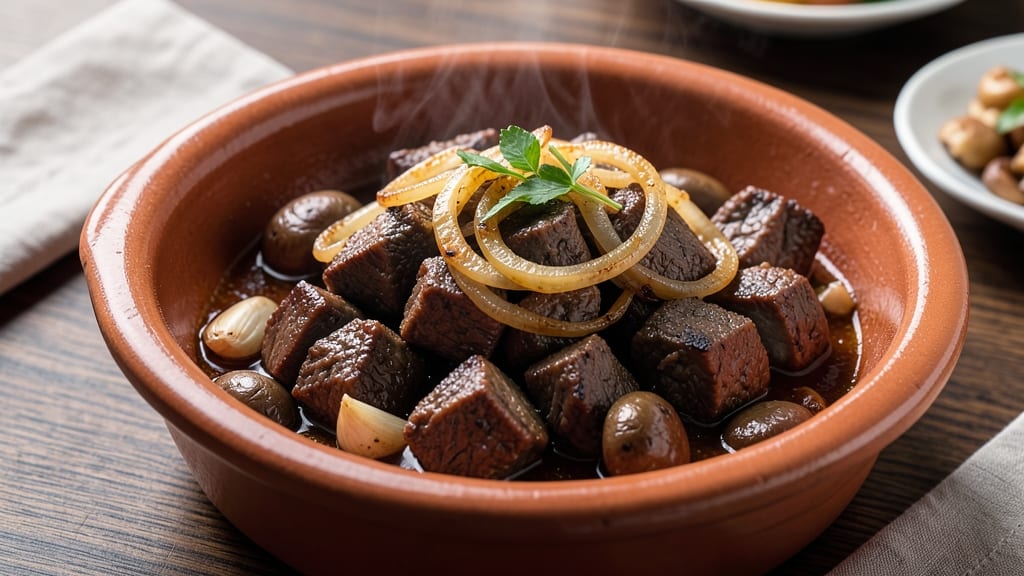
This Filipino-style beef and mushroom recipe delivers deep umami flavors in a single pot, blending soy-steamed richness with aromatic spices. The dish transforms tough beef into tender, melt-in-your-mouth bites while mushrooms absorb the savory-sweet sauce.
What sets it apart is the balance of traditional Filipino ingredients—soy sauce, vinegar, and garlic—that create a complex, satisfying profile without overpowering the natural flavors.
The cooking process is straightforward yet transformative: beef and mushrooms marinate briefly in a flavorful blend, then simmer slowly until the meat becomes fork-tender. The sauce thickens naturally, coating every ingredient in a glossy, aromatic glaze.
This method ensures maximum flavor extraction with minimal effort, making it perfect for weeknight dinners or special occasions.
By the end, you’ll have a hearty stew with tender beef, earthy mushrooms, and a sauce that’s both tangy and rich. The dish pairs beautifully with steamed rice, bagoong (shrimp paste), and atchara (pickled vegetables) for an authentic Filipino spread.
Each bite delivers layers of texture and flavor, proving that restaurant-quality meals can be made at home.
Ready in about 1 hour, this recipe is designed for simplicity without sacrificing depth. Whether you're serving a family or hosting a gathering, this beef and mushroom dish will leave everyone asking for seconds. Let’s get cooking!
Ingredients for beef and mushroom recipe filipino style
These traditional Filipino ingredients transform tough beef and mushrooms into restaurant-quality umami richness.
| Ingredient | Amount | Notes |
|---|---|---|
| Chuck Roast Beef 🥩 | 1 ½ lb | Cut into 1-inch cubes |
| Cremini Mushrooms 🍄 | 16 oz | Sliced into even strips |
| Yellow Onion 🧅 | 1 whole | Diced into 1/4-inch pieces |
| Garlic Cloves 🧄 | 6 cloves | Minced finely for depth |
| Soy Sauce 🥄 | ½ cup | Dark soy preferred for color |
| Cane Vinegar 🍶 | ¼ cup | White or apple cider substitute |
| Tomato Paste 🍅 | 2 tbsp | Squeeze tube preferred for ease |
| Brown Sugar 🍯 | 2 tbsp | Lightly packed for sweetness |
| Ground Black Pepper 🌶️ | 1 tsp | Freshly cracked for heat |
| Bay Leaves 🍃 | 2 whole | Dried for aromatic depth |
| Vegetable Oil 🫒 | 2 tbsp | High smoke point for searing |
| Water 💧 | 1 cup | For sauce consistency |
| Diamond Crystal Kosher Salt 🧂 | 1 ½ tsp | Adjust to taste at end |
| Green Onions 🧅 | 3 whole | Sliced for garnish (optional) |
The beef selection is critical—chuck roast delivers that signature tender texture when cooked low and slow. Look for well-marbled cuts at Whole Foods or your local butcher shop, where they can cube it for you. If using pre-cubed beef, ensure the pieces are uniform in size for even cooking. For mushrooms, cremini or baby bella work best—their meaty texture holds up to the long simmer. Avoid pre-sliced mushrooms; their exposed surfaces dry out faster. Garlic should be freshly minced just before cooking to preserve its aromatic oils, which are essential for that authentic Filipino depth.
No dark soy sauce? Regular soy sauce plus 1 tsp molasses mimics the color and depth. Substitute cane vinegar with white vinegar or apple cider vinegar, though the flavor profile shifts slightly. For a vegetarian adaptation, replace beef with extra-firm tofu or king oyster mushrooms—simmer them an extra 10 minutes for texture. The tomato paste can be omitted entirely if you prefer a less acidic sauce, but it adds a subtle sweetness that balances the soy. If brown sugar isn't available, honey or maple syrup work in a pinch, though they alter the caramelization slightly. Always taste the sauce before serving—adjust salt and vinegar to preference.
This dish tastes even better the next day as flavors meld, so plan ahead. Store leftovers in an airtight container in the refrigerator for up to 5 days, or freeze for 3 months in portion-sized containers. For reheating, add 1-2 tbsp water to prevent drying. The sauce thickens upon cooling, so a splash of water or broth revives it beautifully. Garnish with green onions just before serving to add freshness. Serve with steamed jasmine rice to soak up every bit of that umami-rich sauce—it's the perfect Filipino pairing.
Why You'll Love This Recipe
- One-Pan Magic: I swear by this—just slice the beef, chop the mushrooms and onions, and toss everything in one skillet. The soy sauce caramelizes right there while you sip your coffee, leaving me with a pot that’s almost too easy to resist.
- Umami Bomb: That combo of chuck roast and cremini mushrooms? It’s like flavor overload in the best way. The mushrooms soak up the garlic and soy sauce, turning tender and rich, while the beef stays juicy—no dry bites here.
- Weeknight Workhorse: Between us, this feeds my family of four and leaves leftovers for my lunchbox. (Yes, even on a Tuesday night.) The flavors only get better the next day, and it’s the kind of dish that works for casual dinners or when unexpected guests show up.
- Budget Win: Chuck roast is cheap, mushrooms stretch far, and a little soy sauce goes a long way. I make this when I’m pinching pennies, and honestly? No one ever guesses it’s not a fancy restaurant dish—just pure, satisfying flavor.
Step-by-step instructions for Filipino-style beef and mushroom stew
Master this one-pot technique for rich, caramelized flavors that develop through precise timing and layering.
Sear the Beef for Deep Flavor Foundation
Heat the 2 tablespoons vegetable oil in a heavy Dutch oven over medium-high heat until shimmering. Add the 1.5 lb chuck roast beef cut into 1-inch cubes, working in batches if needed to avoid crowding. Sear undisturbed for 3-4 minutes per side until deeply browned with a crust forming—this Maillard reaction creates the stew's umami backbone.
Real talk: Don't rush this step. The beef should release from the pan with gentle persuasion. Transfer the seared beef to a plate and set aside. If your pan starts smoking excessively, reduce heat slightly—we want caramelization, not combustion.
Build the Aromatic Base Layer
In the same Dutch oven, add the 1 whole yellow onion diced into ¼-inch pieces and 16 oz cremini mushrooms sliced into even strips. Cook over medium heat for 5-6 minutes, stirring occasionally, until the mushrooms release their moisture and the onions soften to translucence.
Add the 6 cloves garlic cloves minced finely and the 2 tablespoons tomato paste, stirring constantly for 1 minute until the raw garlic smell disappears and the paste darkens slightly. This aromatic trifecta forms the flavor foundation that will permeate every bite of your stew.
Deglaze and Combine Wet Ingredients
Pour in the 0.5 cup soy sauce and 0.25 cup cane vinegar, scraping up all the browned bits from the bottom of the pan with a wooden spoon. These bits contain concentrated flavor—don't skip this deglazing step. Add the 2 tablespoons brown sugar, 1 teaspoon ground black pepper, and 2 whole bay leaves, stirring to combine.
Bring the mixture to a simmer over medium heat, then add the 1 cup water and the reserved seared beef. Return everything to a gentle boil, then immediately reduce heat to low. The liquid should bubble gently but not vigorously—this prevents the delicate mushrooms from turning mushy.
Simmer for Tender Perfection
Cover the Dutch oven and let the stew simmer gently for 1 hour 15 minutes. The beef should become fork-tender, easily falling apart when pierced with a fork. If the liquid reduces too quickly and the stew starts to dry out, add ¼ cup water at the 45-minute mark to maintain proper consistency.
I know it's tempting to check constantly, but resist the urge to lift the lid. Every time you peek, you lose valuable steam that keeps the beef moist. Trust the process—this low-and-slow cooking method transforms tough chuck roast into melt-in-your-mouth tenderness.
Finish with Seasoning and Garnish
Remove the 2 whole bay leaves and adjust seasoning with the 1.5 teaspoons diamond crystal kosher salt. Taste and make any final adjustments—you might need a touch more soy sauce for saltiness or vinegar for acidity. The stew should balance rich beef flavors with bright, umami depth.
For serving, garnish with 3 whole green onions sliced thinly. The fresh green onions provide a bright contrast to the rich, caramelized stew. Serve immediately with steamed rice to soak up every last drop of that flavorful sauce—this dish tastes even better the next day as flavors meld further.
Pro Tips For Making Beef And Mushroom Recipe Filipino Style
- SEAR THE BEEF FIRST: Chuck roast loves a good crust, and skipping this step means flavorless, dry meat. Hit the pan with medium-high heat—no oil yet—and let the beef sit until a deep brown forms (about 3-4 minutes per side). That’s where all the umami magic starts.
- SLICE MUSHROOMS THIN: Thick mushroom chunks turn mushy when they sweat in the pan. Grab a sharp knife and cut them into ¼-inch slices—like you’re shaving them off the stem. They’ll cook fast and absorb the soy sauce like a sponge.
- DON’T BOIL THE SOY SAUCE: I used to dump soy sauce in at the end and wonder why the dish tasted flat. Simmer it with the onions and garlic first—just until it reduces by half. That caramelized depth is what makes Filipino beef dishes sing.
- REST THE MEAT UNDER FOIL: After cooking, pile the beef and mushrooms onto a plate, tent with foil, and let it sit for 10 minutes. The meat stays juicy, and the mushrooms don’t release their moisture all over the pan—no more soggy sides. (Yes, even if you’re impatient like me.)
Serving suggestions for beef and mushroom recipe filipino style
Steamed Jasmine Rice
No Filipino meal is complete without steamed jasmine rice—its delicate floral aroma and slightly sticky texture make it the perfect vessel for soaking up every drop of that umami-rich sauce.
I recommend using a 1:1.25 rice-to-water ratio (for 2 cups jasmine rice, use 2.5 cups water) and cooking in a heavy-bottomed pot with a tight-fitting lid. 🌾
For extra authenticity, add a pinch of salt to the water and a bay leaf while steaming. Once fully cooked, fluff with a fork and serve immediately alongside your beef and mushroom stew.
The rice should be tender but still slightly firm—this ensures it holds its shape while absorbing the sauce beautifully.
Bagoong (Shrimp Paste)
This fermented shrimp paste is a must-have for the full Filipino experience. I love using bagoong alamang (the milder, shrimp-based version) from Filipino markets or specialty stores like Manila Specialty. Serve a small bowl on the side with a wooden spoon for scooping. 🍤
To prepare, simply mix 2 tablespoons bagoong with 1 teaspoon vinegar and a splash of water to create a spreadable paste. The salty, funky flavor cuts through the richness of the stew, adding a layer of complexity that balances the dish perfectly.
If you can't find bagoong, a strong anchovy paste works in a pinch.
Atchara (Pickled Vegetables)
For a bright, tangy contrast, serve atchara—a Filipino carrot and papaya salad pickled in vinegar. I make mine with 1 cup shredded carrots, ½ cup diced papaya, 2 tbsp cane vinegar, 1 tbsp sugar, ½ tsp black pepper, and a pinch of salt.
Let it marinate for at least 30 minutes before serving. 🥕
The crisp texture and sharp acidity of atchara cleanse your palate between bites of the rich stew. You can find pre-made atchara in Asian grocery stores, but homemade is so much fresher. If you're short on time, a quick-pickled cucumber salad with rice vinegar and sugar works as a substitute.
Garlic Fried Rice
Use leftover rice to make garlic fried rice, a Filipino favorite that turns stale rice into a crispy, aromatic side dish. Heat 1 tbsp oil in a wok, add 3 minced garlic cloves, and stir-fry until fragrant.
Add 2 cups day-old rice, breaking up clumps, and cook for 3-4 minutes until slightly crispy. Finish with a splash of soy sauce and green onions. 🧄
This side adds a savory crunch that pairs perfectly with the tender beef and mushrooms. For extra richness, top with a fried egg—the runny yolk ties everything together beautifully. It’s a great way to repurpose leftovers while keeping the meal exciting.
Garnishes for Freshness
Brighten your plate with fresh garnishes that add color and texture. Thinly slice 3 green onions and scatter them over the stew just before serving. For a herbaceous touch, add cilantro or Thai basil—their citrusy notes complement the soy and vinegar beautifully. 🌿
A sprinkle of toasted sesame seeds or crushed peanuts adds a nutty crunch that contrasts the soft beef and mushrooms. If you're feeling adventurous, drizzle a little chili oil or sriracha for a spicy kick. These finishing touches elevate the dish from homemade to restaurant-worthy.
Nutrition facts
Frequently asked questions
Can I substitute regular soy sauce for dark soy sauce in this recipe?
Yes, but you'll need to adjust for color and depth. Use ½ cup regular soy sauce plus 1 teaspoon molasses to mimic dark soy's rich hue and caramel notes. The flavor will be slightly less intense, so add an extra ½ teaspoon black pepper to compensate for the missing umami complexity. For best results, simmer the sauce longer to develop deeper color naturally.
What makes this beef and mushroom dish authentically Filipino?
The signature Filipino elements come from the flavor balance: soy sauce for saltiness, cane vinegar for tang, garlic and onion as aromatic bases, and the slow simmering technique that creates tender beef. The combination of beef and mushrooms with earthy spices mirrors classic Filipino stews like Kare-Kare, while the sauce's glossy finish reflects the country's love for well-seasoned braises.
How do I prevent the mushrooms from turning mushy during cooking?
Cook mushrooms separately for 3-4 minutes before adding them to the beef mixture—this releases their moisture first. Use medium heat (not high) when combining ingredients, and avoid overcrowding the pan. For extra texture, add mushrooms in the last 15 minutes of simmering. The key is gentle cooking—mushrooms release water quickly, so quick cooking preserves their bite.
Can I make this recipe with ground beef instead of chuck roast?
Ground beef works but requires adjustments: use 1 lb lean ground beef (80/20 ratio) and reduce cooking time to 45 minutes total. Skip the initial searing step—just brown the beef with onions and garlic. The texture will be different (more tender but less fork-tender), but the sauce flavors will shine. For extra richness, add 1 tablespoon peanut butter at the end (a common Filipino trick for depth).
Why does my sauce taste too salty after simmering?
This happens when soy sauce concentrates as liquid evaporates. To fix it, add 1-2 tablespoons water or broth and simmer uncovered for 5 minutes to dilute. For prevention, use ¼ cup soy sauce instead of ½ cup, or add ingredients gradually while tasting. The vinegar helps balance saltiness, but if needed, a splash of coconut milk (1-2 tbsp) can mellow the flavors while adding creaminess.