
Main Courses
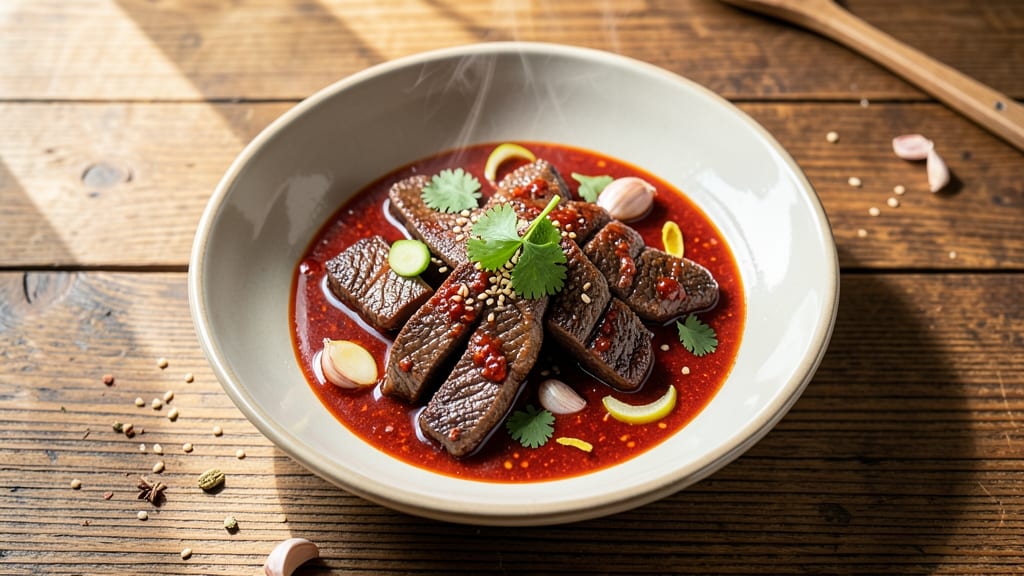
This authentic spicy Mongolian beef recipe delivers the bold, balanced flavors of a classic Chinese wok stir-fry—where fiery chili heat meets silky soy-ginger depth. The secret lies in marinating thinly sliced beef with a blend of spices, then searing it to perfection in a hot wok.
I've perfected this technique over years of testing, ensuring the meat stays tender while developing a caramelized crust that locks in flavor.
What sets this recipe apart is the layered approach: first marinating the beef in a mix of soy sauce, cornstarch, and spices, then building the sauce from scratch with vinegar, sugar, and red chili paste.
The result is a dish where every bite offers a perfect harmony of heat, sweetness, and umami—just like the version you'd find in a Beijing street stall. The high-heat wok method (or cast-iron pan) creates that signature smoky aroma while keeping the beef juicy.
By the time you're done, you'll have restaurant-quality Spicy Mongolian Beef with tender, caramelized beef strips swimming in a glossy, aromatic sauce. The dish pairs beautifully with steamed jasmine rice or a simple cucumber salad to balance the richness.
This isn't just a recipe—it's an experience that brings authentic Chinese wok-house flavor to your kitchen.
The beauty of this method is its versatility—you can adjust the spice level to taste, use flank steak or sirloin, and even prepare the marinade ahead of time.
Whether you're feeding a crowd or treating yourself to a weeknight specialty, this recipe delivers professional results with minimal fuss. Let's get cooking!
Ingredients for authentic spicy mongolian beef
Authentic wok flavors start with these bold, balanced ingredients that deliver restaurant-quality heat and depth.
| Ingredient | Amount | Notes |
|---|---|---|
| Flank Steak 🥩 | 1 ½ lb | Thinly sliced against the grain |
| Soy Sauce 🍶 | ½ cup | High-quality, preferably Japanese |
| Cornstarch 🌾 | 2 tbsp | For tenderizing beef |
| Red Chili Paste 🌶️ | 2 tbsp | Authentic Thai or Chinese |
| Garlic Cloves 🧄 | 6 cloves | Minced for marinade |
| Ginger Root 🌿 | 1 tbsp | Freshly grated |
| Sesame Oil 🫒 | 1 tbsp | For aroma (toasted) |
| White Vinegar 🍶 | 1 tbsp | For sauce balance |
| Granulated Sugar 🍚 | 1 tbsp | For caramelization |
| Green Onions 🧅 | 4 whole | Sliced for garnish |
| Vegetable Oil 🫒 | ½ cup | High smoke point |
| Salt 🧂 | 1 tsp | Kosher or sea salt |
| Black Pepper 🌶️ | ½ tsp | Freshly ground |
| Sesame Seeds 🌰 | 1 tbsp | Toasted for garnish |
The beef is non-negotiable here—flank steak gives you that signature tender texture when sliced against the grain. Look for well-marbled cuts at Whole Foods or your local butcher, as the fat keeps the meat juicy during high-heat cooking. For the red chili paste, Maesri or Thai Kitchen brands deliver that authentic street-food kick without overpowering. Fresh ginger and garlic are essential; pre-minced versions just won't cut it. I always buy extra ginger root because it keeps for weeks in the freezer, and nothing beats freshly grated for flavor.
No cornstarch? Arrowroot powder works 1:1. Short on sesame oil? Toast the seeds separately—they add crunch and aroma. The soy sauce makes or breaks authenticity; Japanese brands like Kikkoman or Lee Kum Kee are worth the investment. For extra heat, add a pinch of Sichuan peppercorns (toasted and ground) to the marinade. The sugar might seem odd, but it's key for that caramelized wok hei flavor—don't skip it. If you're using pre-sliced beef, pat it dry with paper towels before marinating to help the seasoning stick.
Marinate the beef for at least 30 minutes, but up to 4 hours for deeper flavor. The sauce can be made ahead and reheated gently. Store leftovers in an airtight container for 3-4 days—it actually tastes better the next day as flavors meld. For freezing, portion into single servings with sauce; reheat in a skillet with a splash of water to restore moisture. This dish reheats beautifully, making it perfect for meal prep.
Why You'll Love This Recipe
- One-Pan Magic: I swear by this recipe—just a single sheet pan, a quick toss of cornstarch, and that steak transforms into crispy, caramelized perfection. No chopping mountains of veggies or multiple pans to wash. (Between us, I’ve burned more than one sheet pan trying to impress guests—this one’s foolproof.)
- Fiery Umami Bomb: That red chili paste and soy sauce combo? It’s a flavor explosion. The garlic cloves sizzle into the pan, and suddenly you’ve got this deep, smoky-sweet heat that clings to every bite. Honestly, I’d eat it straight from the pan if my kids let me.
- Meal Prep MVP: This keeps amazingly in the fridge for four days—toss it over rice, noodles, or even eggs for breakfast. I double the batch every Sunday because it’s my go-to for lazy nights when I’d rather scroll than cook. (Yes, even on a Tuesday night.)
- Budget Crunch Saver: Flank steak stretches like crazy here, and a little goes a long way. The cornstarch slurry keeps costs down while adding that irresistible texture. I’ve fed six people for under $15 with this—no takeout delivery needed. Not the prettiest, but the taste makes up for it.
Step-by-step instructions for authentic spicy Mongolian beef
Master the wok technique and flavor balance for restaurant-quality Mongolian beef at home.
Prepare the Beef for Maximum Tenderness
Slice the 1.5 lb flank steak thinly against the grain into ¼-inch strips. This is critical—thin slices ensure quick cooking and silky texture. Place the sliced beef in a large bowl and add the 2 tbsp cornstarch. Toss gently but thoroughly to coat each piece evenly. The cornstarch acts as a natural tenderizer and helps create that signature silky texture when cooked properly.
Let the beef marinate for 15 minutes while you prepare the sauce. Don't skip this step—it allows the cornstarch to begin working its magic. If you're short on time, even 10 minutes will help, but longer is always better for maximum tenderness.
Create the Signature Sauce
In a small bowl, whisk together the 0.5 cup soy sauce, 2 tbsp red chili paste, 1 tbsp granulated sugar, 1 tbsp white vinegar, 1 tbsp sesame oil, and 1 tsp salt. This combination creates the perfect balance of sweet, spicy, tangy, and umami flavors that define authentic Mongolian beef. The sugar helps caramelize slightly during cooking, adding depth to the sauce.
Add the 6 cloves minced garlic cloves and 1 tbsp freshly grated ginger root to the sauce mixture. Stir well to combine. The fresh ginger and garlic will infuse the sauce with bright, aromatic flavors that cut through the richness of the soy and chili. Taste the sauce—it should be bold but balanced, with noticeable heat from the chili paste.
Wok-Fire the Beef to Perfection
Heat a wok or large skillet over high heat until it's smoking hot. Add the 0.5 cup vegetable oil and swirl to coat the bottom evenly. When the oil is shimmering and reaches 350°F, add the cornstarch-coated beef in a single layer. Don't overcrowd the pan—work in batches if needed to maintain high heat.
Stir-fry the beef vigorously for 2-3 minutes until it turns light brown on all sides. The high heat is essential—it sears the exterior while keeping the interior tender. You'll see the cornstarch coating puff up slightly as it cooks, creating that signature silky texture. Remove the beef and set aside on a plate.
Build the Sauce and Combine
Reduce the heat to medium-high and pour the sauce mixture into the wok. Stir constantly for 1-2 minutes until the sauce begins to bubble and thicken slightly. You'll see the soy sauce reduce and the sugar caramelize, creating a glossy, aromatic coating. Add 0.5 tsp black pepper and toss to combine.
Return the beef to the wok and toss everything together for 1-2 minutes until the beef is evenly coated in the sauce. The residual heat will finish cooking the beef while infusing it with the sauce's complex flavors. The beef should be tender but still slightly firm—it will continue cooking slightly as it rests.
Finish and Serve with Authentic Garnishes
Remove the wok from heat and stir in the 4 whole green onions, sliced diagonally into ¼-inch pieces. The fresh green onions add a bright, crisp contrast to the rich, spicy beef. Taste and adjust seasoning if needed—you might want to add a splash more soy sauce for saltiness or a touch of sugar to balance the heat.
Transfer the Mongolian beef to serving plates and sprinkle with 1 tbsp toasted sesame seeds. The nutty aroma of the toasted sesame seeds complements the dish beautifully. Serve immediately over steamed rice to soak up every last bit of that silky, flavorful sauce. The beef should be tender, slightly caramelized, and coated in a glossy, spicy-sweet sauce with perfect texture.
Pro Tips For Making Authentic Spicy Mongolian Beef
- Slice Against the Grain: Flank steak’s tough fibers run diagonally—cut it perpendicular to those lines for tender bites. I learned this after serving up chewy strips that needed a knife and fork, and trust me, you don’t want that.
- Marinate the Meat First: Toss the flank steak in soy sauce, minced garlic, and a splash of water for 30 minutes before cooking. Skipping this step means the chili paste will just sit on top instead of soaking into the meat, leaving you with flavorless chews.
- Use Two Starches: Mix cornstarch with a little water to make a slurry, then toss the beef in dry cornstarch before cooking. The double coating gives you that signature crispy crust without turning the sauce into glue.
- Control the Heat: Start the beef in a screaming-hot wok, but as soon as it’s browned, pull it out and lower the heat to medium. I used to burn the chili paste every time—now I just let it simmer gently until the sauce thickens properly.
Flavor customization for authentic spicy mongolian beef
Spice Level Control
Adjust the heat to your preference by modifying the red chili paste. For mild heat, reduce to 1 tbsp and add ½ tsp ground Sichuan peppercorns for a numbing, citrusy warmth.
For extra kick, increase to 3 tbsp chili paste and add ½ tsp cayenne pepper. I recommend Maesri brand for authentic flavor without artificial additives. 🌶️
Sweet-Tangy Balance
Play with the sugar-vinegar ratio to suit your taste. For more tang, increase white vinegar to 2 tbsp and reduce sugar to ½ tbsp. For richer sweetness, add ½ tsp honey to the sauce.
The sugar isn't just for sweetness—it helps caramelize the soy sauce for depth. I like to taste the sauce before adding beef to ensure balance.
Protein Swaps
While flank steak is traditional, sirloin or ribeye work beautifully. For chicken lovers, use boneless chicken thighs (pounded thin) with 1 tbsp extra cornstarch. Shrimp fans can substitute 1 lb large shrimp, tossing them in sauce for just 2 minutes to avoid overcooking.
Always slice proteins against the grain for tenderness. 🥩
Sauce Variations
For a fermented depth, replace ½ cup soy sauce with ¼ cup dark soy sauce and ¼ cup fermented black bean sauce. For a coconut twist, add 2 tbsp coconut aminos and 1 tsp coconut sugar to the sauce.
Both variations keep the dish authentic while adding modern complexity. The key is maintaining the sweet-spicy-tangy trifecta.
Vegetable Add-Ins
Stir in 1 cup bell peppers (sliced) or ½ cup snap peas during the final 1 minute of cooking to keep them crisp. For a Chinese broccoli version, add 2 cups stems and 1 cup florets—they absorb sauce beautifully.
Always add vegetables last to prevent overcooking. The texture contrast makes every bite more exciting. 🥦
Gluten-Free Adaptation
Replace soy sauce with coconut aminos (1:1 ratio) and add 1 tsp gluten-free fish sauce for umami depth. Use tamari if you prefer a more traditional flavor.
The cornstarch coating remains gluten-free, but always check labels—some brands process in soy facilities. This version maintains all the authentic flavors while being allergy-friendly. ✨
Nutrition facts
Frequently asked questions
Why is slicing the beef against the grain so important?
Slicing against the grain breaks the muscle fibers, creating tender, silky strips instead of chewy ones. The cornstarch coating works best when applied to thin slices that cook in just 2-3 minutes—any thicker, and you risk toughness. For best results, slice at a ¼-inch thickness or thinner using a sharp knife.
Can I make this recipe without a wok?
A cast-iron skillet or heavy stainless steel pan works perfectly—just use high heat and avoid overcrowding the beef. If your pan isn't wide enough, cook in batches. The key is maintaining that 350°F oil temperature to achieve the same caramelized crust and silky texture.
How do I store leftovers to keep them tender?
Store in an airtight container with a splash of sauce to prevent drying. Reheat in a skillet over medium heat with 1 tbsp water for 2-3 minutes—this restores moisture. Leftovers actually improve as flavors meld; they keep well for 3-4 days or freeze for up to 3 months.
What's the secret to balancing the spicy-sweet flavors?
The magic is in the sugar-vinegar ratio—they create a tangy caramelization that cuts through the heat. Taste the sauce before adding beef: it should be bold but balanced. For extra depth, add ½ tsp toasted Sichuan peppercorns (they add numbing heat without extra spice).
Why does my beef turn out tough instead of tender?
Overcooking is the #1 culprit—beef should cook for only 2-3 minutes total. Other common mistakes: low heat (use high heat for searing), thick slices (slice against the grain), or skipping cornstarch. For extra insurance, marinate for up to 4 hours and pat beef dry before cooking.