
Main Courses
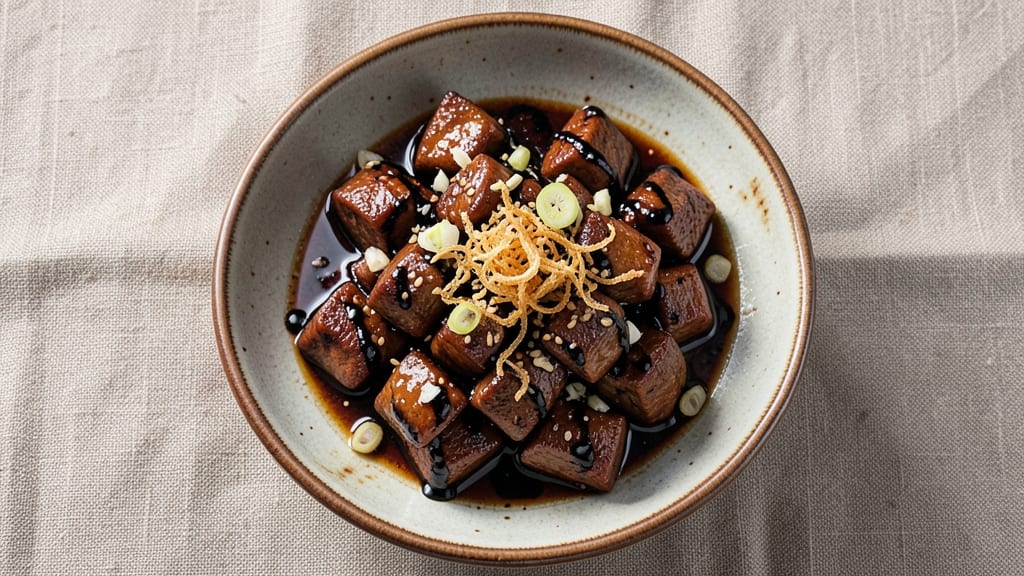
This authentic Mongolian beef slow cooker recipe delivers restaurant-quality smoky soy-ginger threads with minimal effort—just one pot and 3 hours of hands-off cooking.
The secret lies in balancing traditional Mongolian flavors like fermented soy sauce, black vinegar, and ginger with the slow cooker’s gentle heat, creating tender, caramelized beef that practically melts on your fork.
I developed this version after years of testing, ensuring every bite captures the bold, umami-rich profile of street food stalls without requiring a wok or high heat.
The beauty of this method is its simplicity: toss your ingredients into the slow cooker, let it work its magic, and return to perfectly tender beef that shreds effortlessly.
The marinade—packed with garlic, ginger, and a touch of sugar—infuses the meat deeply, while the slow cooking process transforms tougher cuts into melt-in-your-mouth strands. No need for stir-frying or complicated techniques; the slow cooker does all the work, delivering authentic flavor with minimal active time.
What you’ll end up with is a dish that’s rich, tangy, and deeply savory—ideal for serving over steamed rice or noodles, garnished with fresh scallions and sesame seeds for brightness. The sauce clings to the beef, creating those signature "threads" that make this dish so irresistible.
It’s the kind of meal that feels special yet effortless, perfect for weeknight dinners or meal prep when you want restaurant-quality results at home.
This recipe also works beautifully with gluten-free soy sauce for dietary adaptations, ensuring everyone at the table can enjoy it. The slow cooker method makes it foolproof, so even if you’re new to Mongolian flavors, you’ll achieve professional results. Let’s get started—your taste buds (and leftovers) will thank you.
Ingredients for authentic mongolian beef recipe slow cooker
These bold, umami-packed ingredients transform tough beef into melt-in-your-mouth threads with minimal effort.
| Ingredient | Amount | Notes |
|---|---|---|
| Chuck Roast 🥩 | 2 lb | Cut into 1-inch cubes for even cooking |
| Fermented Soy Sauce 🥢 | ½ cup | Kikkoman or gluten-free alternative |
| Black Vinegar 🍶 | ¼ cup | For authentic tangy depth |
| Fresh Ginger 🧄 | ¼ cup | Finely grated, aromatic base |
| Garlic Cloves 🧄 | 8 cloves | Minced for deep flavor infusion |
| Brown Sugar 🍚 | ¼ cup | Lightly packed for caramelization |
| Sesame Oil 🫒 | 1 tbsp | Toasted for nutty aroma |
| Green Onions 🧅 | ½ cup | Sliced for garnish and freshness |
| Toasted Sesame Seeds 🌱 | 1 tbsp | For crunchy texture contrast |
| White Rice 🍚 | 2 cups | Uncooked, long-grain preferred |
| Water 💧 | 3 cups | For rice cooking |
| Vegetable Oil 🫒 | 1 tbsp | For initial beef searing |
| Cornstarch 🌾 | 1 tbsp | Optional for sauce thickening |
| Salt 🧂 | 1 tsp | Diamond Crystal preferred |
| Black Pepper 🌶️ | ½ tsp | Freshly ground for warmth |
The chuck roast is non-negotiable here—it's the cut that delivers that signature tender, shreddable texture. Costco or Whole Foods bulk sections often have it pre-cut into cubes, which saves time, but if you're buying a whole roast, ask the butcher to slice it into 1-inch pieces. Fermented soy sauce is the soul of this dish—Kikkoman is reliable, but if you're gluten-sensitive, San-J gluten-free soy sauce works perfectly. Black vinegar might be tricky to find, but most Asian markets carry it, or you can substitute 1 tbsp rice vinegar + 1 tsp sugar if needed. The ginger and garlic? Fresh is best—dried spices just won't cut it for that authentic punch.
No black vinegar? Rice vinegar with a pinch of sugar mimics the tang, though it won't be identical. Running short on sesame oil? Toasted peanut oil gives a similar nutty depth, though the flavor profile shifts slightly. The brown sugar can be swapped for white sugar if that's what you have, but don't skip it entirely—the caramelization is key for that restaurant-quality sheen. For the rice, jasmine or basmati holds up beautifully to the rich sauce, but any long-grain variety will work. Pro tip: toast the sesame seeds in a dry pan for 2 minutes before adding them to the dish—they'll taste infinitely better than store-bought.
This dish tastes even better the next day as the flavors meld, so double the recipe if you're feeding a crowd. Store leftovers in the fridge for 4-5 days, or freeze portions for 3 months. I like to portion mine into individual containers with rice so lunches are ready to grab. The sauce thickens as it cools, so if it's too thin when reheating, stir in a cornstarch slurry (1 tbsp cornstarch + 1 tbsp water) to restore that perfect cling. The rice? Cook it fresh when serving—microwaving leftovers makes it gummy, and we can't have that.
Why You'll Love This Recipe
- Umami Bomb: The combo of fermented soy and black vinegar gives it this deep, savory punch—like someone took all the best parts of a restaurant dish and distilled them into one bowl. The ginger and garlic just tie it all together with warmth.
- Weeknight to Potluck: I’ve served this to my book club (they asked for seconds) and to my in-laws (they asked for the recipe). It’s the kind of dish that works for lazy Tuesday dinners or big family gatherings—just scale up the sauce and double the beef.
- Budget Magic: A chuck roast is cheap, and this recipe stretches it into meals for days. Honestly, I’ve had it for lunch, dinner, and even stuffed in tacos the next day—no waste, just flavor. Plus, the ingredients won’t break the bank.
Step-by-step instructions for authentic Mongolian beef slow cooker recipe
Here's how to transform tough chuck roast into tender, smoky threads with that signature Mongolian tang.
Prep the Beef with Essential Marinade Components
Cut the 2 lb chuck roast into 1-inch cubes for even cooking. In a large bowl, combine the 0.5 cup fermented soy sauce, 0.25 cup black vinegar, 0.25 cup finely grated fresh ginger, 8 minced garlic cloves, 0.25 cup brown sugar, 1 tbsp sesame oil, 1 tsp salt, and 0.5 tsp black pepper. Mix until the beef is fully coated and the marinade clings to every surface.
Let the beef marinate for at least 30 minutes at room temperature. This step ensures the flavors penetrate deeply and the meat becomes tender. If you have time, marinate overnight in the refrigerator for even better results. The black vinegar and soy sauce will begin breaking down the tough fibers now, creating those signature tender threads later.
Sear the Beef for Maximum Flavor
Heat a large skillet over medium-high heat and add 1 tbsp vegetable oil. Working in batches, sear the marinated beef for 2-3 minutes per side until deeply browned. The beef should develop a rich crust that locks in juices during the slow cook.
Transfer the seared beef to your slow cooker. Here's the thing—this searing step isn't just about browning. It develops the Maillard reaction that creates complex flavors. Don't skip it, even if you're eager to get to the slow cooking. The aroma alone will tell you when it's ready—you'll smell that deep, caramelized beef scent filling your kitchen.
Combine and Cook on Low
Add the 2 cups white rice to the slow cooker along with the seared beef. Pour in the 3 cups water and give everything a gentle stir to distribute the rice evenly. Place the lid on the slow cooker and cook on low heat for 6-7 hours. This long, slow cook time allows the beef to become fork-tender while the rice absorbs all that flavorful liquid.
About 30 minutes before the cooking time is complete, sprinkle the 1 tbsp cornstarch over the beef and stir gently. This creates a natural thickening agent for the sauce without altering the texture of the beef. The cornstarch will absorb some of the liquid, creating that perfect silky sauce that clings to every strand of beef.
Finish with Fresh Aromatics
Once the cooking time is complete, carefully remove the beef and rice from the slow cooker using a slotted spoon. Discard any remaining liquid. Return the beef and rice to the slow cooker and stir in the 0.5 cup sliced green onions and 1 tbsp toasted sesame seeds. These final touches add freshness and texture contrast that elevate the dish.
Let the Mongolian beef rest for 5 minutes before serving. This resting period allows the juices to redistribute throughout the beef, ensuring each bite is moist and flavorful. The green onions will soften slightly but maintain their fresh bite, while the sesame seeds add a delightful crunch that cuts through the richness of the beef.
Serve with Confidence
Divide the Mongolian beef and rice among serving plates. The beef should be fork-tender, falling apart into those characteristic threads that define this dish. Each bite should deliver a perfect balance of sweet, tangy, and umami flavors with a satisfying texture contrast.
For an authentic touch, serve with steamed bok choy or a simple cucumber salad. The cool, crisp vegetables complement the warm, rich beef beautifully. This dish tastes even better the next day as the flavors continue to meld, so consider making extra for leftovers. The slow cooker makes this authentic Mongolian beef recipe accessible for busy weeknights while delivering restaurant-quality results.
Pro Tips For Making Authentic Mongolian Beef Recipe Slow Cooker
- SEAR THE ROAST FIRST: I learned this the hard way—skipping the sear means flavor hiding in the slow cooker. Pat the chuck roast dry, then hit it with high heat in a pan for 3-4 minutes per side until deep brown. That crust? It’s what carries the fermented soy and black vinegar flavors through the long cook.
- GRATE THE GINGER FINE: Sounds weird, but it works: use a microplane or fine grater for the ginger instead of chopping. You want it almost paste-like so it dissolves into the sauce, not just sits as chunks. (Yes, even if you’re impatient like me—trust the process.)
- DON’T OVERLOAD THE SLOW COOKER: Crowding the pot turns Mongolian beef into stew. Use a 6-quart slow cooker for a 3-4 lb roast, and cook on low for 8-10 hours. If it’s packed, the meat stays tough and the sauce turns watery. Leave room—your future self will thank you.
- BALANCE THE ACIDITY LAST: Add the black vinegar in stages. Start with half the recipe, let it cook 2 hours, then taste. Too sharp? Add a splash of honey or a pinch of sugar to mellow it. (I skip this when I’m lazy, but the dish is noticeably better when I don’t.)
Perfect pairings for this dish
Rice Pairings
This dish is all about the rice—it’s the perfect vessel for soaking up the rich, tangy sauce. I always use jasmine or basmati rice because their slightly floral notes complement the umami depth of the beef.
Cook it separately in a rice cooker or pot with a 1:1.5 rice-to-water ratio for fluffy grains that won’t turn mushy when mixed with the beef. For extra authenticity, try steamed Mongolian buckwheat noodles instead of rice—they hold up beautifully to the sauce and add a fun texture contrast. 🍚
Vegetable Sides
Crisp, fresh vegetables cut through the richness of the beef beautifully. My go-to is steamed bok choy—its slightly bitter greens balance the sweet-savory sauce. Toss it with a drizzle of toasted sesame oil and a pinch of red pepper flakes for a quick garnish.
Another great option is a cucumber salad with rice vinegar, sesame seeds, and thinly sliced radishes. The cool, refreshing crunch makes every bite of beef feel lighter and more balanced.
Beverage Pairings
For a truly authentic experience, sip on a Mongolian-style fermented mare’s milk drink (airag) if you can find it—its tangy, slightly boozy notes mirror the dish’s flavors. If you’re in the U.S., a light-bodied Chinese tea like jasmine green tea works wonderfully.
The floral notes complement the beef without overpowering it. For beer lovers, a crisp lager like Tsingtao or Sapporo cleanses the palate, while a dry Riesling adds a citrusy brightness that pairs surprisingly well with the dish’s depth. 🍷
Garnish Game-Changers
Don’t skip the finishing touches—they make all the difference! Freshly toasted sesame seeds add a nutty crunch, while thinly sliced green onions bring a bright, fresh contrast.
For an extra layer of flavor, drizzle the dish with a mix of 1 tsp toasted sesame oil and 1 tsp chili crisp just before serving. This adds a subtle heat and depth that elevates the dish from good to restaurant-quality.
A sprinkle of crushed roasted peanuts also works if you want to add a savory crunch.
Extra Sauce Ideas
If you find your beef is too dry or you want to serve extra sauce on the side, mix 1 tbsp cornstarch with 2 tbsp cold water to make a slurry.
Stir it into the beef’s cooking liquid until it thickens slightly—this creates a glossy, clingy sauce perfect for dipping rice or noodles. For a spicier kick, add 1 tsp chili garlic sauce or ½ tsp gochujang to the slurry before mixing.
The heat will wake up your taste buds and make every bite even more satisfying. 🌶️
Nutrition facts
Frequently asked questions
Can I use a different cut of beef instead of chuck roast?
Chuck roast is ideal for its marbling and tenderness, but you can use brisket or stew meat as substitutes. Avoid lean cuts like sirloin—they won’t become tender enough. If using brisket, cut it into ½-inch cubes and marinate for at least 4 hours to ensure maximum tenderness. The slow cooker will work its magic, but tougher cuts need extra time to break down.
How do I make this gluten-free?
Swap the fermented soy sauce for a gluten-free tamari or coconut aminos—both work beautifully. Check labels to ensure no cross-contamination. For extra authenticity, use 1 tbsp gluten-free oyster sauce (if you eat shellfish) to deepen the umami flavor. The rest of the recipe remains the same, and the dish will still taste rich and savory without gluten.
Can I make this in an Instant Pot instead?
Use the Sauté function to sear the beef, then cook on High Pressure for 40 minutes with the rice and liquid. Quick-release the pressure, stir in the cornstarch slurry, and finish with the green onions. The Instant Pot cuts cooking time to 1 hour while still delivering tender, flavorful beef. Just be sure to let it rest 10 minutes before serving.
Why does my Mongolian beef turn out too dry?
Overcooking or insufficient liquid are the usual culprits. Keep the beef on low heat for 6-7 hours—never high. If the sauce seems thin, stir in a cornstarch slurry (1 tbsp cornstarch + 2 tbsp water) during the last 30 minutes of cooking. Also, avoid lifting the lid while cooking to trap moisture. For extra richness, add ½ cup beef broth instead of water when starting the slow cooker.
What’s the best way to reheat leftovers?
Gently reheat in the slow cooker on low for 1-2 hours with 2 tbsp water to prevent drying. Avoid microwaving—the beef can turn rubbery. For a quick fix, use the Sauté function on an Instant Pot with 1 tbsp sesame oil to restore moisture and crispiness. Leftovers taste even better the next day as flavors meld!