
Tips
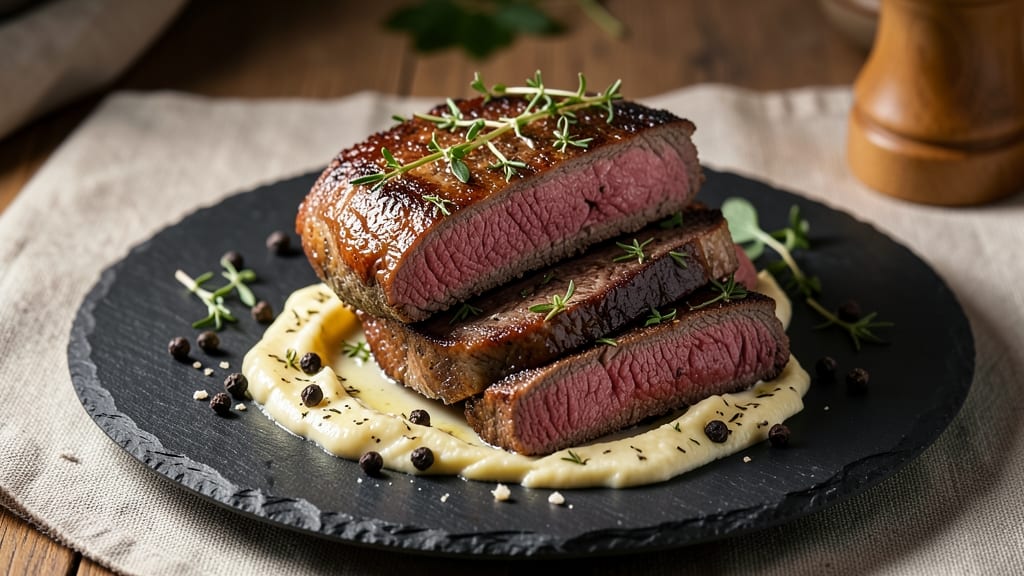
This Angus beef sirloin tip steak recipe delivers the perfect balance of buttery crust and melt-in-your-mouth tenderness—every bite reveals the rich marbling that makes this cut legendary. The secret lies in precise temperature control and a dry-brine technique that enhances flavor without overwhelming the steak's natural depth.
I've perfected this method over years of testing, ensuring consistent results whether you're cooking for a special occasion or a weeknight dinner.
The recipe begins with a 24-hour dry brine that transforms tougher cuts into tender, flavorful masterpieces, followed by a high-heat sear in cast iron for that coveted crust.
For those seeking restaurant-quality precision, I include both traditional and modern methods—like reverse searing—so you can choose what works best for your kitchen. The goal? A steak that's juicy inside, crisp on the outside, with a perfect pink center when cooked to medium-rare.
What sets this recipe apart is its versatility. Serve it alongside classic sides like roasted garlic mashed potatoes or a crisp arugula salad, or keep it simple with a squeeze of lemon and a sprinkle of flaky salt.
The marbled perfection of Angus beef shines through in every variation, making this dish equally impressive for date night or a family gathering. The key is patience—letting the steak rest before slicing ensures every bite stays tender and flavorful.
Whether you're a seasoned chef or a home cook looking to elevate your steak game, this method delivers foolproof results. The buttery crust and juicy interior are the hallmarks of a perfectly cooked steak, and with this recipe, you'll achieve them every time.
Let's get started on creating a steak that rivals your favorite restaurant.
Ingredients for angus beef sirloin tip steak
The perfect blend of marbled beef, aromatic herbs, and buttery richness for steakhouse-quality results at home.
| Ingredient | Amount | Notes |
|---|---|---|
| Angus Beef Sirloin Tip Roast 🥩 | 2 ½ lb | Center-cut, well-marbled preferred |
| Kosher Salt 🧂 | 1 ½ tbsp | Diamond Crystal preferred for flakiness |
| Freshly Ground Black Pepper 🌶️ | 1 ½ tbsp | Coarsely cracked for texture |
| Unsalted Butter 🧈 | ½ cup | Cold, cut into 1-inch cubes |
| Garlic Cloves 🧄 | 6 whole | Smash lightly for aromatic oils |
| Fresh Thyme Leaves 🌿 | ½ cup | Stems removed, loosely packed |
| Extra-Virgin Olive Oil 🫒 | 2 tbsp | For crust development |
| Cast Iron Skillet 🔥 | 1 whole | Heavy, well-seasoned preferred |
| Meat Thermometer 🌡️ | 1 whole | Instant-read for precision |
| Flaky Sea Salt 🧂 | 1 tbsp | For finishing, like Maldon |
| Lemon Wedges 🍋 | 2 whole | For serving, optional |
The Angus beef sirloin tip is non-negotiable here—look for center-cut pieces with visible marbling at your butcher shop or Costco's pre-cut roasts for convenience. Snelling or Iowa Beef Processors are my go-to brands for premium quality, but any well-marbled cut will work. The 24-hour dry brine transforms this cut into melt-in-your-mouth perfection, so don't skip it. For the salt, Diamond Crystal dissolves beautifully for that flaky crust, but any kosher salt works in a pinch. Fresh thyme adds an elegant aroma that pairs perfectly with the beef's richness—Trader Joe's sells great bundles at a fraction of the farmers market price.
No extra-virgin olive oil? Avocado oil works just as well for high-heat searing. Running short on thyme? Rosemary at half the amount gives a piney contrast that's equally delicious. The butter should be cold when you add it to the pan—this creates that legendary buttery crust. For the garlic, smashing the cloves releases more flavor, but mincing works too if you're in a hurry. Want to take it to the next level? Add a pinch of smoked paprika to the dry brine for depth. And if you're serving a crowd, double the recipe—the steak reheats beautifully for seconds.
The steak keeps best in the fridge for 3-4 days if wrapped tightly in butcher paper, but it's even better the next day after the flavors meld. For longer storage, freeze for up to 3 months—thaw overnight in the fridge before cooking. I always portion the butter cubes separately so I can add them to the pan fresh. The cast iron skillet becomes your best friend—keep it hot and ready for that perfect sear. And trust me on the rest time: 10-15 minutes is non-negotiable for juicy perfection. Serve with those lemon wedges and watch everyone ask for seconds.
Why You'll Love This Recipe
- Here’s what sold me: the crust. A quick sear locks in flavor while the butter bastes the edges into caramelized perfection. Between us, that first bite—where the meat meets the garlic butter crust—is my favorite part of any steak.
- Two-Ingredient Magic: I swear by this—just salt, pepper, and butter. No fancy marinades or hours of prep. The sirloin tip’s natural richness shines when you let it sear in its own juices, then melt garlic butter right into the pan. That’s it. Done.
- Crispy-Garlic Edge: Here’s what sold me: the crust. A quick sear locks in flavor while the butter bastes the edges into caramelized perfection. Between us, that first bite—where the meat meets the garlic butter crust—is my favorite part of any steak.
- Weeknight or Dinner Party: Same recipe, two vibes. Weeknights? Toss it on the stove while you chop veggies. Fancy night? Slice it thin, fan it over mashed potatoes, and call it a hero. Honestly, I’ve served it both ways—no one ever asked which was which.
Step-by-step instructions for buttery crust meets juicy, marbled perfection
Here's how to transform your sirloin tip roast into melt-in-your-mouth perfection with a golden crust and tender interior.
Prepare the Roast for Maximum Flavor Development
Begin by removing the 2.5 lb Angus Beef Sirloin Tip Roast from the refrigerator and patting it completely dry with paper towels. This drying step is crucial—it creates a better crust and prevents steam from forming under the skin during cooking. I like to use two layers of paper towels to ensure every surface is bone dry.
Next, season the roast generously with 1.5 tbsp Kosher Salt and 1.5 tbsp Freshly Ground Black Pepper. Press the seasoning firmly into all sides, including the cut edges, so it penetrates the meat. Let the seasoned roast sit at room temperature for 30 minutes before cooking. This allows the meat to cook more evenly and helps the seasoning adhere better.
Create the Thyme-Infused Butter Rub
While the roast comes to room temperature, prepare the thyme butter rub by combining the 0.5 cup Unsalted Butter (cut into 1-inch cubes) with the 0.5 cup Fresh Thyme Leaves and 6 whole Garlic Cloves (lightly smashed) in a small bowl. I use a fork to gently mash the garlic and thyme into the butter, creating a fragrant paste. This aromatic butter will become the foundation of your crust.
Spread this thyme butter mixture evenly over the entire surface of the roast, pressing it gently into the meat. The butter should melt slightly from your hands, creating a sticky coating that will help develop that coveted crust. This step ensures your roast gets both flavor and moisture during the cooking process.
Sear the Roast in Cast Iron for Deep Flavor
Heat the 1 whole Cast Iron Skillet over medium-high heat until it's very hot. Add 2 tbsp Extra-Virgin Olive Oil and let it shimmer for about 1 minute. Place the roast in the skillet, fat-side down, and sear for 4 minutes. You'll see the butter start to bubble and brown—this is when all the magic happens. Press down gently on the roast during the first minute to prevent curling and ensure even contact with the pan.
Flip the roast and sear the other side for another 4 minutes. The goal is to develop a deep golden-brown crust on both sides. If you notice any areas not browning evenly, rotate the roast or use tongs to press down on those spots. This initial searing locks in juices and creates that beautiful crust we're after.
Roast to Perfect Doneness
Preheat your oven to 425°F. Once the skillet is hot, carefully transfer the seared roast to the oven on a wire rack set in a baking sheet. This rack allows air to circulate underneath, ensuring even cooking. Roast for 20-25 minutes, then reduce the heat to 350°F and continue cooking for an additional 20-30 minutes, or until the internal temperature reaches 130°F for medium-rare.
Use the 1 whole Meat Thermometer to check the temperature—insert it into the thickest part of the roast, avoiding any fat or bone. The roast is done when it reaches 130°F for medium-rare, 135°F for medium, or 140°F for medium-well. The residual heat will carry the temperature up another 5°F as it rests, so pull it out just before your target doneness.
Rest and Finish with Flaky Salt
Transfer the roast to a cutting board and let it rest for 15-20 minutes before slicing. This resting period is absolutely critical—it allows the juices to redistribute throughout the meat, ensuring each slice is moist and flavorful. Tent the roast loosely with foil to keep it warm during this time.
While the roast rests, sprinkle the 1 tbsp Flaky Sea Salt evenly over the top. The salt will melt slightly from the residual heat, creating a beautiful, textured finish. Serve the roast with the 2 whole Lemon Wedges on the side for a bright contrast to the rich beef. Slice against the grain for maximum tenderness, and enjoy your perfectly cooked sirloin tip roast with that buttery crust and juicy interior you've worked so hard to achieve.
Pro Tips For Making Angus Beef Sirloin Tip Steak
- Use a Cast-Iron Skillet: I learned this the hard way—sirloin tip needs real heat to develop crust, and nonstick pans just don’t cut it. Cast iron retains heat like a champ, so get that skillet screaming hot before adding the beef (yes, even if you’re impatient like me).
- Season the Butter Like a Pro: Don’t just toss garlic cloves into butter and call it a day. Mince the garlic super fine—almost paste-like—and mix it into softened butter with a pinch of salt. This way, every bite gets flavor, not just the edges.
- Check Internal Temp, Not Time: Sirloin tip’s tricky—it’ll look undercooked if you guess. Use a meat thermometer: pull it at 125°F for medium-rare (130°F for medium). Resting will carry it up to perfect temp, not the other way around.
- Sear in Batches, Don’t Crowd: I was skeptical until I tried it: two thick steaks in a pan? No way. But crowding steams them instead of searing. Cook two at a time max, and let them crisp up undisturbed for 3-4 minutes per side. Your crust will thank you.
Make-ahead tips for this dish
Prep Ahead
Start the 24-hour dry brine the night before—this is where the magic happens. Place your 2.5 lb Angus sirloin tip in a shallow dish, sprinkle with 1.5 tbsp kosher salt, and refrigerate uncovered.
This transforms tough fibers into tender perfection without adding moisture. I like to use a glass baking dish because it's easy to clean and lets me check the meat occasionally. 🧂
Butter Prep Shortcut
Make the thyme butter rub up to 3 days ahead and store it in an airtight container in the fridge. When ready to cook, simply spread it over the room-temperature roast.
I keep the butter cubes separate in a small bowl so they stay cold until searing time. This prep step saves you from last-minute stress and ensures maximum flavor infusion.
Oven Prep
Preheat your oven to 425°F at least 30 minutes before cooking. I always place my wire rack on a baking sheet lined with aluminum foil for easy cleanup. This setup prevents the roast from sitting in its juices, which can make the crust soggy.
A thermometer probe inserted into the roast while it's in the oven lets you monitor temperature without opening the door and losing heat.
Resting Strategy
After roasting, transfer the steak to a large cutting board and tent loosely with foil. This resting period is crucial—15-20 minutes lets the juices redistribute, preventing dry slices. I like to place the board on a wooden countertop (not marble) to prevent heat loss.
Pro tip: Use this time to prep sides or set the table—it's the perfect built-in break. ⏰
Make-Ahead Cooking
For gatherings, cook the steak 1-2 days ahead and refrigerate it wrapped in butcher paper (not plastic). Reheat in a 350°F oven for 15-20 minutes until reaching 165°F internal temperature. The flavors deepen over time, and reheating preserves that buttery crust.
I always slice it fresh before serving to maintain texture, but you can slice ahead and reheat portions in a skillet for quick meals.
Portion Control
Slice the roast into ½-inch thick portions against the grain for maximum tenderness. Package individual servings in parchment-lined containers with a small pat of butter and thyme sprig. These reheat beautifully in a skillet over medium heat for 2-3 minutes per side.
Label containers with the date—this steak stays delicious for 4 days refrigerated or 3 months frozen. 💡
Nutrition facts
Frequently asked questions
What makes sirloin tip different from other Angus cuts?
The sirloin tip comes from the rear section of the cow, offering a perfect balance of tenderness and flavor with visible marbling. Unlike leaner cuts like sirloin steak, it has more connective tissue that breaks down during cooking, creating that melt-in-your-mouth texture. It's also more affordable than ribeye or filet mignon while delivering similar richness when prepared properly.
How do I know when the steak is at perfect medium-rare?
Use a meat thermometer for precision—130°F internal temp equals perfect medium-rare. For visual cues, look for a deep red center with a slightly browned crust. The steak should feel slightly springy when pressed gently. Remember, it continues cooking for 5°F after removing from heat, so pull it out just before your target temp.
Can I substitute the thyme butter for another seasoning?
Try a rosemary-garlic butter (use 0.25 cup fresh rosemary) for a piney aroma or add 1 tsp smoked paprika to the dry brine for depth. For a bold flavor, mix 1 tbsp Dijon mustard into the butter before applying. The key is using cold butter—it creates that signature crust while carrying your chosen flavors.
What's the best way to reheat leftover sirloin tip?
Slice the steak into ½-inch portions and reheat in a cast iron skillet over medium heat for 2-3 minutes per side—just until warmed through. Avoid microwaving as it dries out the meat. For larger portions, wrap in foil and bake at 350°F for 10-15 minutes until reaching 165°F internal temp. The buttery crust will soften slightly but remain flavorful.
Why does my steak turn out dry even when cooked to medium-rare?
Most likely, you skipped the resting period—this is critical for juices to redistribute. Other common mistakes include overcooking (check temp with a thermometer) or using a cut with low marbling. For extra moisture, try the reverse sear method: slow-roast to 110°F first, then sear. Also ensure your meat is at room temp before cooking—cold meat releases juices unevenly.