
Main Courses
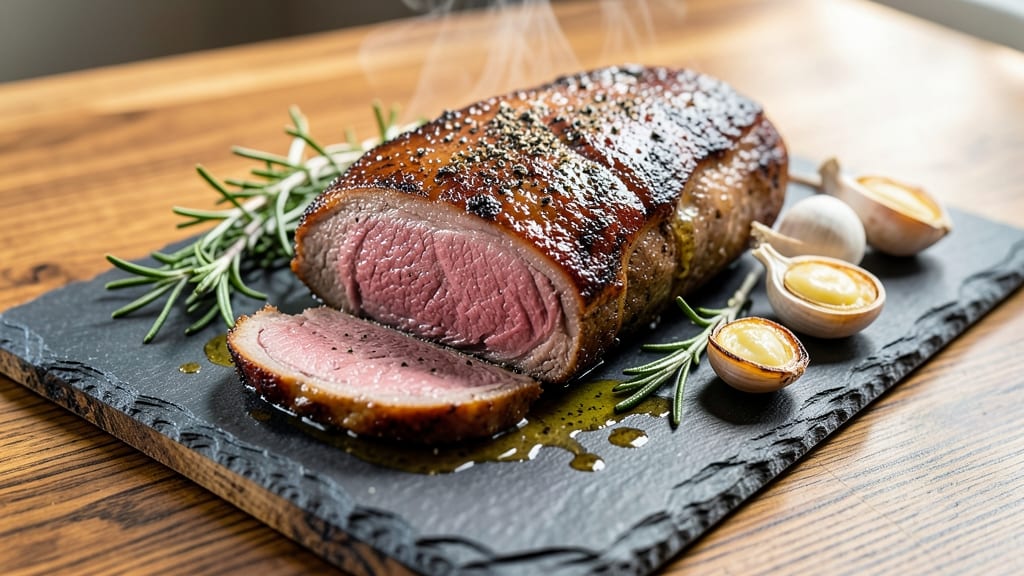
This Angus beef sirloin tip roast recipe delivers the perfect balance of a crispy, caramelized crust and juicy pink centers—the hallmark of a truly exceptional roast. The secret lies in the reverse-sear technique, which ensures even cooking while preserving that coveted tenderness.
After years of perfecting this method, I can confidently say this approach transforms a simple roast into a showstopping centerpiece for any dinner table.
What sets this recipe apart is the attention to detail from start to finish. We begin with a dry brine to enhance flavor and texture, followed by a precise reverse-sear that guarantees a perfect internal temperature every time.
The roast rests just as long as it cooks, allowing the juices to redistribute for maximum succulence. Whether you're serving it for a holiday feast or a special weekend dinner, this method delivers restaurant-quality results at home.
The final result is a roast with a deep mahogany crust that shatters under gentle pressure, revealing tender, pink centers that melt in your mouth. The reverse-sear technique ensures even cooking, eliminating the guesswork of traditional roasting methods.
This isn't just another beef roast recipe—it's a foolproof method that transforms a basic cut into a masterpiece.
Pair it with classic sides like roasted garlic mashed potatoes, caramelized onions, or a rich red wine reduction to elevate the dish even further. The beauty of this recipe lies in its versatility—it works just as well for a family dinner as it does for a celebratory meal.
Let's get started on creating your perfect roast.
Ingredients for angus beef sirloin tip roast
Six ingredients transform a simple roast into restaurant-quality perfection with juicy pink centers.
| Ingredient | Amount | Notes |
|---|---|---|
| Angus Beef Sirloin Tip Roast 🥩 | 4 lb | Center-cut, 1.5-inch thick |
| Kosher Salt 🧂 | 2 tbsp | Diamond Crystal preferred |
| Freshly Ground Black Pepper 🌶️ | 1 ½ tbsp | Coarsely cracked |
| Extra-Virgin Olive Oil 🫒 | ¼ cup | For crust development |
| Fresh Garlic Cloves 🧄 | 8 cloves | Smashed for dry brine |
| Fresh Rosemary Sprigs 🌿 | 4 whole | Heavy stems for aroma |
| Fresh Thyme Sprigs 🍃 | 4 whole | With leaves attached |
| Yellow Onion 🧅 | 1 whole | Thinly sliced for bed |
| Unsalted Butter 🧈 | ½ cup | Cold, cubed for sear |
| Heavy Cream 🥛 | ¼ cup | For basting |
| Red Wine 🍷 | ½ cup | Bold Cabernet Sauvignon |
| Beef Bone Broth 💧 | 1 cup | For pan sauce |
The beef is everything here. Angus sirloin tip from a trusted butcher—look for rich marbling and vibrant color. Costco or Whole Foods carry excellent cuts, but if you're at a regular grocery store, check the pre-cut roasts near the meat counter. The roast should be roughly 1.5 inches thick for even cooking. Fresh herbs matter too—rosemary and thyme from the grocery store's produce section should smell fragrant, not wilted. If you can't find fresh, dried works at one-third the amount, but fresh gives that restaurant-quality aroma.
No red wine? Dry sherry or beef broth with a splash of balsamic works beautifully. The butter must be cold for that perfect crust—take it straight from the fridge. For the garlic, smash the cloves with the side of your knife to release more flavor. The onions can be yellow or red—whatever's on sale. If you're short on time, pre-slice them while the roast rests. The bone broth should be homemade if possible, but high-quality store-bought like Kettle & Fire works in a pinch. And trust me on the heavy cream—it makes the pan sauce silky smooth.
This roast reheats beautifully—4-5 days in the fridge, 3 months frozen. For leftovers, slice against the grain and serve on toasted baguettes with extra pan sauce. The crust gets crispier as it sits, so cover loosely with foil to keep it warm. Portion the pan sauce into ice cube trays for quick reheating later. The dry brine can be prepped 12-24 hours ahead—just keep it covered in the fridge.
Why You'll Love This Recipe
- Five-Ingredient Magic: I swear by this—just sear the roast with olive oil, slap on crushed garlic, salt, and pepper, then let the oven do the work. That’s it. No fancy marinades or hours of prep.
- Rich Garlic Crust: The moment that caramelized garlic hits your tongue? Pure satisfaction. The roast develops a golden crust while staying juicy inside—like a hug from a steakhouse, but at home.
- Weeknight or Weekend: Between us, this cuts my grocery budget and my cooking time. Use half the roast for a family dinner, save the rest for sandwiches or tacos—no waste, all flavor.
- Leftovers That Beg for More: Honestly, I’ve reheated this roast three times and still crave it. Slice it thin for grain bowls, dice it into pasta, or serve it cold on toast—it’s that good, that reliable.
Step-by-step instructions for reverse-seared Angus beef sirloin tip roast
This method delivers a restaurant-quality crust with melt-in-your-mouth tenderness—every slice will be juicy and perfectly cooked.
Dry Brine the Roast for Maximum Flavor and Crust
Pat the 4 lb Angus Beef Sirloin Tip Roast completely dry with paper towels, removing any moisture from the surface. This step is non-negotiable—wet surfaces prevent proper crust formation. Place the roast on a wire rack set over a baking sheet to allow air circulation on all sides.
In a small bowl, combine the 2 tbsp Kosher Salt and 1.5 tbsp Freshly Ground Black Pepper. Generously coat the roast with this mixture, pressing it into the meat so it adheres evenly. Let the roast sit uncovered in the refrigerator for 12-24 hours. This dry brine process enhances flavor penetration and creates the perfect foundation for that coveted crust.
Low-Temperature Roast to Perfect Pink Center
Remove the roast from the refrigerator 1 hour before cooking to bring it to room temperature. Preheat your oven to 275°F—this low temperature ensures even cooking without overcooking the exterior. Place the roast on a wire rack in a roasting pan and insert a meat thermometer into the thickest part of the roast.
Roast until the internal temperature reaches 115°F—this is the "pink heart" stage where the meat remains tender and juicy. This typically takes 2-2.5 hours, but timing varies based on your oven. The key is patience; rushing this step will result in dry meat. Remove the roast from the oven and let it rest for 10 minutes before searing.
Create the Crust with Reverse Searing
While the roast rests, heat a large cast-iron skillet over high heat until it's screaming hot. Add 0.25 cup Extra-Virgin Olive Oil and let it shimmer for 1 minute. Add 0.5 cup Unsalted Butter, sliced 1 whole Yellow Onion, 8 cloves Fresh Garlic Cloves (smashed), 4 whole Fresh Rosemary Sprigs, and 4 whole Fresh Thyme Sprigs to the pan.
When the butter begins to foam and the aromatics sizzle, carefully place the roast in the skillet. Sear for 3-4 minutes per side until a deep golden-brown crust forms. The crust should be crispy and caramelized—this is your reward for the low-temperature roast. Remove the roast from the skillet and let it rest for another 10 minutes before slicing.
Deglaze and Make the Pan Sauce
Return the skillet with all the rendered juices to the stove over medium heat. Pour in the 0.5 cup Red Wine and scrape up all the browned bits from the bottom of the pan—this is where the flavor lives. Let the wine reduce by half, then add the 1 cup Beef Bone Broth and simmer for 5 minutes until slightly thickened.
Reduce heat to low and stir in the 0.25 cup Heavy Cream. Simmer for another 2-3 minutes until the sauce coats the back of a spoon. Taste and adjust seasoning with additional salt and pepper if needed. The sauce should be rich, velvety, and packed with umami from the roast's juices.
Slice and Serve with Sauce
Using a sharp carving knife, slice the roast against the grain into ½-inch thick slices. The meat should be tender enough to pull apart slightly with a fork, but still hold its shape. Arrange the slices on a warm platter and spoon the pan sauce generously over the top and around the plate.
Serve immediately with the crust intact—each bite should deliver that perfect contrast of crispy crust and juicy pink heart. The sauce should cling to every slice, enhancing the beef's natural richness. This method guarantees a roast that's impossible to resist, with every element working in harmony for a showstopping result.
Pro Tips For Making Angus Beef Sirloin Tip Roast
- Use a Meat Thermometer: The sirloin tip roast hides moisture—it’ll look done at 130°F but needs to hit 135°F for that perfect medium-rare bite. I learned this after slicing into a roast that was still tough as boot leather because I trusted the color over the temp.
- Pat Dry Like You Mean It: A damp roast won’t brown worth a damn. Grab paper towels and really dry the surface—no half-measures. After searing, the crust should be dark gold, not steamed. (Yes, even if you’re impatient like me.)
- Salt the Night Before: Angus beef absorbs salt like a sponge. Sprinkle kosher salt all over the roast 12–24 hours ahead, then refrigerate uncovered. This seasoning penetrates deeper, and the crust forms faster when you sear it later. Trust me, it’s worth the wait.
- Sear in Batches: A 3–4 lb roast won’t fit in most pans without crowding. Sear one side at a time—cutting corners here means gray, sad meat instead of a deep, caramelized crust. Use a heavy skillet and don’t rush it; let the oil get screaming hot before adding the roast.
Creative variations of this recipe
Herb-Crusted Twist
Swap the simple salt-and-pepper crust for a fragrant herb crust by mixing 2 tbsp Dijon mustard, 1 tbsp chopped fresh rosemary, 1 tbsp chopped fresh thyme, and 1 tsp smoked paprika with the 2 tbsp kosher salt.
Spread this mixture all over the roast after the dry brine, pressing it firmly into the meat. The mustard adds tang, while the herbs create an aromatic crust that pairs beautifully with the reverse-sear. 🌿
Red Wine Reduction Finish
For an extra-rich finish, deglaze the pan with ½ cup bold red wine (like Cabernet Sauvignon) after searing, then reduce it by half before adding 1 cup beef bone broth and ¼ cup heavy cream.
Simmer until the sauce thickens to a glossy consistency. This method captures all the fond from the sear, creating a sauce that’s deeply flavorful and perfect for drizzling over the sliced roast.
Spicy Chipotle Version
Infuse the roast with smoky heat by adding 1 tbsp adobo sauce (from canned chipotles) and ½ tsp ground cumin to the dry brine. After searing, finish the pan sauce with 1 tsp chipotle powder and a splash of orange juice for brightness.
This version adds a kick that’s balanced by the richness of the beef and the creaminess of the sauce. 🌶️
Garlic Butter Glaze
After reverse-searing, brush the roast with a mixture of ¼ cup melted butter, 3 minced garlic cloves, and 1 tbsp fresh parsley while it rests. Broil for 2-3 minutes to create a golden, caramelized glaze.
This adds a luxurious finish that’s especially impressive for holiday dinners. The glaze should be sticky and aromatic, enhancing the natural flavors of the beef.
Mushroom and Thyme Stuffing
For a more decadent version, stuff the roast with a mixture of 1 cup sliced cremini mushrooms, 2 tbsp chopped shallots, 1 tbsp fresh thyme, and 1 tbsp butter.
Sear the stuffing in the cast-iron skillet before adding the roast, then proceed with the reverse-sear. The mushrooms add an earthy depth that complements the beef beautifully, making every bite even more flavorful.
Beer-Braised Variation
Replace the red wine with ½ cup dark beer (like stout or porter) for the pan sauce. Simmer the beer with the bone broth and cream until reduced, then finish with 1 tsp Worcestershire sauce for umami.
This version adds a malty, rich depth that’s perfect for beer lovers. The beer’s caramel notes pair exceptionally well with the beef’s natural flavors.
Nutrition facts
Frequently asked questions
How long should I let the roast rest after cooking?
Always let the roast rest for 10-15 minutes after the reverse sear. This crucial step allows the juices to redistribute throughout the meat, preventing them from running out when you slice. The crust will stay intact while the interior remains perfectly tender.
Can I cook this roast without a meat thermometer?
While not ideal, you can estimate doneness by using the finger test for the low-temperature roast. Press your finger gently on the meat: if it feels like firm jelly, it's about 115°F (pink center). For the sear, watch for a deep golden-brown crust that's crispy to the touch. But a thermometer guarantees perfect results every time.
What's the best way to reheat leftovers?
Slice the roast first, then reheat in a skillet with 1 tbsp butter and 2 tbsp beef broth over medium-low heat for 3-4 minutes until warmed through. Never microwave—it makes the meat rubbery. The crust will crisp up again with this method. Leftovers keep for 4-5 days in the fridge.
Why does my crust keep cracking or falling off?
This usually happens when the roast isn't completely dry before seasoning or if the oven isn't hot enough during searing. Pat the meat extra dry with paper towels, and make sure your cast-iron skillet is screaming hot before adding the roast. Also, don't overcrowd the pan—leave space for proper browning.
What's the ideal doneness temperature for medium-rare?
For medium-rare with juicy pink centers, aim for an internal temperature of 125-130°F. The reverse-sear method lets you achieve this perfectly—start with 115°F for the low-temperature roast, then sear until the crust reaches 130-135°F. This gives you that ideal 10°F carryover for medium-rare doneness.