
Tips
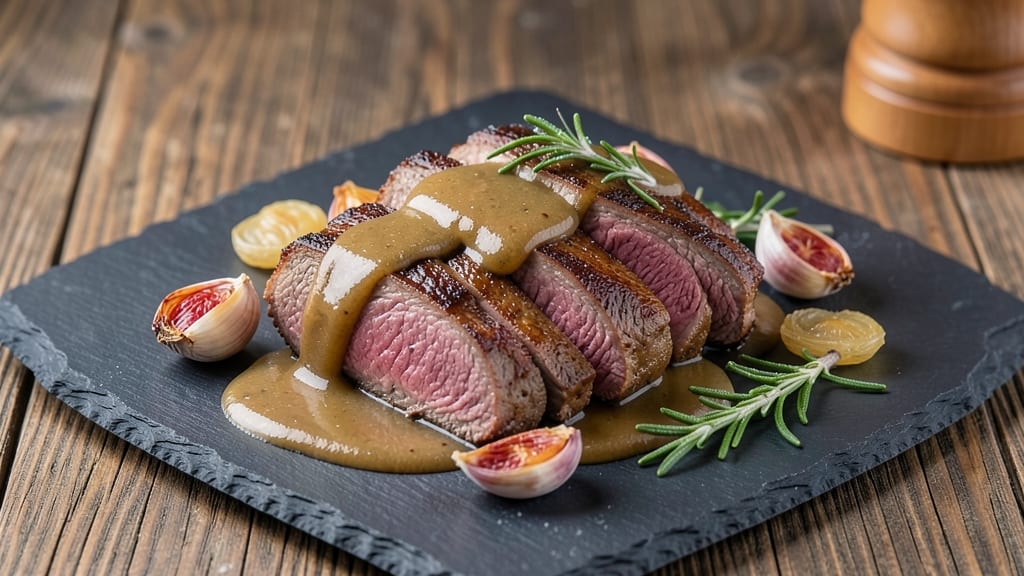
This Angus beef tip roast recipe delivers restaurant-quality results with a perfectly seared crust and juicy pink centers—the secret lies in reverse-searing and precise timing. 🔥 What makes this cut special is its marbling, which melts into tender, flavorful meat when cooked low and slow before finishing with a high-heat sear.
The process starts with a simple seasoning blend (salt, pepper, and garlic powder) that enhances the beef's natural richness without overpowering it. After roasting to an internal temperature of 115°F, the crust is finished in a screaming-hot pan for maximum flavor and texture contrast.
What you'll end up with is a tender, melt-in-your-mouth roast that's ideal for special occasions or family dinners. The reverse-sear method ensures even cooking while preserving moisture, resulting in a dish that's both impressive and foolproof.
Serve with classic sides like roasted potatoes, caramelized onions, or a rich red wine reduction. Let's get started on creating this showstopper.
Ingredients for angus beef tip roast
Six ingredients deliver restaurant-quality beef tip roast with melt-in-your-mouth tenderness and perfect crust.
| Ingredient | Amount | Notes |
|---|---|---|
| Angus Beef Tip Roast 🥩 | 4 lb | Center-cut, 1.5-2 inches thick |
| Kosher Salt 🧂 | 1 ½ tsp | Diamond Crystal preferred |
| Freshly Ground Black Pepper 🌶️ | 1 tsp | Coarse grind for texture |
| Garlic Powder 🧄 | 1 tsp | Freshly ground preferred |
| Extra-Virgin Olive Oil 🫒 | 2 tbsp | High smoke point for searing |
| Unsalted Butter 🧈 | 2 tbsp | Cold for crust development |
| Fresh Rosemary 🌿 | ¼ cup | Finely chopped, stems removed |
| Fresh Thyme 🌿 | ¼ cup | Leaves only, finely chopped |
| Yellow Onion 🧅 | 1 whole | Thinly sliced for caramelization |
| Garlic Cloves 🧄 | 6 cloves | Minced for aromatics |
| Red Wine 🍷 | ½ cup | Bold dry variety like Cabernet |
| Beef Bone Broth 🥄 | 1 cup | Homemade or high-quality store-bought |
| Balsamic Vinegar 🍶 | 1 tbsp | For depth of flavor |
| Fresh Parsley 🌿 | ⅛ cup | Chopped for garnish |
The Angus beef tip roast is the star—look for center-cut pieces with generous marbling at Costco or specialty butchers. A 1.5-2 inch thickness ensures even cooking. Fresh herbs like rosemary and thyme elevate the dish; Whole Foods or local farmers' markets offer the most aromatic varieties. For the wine, bold dry reds like Cabernet Sauvignon or Merlot work best—whatever's open in your fridge. The bone broth should be rich and flavorful, so avoid the low-sodium versions unless you're adding extra seasoning.
No fresh rosemary? Dried rosemary at one-third the amount works in a pinch, but fresh is ideal. Substitute white wine for red if needed, though the flavor will differ slightly. For the butter, European-style unsalted like Plugrá melts beautifully. The balsamic vinegar adds depth—aged balsamic is worth the investment for a richer taste. If you can't find beef bone broth, chicken or vegetable broth with a splash of soy sauce mimics the umami. The parsley is purely for garnish, so feel free to skip if you're short on time.
The roast keeps best at room temperature for up to 2 hours before cooking, so plan ahead. After searing, it reheats beautifully—15 minutes at 300°F restores moisture. Store leftovers in an airtight container in the fridge for 3-4 days or freeze for up to 3 months. For extra convenience, portion into individual servings before freezing. The herb garnish wilts quickly, so add it right before serving for maximum freshness.
Why You'll Love This Recipe
- Let’s be real: most roasts turn into sad, dry mystery meat the next day. Not this one. The Angus tip stays tender, and the crust? Still crispy if you reheat it right. I make a double batch on purpose—sandwiches, salads, or reheated with a fried egg on top. Zero waste, all flavor.
- Minimal Prep Needed: I swear, this roast is about as hands-off as beef gets—just a quick sear in olive oil, a sprinkle of salt and pepper, and garlic powder rubbed in. No fancy marinades, no chopping, no stress. The beef practically cooks itself while you sip wine and pretend you’re a sous chef.
- Rich, Simple Magic: That first bite? Unreal. The crust from the olive oil sear locks in the juices while the garlic powder adds a warm, earthy depth that makes it taste like you slaved for hours. Honestly, I’ve tried fancier rubs, but this combo is my secret weapon—no overpowering spices, just pure, satisfying beef flavor.
- Weeknight or Weekend Star: Between us, this roast works everywhere. Toss it on the table for a lazy Sunday dinner, slice it for sandwiches all week, or serve it at your next potluck—no one will guess it’s this unfussy. I’ve even used leftovers for breakfast tacos (yes, really) and no one judged me.
Step-by-step instructions for perfectly reverse-seared Angus beef tip roast
Master this technique for a restaurant-quality roast with a deep mahogany crust and tender pink centers.
👨🍳 Step 1: Prep and Season the Roast for Even Cooking
Remove the 4 lb Angus Beef Tip Roast from the refrigerator and pat it completely dry with paper towels—this is crucial for developing that perfect crust. I like to use two layers of paper towels and really press down to remove all moisture from the surface and in any crevices.
Place the roast on a wire rack set over a rimmed baking sheet. This elevation allows heat to circulate evenly around all sides. In a small bowl, combine 1.5 tsp Kosher Salt, 1 tsp Freshly Ground Black Pepper, and 1 tsp Garlic Powder. Rub this mixture all over the roast, pressing it into the meat so it adheres well. Let the seasoned roast sit at room temperature for 30 minutes—this ensures even cooking throughout.
🔥 Step 2: Low-Temperature Roast Until Medium Rare
Preheat your oven to 275°F. Place the seasoned roast in the oven and roast for 3-3.5 hours until the internal temperature reaches 120-125°F when measured with a meat thermometer in the thickest part. I check the temperature about 15 minutes before the estimated time to avoid overcooking.
The key here is patience—this slow cooking method breaks down the connective tissue while keeping the meat incredibly tender. Don't be tempted to peek at the roast or open the oven door during this process, as every time you do, you lose heat and extend the cooking time. The roast should look slightly browned but not deeply colored at this stage.
🍳 Step 3: Build the Searing Pan and Caramelize Aromatics
While the roast cooks, prepare your searing station. Heat 2 tbsp Extra-Virgin Olive Oil and 2 tbsp Unsalted Butter in a large oven-safe skillet over medium-high heat until the butter foams and the oil shimmers. In a separate pan, caramelize 1 whole Yellow Onion (thinly sliced) and 6 cloves Garlic Cloves (minced) until golden brown—this should take about 10-12 minutes. Remove from heat and set aside.
In the same skillet, add 0.25 cup Fresh Rosemary and 0.25 cup Fresh Thyme (finely chopped) and let them sizzle for 30 seconds until fragrant. Pour in 0.5 cup Red Wine and scrape up all the browned bits from the bottom of the pan—this creates a flavorful fond that will form the base of your sauce. Simmer for 3-4 minutes until reduced by half.
🔥 Step 4: Reverse Sear for Crispy Crust and Juicy Centers
Once the roast reaches 120-125°F, remove it from the oven and let it rest for 10 minutes. Meanwhile, increase your oven temperature to 450°F. Place the roast in the preheated skillet (with the herb-infused butter and oil) and sear for 8-10 minutes, turning occasionally, until it develops a deep mahogany crust.
Here's where the magic happens: the high heat creates that coveted crust while the interior remains perfectly pink and juicy. You'll know it's ready when the crust is deep brown and almost black in spots, and the internal temperature reaches 130-135°F. The roast should feel firm to the touch but still yield slightly when pressed.
🥘 Step 5: Finish with Bone Broth and Rest
Remove the roast from the skillet and transfer it to a cutting board. Pour 1 cup Beef Bone Broth and 1 tbsp Balsamic Vinegar into the skillet, scraping up all the browned bits. Let this simmer for 3-4 minutes until slightly reduced. The sauce should coat the back of a spoon with a glossy sheen.
Slice the roast against the grain into ½-inch thick slices and arrange on a platter. Spoon the reduced sauce over the top and garnish with 0.125 cup Fresh Parsley (chopped). Let the roast rest for 5 minutes before serving—this allows the juices to redistribute, ensuring every bite is moist and flavorful. Serve immediately with the caramelized onions and garlic for maximum impact.
Pro Tips For Making Angus Beef Tip Roast
- Sear First, Roast Slow: After burning three batches of beef tip, I learned to sear it hard in a screaming-hot pan with olive oil for 3-4 minutes per side before moving it to the oven. That crust locks in flavor and keeps the meat from drying out—no more tough, gray roasts.
- Salt Like It’s 1950: Angus beef tip is lean and needs serious seasoning. Salt it generously 12-24 hours ahead—about 1 teaspoon per pound—and don’t skimp on the black pepper either. The meat absorbs the salt better overnight, and the pepper gets ground into the surface for maximum bite.
- Skip the Thermometer? Don’t.: I used to eyeball doneness, and my roast always ended up either raw in the center or overcooked. For medium-rare, pull it at 130°F internal temp—Angus tip roast is forgiving, but it’ll keep rising 5-10°F while resting. Let it rest 10 minutes under foil before slicing, or you’ll lose all that juicy goodness.
- Use Garlic Powder Right: Fresh garlic burns easily with high-heat searing, so stick to garlic powder here—sprinkle it after searing while the pan’s still hot. The powder sticks better to the crust, and you won’t end up with a bitter, charred bottom. A pinch of extra virgin olive oil afterward helps it bloom into flavor.
Make-ahead tips for this recipe
Prep Ahead
Season your 4 lb Angus Beef Tip Roast up to 24 hours in advance and store it uncovered in the fridge. This dry-brining method enhances flavor and creates a better crust. I like to place it on a wire rack in a baking sheet for maximum airflow. 🌡️
Slow Cooking
For maximum convenience, start the low-temperature roast the night before. Cook at 275°F until reaching 120-125°F internal temperature, then refrigerate overnight. The next day, simply reverse-sear to finish—this cuts your active cooking time by 3 hours while delivering identical results.
Sauce Prep
Make the red wine reduction sauce ahead of time and store it in an airtight container in the fridge for up to 3 days. Reheat gently over low heat and reduce by half before serving.
I often prepare this while the roast cooks low and slow—it's ready when you need it for the final step.
Portioning
Slice the roast into ½-inch thick portions and store them in a single layer on a tray before freezing. Once frozen, transfer to airtight containers or freezer bags with 1 inch headspace.
This prevents freezer burn and makes reheating individual portions effortless—just 15 minutes at 300°F restores moisture perfectly. ❄️
Herb Garnish
Chop all fresh herbs (rosemary, thyme, parsley) and store them in separate airtight containers in the fridge for up to 5 days. Add them to the sauce or garnish just before serving to maintain freshness and vibrant color.
I keep chopped parsley in a small jar with a splash of water—it stays crisp for days.
Side Dish Prep
Caramelize the yellow onion and garlic ahead of time and store them in a sealed container at room temperature for up to 4 days. Reheat gently in a pan before serving to restore their crisp texture.
This saves 15 minutes of active cooking on the day of your meal. 🧅
Nutrition facts
Frequently asked questions
What's the difference between a beef tip roast and other cuts like ribeye or sirloin?
The beef tip roast comes from the shoulder area and offers a perfect balance of tenderness and flavor. Unlike ribeye (which has more marbling but can be fattier), or sirloin (leaner but tougher), the tip roast has just enough connective tissue to develop rich flavor when cooked low and slow, while staying tender when sliced thin. It's also more budget-friendly than prime cuts like ribeye but delivers similar results when prepared properly.
Can I cook this recipe without a meat thermometer?
You can try, but it's risky! For the low-temperature roast, aim for 3-3.5 hours at 275°F and check doneness by inserting a knife into the thickest part—it should feel very soft but still slightly springy. For the reverse sear, cook until the crust is deep mahogany brown (about 8-10 minutes). However, a $20 instant-read thermometer gives you precise control for perfect results every time.
How do I adjust cooking time if my roast is thicker or thinner than 4 lbs?
For every additional pound, add 30-45 minutes to the low-temperature roast time. Thinner cuts (1.5 inches) may cook 15-20 minutes faster at 275°F. Always use a meat thermometer—aim for 120-125°F internal temp before reverse searing. The reverse sear time remains roughly the same (8-10 minutes) regardless of size, as it's about developing crust, not cooking through.
What's the best way to reheat leftover beef tip roast?
Slice the roast into ½-inch portions and reheat in a 300°F oven for 15 minutes with a splash of beef broth to restore moisture. For quick reheating, use the microwave on 50% power for 20-30 seconds per slice, then let rest 1 minute before serving. Avoid high heat—it dries out the meat. The reverse-sear method actually makes leftovers reheat better than traditional roasting!