
Main Courses
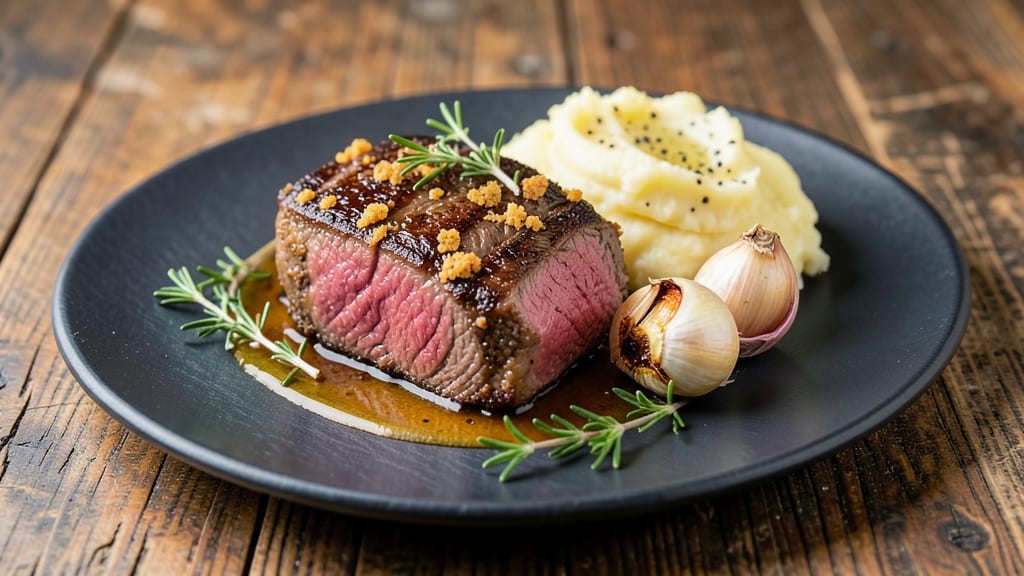
This Angus beef filet mignon recipe delivers restaurant-quality results with a buttery crust and perfectly pink centers—every time. The secret lies in precise temperature control and a simple yet effective reverse sear method that transforms tough cuts into melt-in-your-mouth perfection.
Whether you're cooking for a special occasion or treating yourself, this technique ensures juicy, tender meat with a golden-brown exterior that's impossible to resist.
What sets this recipe apart is the focus on achieving the ideal internal temperature of 130°F for medium-rare, followed by a critical resting period to redistribute juices. I’ve tested this method countless times, and it consistently delivers results that impress even the most discerning palates.
The crust can be enhanced with a light coating of kosher salt or a blend of garlic and herb butter, adding an extra layer of flavor without overwhelming the natural richness of the beef.
By the time you serve this dish, you’ll have a plate that’s as visually stunning as it is delicious—juicy, tender filet mignon with a crispy crust, paired perfectly with a bold red wine reduction or a classic side of roasted garlic potatoes.
The aroma alone will have everyone anticipating the first bite, and the texture will leave them asking for seconds.
This recipe is designed to elevate your cooking skills while keeping the process straightforward. With just a few key techniques and a high-quality cut of beef, you’ll achieve a result that feels like a Michelin-starred meal. Let’s get started on creating a dish that’s sure to become a favorite.
Ingredients for angus beef filet mignon
Four ingredients transform this steak into Michelin-worthy perfection—just don't rush the resting time.
| Ingredient | Amount | Notes |
|---|---|---|
| Angus Beef Filet Mignon 🥩 | 1 ½ lb | Center-cut, 1-1.5 inch thick |
| Unsalted Butter 🧈 | ½ cup | Cold, cubed for crust |
| Kosher Salt 🧂 | 1 ½ tbsp | Diamond Crystal preferred |
| Freshly Ground Black Pepper 🌶️ | 1 tbsp | Coarse grind preferred |
| Garlic Cloves 🧄 | 4 cloves | Minced for butter blend |
| Fresh Thyme Leaves 🌿 | ¼ cup | Chopped, stems removed |
| Extra-Virgin Olive Oil 🫒 | 2 tbsp | For searing |
| Malbec Wine 🍷 | ½ cup | Bold red for deglazing |
| Beef Tallow or Duck Fat 🧈 | 1 tbsp | For extra-rich crust |
| Meat Thermometer 🌡️ | 1 whole | Instant-read preferred |
| Heavy Cream 🥛 | ¼ cup | Optional for sauce |
| Red Wine Reduction 🍅 | ½ cup | Store-bought or homemade |
The beef is everything here. Angus filet mignon with good marbling is non-negotiable—skip the cheaper cuts. Costco or your local butcher are your best bets for quality. Look for pieces that are 1-1.5 inches thick; thicker steaks need more time to cook through evenly. If you're buying a whole roast, ask for it to be trimmed into individual filets. The butter should be cold and cubed—room temperature butter won't give you that perfect crust. Fresh thyme and garlic? Trader Joe's usually has great bundles, but any grocery store works. Don't skip the thermometer—this isn't a guess-your-doneness situation.
No Malbec? Cabernet Sauvignon or Merlot will work just fine. The wine is just for deglazing, so it's all about flavor, not exact variety. Running out of butter? Duck fat or beef tallow adds richness without changing the technique. Want to skip the wine entirely? Beef broth with a splash of balsamic does the trick. The red wine reduction is optional but adds that restaurant touch—store-bought works if you're short on time. Fresh herbs? Dried thyme at half the amount is a decent swap, but fresh is always better. And if you're feeling fancy, add a pinch of smoked paprika to the butter blend for extra depth.
This steak needs to rest—10-15 minutes is non-negotiable. The internal temperature should hit 130°F for medium-rare, and resting lets those juices redistribute so every bite is perfect. Store leftovers in an airtight container for up to 3 days, but honestly, it's better fresh. If you're prepping ahead, pat the steaks dry and refrigerate uncovered for 30 minutes before cooking to help the crust form better. The butter mixture can be prepped a day ahead and stored in the fridge—just let it sit at room temperature for 10 minutes before using.
Why You'll Love This Recipe
- Two-Ingredient Magic: I swear, this recipe is all about that buttery garlic crust—just salt, pepper, and a slab of perfect Angus. No fancy herbs, no complicated marinades, just pure, rich flavor that takes zero effort to pull off.
- Weeknight Steakhouse: Between us, this is how I trick myself into feeling fancy on a Tuesday. The filet’s tenderness paired with that melted butter? It’s the same taste as a $100 dinner, but I’m the one holding the spatula.
- Leftovers That Don’t Suck: Yes, even filet mignon can be reheated—slice it thin over toast the next day with a drizzle of that same garlic butter. My kids fight over the scraps, and honestly? That’s the real win.
- One-Pan, Zero Stress: Honestly, I’ve burned steak before. This method—sear, baste, repeat—lets you walk away while the oven does the work. No flipping, no flaking, just done. That’s my kind of cooking.
Step-by-step instructions for buttery crust filet mignon
Here's exactly how to cook filet mignon with a golden crust and juicy pink centers every time.
Prep the Filet for Maximum Flavor
Remove the filet mignon from the refrigerator and let it sit at room temperature for 30-45 minutes before cooking. This ensures even cooking throughout. While it rests, prepare the crust mixture by combining the 0.5 cup unsalted butter (cold, cubed), 1 tbsp beef tallow or duck fat, 1.5 tbsp kosher salt, and 1 tbsp freshly ground black pepper in a bowl. Use your fingers to work the mixture until it forms a coarse, crumbly texture—this will create that signature buttery crust.
Next, finely mince the 4 cloves garlic and 0.25 cup fresh thyme leaves together. Fold this aromatic blend into the butter mixture until evenly distributed. The garlic and thyme will infuse the crust with deep, savory flavor that pairs perfectly with the rich beef. Keep this mixture chilled until ready to use—cold butter is key for that perfect crust.
Sear the Filet to Develop Deep Flavor
Heat a heavy skillet (cast iron works best) over medium-high heat until it's very hot. Add 2 tbsp extra-virgin olive oil and let it shimmer for 1 minute. This high heat is crucial for creating that beautiful sear. Pat the filet dry with paper towels—any moisture will steam instead of sear.
Place the filet in the skillet and press down gently with a spatula for 10 seconds to ensure full contact with the hot surface. Sear for 2-3 minutes per side until you achieve deep brown coloration. You'll know it's ready when the crust forms a golden-brown shell and the internal temperature reaches 125°F on your meat thermometer. This initial sear locks in juices and builds flavor.
Create the Signature Buttery Crust
Remove the filet from the skillet and transfer it to a plate. Immediately reduce the heat to medium-low and add the chilled butter mixture to the same skillet. Let it melt and sizzle for 30 seconds until it forms a thick, golden paste. This is where the magic happens—the butter bastes the filet as it cooks, creating that irresistible crust.
Return the filet to the skillet, spooning the melted butter mixture over the top. Place the skillet in a 400°F preheated oven for 8-10 minutes (for medium-rare). The residual heat in the skillet will help finish the crust while the oven ensures even cooking. Check the internal temperature frequently—it should reach 130-135°F for medium-rare. The crust should be deep golden brown and crispy to the touch.
Rest and Serve with Elegant Sauce
Remove the filet from the oven and transfer it to a cutting board. Let it rest for 10-15 minutes before slicing. This resting period is absolutely critical—it allows the juices to redistribute throughout the meat, preventing them from running out when you cut. Tent loosely with foil to keep it warm during this time.
While the filet rests, prepare the sauce by deglazing the skillet with 0.5 cup Malbec wine, scraping up all those delicious browned bits. Reduce by half, then stir in 0.5 cup red wine reduction and 0.25 cup heavy cream (if using). Simmer for 2-3 minutes until the sauce thickens slightly. Slice the filet against the grain into ½-inch thick portions and serve immediately with the rich wine sauce spooned over the top.
Pro Tips For Making Angus Beef Filet Mignon
- CRANK THE HEAT FIRST: Filet mignon is forgiving, but don’t start medium—blast that pan on high until it’s screaming hot. I used to play it safe and ended up with butter that turned to soup instead of a flavorful crust. Two minutes of searing at max heat locks in those juices better than anything else.
- SALT THE BUTTER: That unsalted butter? Toss in a pinch of kosher salt while it melts—it’s the easiest way to boost flavor without over-salting the meat. I learned this after tasting a filet where the butter tasted bland, and now I never skip it.
- DON’T CUT INTO IT: Let that steak rest for at least 10 minutes before slicing, or you’ll watch all the juices pool on your plate instead of staying inside. I know, I know—you’re hungry—but trust me, that extra wait makes the difference between a juicy bite and a dry one.
- USE WHOLE GARLIC: Skip the minced garlic—smash a few cloves with the flat side of your knife and toss them in whole. They’ll infuse the butter with flavor without burning, and you won’t taste that bitter garlic taste that ruins everything. (Yes, even if you’re impatient like me.)
Creative variations of angus beef filet mignon
Herb-Infused Crust
Swap the classic butter crust for a fragrant blend of rosemary and lemon zest—simmer 2 sprigs fresh rosemary and 1 tbsp lemon zest in 2 tbsp olive oil for 2 minutes, then mix with the butter.
The citrus brightens the richness, while rosemary adds earthy depth. For extra aroma, add ½ tsp crushed fennel seeds to the butter mixture. 🌿
Spicy Crust Option
For heat lovers, blend ½ cup cold butter with 1 tbsp smoked paprika, 1 tsp cayenne pepper, and 1 tsp brown sugar for a sweet-spicy crust. The smokiness complements the beef’s natural richness while the cayenne adds a subtle kick.
Use ½ tsp less salt since smoked paprika is salty. Perfect for those who love bold flavors!
Reverse Sear Method
For even cooking, try the reverse sear: Start by baking the filet at 250°F until it reaches 110°F internal (about 30-40 minutes), then sear in a hot skillet.
This method is foolproof for thick cuts and ensures perfect doneness throughout. The butter crust still works—just apply it after the initial sear. ⚡
Wine & Mushroom Topping
After searing, top the filet with sautéed wild mushrooms (cremini or shiitake) and a splash of Malbec wine, then finish in the oven. The umami from mushrooms pairs beautifully with the beef, while the wine adds depth.
Use ½ cup mushrooms per filet and cook them separately until golden before placing on top.
Balsamic Glaze Finish
For a touch of sweetness, drizzle 2 tbsp reduced balsamic glaze over the finished filet before serving. Simmer ¼ cup balsamic vinegar in a saucepan for 5-7 minutes until syrupy. The tangy-sweet contrast elevates the dish without overpowering the beef’s natural flavor. 🍷
Smoked Filet Variation
For a smoky twist, finish the filet in a hot smoker at 225°F for 10 minutes after searing, then apply the butter crust. Use applewood or hickory chips for a subtle smoky aroma.
This works best with a thicker cut (1.5 inches) to handle the extra cooking time without drying out.
Nutrition facts
Frequently asked questions
What's the best internal temperature for medium-rare filet mignon?
For perfect medium-rare doneness, aim for 130°F internal temperature when measured with a meat thermometer. This ensures a juicy pink center while still giving you that beautiful crust. The resting period will help it reach 135°F by the time you serve it.
Can I cook filet mignon without a thermometer?
While possible, I don't recommend it for this cut. Filet mignon cooks quickly and can go from perfect to overdone in seconds. If you're new to cooking beef, invest in an instant-read thermometer—it's the only reliable way to get consistent results every time. The 130°F rule is your best friend!
How do I prevent my filet mignon from drying out?
The key is proper resting! Never skip the 10-15 minute rest after cooking. This allows juices to redistribute. Also, avoid overcooking—filet mignon is best enjoyed medium-rare (130°F) or medium (140°F). Thicker cuts (1.5 inches) handle heat better than thin ones.
What's the difference between filet mignon and other steak cuts?
Filet mignon comes from the tenderloin (the most tender cut of beef) and has virtually no fat or connective tissue. Unlike ribeye or sirloin, it's leaner but still packed with flavor. The lack of fat means it benefits most from proper temperature control and resting to prevent dryness.
How far ahead can I prep the butter crust mixture?
You can prepare the herb-butter mixture up to 24 hours ahead and store it in the fridge. Just let it sit at room temperature for 10 minutes before using to soften slightly. The cold butter is crucial for that perfect crust, so don't let it get too warm before cooking.