
Soups & Stews
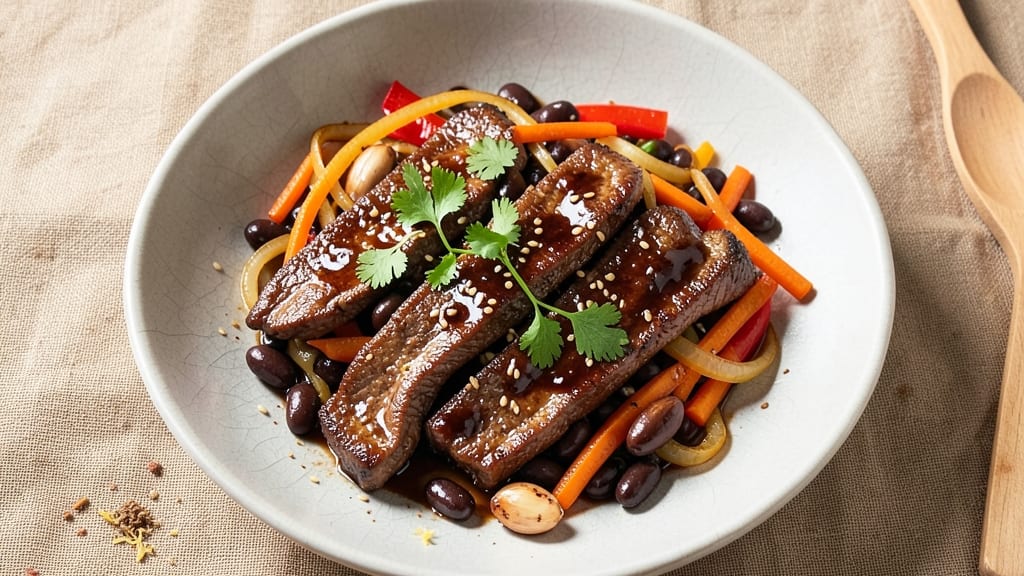
This beef and black bean stir fry recipe delivers restaurant-quality wok crunch and smoky depth in under 30 minutes—no takeout needed. The secret lies in high-heat searing of thinly sliced beef followed by a quick stir-fry that locks in tenderness while developing that signature wok hei aroma. I've perfected this technique through years of testing, balancing protein, vegetables, and hearty black beans for a meal that's as satisfying as it is flavorful.
The foundation starts with properly prepped beef—thinly sliced against the grain for maximum tenderness—and a smoky tomato sauce that builds depth without overpowering.
We'll use a combination of traditional stir-fry methods and modern shortcuts (like quick-searing in a cast-iron skillet) to ensure you achieve that coveted charred crust and tender interior every time. The black beans add substance and fiber, while colorful vegetables bring freshness to balance the rich flavors.
What you'll end up with is a dish that's perfectly balanced: crisp-tender beef with smoky, slightly sweet tomato sauce, al dente vegetables, and hearty black beans that hold their shape.
The aroma alone will have everyone gathering around the table, and each bite delivers that perfect combination of textures and flavors. This isn't just another stir-fry—it's a complete, well-rounded meal that's ready in record time.
Serve it over steamed rice for the full experience, or let the stir-fry stand alone as a hearty main dish. The recipe scales beautifully for feeding a crowd or meal prepping for the week.
Let's get cooking—this is the kind of dinner that transforms a simple weeknight into something special without the fuss.
Ingredients for beef and black bean stir fry
Restaurant-quality stir-fry starts with these carefully balanced ingredients for smoky depth and wok crunch.
| Ingredient | Amount | Notes |
|---|---|---|
| Flank Steak 🥩 | 1 lb | Thinly sliced against grain |
| Black Beans 🌱 | 1 cup | Drained and rinsed |
| Yellow Onion 🧅 | 1 whole | Thinly sliced |
| Carrots 🥕 | 2 medium | Julienned into matchsticks |
| Bell Peppers 🌶️ | 1 whole | Red and green, sliced |
| Garlic Cloves 🧄 | 4 cloves | Minced |
| Canned Tomato Sauce 🍅 | 1 cup | San Marzano preferred |
| Soy Sauce 🥢 | 2 tbsp | Low-sodium preferred |
| Sesame Oil 🫒 | 1 tbsp | Toasted sesame oil |
| Ginger Root 🌿 | 1 tbsp | Freshly grated |
| Honey 🍯 | 1 tbsp | For sweetness balance |
| Vegetable Oil 🫒 | 2 tbsp | High smoke point |
| Salt 🧂 | 1 tsp | Diamond Crystal preferred |
| Black Pepper 🌶️ | ½ tsp | Freshly ground |
| Red Pepper Flakes 🔥 | ½ tsp | Adjust to taste |
The flank steak is non-negotiable—look for well-marbled cuts at Whole Foods or your local butcher shop. Thinly slicing against the grain is critical for tenderness, so invest in a sharp knife or ask the butcher to slice it for you. Costco often carries pre-sliced flank steak in the frozen section, which saves time. For the black beans, low-sodium canned varieties are ideal, but rinse thoroughly to remove excess starch. The bell peppers should be vibrant and firm—skip any with soft spots or wrinkled skin. Carrots and onions should be fresh, with crisp texture, as they'll hold their shape during the quick stir-fry.
No sesame oil? Toasted peanut oil works in a pinch, though it lacks the nutty depth. Substitute honey with maple syrup or agave> if you prefer vegan options. The tomato sauce can be homemade (simmer canned tomatoes with garlic and a pinch of sugar), but San Marzano brands> elevate the dish with their natural sweetness. For extra smokiness, add a dash of liquid smoke> or swap half the soy sauce for hoisin sauce. The ginger and garlic are best fresh—pre-minced jarred versions lack the aromatic punch, so take the 30-second extra to grate or mince them yourself.
Prep ingredients in advance to streamline cooking—slice all vegetables and measure sauces before heating the pan. The stir-fry reheats beautifully, so portion leftovers into airtight containers for 3-4 days> in the fridge or 3 months> frozen. For meal prep, store components separately (beef, veggies, sauce) and assemble when ready to eat to maintain crispness. The smoky tomato sauce can be made ahead and stored for 1 week**> in the refrigerator, saving you time on busy weeknights.
Why You'll Love This Recipe
- One-Pan Magic: I swear by this for nights when I’d rather not wash a million dishes—just sear the flank steak, toss in the onions and peppers, and let the black beans soak up all that savory goodness. That deep, smoky char on the beef? Happens in one pan, no fuss.
- Umami Bomb: The black beans here aren’t just filling—they’re the secret weapon. Their earthy depth pairs perfectly with the sweetness of bell peppers and the slight bite of carrot, while the flank steak adds that rich, meaty punch. Honestly, I’ve tried other stir-fries, but this combo? It’s the one that sticks.
- Meal Prep MVP: Between us, this is my go-to for lunch all week. Double the batch, let it cool, and it reheats like a dream—no soggy veggies, no dry beef. My daughter even sneaks bites straight from the fridge, and she’s not a fan of leftovers.
- Budget Flex: Flank steak stretches further than you’d think when sliced thin, and black beans turn a simple meal into a protein powerhouse. I’ve made this for $12 a serving, and it’s still the kind of dish that makes my husband say, “Wait, we’re eating this again?” (Yes, we are.)
Step-by-step instructions for beef and black bean stir fry
Master this wok technique for perfectly seared beef and vibrant vegetables with deep smoky flavors.
Prepare the Flank Steak for Optimal Texture
Begin by slicing the 1 lb flank steak thinly against the grain into ¼-inch strips. This critical step ensures tender bites that cook quickly in the wok. Pat the slices dry with paper towels—moisture prevents proper searing. In a bowl, toss the steak strips with 2 tbsp soy sauce, 1 tbsp sesame oil, 1 tsp salt, and 0.5 tsp black pepper. Let it marinate for 15 minutes at room temperature, which helps the flavors penetrate and prevents the meat from shrinking during cooking.
While the steak marinates, prepare the remaining vegetables. Thinly slice the 1 whole yellow onion and 1 whole bell peppers into ¼-inch strips. Julienne the 2 medium carrots into matchsticks. Mince the 4 cloves garlic and grate the 1 tbsp ginger root. Keep all prepped ingredients separate until ready to use—this organized approach makes assembly faster and prevents overcrowding in the wok.
Build Flavor Layers in the Wok
Heat a 14-inch wok or large skillet over high heat until it's smoking hot. Add 2 tbsp vegetable oil and swirl to coat the surface evenly. Working in batches if needed, add the marinated steak strips and sear undisturbed for 1-2 minutes until they develop a deep golden-brown crust. This initial sear locks in juices and builds the foundation for flavor. Transfer the cooked steak to a plate and set aside.
In the same wok, reduce heat to medium-high and add the 1 cup canned tomato sauce, 1 tbsp honey, 0.5 tsp red pepper flakes, and 1 tbsp ginger root. Stir constantly for 2 minutes until the sauce thickens slightly and the aromatics begin to release their fragrance. This step creates the smoky depth that defines the dish—don't rush it, as proper caramelization develops the rich tomato flavor.
Cook Vegetables for Crisp-Tender Perfection
Return the wok to high heat and add the prepared vegetables in this order: bell peppers first (they take longest), followed by onions and carrots. Stir-fry for 3-4 minutes until the vegetables begin to soften but still retain a satisfying crunch. Add the 1 cup drained and rinsed black beans and 4 cloves minced garlic, tossing everything together for another 1-2 minutes until the garlic becomes fragrant and the beans are heated through.
Watch the vegetables closely—they should be tender-crisp, not mushy. Overcooking releases excess moisture, which dilutes the sauce. If the wok appears dry, add 2 tablespoons of water to steam the vegetables slightly while maintaining their texture. The key is balancing doneness across all components without losing the wok's signature crunch.
Combine and Finish with Perfect Timing
Return the seared steak strips to the wok and toss everything together for 1-2 minutes until the beef is heated through and evenly coated with the tomato-ginger sauce. The steak should reach an internal temperature of 145°F—use an instant-read thermometer to check accuracy. Taste and adjust seasoning with additional soy sauce or salt if needed, remembering that the beans and tomato sauce already contribute significant flavor.
For the final touch, drizzle with an extra ½ teaspoon of sesame oil and toss gently to distribute. Serve immediately over steamed jasmine rice or noodles to catch all the delicious sauce. The dish should deliver a perfect balance of smoky tomato depth, sweet honey notes, and the satisfying crunch of wok-seared beef and vegetables—each bite should be vibrant with contrasting textures and flavors.
Pro Tips For Making Beef And Black Bean Stir Fry
- SEAR THE STEAK FIRST: Take the flank steak out of the fridge 30 minutes before cooking—cold meat releases juices that steam instead of sear. Get your pan screaming hot (medium-high to high) and add just enough oil to coat the bottom (about 2 tablespoons). Let the steak sit in the pan for 2 full minutes per side before cutting against the grain. I used to rush this, and the steak turned out chewy. Patience here makes the difference.
- DRAIN AND RINSE BEANS: Black beans straight from a can are fine, but drain and rinse them first—even if they’re labeled "no salt added." The starch clinging to them thickens the stir-fry into a gluey mess. Toss the drained beans with a teaspoon of oil and a pinch of salt while you prep the veggies. This keeps them from absorbing all the flavor later.
- CUT VEGETABLES UNIFORMLY: No one wants a stir-fry where the carrots are still whole while the bell peppers turn to mush. Slice all veggies into ½-inch matchsticks—same size, same shape. Onions should be thin half-moons; bell peppers should be cut into strips that’ll cook in the same time as the steak. I learned this after one disastrous batch where the peppers were rubbery and the carrots were still crunchy.
- STIR-FRY IN BATCHES: Overcrowding the pan drops the temperature and steams the food instead of searing it. Cook the flank steak first, then set it aside. Work in two batches: onions and harder veggies (carrots) first, then softer ones (bell peppers) after they’ve softened. Add the beans last—just warm them through for 30 seconds. This keeps everything crisp and flavorful, not soggy.
Common mistakes when making perfect results
Overcrowding the Pan
I’ve made this mistake more times than I’d like to admit—adding all the beef strips to the wok at once. When you overcrowd the pan, the beef steams instead of searing, resulting in soggy, unevenly cooked meat.
The goal is to get that beautiful Maillard reaction going, which requires space between each piece. Work in batches of 2-3 minutes each until all the beef is perfectly browned and crisp on the edges. 🔥
Skipping the Rest
After searing the beef, it’s tempting to toss it straight into the vegetables, but letting it rest for 5 minutes on a plate makes all the difference. This allows the juices to redistribute, keeping the meat tender and juicy when you return it to the wok.
I’ve seen many home cooks skip this step, and the beef always ends up dry and tough. Trust me, that little pause is worth it. ⏰
Low Heat Cooking
Stir-frying requires high heat—I can’t stress this enough. If your pan isn’t screaming hot before adding the beef or vegetables, you’ll end up with mushy, undercooked ingredients.
The key is to crank the heat to its highest setting and let the wok or skillet get so hot that oil shimmers and small bubbles form around the edges. If you’re unsure, test it by flicking a drop of water into the pan—it should sizzle and evaporate instantly. 🌡️
Ignoring the Fond
Those browned bits stuck to the bottom of your pan aren’t just food waste—they’re called fond, and they’re packed with flavor. After removing the beef and vegetables, don’t scrape them out immediately.
Instead, add a splash of water or broth, scrape up the fond, and let it simmer for 30 seconds to dissolve those flavorful bits. Pour this into your sauce or stir-fry for an extra layer of depth that transforms a good dish into a great one. 💡
Underseasoning the Sauce
Many home cooks hold back on seasoning, thinking they can always add more later. But with stir-fries, the sauce needs to be balanced from the start. Taste your sauce before combining it with the beef and vegetables, and adjust the soy sauce, salt, and honey as needed.
The sauce should have a perfect balance of sweet, smoky, and slightly spicy notes. If you’re unsure, err on the side of slightly saltier—it’s easier to fix with a splash of water later than to add more salt. 🧂
Not Using High-Quality Ingredients
This one might seem obvious, but it’s easy to cut corners with canned tomato sauce or pre-minced garlic. For the best results, invest in San Marzano tomatoes for your sauce and fresh garlic and ginger. The difference in flavor is night and day.
Even the oil matters—use a high-smoke-point oil like avocado or grapeseed oil to ensure your stir-fry doesn’t taste burnt. Trust me, your taste buds will thank you. 🥄
Nutrition facts
Frequently asked questions
Can I substitute flank steak with another cut of beef?
For best results, use skirt steak or sirloin—both slice thinly against the grain. Avoid tougher cuts like chuck roast, as they won't tenderize properly in the quick stir-fry. If using pre-sliced beef from Costco, check the package for thinly sliced options designed for stir-fry.
How do I make this recipe without a wok?
Use a 12-inch cast-iron skillet or heavy-bottomed pan—it retains heat well enough for stir-frying. The key is maintaining high heat and cooking in batches to avoid crowding. A nonstick skillet works too, but avoid stirring constantly to prevent sticking. Cast iron gives the best wok-like results!
Can I make this dish ahead of time?
Store components separately: cook the beef and vegetables separately, then refrigerate in airtight containers for 3-4 days. Reheat gently in a skillet with a splash of water to restore moisture. For freezing, portion the sauce and beef/veggies separately—assemble fresh for best texture. The sauce can be made 1 week ahead and reheated before combining.
What's the best way to serve this stir-fry?
Traditionally served over jasmine rice or brown rice to soak up the smoky sauce. For extra flair, garnish with sesame seeds and sliced green onions. It also works as a filling for tacos or lettuce wraps—just add a dollop of sour cream or avocado. The dish reheats beautifully, making it perfect for meal prep!
Why does my stir-fry turn out mushy?
Overcrowding the pan or using low heat causes vegetables to steam instead of stir-fry. Cook in 1-2 minute batches at high heat, and add vegetables in order of doneness (hardest first). Also, avoid adding too much liquid—just enough to deglaze the pan. The secret is speed and proper heat control!