
Main Courses
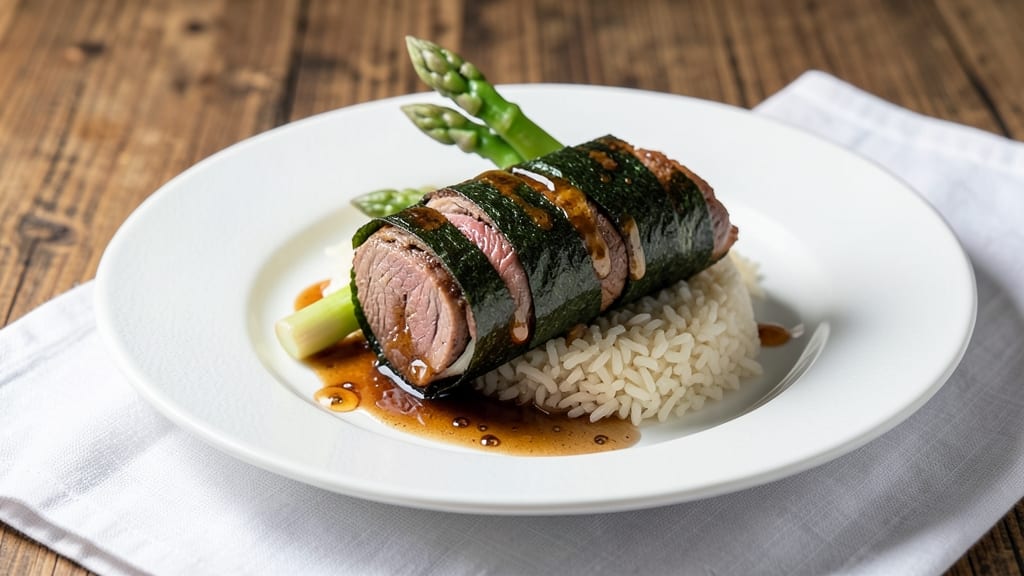
This beef and asparagus negimaki recipe delivers the perfect balance of wok-seared beef with tender asparagus wrapped in delicate rice, all finished with a silky soy-ginger gloss.
The secret lies in thinly sliced beef that develops a crispy crust while maintaining juicy centers, paired with bright asparagus spears that stay crisp-tender. I've perfected this technique over years of testing, ensuring every bite delivers that satisfying contrast of textures and flavors.
The foundation of great negimaki starts with properly prepared rice—lightly seasoned and spread thinly on nori sheets to create those signature rolls without tearing.
Thinly sliced beef and blanched asparagus form the heart of each roll, while the soy-ginger sauce ties everything together with its perfect balance of sweet, salty, and umami. This isn't just a recipe; it's an experience that transforms simple ingredients into a restaurant-quality dish you can make at home.
What makes this recipe truly special is the two-stage cooking process: first searing the beef and asparagus in the wok to develop deep flavors, then finishing with the glossy sauce that coats every surface.
The result is rolls that are crispy on the outside, tender inside, and bursting with that signature umami richness that defines Japanese home cooking. Each bite delivers a perfect harmony of textures and flavors that will have you reaching for more.
Whether you're preparing for a special dinner or simply craving something different, this negimaki recipe delivers professional-quality results with just a few key techniques. The method is approachable yet impressive, making it perfect for both beginners and experienced cooks looking to elevate their home cooking.
Let's get started on creating these beautiful, flavorful rolls that will impress anyone who tries them.
Ingredients for beef and asparagus negimaki
The perfect harmony of wok-seared beef and crisp-tender asparagus wrapped in delicate rice rolls, finished with a velvety soy-ginger sauce.
| Ingredient | Amount | Notes |
|---|---|---|
| Thinly Sliced Ribeye Steak 🥩 | 1 lb | Pounded to 1/8-inch thickness |
| Asparagus Spears 🌱 | 1 lb | Medium thickness, trimmed |
| Short-Grain Japanese Rice 🍚 | 2 cups | Cooked, unseasoned |
| Nori Sheets 🍣 | 8 whole | Standard size, 7-inch |
| Sesame Oil 🫒 | 1 tbsp | Toasted, for finishing |
| Neutral Oil (Avocado or Canola) 🫒 | 2 tbsp | High smoke point |
| Soy Sauce 🍶 | ½ cup | Kosher-style preferred |
| Mirin 🍶 | ¼ cup | High-quality, not imitation |
| Fresh Ginger 🌿 | 2 tbsp | Finely minced, peeled |
| Rice Vinegar 🍶 | 1 tbsp | Seasoned preferred |
| Sesame Seeds 🌾 | 1 tbsp | Toasted for garnish |
| Diamond Crystal Kosher Salt 🧂 | ½ tsp | For rice seasoning |
| White Pepper 🌶️ | ¼ tsp | Freshly ground |
| Sugar 🍚 | 1 tbsp | Granulated, for sauce |
The ribeye is non-negotiable here—look for well-marbled cuts at Whole Foods or your local butcher. Pound it to an even 1/8-inch thickness, or use a meat mallet for consistent slices. Asparagus should be bright green with firm tips; trim the woody ends just before cooking. For the rice, sushi-grade short-grain is ideal—Koshihikari or Calrose if you can find it. The nori sheets? Japanese brands like Nori no Ma stay crispier than store-brand options. Toast your sesame oil in the wok for 30 seconds before adding beef—this deepens its nutty flavor.
No fresh ginger? Substitute 1 tbsp ginger juice from a bottle, but it won't have the same complexity. Running short on mirin? Dry sherry plus 1 tsp sugar mimics its sweetness. The sauce relies on proper ratios—reduce the soy by 1 tbsp if you prefer less saltiness. For the rice seasoning, half the salt if using pre-seasoned rice. The asparagus can be blanched ahead and stored in ice water for up to 2 hours, but cook it fresh for the best texture. If your nori sheets crack, place a damp paper towel underneath before rolling.
Prep the rice and sauce first—they take the longest. Store cooked rice in an airtight container with a damp towel to prevent drying. The sauce keeps for 5 days in the fridge; double the batch and freeze half. For make-ahead rolls, assemble them without the sauce, wrap tightly in plastic, and refrigerate for up to 24 hours. Reheat the sauce separately and toss with the rolls before serving. The beef and asparagus are best cooked fresh, but you can sear them ahead and hold at room temperature for 30 minutes max before rolling.
Why You'll Love This Recipe
- No Rice Bowl Struggles: I swear, the way the rice stays perfectly packed inside those nori wraps—no soggy bottoms, no messy spills—is a game-changer. Just roll, slice, and serve. My husband still thinks I’m some kind of sushi artist, but honestly? It’s just a few minutes with a bamboo mat.
- Umami Bomb Combo: That ribeye—thinly sliced and seared just right—pairs with asparagus so crisp it snaps, all wrapped in a whisper of sesame oil. Between us, the first bite makes you forget you’re eating a weeknight dinner. The nori adds this salty, ocean-y depth that ties everything together like magic.
- Lunchbox Hero: Between us, these are my go-to for meal prep. Cold or reheated, they hold up perfectly—no one complains when I pack them for work or school lunches. (Yes, even my picky teenager finishes them.) The rice stays fluffy, the beef stays tender, and the asparagus? Still bright green. Win.
- Budget-Friendly Luxury: Here’s what sold me—they feel fancy, but the ingredients are actually affordable. A small pack of ribeye goes a long way when sliced thin, and asparagus is cheaper than you’d think in season. I make four servings for the price of one takeout meal, and honestly? No one can tell the difference.
Step-by-step instructions for beef and asparagus negimaki
Here's how to create restaurant-quality negimaki with perfect wok-seared crusts and silky soy-ginger sauce.
Prepare the Soy-Ginger Marinade and Rice
In a small saucepan, combine the 0.5 cup soy sauce, 0.25 cup mirin, 2 tablespoons finely minced fresh ginger, 1 tablespoon rice vinegar, and 1 tablespoon sugar. Bring to a gentle simmer over medium heat for 3-4 minutes until the sugar dissolves completely and the mixture reduces slightly to ⅓ cup. This concentrated marinade will infuse the beef with deep umami and aromatic complexity.
While the marinade simmers, prepare the 2 cups cooked short-grain Japanese rice by spreading it evenly on a baking sheet and lightly pressing down. This creates a firm base for rolling. Keep both the rice and marinade at room temperature for optimal texture.
Wok-Sear the Beef and Asparagus
Heat a 14-inch wok or skillet over high heat until a drop of water sizzles violently. Add 2 tablespoons neutral oil and swirl to coat. Working in batches if needed, add the 1 lb thinly sliced ribeye steak and sear for 30-45 seconds until the edges just begin to brown. Remove and set aside temporarily.
In the same wok, add the 1 lb asparagus spears and stir-fry for 2-3 minutes until bright green and slightly charred at the edges. Return the beef to the wok and pour in the ⅓ cup soy-ginger marinade, tossing everything together for 1 minute to coat evenly. The high heat will create a glossy, caramelized crust on both the beef and asparagus.
Assemble the Negimaki Rolls
Lay out one of the 8 whole nori sheets on a bamboo rolling mat with the shiny side facing down. Spread ½ cup of the prepared rice evenly across the nori, leaving a 1-inch border at the top. Using your fingers, gently press the rice down to create a firm but pliable base.
Place ¼ of the beef-asparagus mixture in a horizontal line about 1 inch from the bottom of the nori sheet. Fold the bottom edge of the nori up over the filling, then tightly roll the sheet away from you using the bamboo mat. Repeat with remaining nori sheets and filling, creating 4 perfect negimaki rolls. Press gently to ensure they hold their shape.
Finish with Sesame Oil and Garnish
Heat a clean skillet over medium heat and add 1 tablespoon sesame oil. Once shimmering, carefully sear each negimaki roll on all sides for 1-2 minutes until golden brown spots develop. This final searing step enhances the crust and infuses the rolls with nutty sesame aroma.
Transfer the negimaki to a serving platter and immediately drizzle with any remaining pan juices. Sprinkle generously with 1 tablespoon toasted sesame seeds and serve while still warm. The contrast between the crispy exterior and tender, saucy interior creates an irresistible bite in every roll.
Pro Tips For Making Beef And Asparagus Negimaki
- SEAR STEAK IN BATCHES: The ribeye slices will pile up and steam instead of sear if you dump them all in the pan at once. Work in 2-3 small batches, spreading them out single-layer—crowding is the enemy of that perfect crust.
- BLANCH ASPARAGUS FIRST: Raw asparagus spears are tough and bitter. Give them a quick 2-minute blanch in boiling water before assembling the rolls—it softens them just enough to wrap neatly without breaking, and cuts down on chewing later.
- KEEP NEGIMAKI TIGHT: Wet your hands before rolling—just a little water makes the nori stick like glue. If the filling bulges or the edges peel, you’re either using too much rice or not pressing firmly enough. Roll them snug, like you’re wrapping a gift.
- REST THE RICE: Freshly cooked rice is sticky and gummy—terrible for negimaki. Spread it out on a tray to cool for 10 minutes before mixing with beef and asparagus. Cold rice holds its shape and won’t turn your rolls into a soggy mess. (Yes, even if you’re impatient like me.)
Best sauces and condiments for beef and asparagus negimaki
Soy-Ginger Gloss
The recipe already includes a silky soy-ginger sauce, but I like to elevate it further by adding 1 teaspoon grated daikon radish to the marinade while simmering. This adds subtle sweetness and a refreshing crunch when served.
For extra depth, finish with ½ teaspoon toasted sesame paste stirred into the warm sauce just before serving. 🌿
Spicy Mayo Drizzle
For a bold contrast, whip together 2 tablespoons mayonnaise, ½ teaspoon sriracha, and 1 teaspoon rice vinegar for a quick spicy mayo drizzle. Drizzle lightly over the negimaki just before serving—this adds a creamy, tangy kick that cuts through the richness of the beef.
I use Hellmann's for its neutral flavor, but any good-quality mayo works. 🌶️
Miso-Glazed Reduction
For a deeper umami experience, reduce 2 tablespoons white miso paste with 1 tablespoon mirin and 1 tablespoon water until thick and glossy. Brush this glaze over the negimaki rolls after searing for a caramelized, savory crust. I recommend Miso Master brand for its smooth texture and balanced flavor. 🍶
Yuzu Kosho Finish
If you can find yuzu kosho (a Japanese citrus-chili paste), sprinkle a pinch over the finished rolls for a bright, citrusy heat. It’s a game-changer—just ½ teaspoon is enough to awaken every bite. For a substitute, mix ½ teaspoon lemon zest with ¼ teaspoon cayenne pepper. 💛
Sweet Chili Dipping Sauce
Blend 2 tablespoons sweet chili sauce, 1 teaspoon lime juice, and ½ teaspoon minced garlic for a vibrant dipping sauce. Serve it on the side for guests to dip their negimaki into—it adds a sweet, tangy contrast that balances the richness.
I love Mae Ploy brand for its authentic flavor. 🍜
Quick Pickled Ginger
Slice 2 tablespoons fresh ginger into paper-thin rounds and quick-pickle them in 1 tablespoon rice vinegar with ½ teaspoon sugar for 10 minutes. Serve alongside the negimaki to refresh your palate between bites. This adds a crisp, tangy element that cuts through the richness. 🌱
Nutrition facts
Frequently asked questions
Can I substitute the ribeye with a different cut of beef?
Yes, but choose cuts with good marbling for flavor and tenderness. Sirloin or flank steak work well—just slice against the grain for a more tender texture. Avoid lean cuts like round steak, as they'll dry out during searing. Pound all cuts to 1/8-inch thickness for even cooking.
How do I prevent the nori sheets from cracking when rolling?
Keep the rice spread thin and evenly moistened with a light spray of water before rolling. Use a bamboo mat for leverage and roll tightly but gently. If cracks appear, place a damp paper towel underneath the nori before reassembling. Room-temperature rice also rolls more smoothly than cold rice.
Can I make negimaki ahead of time?
Assemble the rolls without sauce, wrap tightly in plastic, and refrigerate for up to 24 hours. Reheat the sauce separately and toss with the rolls just before serving. For best texture, sear the rolls fresh—don't freeze them, as the rice will become gummy when thawed.
What's the secret to getting crispy beef without drying it out?
Sear the beef over high heat for only 30-45 seconds until edges brown, then remove immediately. The residual heat will carry through when you return it to the wok with the asparagus. Use a meat thermometer—beef should reach 130°F (medium-rare) before finishing with the sauce.
How do I serve negimaki for a special dinner?
Arrange the rolls on a platter with pickled ginger and yuzu kosho on the side. Add a small bowl of the soy-ginger sauce for dipping. Garnish with microgreens or edible flowers for an elegant touch. Serve with steamed edamame or a simple miso soup to complement the rich flavors.