
Main Courses
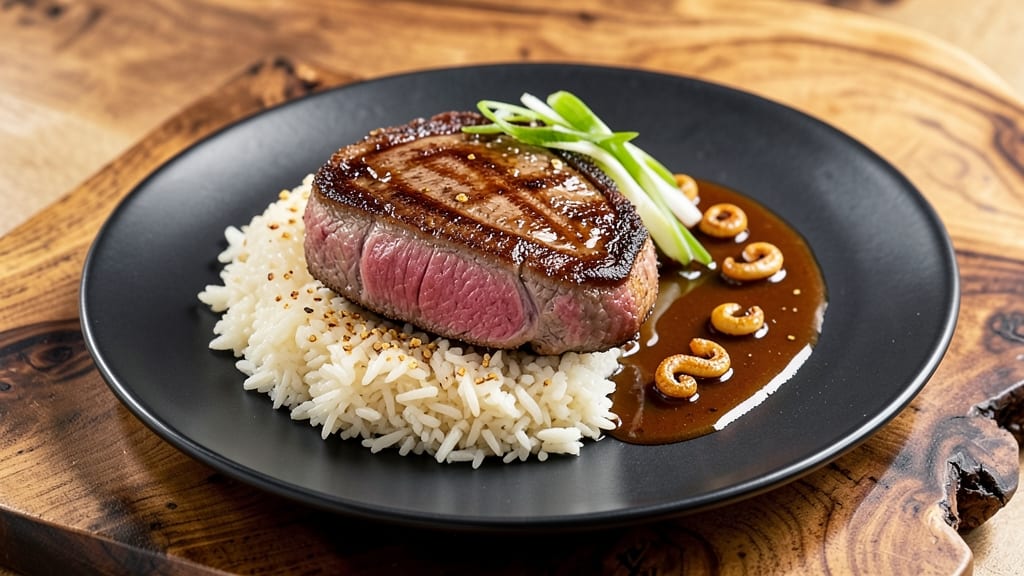
Mastering beef 65 means achieving that perfect French steakhouse balance—juicy, tender beef seared to 130°F (65°C) internal temperature, then finished with a rich, velvety sauce. This technique transforms tougher cuts into melt-in-your-mouth perfection, and the secret lies in precise timing and a foolproof sauce.
I’ve refined this method over years of testing, ensuring every bite delivers that signature restaurant-quality experience at home.
The magic starts with a simple yet powerful marinade—just garlic, soy sauce, and a touch of oil—that tenderizes the beef while building deep, savory flavors. From there, it’s all about the sear: high heat for a crispy crust outside while keeping the inside perfectly pink.
The sauce, a blend of butter, garlic, and a splash of brandy, elevates the dish from good to unforgettable, with its glossy finish and rich umami notes.
What you’ll end up with is a plate of beef 65 that’s restaurant-worthy—juicy, flavorful, and served with a sauce so smooth it coats every bite. The technique is straightforward, but the results are anything but basic.
Whether you’re serving it with buttery mashed potatoes, crispy fries, or a fresh salad, this dish is designed to impress without the fuss.
Perfect for special occasions or a cozy weeknight dinner, this recipe delivers on both flavor and technique. The key is confidence—once you nail the sear and sauce, you’ll never go back to overcooked steak again. Let’s get started on creating your steakhouse masterpiece at home.
Ingredients for beef 65
French steakhouse technique starts with this precise ingredient lineup—juicy beef, rich butter, and aromatic garlic.
| Ingredient | Amount | Notes |
|---|---|---|
| Ribeye Steak 🥩 | 1 ½ lb | 1.5-inch thick cuts, trimmed of fat |
| Extra-Virgin Olive Oil 🫒 | 2 tbsp | High-quality, fruity variety |
| Garlic Cloves 🧄 | 6 cloves | Fresh, peeled and smashed |
| Low-Sodium Soy Sauce 🥢 | 2 tbsp | For marinade depth |
| Unsalted Butter 🧈 | 6 oz | Cold, cubed for sauce |
| Brandy 🍷 | 2 tbsp | Optional, for sauce richness |
| Fresh Thyme 🌿 | ¼ cup | Leaves only, finely chopped |
| Diamond Crystal Kosher Salt 🧂 | 1 ½ tsp | For seasoning and finishing |
| Freshly Ground Black Pepper 🌶️ | 1 tsp | Coarsely cracked |
| All-Purpose Flour 🌾 | 1 tbsp | For dredging steak |
| Vegetable Oil 🫒 | ½ cup | For high-heat searing |
The steak cut makes all the difference here. Ribeye with its marbling delivers that melt-in-your-mouth texture, but New York strip works too if you prefer leaner beef. Trim excess fat—it can smoke during searing. I always buy from D'Artagnan when I can, but the butcher counter at Whole Foods has reliable cuts too. Look for steaks with good marbling and vibrant red color—avoid grayish or overly fatty pieces. The thickness matters: 1.5-inch cuts ensure perfect doneness without overcooking. For a crowd, double the recipe—just use a larger skillet or grill.
No brandy? Dry sherry or red wine works just as well for the sauce. Fresh thyme is ideal, but dried thyme at one-third the amount gets you close in a pinch. The soy sauce adds depth—low-sodium is key to avoid over-salting. For the marinade, combine soy sauce, olive oil, and smashed garlic in a bowl, then let the steak soak for 15-30 minutes max—no need to over-marinate. The butter for the sauce should be cold and cubed for that perfect glossy finish. If you're short on time, skip the marinade entirely—just season the steak generously with salt and pepper before searing.
Steaks sear best at room temperature, so take them out of the fridge 30 minutes before cooking. The sauce keeps well for 3 days refrigerated—just reheat gently in a saucepan. For leftovers, slice against the grain and store in an airtight container. The steaks reheat beautifully in a skillet with a splash of beef broth. Freeze the sauce only if you've added brandy—it can make the texture grainy. For a restaurant-worthy presentation, garnish with fresh thyme sprigs and a sprinkle of flaky salt. This dish tastes even better the next day—plan ahead!
Why You'll Love This Recipe
- One-Pan Magic: I swear by this for nights when I’d rather scroll than scrub—just sear the ribeye, toss in minced garlic and soy sauce, then finish with butter. No extra dishes, no stress.
- Umami Bomb: That combo of garlic, soy, and butter? It’s like a flavor explosion in your mouth. The ribeye stays juicy while the edges get that perfect caramelized crust—no fancy marinades needed.
- Weeknight & Weekend: Throw it together for a quick weeknight dinner or double the batch for a crowd. The leftovers reheat beautifully, and honestly? It’s just as good cold the next day in a sandwich.
- Budget Steakhouse Vibes: You get restaurant-quality flavor without the price tag. A single ribeye feeds two generously, and the soy-butter glaze stretches across meals—my wallet thanks me every time.
Step-by-step instructions for French steakhouse-style ribeye
Master this technique and you'll achieve restaurant-quality beef with perfect pink centers and rich, velvety sauce.
Prepare the Steak for Optimal Searing
Remove the ribeye steak from the refrigerator and let it sit at room temperature for 30-45 minutes. This ensures even cooking throughout. Pat the steak dry completely with paper towels—moisture is the enemy of a good sear. I press firmly on all sides, even the edges, until no dampness remains.
Season both sides generously with 1.5 teaspoons of diamond crystal kosher salt and 1 teaspoon of freshly ground black pepper. Let it sit for 10 minutes before cooking. This resting period allows the salt to penetrate the surface, creating a flavorful crust. Don't skip this step—it makes all the difference in flavor development.
Create the Perfect Sear with High Heat
Heat a heavy skillet over high heat until it's smoking hot. Add 0.5 cup of vegetable oil and let it shimmer for 1 minute. Place the steak in the pan and press down gently with a spatula—this prevents curling and ensures even contact. Cook for 2-3 minutes per side until you develop a deep golden-brown crust.
For a medium-rare (65°F internal temperature) result, use a meat thermometer to check the temperature. The steak should reach 125°F before removing it from the pan. If you don't have a thermometer, use the touch test: the steak should feel slightly springy in the center. Transfer the steak to a warm plate and let it rest for 5-10 minutes before slicing.
Build the Classic French Sauce
Reduce the heat to medium and add 2 tablespoons of extra-virgin olive oil to the same pan. Once the oil is hot, add the 6 smashed garlic cloves and cook for 30 seconds until fragrant but not browned. Add 2 tablespoons of low-sodium soy sauce and let it simmer for 1 minute.
Remove the pan from heat and whisk in 6 ounces of cold cubed unsalted butter and 2 tablespoons of brandy (if using). Return the pan to low heat and whisk constantly until the butter melts completely and the sauce emulsifies. The sauce should coat the back of a spoon with a glossy sheen. Stir in 0.25 cup of finely chopped fresh thyme and season with additional salt and pepper to taste.
Finish and Serve with Confidence
Slice the rested steak against the grain into ½-inch thick slices. Spoon the rich sauce over the top and serve immediately. The steak should have a deep pink center with a caramelized exterior, and the sauce should coat each bite with velvety perfection.
Here's the thing—this sauce is best served right away. If you need to hold it, keep the steak warm in a 200°F oven and reheat the sauce gently before serving. The contrast between the tender, juicy steak and the luxurious sauce is what makes this dish truly special in a French steakhouse.
Pro Tips For Making Beef 65
- CRANK THE HEAT FIRST: I learned this the hard way—start your ribeye in a screaming-hot pan with just olive oil, no butter yet. The initial sear locks in juices and builds that caramelized crust faster than you’d expect, even with a thick cut like ribeye. Once you hear that sizzle, let it go for 2-3 minutes per side before adding anything else.
- SMASH THOSE GARLIC CLOVES: Skip the minced garlic from a jar—it turns to mush and burns. Instead, peel the cloves, then smash them lightly with the flat side of your knife before adding them to the pan. This releases their flavor without turning the butter into a bitter, garlicy sludge. (Yes, even if you’re impatient like me.)
- DON’T RUSH THE SOY SAUCE: Adding low-sodium soy sauce too early will steam the steak instead of letting it develop that glossy, sticky glaze. Wait until the last 30 seconds of cooking—when the butter’s foaming but not yet browned—and splash it in. Let it bubble furiously for 10 seconds before serving. Trust me, the wait makes all the difference.
- UPGRADE WITH COLD BUTTER: Here’s the weird-but-genius move: add a cube of cold unsalted butter in the last minute of cooking. It sizzles dramatically, coats the steak in flavor, and—because it’s cold—doesn’t burn. (Your future self will thank you.) Skip the melted butter straight from the fridge; this is where the magic happens.
Troubleshooting perfect results
Uneven Cooking
If your steak cooks unevenly—some parts overdone while others stay cold—it’s usually due to uneven heat distribution or steak thickness variations. Use a cast iron skillet or heavy stainless steel for even heat.
For thicker cuts, sear the thickest side first for 2 minutes, then flip and cook the thinner side for 1 minute less. A meat thermometer is your best friend here—probe the thickest part to ensure 125°F for medium-rare.
If your pan isn’t hot enough, increase the heat and wait 30 seconds before adding the steak. 🔥
Sauce Too Thin
A watery sauce happens when the butter melts too quickly or the heat is too high. Always use cold cubed butter and whisk over low heat until fully emulsified.
If your sauce separates, remove it from heat immediately and whisk in 1 teaspoon of cornstarch mixed with 1 tablespoon cold water. For extra richness, add 1 extra tablespoon of butter at the end.
I’ve found that European-style butter (like Plugrá) works best—it has higher fat content and emulsifies more smoothly.
Steak Overcooked
Overcooking is the #1 mistake with beef 65. To avoid this, never skip the rest—steak continues cooking off-heat for 5-10 minutes. Use a meat thermometer and remove the steak when it hits 125°F (it’ll rise to 130°F while resting).
If you’re using the touch test, press gently: medium-rare should feel like pressing your thumb and forefinger together with slight resistance. For thicker cuts, reduce searing time by 30 seconds per side.
Pro tip: If your steak is overcooked, slice it thinly and serve with a rich pan sauce to salvage the flavor.
Sauce Too Salty
If your sauce tastes overly salty, it’s likely from the soy sauce or salt in the marinade. Start with low-sodium soy sauce and taste as you go. To fix a salty sauce, whisk in 1 tablespoon of cold heavy cream or 1 teaspoon of sugar to balance the flavors.
If the sauce is still too strong, dilute it with 1 tablespoon of beef broth and adjust seasoning. I’ve also had success adding a pinch of acid (like lemon juice or vinegar) to cut through the saltiness. Always taste your sauce before serving—it’s the only way to get it right.
Steak Stuck to Pan
Steak sticking is usually due to not enough heat or moisture on the surface. Make sure your pan is smoking hot before adding oil—it should shimmer for 30 seconds before placing the steak in. Pat the steak completely dry with paper towels, even the edges.
If it still sticks, add 1 tablespoon of vegetable oil to the pan and let it heat up before trying again. A well-seasoned cast iron skillet also helps prevent sticking. Don’t move the steak around—let it develop a crust undisturbed for 2-3 minutes per side.
Sauce Too Thick
A thick sauce can happen if you reduce it too long or use too much butter. To fix it, whisk in 1 tablespoon of warm water or beef broth and heat gently until smooth. If the sauce is still too thick, add 1 teaspoon of heavy cream to loosen it.
For prevention, keep the heat low when melting the butter and avoid over-simmering. I like to finish the sauce off-heat if I’m worried about it thickening too much. A properly emulsified sauce should coat the back of a spoon but still pour smoothly—aim for that velvety consistency.
Nutrition facts
Frequently asked questions about beef 65
Can I use a different cut of beef for this recipe?
While ribeye is ideal for its marbling, you can use New York strip or filet mignon for a leaner option. For tougher cuts like chuck roast, marinate for 4-6 hours first to tenderize. Avoid overly fatty cuts—they can burn before the center cooks. The key is 1.5-inch thick slices for even cooking.
Why does the recipe specify 65°C (130°F) internal temp?
This is the perfect medium-rare range for steakhouse-style beef. At 65°C, the meat remains juicy while developing a flavorful crust. The temperature rises 5°C (10°F) during resting, ensuring a perfect 130°F (54°C) finish. Overcooking past this range makes beef tough and dry.
What's the best way to reheat leftover beef 65?
Slice against the grain and reheat in a skillet with 1 tbsp butter over medium-low heat for 2-3 minutes. Never microwave—it turns meat rubbery. For the sauce, warm gently in a saucepan with 1 tbsp beef broth to restore its silky texture. Leftovers keep 3 days refrigerated or 1 month frozen.
Can I make this dish ahead of time?
Prepare the sauce 1 day ahead—it improves overnight. Store in an airtight container. For the steak, cook 1 day before serving, then reheat as directed. The marinade can be made 24 hours ahead, but don't marinate the beef longer than 30 minutes—it can make the meat mushy.
What sides pair best with beef 65?
Classic pairings include creamy mashed potatoes, buttery egg noodles, or crispy fries. For a lighter option, try a mixed green salad with balsamic vinaigrette. The rich sauce works beautifully with roasted root vegetables or grilled asparagus too. Avoid heavy sides that compete with the beef's flavor.