
Main Courses
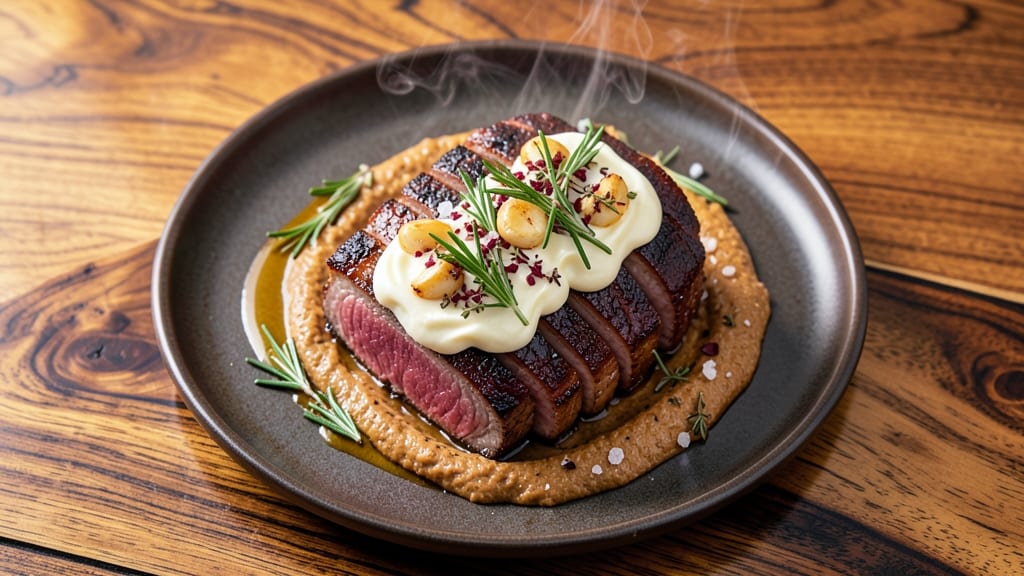
A 6lb beef tenderloin cooked to medium-rare perfection with a flaky crust is the centerpiece every special occasion deserves. The secret lies in precise temperature control—starting with a hot sear to lock in juices, then finishing in a controlled oven to achieve that tender, pink center without drying out.
This isn’t just a cut of beef; it’s a showstopper that transforms a simple dinner into an unforgettable experience.
The key to success is basting with butter and herbs while roasting, which creates that coveted crust while keeping the interior juicy and velvety. We’ll guide you through every step—from trimming the fat to resting the meat properly—so you end up with slices that melt in your mouth.
No guesswork, just restaurant-quality results every time.
Pair this masterpiece with roasted garlic mashed potatoes or a red wine reduction sauce for a meal that feels luxurious yet approachable. The flaky crust and tender interior will have your guests asking for seconds, and the technique is simpler than it sounds.
Let’s get started on a dish that’s worth the effort.
This recipe isn’t just about cooking—it’s about elevating your skills and impressing everyone at the table. With the right tools and a little patience, you’ll master the art of the perfectly cooked beef tenderloin, making it a dish you’ll return to again and again.
Ingredients for 6lb beef tenderloin
Six pounds of premium beef tenderloin, basted with butter and herbs, promises a showstopping centerpiece.
| Ingredient | Amount | Notes |
|---|---|---|
| Beef Tenderloin 🥩 | 6 lb | Center-cut, trimmed of excess fat |
| Unsalted Butter 🧈 | ½ cup | Cold, cut into 1-inch pieces |
| Fresh Rosemary 🌿 | ½ cup | Finely chopped sprigs |
| Fresh Thyme 🌿 | ¼ cup | Leaves only, stems removed |
| Garlic Cloves 🧄 | 8 cloves | Smashed, skin on |
| Diamond Crystal Kosher Salt 🧂 | 1 ½ tbsp | For seasoning, not for water |
| Freshly Ground Black Pepper 🌶️ | 1 tsp | Coarse grind preferred |
| Olive Oil 🫒 | 2 tbsp | High smoke point for searing |
| Red Wine 🍷 | ½ cup | Dry, bold variety like Cabernet |
| Beef Bone Broth 🍲 | 1 cup | Low-sodium preferred |
| Mustard 🥬 | 1 tbsp | Dijon style, for basting |
| Heavy Cream 🥛 | ¼ cup | For finishing sauce |
The beef tenderloin is the star—center-cut and trimmed for even cooking. Costco or Whole Foods carry the best quality, often pre-trimmed for convenience. Look for vibrant color and good marbling; avoid any pieces with grayish edges. The 6lb size feeds 12 generously, perfect for gatherings. If you can't find a whole tenderloin, ask the butcher to cut one for you—they'll often do it for free. For the butter, grab Plugrá or Land O'Lakes—they hold up best to high heat without burning. Fresh herbs are non-negotiable here; dried won't give that same aromatic punch.
No rosemary? Fresh thyme alone works, but the combination is ideal. Running short on wine? Beef broth plus a splash of balsamic mimics the depth. The mustard adds a subtle tang—Dijon is best, but yellow mustard in a pinch works too. For the sear, avocado oil has a higher smoke point than olive oil if you're worried about burning. The bone broth should be low-sodium; Kitchen Basics or Pacific Foods are reliable brands. If you don't have heavy cream for the finishing sauce, half-and-half thinned with a splash of milk does the trick. Prep the garlic by smashing it skin-on with the flat side of your knife—it infuses flavor without turning to paste.
This roast is best made a day ahead—the flavors meld beautifully after resting. Wrap tightly in plastic wrap and refrigerate for up to 24 hours before cooking. The basting butter and herbs can be prepped 2 hours ahead and stored in the fridge. Leftovers? Slice thinly and reheat in a 350°F oven for 15 minutes—they reheat better than you'd expect. The crust stays crispy, and the interior remains tender. Portion into 1-inch slices for serving; they look impressive and carve neatly. Store any leftovers in an airtight container for 3 days or freeze for 3 months—it reheats like a dream.
Why You'll Love This Recipe
- Butter-Basted Magic: That garlic-thyme butter? It’s the star. The rosemary adds a piney brightness, but the real win is when the crust forms and melts into juicy, melt-in-your-mouth beef. Every bite tastes like a fancy dinner, not just a roast.
- Leftovers That Impress: Between us, this recipe makes enough for days of sandwiches or salads. Slice it thin, toss with greens and balsamic, and suddenly you’ve got a lunch that feels gourmet. My kids still ask for it weeks later.
- Weeknight Hero: No fancy prep, no stress—just a big piece of meat, a handful of herbs, and a knife. Honestly, I’ve made this on a Tuesday night when I was exhausted, and it still came out perfect. That’s reliability you can count on.
Step-by-step instructions for perfectly cooked beef tenderloin
Master this method and you'll achieve a beef tenderloin with a flaky crust and medium-rare perfection every time.
Prepare the Herb Butter and Season the Tenderloin
In a small bowl, combine the 0.5 cup unsalted butter, 0.5 cup fresh rosemary, 0.25 cup fresh thyme, 8 smashed garlic cloves, 1.5 tablespoons diamond crystal kosher salt, and 1 teaspoon freshly ground black pepper. Mix well and chill in the refrigerator for 30 minutes to firm up slightly. This herb butter will create a fragrant crust while keeping the meat moist.
Remove the 6 lb beef tenderloin from the refrigerator and let it sit at room temperature for 1 hour before cooking. Pat the surface dry with paper towels—this step is crucial for achieving that flaky crust. Using your fingers, gently press the herb butter mixture into the surface of the tenderloin, coating it evenly. The butter should adhere to the meat rather than slide off.
Sear the Tenderloin for Maximum Flavor
Preheat your oven to 450°F. Heat a large oven-safe skillet over medium-high heat and add the 2 tablespoons olive oil. Once the oil is shimmering, carefully place the tenderloin in the skillet, fat-side down. Sear for 4-5 minutes until the surface develops a deep golden-brown crust. Flip the tenderloin and sear the other side for another 4-5 minutes. The goal is to create a caramelized exterior while keeping the interior cool.
Transfer the skillet to the preheated oven. Roast the tenderloin for 15-20 minutes, or until the internal temperature reaches 130°F on a meat thermometer. This initial sear and quick roast ensures a tenderloin with a flaky crust and a juicy interior. Don't overcook—medium-rare is key for the best texture.
Create the Red Wine Reduction Sauce
While the tenderloin rests, remove the skillet from the oven and place it on the stovetop over medium heat. Add the 0.5 cup red wine and scrape up any browned bits from the bottom of the skillet with a wooden spoon. Let the wine simmer for 3-4 minutes until reduced by half. Stir in the 1 cup beef bone broth and 1 tablespoon mustard, then simmer for another 5 minutes until the sauce thickens slightly. The sauce should coat the back of a spoon but still be silky, not gluey.
Remove the skillet from heat and stir in the 0.25 cup heavy cream. Taste and adjust seasoning with additional salt or pepper if needed. The sauce should be rich and balanced, with a hint of acidity from the wine and creaminess from the broth and cream. Keep the sauce warm until ready to serve.
Rest and Slice for Maximum Juiciness
Remove the tenderloin from the oven and transfer it to a cutting board. Tent loosely with aluminum foil and let it rest for 15-20 minutes. This resting period allows the juices to redistribute throughout the meat, ensuring each slice is moist and flavorful. The internal temperature will rise to 135°F during this time, giving you that perfect medium-rare finish.
Slice the tenderloin against the grain into 1-inch thick portions. Serve immediately with the red wine reduction sauce spooned over the top. The crust should be flaky and aromatic, while the interior remains tender and juicy. Each bite should deliver a perfect balance of rich beef, herbed butter, and the tangy-sweet sauce.
Pro Tips For Making 6lb Beef Tenderloin
- USE A MEAT THERMOMETER: I learned this the hard way—guessing medium-rare on a 6lb tenderloin is a gamble. Aim for 120°F internal temp (it’ll rise to 125°F while resting), and don’t pull it until you see that reading. Yes, even if it looks undercooked—this cut is forgiving, but your guests won’t be if you serve it dry.
- TRIM THE FAT, NOT THE FLAVOR: That white fat cap on the tenderloin? Trim it close but leave a thin layer—it baste the meat as it cooks and keeps it juicy. I used to go overboard with the knife, and the difference in moisture is noticeable. Keep it to ¼-inch max unless you’re going for a leaner cut.
- SALT THE MEAT 24 HOURS EARLY: Skip the last-minute sprinkle—this big of a roast needs time for the salt to work its magic. Wet the meat with 1 tablespoon kosher salt per pound, let it sit uncovered in the fridge, and pat it dry right before cooking. The crust will be deeply brown and crackly, not just a sad, pale film.
- MAKE THE BUTTER BATH IN ADVANCE: Here’s where most people rush: melting the butter, garlic, and herbs at the end. Instead, mix softened unsalted butter with minced garlic, chopped rosemary, and thyme the night before, then shape it into a log and chill. When you’re ready to baste, just slice it off—no last-minute scrambling, and the flavors meld perfectly. (Pro move: wrap it in parchment to avoid a mess.)
Pro cooking tips for this dish
Sear Like a Pro
Your sear is the foundation of that flaky crust—don’t rush it! Use a heavy, oven-safe skillet (I love my All-Clad 12-inch) and heat it until it’s smoking hot before adding the tenderloin. The 2 tablespoons olive oil should shimmer like a mirror.
Sear each side for exactly 4-5 minutes—any longer risks overcooking the edges. I’ve learned the hard way that patience here makes all the difference. 🔥
Butter Matters
The herb butter isn’t just flavor—it’s the secret to that crisp-yet-tender crust. Press it into the meat firmly but gently so it sticks. If your butter melts too fast, chill it for another 10 minutes before applying.
I like to use Plugrá butter because it has a higher fat content, which helps create a richer crust. Don’t skip the garlic and herbs—they infuse into the butter as it melts, adding layers of flavor.
Temperature Control
Your meat thermometer is your best friend here. Insert it into the thickest part of the tenderloin—not touching the bone—and aim for 130°F internal temp. Once it hits that mark, immediately transfer it to the oven.
Overcooking by even 5°F can turn a juicy masterpiece into a dry disappointment. I’ve found that 450°F is the sweet spot for this method—hot enough to finish the sear but gentle enough to keep the center cool.
Resting is Non-Negotiable
Skipping the 15-20 minute rest is the fastest way to ruin your tenderloin. The juices need time to redistribute—if you slice too soon, they’ll pool on your plate instead of in the meat. Tent it loosely with foil to keep it warm but allow airflow.
Pro tip: Use this time to finish your sauce and set the table. Trust me, the wait is worth it for that perfect medium-rare slice. 💫
Sauce Timing
Start your red wine reduction while the tenderloin rests—it only takes 10 minutes to make. Deglaze the skillet immediately after removing the meat to capture all those flavorful browned bits (fond). If your sauce thickens too much, whisk in a splash of beef broth.
The heavy cream should be added off-heat to prevent curdling. Taste and adjust seasoning—this sauce should be rich but balanced, not overpowering.
Slice Against the Grain
This isn’t just about presentation—it’s about texture. The beef tenderloin’s muscle fibers run in one direction, so slicing perpendicular to them shortens the fibers, making each bite tender and melt-in-your-mouth. Use a sharp chef’s knife (I recommend Wüsthof) and cut into 1-inch thick slices.
Serve immediately with the sauce spooned over the top—every bite should be a perfect harmony of crust, beef, and sauce.
Nutrition facts
Frequently asked questions
How do I know when my 6lb beef tenderloin is done?
Use a meat thermometer for precision! For medium-rare, aim for 130°F internal temperature before removing from the oven. The meat will rise to 135°F while resting. Never rely on color alone—beef can look cooked through but still be underdone. Pro tip: Insert the thermometer into the thickest part, avoiding the bone.
Can I cook this recipe without red wine?
Replace the 0.5 cup red wine with 0.5 cup beef broth plus 1 tablespoon balsamic vinegar for similar depth. Or use 0.5 cup apple cider plus 1 teaspoon soy sauce for a sweeter alternative. The sauce will still develop rich flavor—just adjust seasoning to taste.
Why does my beef tenderloin turn out dry?
Overcooking is the #1 cause! Remove the tenderloin when it hits 130°F (medium-rare), not higher. Another common mistake is skipping the 15-20 minute rest—juices need time to redistribute. For extra insurance, brine the meat for 4 hours before cooking (use 1/4 cup kosher salt per 4 cups water).
How many people does this 6lb tenderloin serve?
This recipe serves 12 people generously with 1-inch thick slices (about 4 ounces per person). For a lighter meal, increase to 16 servings with thinner slices. Remember: tenderloin is lean, so pair it with starchy sides like mashed potatoes or crusty bread to keep everyone satisfied.
Can I make this ahead of time?
Yes! Cook the tenderloin up to 2 days ahead and refrigerate tightly wrapped. Reheat in a 275°F oven for 20-25 minutes until warmed through. For the sauce, make it fresh before serving or reheat gently in a saucepan. The flavor actually improves after resting—just avoid reheating in the microwave!