
Main Courses
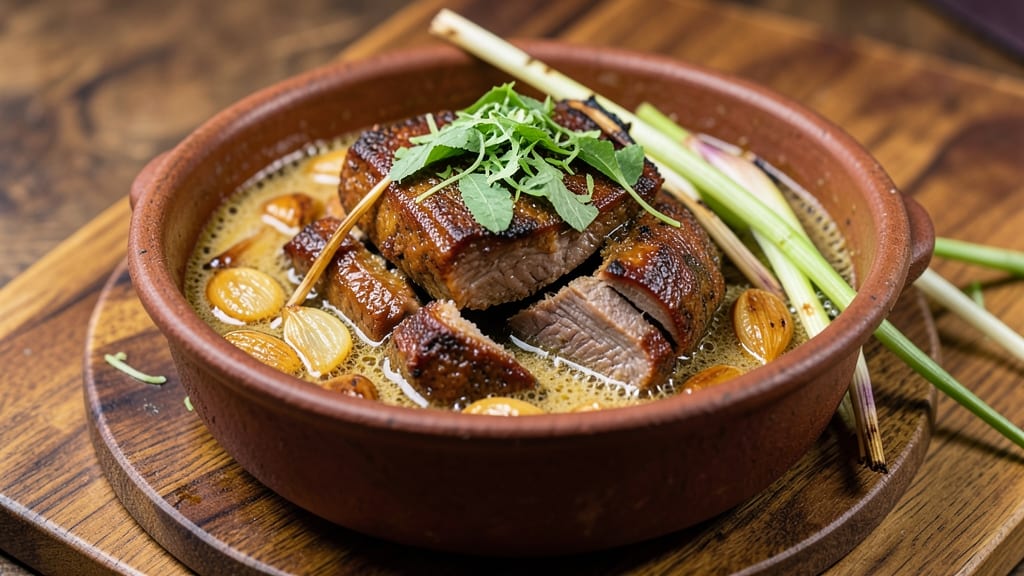
This authentic Malaysian beef rendang recipe delivers the rich, complex flavors that make it Indonesia's national dish. 🌟 The slow-cooked harmony of tender beef, aromatic spices, and reduced coconut milk creates a dish so deeply flavorful it becomes better with each bite.
What sets this recipe apart is the careful balance of traditional ingredients—lemongrass, galangal, and kaffir lime leaves—that infuse every layer of the dish with authentic character.
The process begins with marinating the beef in a paste of ground spices, then simmering it for hours until the coconut milk reduces into a thick, fragrant sauce. This method transforms tough cuts into melt-in-your-mouth tenderness while developing layers of smoky, sweet, and slightly tangy flavors.
The slow cooking isn't just about time—it's about patience, allowing the spices to meld and deepen into a symphony of taste.
By the time you serve this dish, you'll have a restaurant-quality rendang that's rich, caramelized, and packed with aromatic depth. The sauce clings to the beef like a second skin, while the spices linger on your palate long after the last bite.
This is the kind of meal that feels like a celebration, even on a weeknight.
Pair it with steamed jasmine rice and a crisp cucumber salad to complete the traditional experience. The rice soaks up every last drop of that fragrant sauce, while the salad cuts through the richness. Let's get started on this journey to authentic Malaysian flavor.
Ingredients for authentic malaysian beef rendang
Authentic Malaysian flavors start with these carefully chosen ingredients—each playing its part in the symphony of slow-cooked perfection.
| Ingredient | Amount | Notes |
|---|---|---|
| Beef Chuck Roast 🥩 | 2 lb | Cut into 1.5-inch cubes |
| Coconut Milk 🥥 | 2 cans | Full-fat, 13.5 oz each |
| Lemongrass 🌿 | 3 stalks | White part only, finely chopped |
| Galangal Root 🌿 | 3 inches | PEELLED, thinly sliced (use 1-inch pieces) |
| Kaffir Lime Leaves 🍃 | 6 whole | Torn into 2-inch pieces |
| Shallots 🧅 | 6 whole | Peeled, thinly sliced |
| Garlic Cloves 🧄 | 8 cloves | Minced |
| Turmeric Powder 🌶️ | 1 tbsp | Freshly ground preferred |
| Coriander Seeds 🌿 | 1 tbsp | Toasted, ground |
| Cumin Seeds 🌿 | 1 tsp | Toasted, ground |
| Star Anise 🌟 | 2 whole | Lightly crushed |
| Cinnamon Sticks 🌿 | 2 whole | 2-inch pieces |
| White Peppercorns 🌶️ | 1 tsp | Crushed |
| Salt 🧂 | 1 ½ tsp | Diamond Crystal preferred |
| Sugar 🍚 | 1 tbsp | Light brown preferred |
| Vegetable Oil 🫒 | 2 tbsp | For searing |
The beef is non-negotiable—chuck roast delivers that signature tender texture after hours of simmering. Look for cuts with good marbling at Whole Foods or your local Asian market. Galangal root is the secret weapon here—it's like ginger's sophisticated cousin. Find it in the frozen section of most Asian grocery stores (it's often pre-sliced), or use ginger in a pinch if you can't locate it. Kaffir lime leaves add a citrusy depth; substitute lime zest if you can't find them, but the aroma is unmatched. For the lemongrass, use only the white, lower portion—it's more flavorful than the green tops.
No galangal? Ginger at half the amount works, but you'll lose that unique piney flavor. Star anise is essential—don't skip it. Penzeys Spices sells it whole, which is ideal for this recipe. The coconut milk must be full-fat; no light versions. For the spices, toast your coriander and cumin seeds in a dry pan until fragrant (about 2 minutes) before grinding—this makes all the difference. Shallots are better than onions here; their milder sweetness lets the other flavors shine. And that sugar? It's not for sweetness—it helps caramelize the sauce for that deep, rich color.
This rendang tastes even better the next day as the flavors meld. Store leftovers in an airtight container in the fridge for up to 5 days, or freeze for 3 months. The sauce thickens as it cools, so add a splash of water or coconut milk when reheating. For a shortcut, prep the marinade and spice paste a day ahead—it keeps well in the fridge and intensifies in flavor. Serve with steamed jasmine rice to soak up every last drop of that aromatic sauce.
Why You'll Love This Recipe
- One-Pot Magic: I swear by this recipe—just brown the beef, toss in the spices, and let the coconut milk and lemongrass work their magic. No flipping pans, no stress, and the slow simmer does all the heavy lifting while you sip tea.
- Deep Umami Love: That caramelized galangal and kaffir lime leaves? Pure flavor gold. The beef gets tender enough to melt, while the sauce clings like a spicy, fragrant hug—every bite is a balance of smoky, sweet, and tangy.
- Leftovers That Shine: Between us, the second day is often better. The flavors meld even more, and it reheats like a dream. Pack it for lunch or freeze portions—this dish is my secret weapon for lazy days.
- Budget-Friendly Feast: A single chuck roast stretches for a crowd, and the spices (especially if you use dried galangal or lime leaves) last ages. Honestly, it’s one of those recipes where you get restaurant-quality without the price tag.
Step-by-step instructions for authentic Malaysian beef rendang
Transform tough beef into tender, aromatic perfection with this traditional slow-cooking method.
🔥 Step 1: Sear the Beef for Deep Flavor
Heat the 2 tablespoons vegetable oil in a heavy Dutch oven over medium-high heat until shimmering. Working in batches to avoid crowding, sear the 2 lb Beef Chuck Roast cut into 1.5-inch cubes until deeply browned on all sides—about 3-4 minutes per side. This step develops the rich, caramelized foundation for your rendang.
As you sear, resist the urge to move the beef too soon—let it develop that golden crust. I press down gently on the cubes during the first minute to prevent curling. Once all pieces are browned, remove them and set aside. You'll notice the beef releases easily from the pan when properly seared.
👨🍳 Step 2: Toast the Spice Blend
In the same Dutch oven, reduce heat to medium and add the 6 whole Shallots (peeled and thinly sliced), 8 cloves Garlic Cloves (minced), 3 stalks Lemongrass (white part only, finely chopped), and 3 inches Galangal Root (peeled and thinly sliced). Sauté for 3-4 minutes until the shallots soften and become translucent.
Add the 1 tbsp Coriander Seeds and 1 tsp Cumin Seeds to the pot, stirring constantly for 1 minute until fragrant and lightly toasted. This step awakens the spices' essential oils—don't walk away, as they burn quickly. Immediately add the 2 whole Star Anise (lightly crushed), 2 whole Cinnamon Sticks (cut into 2-inch pieces), 1 tsp White Peppercorns (crushed), 1 tbsp Turmeric Powder, 1.5 tsp Salt, and 1 tbsp Sugar. Stir for 30 seconds to coat everything evenly with the spices.
🥘 Step 3: Build the Spiced Coconut Base
Pour in the 2 cans Coconut Milk, scraping up any browned bits from the bottom of the pot with a wooden spoon. This deglazing step captures all the flavor you've built so far. Bring the mixture to a gentle simmer over medium heat, then reduce heat to low. Add the seared beef back to the pot, along with the 6 whole Kaffir Lime Leaves (torn into 2-inch pieces). Stir gently to combine.
The mixture will bubble vigorously at first—this is normal. After 5 minutes, partially cover the pot and let it simmer gently. You're aiming for a slow, steady cook that allows the spices to infuse deeply into the beef and coconut milk. This step takes patience; the longer it simmers, the more complex the flavors become.
⏰ Step 4: Slow-Cook Until Tender and Caramelized
Continue simmering uncovered for 2.5 to 3 hours, stirring occasionally and adding ½ cup water if the mixture becomes too thick. The beef is ready when it's fork-tender and the sauce has reduced to a thick, glossy consistency with a caramelized sheen. You'll notice the sauce clings to the beef and the aromas fill your kitchen—this is the moment you've been waiting for.
Here's the thing—traditional rendang develops its signature dark, caramelized crust during the final stages. The longer it cooks, the more concentrated the flavors become. I check for doneness by piercing a beef cube with a fork—it should slide in easily with no resistance. If the sauce reduces too quickly, add small amounts of water to maintain moisture.
🍽️ Step 5: Rest and Serve with Traditional Accompaniments
Once the beef is tender and the sauce has thickened to your desired consistency, remove the pot from heat. Let the rendang rest for 10 minutes before serving. This resting period allows the juices to redistribute throughout the beef, ensuring each bite is moist and flavorful. Discard the cinnamon sticks and star anise before serving—these were just for flavor infusion.
Serve the beef rendang hot with steamed jasmine rice and a side of cucumber slices. The rich, aromatic sauce should coat each piece of beef beautifully, revealing layers of complex spice flavors with every bite. For an authentic touch, garnish with fresh cilantro and serve with a side of sambal for those who enjoy extra heat.
Pro Tips For Making Authentic Malaysian Beef Rendang
- Blanch the Galangal First: I learned this the hard way—grating raw galangal straight into the pot leaves it bitter and watery. Instead, thinly slice it, blanch in boiling water for 30 seconds, then drain. The texture softens perfectly and the flavor stays bright, not muddy.
- Char the Spices Low and Slow: Rendang’s depth comes from caramelized spices, but rushing this step burns them fast. After browning the beef, reduce heat to medium-low and let the paste (turmeric, coriander, cumin, etc.) cook for 10-15 minutes, stirring often. It’ll smell like heaven and taste like it simmered all day.
- Use Two Coconut Milk Batches: The first batch evaporates fast—don’t fight it. After the beef and spices cook for 2 hours, add the second batch (full-fat, no substitutions) and let it reduce until the sauce clings like syrup. Skim excess fat if needed, but don’t drain it all—fat equals flavor.
- Sear the Beef in Batches: Crowding the pan steams the meat instead of searing. Cut the chuck into 2-inch chunks and work in two batches over high heat, 3-4 minutes per side, until deep brown. The crust locks in juices later, and the color? That’s the difference between "home cook" and "restaurant-worthy."
Storing and reheating this authentic malaysian beef rendang
Fridge Storage
Let your rendang cool completely before transferring to an airtight container—I use glass Pyrex with snap-on lids. Store in the fridge at 40°F or below for up to 5 days.
The flavors actually deepen overnight as the spices meld further. When ready to reheat, add 2-3 tablespoons of water or coconut milk to prevent drying out. 💫
Freezer Prep
For longer storage, portion your rendang into freezer-safe containers or quart-sized freezer bags, leaving ½-inch headspace for expansion. Label with the date and freeze for up to 3 months.
Thaw overnight in the fridge before reheating—never microwave directly from frozen. The sauce may thicken slightly after freezing, so add a splash of liquid when reheating. ❄️
Reheating Methods
My preferred method is stovetop: place the rendang in a heavy-bottomed pot over medium-low heat, adding ¼ cup water or coconut milk. Simmer for 10-15 minutes, stirring occasionally, until heated through (165°F internal temp).
For microwave reheating, cover with a damp paper towel and heat in 1-minute intervals on 70% power, stirring between each interval. 🔥
Sauce Consistency
The sauce naturally thickens when reheated, so adjust with 1-2 tablespoons of water or coconut milk as needed. If the beef appears dry, add a splash of liquid and let it simmer for 2-3 minutes to restore moisture.
The goal is to maintain that glossy, caramelized texture that makes rendang special. Trust me, this makes all the difference! 💛
Leftovers Magic
Rendang tastes even better the next day—this isn't just marketing, it's science! The spices continue to infuse, and the sauce becomes more concentrated. Store leftovers in single-serving portions for easy reheating. I often save half for lunch the next day, and it's just as delicious as the first serving. 🌟
Garnish Refresh
Before serving reheated rendang, brighten it up with fresh cilantro or thinly sliced cucumber. A drizzle of lime juice (about 1 tsp) adds a refreshing contrast to the rich flavors.
For extra authenticity, serve with sambal or pickled vegetables on the side. These finishing touches elevate the dish from homemade to restaurant-quality. ✨
Nutrition facts
Frequently asked questions
What makes this beef rendang recipe authentically Malaysian?
This recipe stays true to tradition with key ingredients like galangal root (not ginger), kaffir lime leaves, and lemongrass—the aromatic trifecta that defines Malaysian cooking. The slow simmering process for 2.5-3 hours allows the spices to develop deep, complex flavors that become more concentrated over time. Many shortcut versions skip these essential elements, resulting in a less authentic taste.
Can I substitute any ingredients if I can't find galangal or kaffir lime leaves?
For galangal, use ginger at half the amount—it's not identical but works in a pinch. If you can't find kaffir lime leaves, try lime zest or 1 teaspoon lime juice per serving, though the aroma won't be the same. These ingredients are what give rendang its signature depth, so if possible, track them down at an Asian market. The difference is noticeable!
How do I know when the beef is fully tender?
The beef is ready when it's fork-tender—meaning the fork should slide in easily with no resistance. You'll also notice the sauce has reduced to a thick, glossy consistency with a caramelized sheen. If the beef still feels firm after 3 hours, add ½ cup water and simmer uncovered for another 30 minutes. The sauce should coat the back of a spoon when done.
Why does my rendang sauce look too thin after cooking?
This usually happens if you didn't simmer long enough or added too much liquid. To fix it, remove the beef and reduce the sauce uncovered over medium heat for 10-15 minutes, stirring occasionally. If it's still too thin, remove the lid and let it reduce further—this is normal in the final stages. The sauce should thicken as it cools, so don't worry if it looks perfect in the pot.
What's the best way to serve this beef rendang?
Serve it hot with steamed jasmine rice to soak up the rich sauce. For an authentic touch, add a side of cucumber slices or a simple sambal (chili paste) for those who enjoy heat. Garnish with fresh cilantro or a squeeze of lime juice right before serving. The contrast of cool cucumbers and tangy lime balances the richness perfectly.