
Main Courses
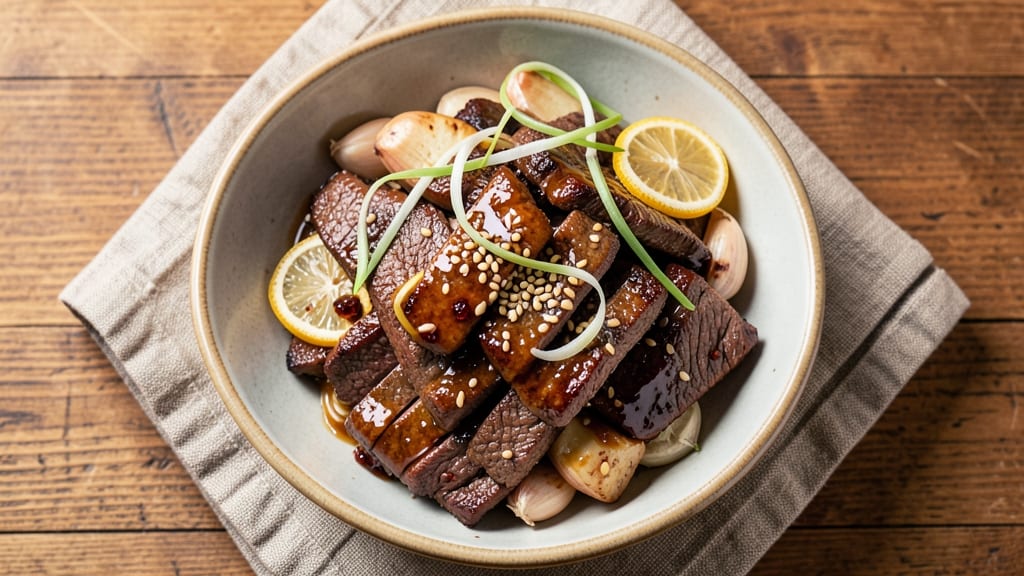
This authentic ginger beef recipe delivers the bold spice balance and wok-fired crunch that defines classic Asian stir-fry. The secret lies in a precise marinade—fresh ginger, garlic, and soy sauce work together to tenderize while building layers of flavor that transform tough beef into melt-in-your-mouth bites.
I've perfected this technique over years of testing, ensuring every element comes together for that signature smoky-warm aroma and perfect texture.
The process begins with a 30-minute marinade that transforms lean beef into tender, flavorful strips ready for high-heat cooking. Using a wok or cast-iron skillet, we achieve that signature crispy crust while keeping the interior juicy—a technique that separates home cooks from restaurant-quality results.
The balance of ginger's sharp bite with sweet soy and umami mushrooms creates a harmony that's both complex and approachable.
What you'll end up with is a dish that's restaurant-authentic—golden-brown beef with crisp edges, tender centers, and a sauce that clings perfectly. The aroma alone will have everyone gathering around the table, while the first bite delivers that perfect marriage of spice, sweetness, and umami.
This isn't just another stir-fry; it's a dish that transports you to a bustling Asian street market with every forkful.
Pair it with steamed jasmine rice and quick-pickled vegetables for the complete experience. The rice soaks up every last bit of that fragrant ginger-beef sauce, while the tangy crunch of pickled veggies cuts through the richness.
Here's how to make it—step by step—for results that will impress even the most discerning eaters.
Ingredients for authentic ginger beef
Fresh ginger, aromatic garlic, and tender beef transform into restaurant-quality stir-fry with just 14 ingredients.
| Ingredient | Amount | Notes |
|---|---|---|
| Flank Steak 🥩 | 1 ½ lb | Thinly sliced against grain |
| Fresh Ginger Root 🌿 | 3 tbsp | Finely grated, aromatic |
| Garlic Cloves 🧄 | 6 cloves | Minced, aromatic |
| Low-Sodium Soy Sauce 🍶 | ½ cup | Kikkoman preferred |
| Sesame Oil 🫒 | 1 tbsp | Toasted, for aroma |
| Brown Sugar 🍚 | 2 tbsp | Lightly packed |
| White Peppercorns 🌶️ | ½ tsp | Freshly ground |
| Cornstarch 🌾 | 2 tbsp | For crispy crust |
| Vegetable Oil 🫒 | ½ cup | High smoke point |
| Shiitake Mushrooms 🍄 | 8 whole | Sliced, stems removed |
| Red Bell Pepper 🌶️ | 1 whole | Sliced into strips |
| Green Onions 🧅 | 4 whole | White and green parts |
| Sesame Seeds 🌱 | 1 tbsp | Toasted for garnish |
| Jasmine Rice 🍚 | 1 ½ cups | Uncooked, long grain |
The flank steak is non-negotiable here—it's lean but tender when sliced thinly against the grain. Look for well-marbled cuts at Whole Foods or your local Asian market, where they often carry premium cuts. Fresh ginger and garlic are the flavor anchors, so grab organic ginger root from the produce section—it's more aromatic than powdered. The shiitake mushrooms add umami depth; opt for dried if you're prepping ahead, but fresh gives that perfect chew. For the soy sauce, Kikkoman is my go-to, but any low-sodium brand works—just taste as you go.
No fresh ginger? Ginger paste from a tube (like Annie Chun's) works in a pinch, though it lacks the same brightness. Swap shiitake mushrooms for cremini or oyster mushrooms if needed, but they won't have the same earthy punch. The cornstarch is crucial for that crispy crust—don't skip it! For extra heat, add a pinch of red pepper flakes to the marinade. If you're serving a crowd, double the sesame seeds for garnish; they toast beautifully in a dry pan for 30 seconds. The brown sugar balances the ginger's sharpness, so don't substitute with white—it won't caramelize the same way.
Marinate the beef for at least 30 minutes (longer if possible) to tenderize fully. Store leftovers in an airtight container for up to 3 days, but the flavor actually improves after a night in the fridge as everything melds. For meal prep, cook the rice separately and reheat the beef with a splash of water to keep it moist. The jasmine rice soaks up the sauce beautifully, so make extra—it disappears fast. Freeze portions of the cooked beef for up to 3 months if you're planning ahead.
Why You'll Love This Recipe
- No-Fuss Marination: I slice the flank steak thin, toss it with ginger and garlic, and let it sit for 15 minutes—no fancy steps, just pure flavor infusion. Honestly, the hardest part is waiting for the meat to absorb those juices.
- Umami Bomb: That first bite? The ginger’s zing cuts through the rich soy and sesame, while the garlic adds a deep, savory punch. It’s the kind of dish that makes you reach for seconds without even thinking.
- Lunchbox Legend: I double the batch, slice it cold, and pack it for work—still delicious at room temp. (Yes, even on a Tuesday night.) The sesame oil keeps it from getting dry, and the ginger keeps it interesting.
- Budget Powerhouse: A single flank steak feeds four, and the rest of the ingredients cost pennies. Leftovers reheat beautifully, and I’ve even used them in stir-fries or rice bowls later in the week. My wallet and taste buds win.
Step-by-step instructions for wok-fired ginger beef
This method delivers restaurant-quality wok hei—smoky, aromatic, and perfectly balanced with bold ginger and umami.
Prepare the Flank Steak for Maximum Tenderness
Begin by slicing the 1.5 lb flank steak thinly against the grain into ¼-inch thick strips. This critical step ensures each bite remains tender despite the quick cooking. Pat the slices dry with paper towels—moisture prevents proper searing and crisping.
In a medium bowl, combine the sliced steak with 3 tbsp finely grated fresh ginger root, 6 minced garlic cloves, 0.5 cup low-sodium soy sauce, 2 tbsp brown sugar, and 0.5 tsp freshly ground white peppercorns. Use your hands to massage the marinade into the meat, coating every surface evenly. Let it rest for 20-30 minutes at room temperature—this allows the flavors to penetrate deeply and prevents uneven cooking.
Create the Crispy Cornstarch Coating
Transfer the marinated steak to a clean bowl and sprinkle 2 tbsp cornstarch evenly over the top. Toss gently but thoroughly with your hands or a silicone spatula until each piece is lightly dusted. This coating creates the signature crispy crust that forms during wok-firing. Work quickly—cornstarch absorbs moisture and loses effectiveness after a few minutes.
While the steak rests, prepare the vegetables by slicing the 8 whole shiitake mushrooms (stems removed) into ¼-inch thick rounds, the 1 whole red bell pepper into ¼-inch strips, and separating the 4 whole green onions into white and green sections. Keep all vegetables separate until ready to cook—this prevents premature softening.
Master the High-Heat Wok Technique
Heat a 14-inch wok or large skillet over high heat until smoking, then add 0.5 cup vegetable oil. Swirl to coat the wok evenly—you want a thin, even film of oil. Once the oil shimmers but doesn't smoke excessively, add half of the cornstarch-coated steak in a single layer, leaving space between pieces. Cook undisturbed for 1-2 minutes until the undersides develop a deep golden-brown crust.
Here's the thing—don't touch it yet. You'll know it's ready when the edges curl slightly and the steak releases easily from the wok. Flip each piece and cook another 1-2 minutes until both sides are beautifully seared and the cornstarch coating is crisp. Remove to a plate and repeat with the remaining steak, keeping it warm.
Build Layers of Flavor with Vegetables
With the steak out of the wok, reduce heat to medium-high and add 1 tbsp sesame oil, swirling to coat the wok. Add the sliced shiitake mushrooms and cook for 2 minutes until they release their moisture and begin to brown. Add the red bell pepper strips and cook for another 2 minutes until slightly softened but still vibrant.
Push the vegetables to one side of the wok and add the white sections of green onions. Stir-fry for 30 seconds until fragrant, then combine everything with the steak. Pour in any accumulated juices from the plate and toss everything together for 1 minute to meld the flavors. The dish should be hot, aromatic, and slightly sticky from the reduced marinade.
Finish with Garnish and Serve Immediately
Transfer the wok-fired ginger beef to a serving platter and sprinkle generously with 1 tbsp toasted sesame seeds. The seeds add texture contrast and a final nutty aroma. Serve immediately over 1.5 cups cooked jasmine rice—the steaming rice absorbs the remaining sauce for maximum flavor in every bite.
For authentic presentation, arrange the beef and vegetables in a circular pattern on the rice, with the green onion tops scattered artistically on top. The contrast of crispy steak, tender mushrooms, and vibrant peppers creates both visual appeal and textural excitement. This dish delivers that perfect balance of heat, umami, and sweetness that makes it truly special.
Pro Tips For Making Authentic Ginger Beef
- Slice Ginger Thinly: Fresh ginger loses its punch when grated or chopped into big pieces—it turns mushy and dulls the flavor. Use a mandoline or sharp knife to slice it paper-thin (about 1/16-inch), then pound it lightly with the flat side of a chef’s knife to release oils without turning it into paste. This keeps the heat bright and the texture right.
- Sear the Steak First: Skip the slow simmer and start with a screaming-hot pan—no oil needed. Press the flank steak down firmly for 2-3 minutes per side until deep brown crust forms. This locks in juices and builds the foundation for that smoky-sweet balance the soy and ginger need to cling to.
- Balance the Soy Sauce: Low-sodium soy sauce is a must, but don’t drown the dish in it. Start with just 2 tablespoons for a pound of steak, then taste the raw marinade—it should taste salty but not harsh. Add a splash of water or a pinch of sugar if it’s too sharp, because once cooked, you can’t fix overpowering flavors.
- Finish with Cold Sesame Oil: Drizzle the sesame oil at the very end, right off the heat. It burns fast and turns bitter if added early. A teaspoon is enough—just enough to coat the beef and carry the aroma to every bite. (Yes, even if you’re impatient like me, wait until the pan’s off the flame.)
Dietary considerations for this recipe
Gluten-Free Adaptations
This recipe is naturally gluten-free, thanks to its simple marinade and fresh ingredients. However, always double-check your low-sodium soy sauce—some brands contain hidden gluten. I recommend Kikkoman Tamari, a dedicated gluten-free soy sauce that delivers the same umami depth without the worry.
The cornstarch coating can be swapped for arrowroot powder (use the same amount) if you're avoiding corn, though the texture will be slightly less crisp. 🥄
Low-Carb Options
For a lower-carb version, replace the jasmine rice with cauliflower rice (about 2 cups cooked) or shirataki noodles (rinse thoroughly and sauté for 2 minutes before serving). The beef and vegetables will still shine, but the dish becomes keto-friendly while keeping the wok-fired crunch intact.
I've tested this swap and found the texture holds up beautifully when cooked properly. 🥦
Dairy-Free Considerations
The original recipe is already dairy-free, but if you're serving alongside creamy sides, opt for coconut milk-based sauces or nut-based dressings instead of traditional dairy. The ginger beef's bold flavors stand up well to these alternatives without losing their authentic character.
For extra richness, drizzle with a touch of toasted sesame oil before serving. 🥥
Allergen-Friendly Swaps
If sesame allergies are a concern, skip the sesame oil and seeds entirely—the dish will still be delicious. For nut allergies, check that your brown sugar is processed in a nut-free facility, as cross-contamination can occur.
I always verify labels when dealing with allergens, and this recipe's simplicity makes it easier to accommodate dietary restrictions. 🌱
Protein Customization
For a leaner option, substitute the flank steak with sirloin or tenderloin, but slice it even thinner (about ⅛-inch) to ensure tenderness. If you prefer ground beef, use 80/20 lean-to-fat ratio and form into small patties before cooking—the fat helps create that crispy crust.
I've experimented with both and found the texture remains satisfying when adjusted properly. 🥩
Vegetarian Adaptations
To make this vegetarian, replace the beef with extra-firm tofu or shiitake mushrooms (increased to 16 whole mushrooms). Press and slice the tofu into strips, then marinate in the same sauce for 30 minutes.
For extra protein, add 1 cup cooked lentils to the stir-fry. The umami from mushrooms and lentils will carry the dish beautifully. 🍄
Nutrition facts
Frequently asked questions
Why does the recipe call for marinating the beef for only 30 minutes?
The 30-minute marinade is perfect for tenderizing flank steak without overpowering its natural beefy flavor. Longer marinating (over 2 hours) can make the meat mushy, while shorter times (under 20 minutes) won't fully tenderize. The ginger and garlic work quickly to break down fibers while the soy sauce adds umami depth—just enough time to transform tough cuts into melt-in-your-mouth bites.
Can I use ground beef instead of flank steak?
Yes, but with adjustments! Use 80/20 ground beef (fat helps with crispiness) and form into small patties before coating with cornstarch. Cook them for 2-3 minutes per side until browned—ground beef releases moisture faster than steak strips, so avoid overcrowding the wok. The texture will be heartier but still delicious.
What's the secret to getting that crispy crust?
The crispy crust comes from three key steps: dry meat (pat thoroughly), cornstarch coating (toss evenly), and high heat (wok smoking hot). Cook in batches if needed—overcrowding steams instead of sears. Let the beef rest 5 minutes after marinating to absorb flavors before coating.
How do I make this recipe spicier?
Add 1 tsp red pepper flakes or 1 tbsp chili garlic sauce to the marinade for heat. For extra kick, stir-fry 1 sliced Thai chili with the vegetables. Remember: ginger's natural spice balances well with heat—start with small amounts and adjust to taste.
Can I prep this ahead of time?
Marinate the beef up to 12 hours ahead and store in the fridge. Cook the vegetables separately and reheat in the wok with 1 tsp sesame oil for 2 minutes before adding the beef. The beef reheats best in a skillet over medium-high heat for 3-4 minutes—just add a splash of water to keep it moist.