
Soups & Stews
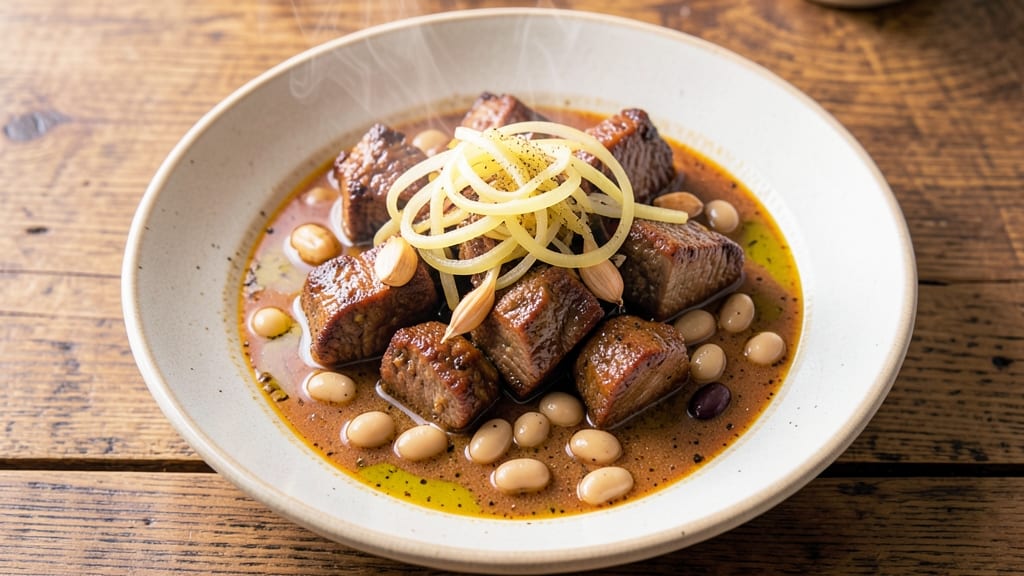
This beef and bean curry recipe transforms tough cuts of beef into melt-in-your-mouth tenderness, all while delivering deep, aromatic flavors that stay rich even after reheating.
The slow-simmered technique builds layers of spice—warm cumin, earthy coriander, and a touch of cinnamon—that harmonize beautifully with the creamy coconut base and hearty beans. I’ve refined this recipe over years of testing, balancing traditional techniques with modern shortcuts to ensure it’s approachable yet restaurant-worthy.
The secret lies in proper spice blooming and slow cooking—never rushing the process. Sautéing whole spices in hot oil releases their essential oils, creating a fragrant foundation before the beef and beans join the simmer.
A 30-minute head start on the sauce (while you prep other elements) prevents the dish from tasting flat, and the coconut milk’s natural richness mellows the spices into perfect balance.
This isn’t just a curry; it’s a flavor journey that starts with a sizzle and ends with a satisfying, aromatic finish.
By the time you’re ready to serve, you’ll have a deeply flavorful stew with tender beef, plump beans, and a sauce that clings perfectly to every bite. The spices linger on the palate, while the coconut adds a velvety contrast—ideal for serving over steamed basmati rice or with warm naan.
Garnish with fresh cilantro and a squeeze of lime to brighten the dish, and you’ve got a meal that’s both comforting and impressive enough for guests.
Whether you’re cooking for a weeknight dinner or a special occasion, this curry adapts effortlessly. Double the batch for leftovers that reheat beautifully, or swap in chickpeas for extra protein. The technique is foolproof, but the reward—rich, layered flavor—is anything but ordinary. Let’s get cooking.
Ingredients for beef and bean curry
Transform tough beef and humble beans into restaurant-worthy curry with these aromatic ingredients.
| Ingredient | Amount | Notes |
|---|---|---|
| Chuck Roast 🥩 | 1 ½ lb | Tough cut for slow cooking |
| Yellow Onions 🧅 | 2 whole | Diced, medium size |
| Coconut Milk 🥥 | 1 can | Full-fat, 13.5 oz |
| Garlic Cloves 🧄 | 6 cloves | Minced, fresh preferred |
| Ground Cumin 🌿 | 1 tbsp | Toasted for depth |
| Ground Coriander 🌿 | 1 tbsp | Freshly ground preferred |
| Ground Turmeric 🌶️ | 1 tsp | Bright yellow color |
| Ground Cinnamon 🍃 | ½ tsp | Warm, aromatic |
| Dried Red Chili Flakes 🌶️ | 1 tsp | Adjust for heat |
| Fresh Ginger Root 🌿 | 2 tbsp | Grated, peeled |
| Diced Tomatoes 🍅 | 1 can | 14.5 oz, fire-roasted |
| Brown Lentils 🌾 | 1 ½ cups | Dried, rinsed well |
| Beef Broth 💧 | 2 cups | Low-sodium preferred |
| Extra-Virgin Olive Oil 🫒 | 2 tbsp | For spice blooming |
| Salt 🧂 | 1 ½ tsp | Kosher or sea salt |
| Black Pepper 🌶️ | ½ tsp | Freshly ground |
| Fresh Cilantro 🌿 | ¼ cup | Chopped, for garnish |
| Lime Juice 🍋 | 2 tbsp | Freshly squeezed |
The chuck roast is your secret weapon—its tough fibers break down beautifully during the slow simmer, creating melt-in-your-mouth texture. Costco or Whole Foods carry excellent cuts, but any grocery store's pre-cut chuck will work. Look for good marbling—those little white fat streaks are what keep the meat juicy. If you're buying a whole roast, ask the butcher to cube it for you (they'll often do it free). For the lentils, brown or green both work, but brown holds up better to longer cooking. Rinse them well before adding to remove any bitterness. The coconut milk? Full-fat only—it's what gives the sauce that velvety richness. I always grab Thai Kitchen brand from the Asian aisle—it's consistently creamy and affordable.
No fresh ginger? Substitute with 1 tbsp of ground ginger, but it won't have the same zing. Running low on cumin? Coriander seeds toasted and ground work in a pinch, though the flavor profile shifts slightly. The tomatoes can be fresh if you prefer—just chop 2 medium tomatoes instead of using the can. For a quicker version, swap the lentils for 1 can of black beans (15 oz), drained and rinsed. The spices are non-negotiable though—blooming them in hot oil for 30 seconds releases their essential oils, creating that fragrant foundation. If you're short on time, use pre-ground spices, but freshly ground will always taste better. The red chili flakes can be adjusted to taste—start with less if you're sensitive to heat.
This curry tastes even better the next day as the flavors meld together. Store leftovers in an airtight container in the fridge for up to 5 days, or freeze portions for 3 months. I like to portion it into individual containers so I can grab a ready-to-reheat meal. The sauce thickens as it cools, so add a splash of broth or water when reheating. Garnish with fresh cilantro and lime juice right before serving to brighten the dish—don't skip this step. The lime juice cuts through the richness of the coconut milk, balancing all the spices perfectly. If you're making this ahead for a party, prepare the sauce base a day in advance and store it separately from the cooked beef and beans—reheat everything together when ready to serve.
Why You'll Love This Recipe
- Slow-Cooker Magic: The chuck roast practically melts into tender perfection while you’re out running errands. No babysitting the stove—just dump, press start, and come home to a pot that smells like a hug.
- Cumin-Kissed Depth: That toasted cumin and garlic? It layers like a warm blanket—earthy, slightly sweet, with just enough heat to linger. The coconut milk smooths it all into something dangerously addictive.
- Leftovers That Shine: This curry tastes even better the next day, especially over rice or tucked into tortillas. I’ll be real: I’ve had it cold for lunch and still craved more.
- Budget-Friendly Feast: Chuck roast stretches across multiple meals, and canned beans keep costs low without sacrificing flavor. Honestly, it’s my go-to when I need to feed a crowd without breaking the bank.
Step-by-step instructions for beef and bean curry
Here's how to craft a rich, aromatic curry where tender beef and hearty lentils meld into a velvety coconut embrace.
Sear the Chuck Roast for Deep Flavor
Heat a large, heavy pot over medium-high heat and add the 2 tablespoons extra-virgin olive oil. Once shimmering, place the 1.5 lb chuck roast in the pot and sear on all sides until deep golden brown, about 8-10 minutes total. This step develops the Maillard reaction, creating complex flavors that will infuse the entire curry.
While the beef browns, dice the 2 whole yellow onions into even ½-inch pieces and grate the 2 tablespoons fresh ginger root. Set these aside—they'll join the pot shortly. The onions should be uniformly sized so they cook evenly throughout the simmering process.
Build the Spice Base and Bloom the Aromatics
Push the seared beef to one side of the pot and add the diced onions to the same oil. Cook them for 5-6 minutes until softened and beginning to caramelize. Add the 6 minced garlic cloves and stir for 30 seconds until fragrant—this prevents burning while releasing their sweet, pungent aroma.
Reduce heat to medium-low, then add the 1 tablespoon ground cumin, 1 tablespoon ground coriander, 1 teaspoon ground turmeric, ½ teaspoon ground cinnamon, and 1 teaspoon dried red chili flakes. Stir constantly for 1-2 minutes until the spices bloom and fill the kitchen with their warm, earthy scent. This is where the curry's soul develops—don't rush this step.
Deglaze and Simmer the Foundation
Pour in the 2 cups beef broth and scrape up any browned bits from the bottom of the pot with a wooden spoon. Add the 1 can diced tomatoes (with juices) and bring everything to a gentle simmer. The mixture should reduce slightly as it cooks, intensifying the flavors. Let this simmer uncovered for 15 minutes to develop the base.
Add the 1.5 cups brown lentils and the seared chuck roast back to the pot. The lentils will begin to absorb the liquid as they cook. Stir once to distribute everything evenly, then maintain a gentle simmer—not a rolling boil—for 1 hour 15 minutes. You'll know it's ready when the beef is fork-tender and the lentils are creamy but still hold their shape.
Finish with Coconut Milk and Bright Acidity
Open the 1 can coconut milk and stir in ½ of it (about 7 ounces) into the curry. Simmer for another 10 minutes, allowing the coconut to meld with the spices. Taste and adjust seasoning with the 1.5 teaspoons salt and ½ teaspoon black pepper—this curry should balance rich, spicy, and tangy flavors.
Remove from heat and stir in the remaining 7 ounces coconut milk. The sauce should be luxuriously thick but still coat the back of a spoon. Finish with the 2 tablespoons lime juice and ¼ cup chopped fresh cilantro, stirring gently to incorporate. Let it rest for 5 minutes—this allows the flavors to marry and the lime to brighten without overpowering.
Serve with Warm Accompaniments
Ladle the curry into bowls and serve immediately with steamed basmati rice or warm naan bread. The contrast of the fluffy rice against the hearty curry creates the perfect balance. Garnish each serving with an extra sprinkle of cilantro and a wedge of lime for that final burst of acidity.
This curry tastes even better the next day as the flavors deepen. Store leftovers in an airtight container in the refrigerator for up to 4 days, or freeze for 3 months. The lentils and beef will continue to tenderize, making every bite more satisfying.
Pro Tips For Making Beef And Bean Curry
- SEAR THE ROAST FIRST: Chuck roast releases less fat than steaks, so don’t skip browning—it builds flavor. Heat your pot until a drop of water sizzles instantly, then pat the meat very dry before searing in batches. I learned this the hard way when my curry tasted bland because the meat just simmered instead of caramelizing.
- SWEAT ONIONS LOW AND SLOW: Yellow onions turn bitter if rushed. Cook them over medium-low heat for 8–10 minutes until translucent and slightly sticky—no color yet. If they brown too fast, you’re burning the sugars, and that’s a shortcut to bitterness. (Yes, even if you’re impatient like me.)
- STIR IN COCONUT MILK GRADUALLY: Dumping all the coconut milk at once dilutes the spices and makes the curry watery. Instead, add about ½ cup at a time as the meat simmers, letting it thicken slightly between additions. This keeps the sauce rich without turning it into soup.
- TOAST THE CUMIN FIRST: Ground cumin loses its earthy punch if added raw. Dry-toast it in the pot for 30 seconds until fragrant before adding onions—it deepens the flavor without burning. I was skeptical until I tried it; now I never skip this step.
Serving suggestions for this dish
Rice Pairing Perfection
Steamed basmati rice is my go-to pairing—its delicate, floral aroma complements the curry’s bold spices without overpowering them. Use a 1:2 ratio of curry to rice, and cook the rice in 1 cup water per ½ cup uncooked rice with a pinch of salt.
For extra fluffiness, rinse the rice 3 times before cooking. 🌟
For a quicker option, try jasmine rice—its slightly nutty profile stands up to the coconut milk’s richness. If you prefer texture, toast the rice in a dry pot over medium heat for 2 minutes before adding water to enhance its nutty flavor.
Bread for Scooping
Warm naan or roti makes this curry a full meal. Brush store-bought naan with garlic butter (melt 1 tbsp butter with 1 minced garlic clove) before serving. For homemade options, try garlic paratha—folded flatbreads with a crisp exterior and soft interior. 🥖
For a gluten-free alternative, serve with cauliflower rice sautéed with 1 tbsp olive oil and ½ tsp turmeric for color. The light texture contrasts beautifully with the hearty curry.
Fresh Garnishes
Brighten every bowl with ¼ cup chopped cilantro and 2 tbsp lime juice. The cilantro adds freshness, while the lime cuts through the coconut’s richness. For a smoky touch, sprinkle ¼ tsp smoked paprika over each serving. 🍋
Add a final garnish of toasted coconut flakes (toast 2 tbsp unsweetened flakes in a dry pan for 2 minutes) for crunch and visual appeal. Serve with extra lime wedges on the side for guests to squeeze to taste.
Extra Flavor Boosters
Drizzle each serving with 1 teaspoon of yogurt sauce (mix 2 tbsp plain yogurt with ½ tsp roasted cumin and 1 tsp lemon juice) for a cooling contrast. This balances the heat and adds creaminess. 🥄
For heat lovers, serve with pickled onions (quick-pickle ½ red onion in ¼ cup vinegar and 1 tsp sugar for 10 minutes) to cut through the richness. The tangy crunch elevates every bite.
Nutrition facts
Frequently asked questions
Can I substitute lentils with another type of bean?
For a quicker version, use 1 can black beans (15 oz) or 1 can chickpeas instead of lentils. Both work well and cut 30 minutes off cooking time. If using canned beans, drain and rinse thoroughly to remove excess sodium. For texture, try kidney beans or pinto beans—just increase cooking time by 15 minutes to ensure tender results.
Why does my curry taste bland after simmering?
Blandness usually means the spices didn't bloom properly or the sauce needs more acidity. First, ensure you sautéed whole spices in hot oil for 1-2 minutes before adding liquids. If it's still flat, boost flavor by adding 1 extra tablespoon of lime juice or a pinch of salt at the end. For depth, stir in 1 teaspoon of fish sauce (trust me, it works!) or a splash of soy sauce to enhance umami.
How do I make this curry in a slow cooker?
Transfer the seared beef, onions, and spices to your slow cooker, then add all remaining ingredients except the coconut milk and lime. Cook on LOW for 6-7 hours or HIGH for 3-4 hours until the beef is tender. Stir in the coconut milk and lime during the last 30 minutes of cooking. The slow cooker's gentle heat lets the flavors meld beautifully, making it even more forgiving than stovetop.
Can I use ground beef instead of chuck roast?
Yes, but the texture will differ. For best results, use 1 lb lean ground beef (85/15 ratio) and brown it thoroughly before adding spices. Since ground beef cooks faster, reduce the simmering time to 45-60 minutes after adding lentils. For extra richness, stir in 2 tablespoons of tomato paste with the spices to compensate for the lack of connective tissue in ground meat.
What's the best way to reheat leftovers?
Reheat gently to preserve texture. In a saucepan, warm over medium-low heat for 5-7 minutes, stirring occasionally. If using the microwave, cover with a damp paper towel and heat in 30-second intervals, stirring between each. Add a splash of beef broth or water if the sauce thickens too much. The curry tastes even better reheated as flavors deepen overnight!