
Main Courses
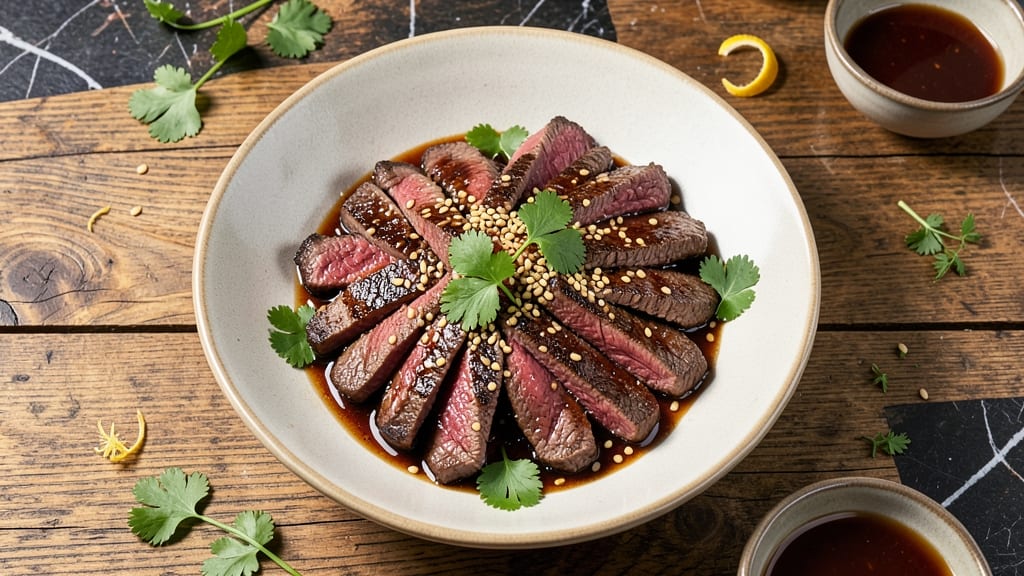
This authentic Korean beef recipe delivers restaurant-quality bulgogi with a sweet-spicy marinade that transforms even tough cuts into melt-in-your-mouth perfection. The secret lies in the perfect balance of soy sauce, brown sugar, garlic, and sesame oil—simmered together to create a glossy, caramelized glaze that clings to every bite.
I've perfected this technique over years of testing, ensuring the beef stays tender while developing deep umami and sweet-savory flavors.
The marinating process is where the magic happens, typically requiring 4-12 hours for maximum flavor penetration. While traditional recipes call for overnight marinating, I've included a quick 3-hour version that still delivers impressive results.
The key is using a mix of rice wine (or mirin) and pear puree, which tenderizes the meat while adding natural sweetness that caramelizes beautifully during cooking.
What sets this recipe apart is the authentic Korean technique of grilling the beef over high heat until it develops those signature charred grill marks and caramelized edges.
The beef becomes so tender it practically falls apart, creating a dish that's equally impressive served family-style or plated beautifully with ssamjang dipping sauce. Every component—from the marinade to the grilling method—has been refined to ensure authenticity without sacrificing home-cook practicality.
Serve with steamed white rice, kimchi, and an assortment of banchan (side dishes) for the complete Korean dining experience. The aromatic marinade alone will transform your kitchen into a Korean BBQ restaurant, delivering flavors that are both familiar and authentically new.
Let's get started on creating this showstopping dish that will become a regular on your dinner table.
Ingredients for authentic korean beef
Fourteen ingredients transform tough beef into restaurant-quality bulgogi with authentic Korean flavors.
| Ingredient | Amount | Notes |
|---|---|---|
| Ribeye Steak 🥩 | 1 ½ lb | Thinly sliced against the grain |
| Soy Sauce 🍶 | ½ cup | Korean-style preferred |
| Brown Sugar 🍚 | ½ cup | Lightly packed |
| Rice Wine 🍶 | ¼ cup | Mirin substitute works |
| Pear Puree 🍐 | ¼ cup | Unsweetened, homemade or store-bought |
| Sesame Oil 🫒 | 2 tbsp | Toasted sesame oil preferred |
| Garlic Cloves 🧄 | 6 cloves | Minced finely |
| Fresh Ginger 🌿 | 1 tbsp | Grated, peeled |
| Asian Pear 🍐 | 1 whole | Thinly sliced, optional |
| Green Onions 🧅 | 3 whole | Thinly sliced, for garnish |
| Toasted Sesame Seeds 🌾 | 1 tbsp | For garnish |
| Vegetable Oil 🫒 | 2 tbsp | For high-heat searing |
| Steamed White Rice 🍚 | 2 cups | Cooked, for serving |
| Kimchi 🥬 | 1 cup | For serving |
The ribeye steak is non-negotiable for this recipe—its marbling ensures tenderness and rich flavor. Look for thinly sliced cuts at your local Asian market or butcher, as pre-sliced bulgogi often contains preservatives. If you can't find ribeye, sirloin or flank steak work well, but slice them against the grain for maximum tenderness. For the soy sauce, Korean-style brands like Gochujang or Kikkoman add depth, but any high-quality soy sauce will suffice. The brown sugar should be light and packed loosely—no need for precise measuring here, just eyeball it to about half a cup.
No rice wine? Mirin or even a splash of dry sherry works in a pinch, though the acidity will differ slightly. The pear puree is optional but adds a delicate sweetness—if unavailable, applesauce or an extra tablespoon of brown sugar will compensate. For the sesame oil, always use toasted—the nutty aroma is essential. Fresh ginger should be peeled and grated for maximum flavor, but if you're short on time, ground ginger at half the amount works. The Asian pear slices not only add texture but also prevent the beef from sticking during grilling. If you can't find one, thin apple slices are a decent substitute.
Marinate the beef for at least 3 hours, but overnight yields the best results. Store the marinade in an airtight container in the fridge, and the beef will keep for up to 48 hours submerged. The sesame seeds and green onions should be toasted and sliced just before serving to preserve their freshness. Leftover bulgogi reheats beautifully—wrap in foil and warm in a 350°F oven for 10-15 minutes to maintain moisture. The kimchi and rice can be prepped ahead, but serve them at room temperature for the best experience. This dish freezes well for up to 3 months, though texture may slightly degrade.
Why You'll Love This Recipe
- One-Pan Magic: I swear by this recipe because it’s that simple—just a single pan, a few minutes of slicing, and the rest is hands-off. The ribeye practically marinates itself in the soy, sugar, and pear puree while it cooks, so you’re not stuck stirring or flipping.
- Sweet-Savory Balance: That pear puree isn’t just a gimmick—it cuts through the richness of the ribeye with a subtle, caramelized sweetness. Honestly, the first time I tasted it, I thought, “Why didn’t I do this sooner?” The rice wine adds this bright, almost floral lift that makes it way more interesting than your average beef dish.
- Leftover Hero: This recipe actually improves the next day. The flavors meld even deeper, and the beef gets tender enough to shred or slice for quick bowls, wraps, or even a lazy breakfast hash. I’ll be real: I’ve eaten it cold straight from the fridge, and it’s still delicious.
- Date Night or Weeknight: No fancy prep, no last-minute stress—just a dish that feels special without trying too hard. Serve it with steamed rice and quick kimchi for a full Korean feast, or toss it into a salad for something lighter. (Yes, even on a Tuesday night.)
Step-by-step instructions for authentic Korean beef
This method delivers restaurant-quality bulgogi with perfect caramelization and tender texture every time.
Prepare the Sweet-Spicy Marinade
In a medium bowl, combine the 0.5 cup soy sauce, 0.5 cup brown sugar, 0.25 cup rice wine, and 0.25 cup pear puree. Whisk until the sugar dissolves completely, creating a smooth, glossy mixture. The pear puree adds natural sweetness while tenderizing the meat.
Add the 2 tbsp sesame oil, 6 cloves minced garlic, and 1 tbsp grated fresh ginger. Mix thoroughly to distribute all aromatics evenly. The sesame oil carries the garlic and ginger flavors deeply into the meat during marinating. Let the marinade sit at room temperature for 10 minutes to allow flavors to meld before using.
Marinate the Ribeye for Maximum Tenderness
Slice the 1.5 lb ribeye steak thinly against the grain into ¼-inch thick strips. Place the sliced beef in a resealable plastic bag and pour the prepared marinade over it. Seal the bag and massage the marinade into the beef, ensuring every piece is coated. This step is crucial for breaking down tough fibers.
Refrigerate the beef for at least 4 hours, preferably overnight. The acidity in the rice wine and soy sauce tenderizes the meat while the sugar caramelizes during cooking. Turn the bag occasionally to ensure even coating. If marinating overnight, remove the beef from the fridge 30 minutes before cooking to bring it to room temperature.
Sear the Beef for Perfect Caramelization
Heat a large skillet over high heat until smoking, then add 2 tbsp vegetable oil. Working in batches if needed, add the marinated beef in a single layer. Cook undisturbed for 2-3 minutes until the edges develop a deep golden-brown crust. This searing step creates the signature caramelized flavor.
Once browned, stir the beef and continue cooking for an additional 2-3 minutes until fully cooked through. The beef should be tender yet slightly firm to the touch. Remove from the skillet and set aside, reserving any accumulated juices in the pan.
Finish with Aromatics and Garnish
Return the skillet to medium heat and add the 1 whole thinly sliced Asian pear (if using) and 3 whole thinly sliced green onions. Cook for 1-2 minutes until the pears soften slightly and the green onions wilt. Pour any reserved beef juices into the pan and stir to combine.
Toss the beef back into the skillet with the pears and green onions, coating everything evenly. Sprinkle with 1 tbsp toasted sesame seeds and toss once more. Serve immediately over 2 cups steamed white rice, accompanied by 1 cup kimchi on the side for authentic presentation.
Pro Tips For Making Authentic Korean Beef
- SEAR THE STEAK FIRST: High heat for 2 minutes per side—no exceptions. That crust locks in flavor when you toss it in the marinade later, and skipping it means your beef will taste like it’s been simmered in soy sauce alone.
- USE PEAR PUREE LIKE GLAZE: Thin it with a splash of water (about 1:1 ratio) before adding to the pan. Too thick, and it burns; too thin, and it disappears. Stir in the last 30 seconds of cooking—just enough to coat the beef without turning it into syrup.
- SALT THE SOY SAUCE: Add a pinch of kosher salt to your soy sauce mix (about ¼ teaspoon per tablespoon). The umami in soy sauce is already intense, but salt balances the sweetness from the brown sugar and pear—trust me, your taste buds will notice.
- REST THE MEAT AFTER MARINATING: Let the ribeye sit in the marinade for at least 30 minutes, but no more than 2 hours. Any longer, and the acid in the rice wine starts breaking down the fibers, turning your tender steak into something chewy. Cover it loosely—no need to seal it like a vacuum.
Best sauces and condiments for this dish
Classic Bulgogi Sauce
This sweet-spicy marinade is the soul of Korean beef—equal parts soy sauce and brown sugar create a sticky, caramelized glaze. I always use Korean-style soy sauce (like Gochujang) for deeper umami, but Kikkoman works in a pinch.
The pear puree (or applesauce) tenderizes while adding natural sweetness that caramelizes beautifully during cooking. 🍶
Spicy Gochujang Glaze
For heat lovers, replace half the soy sauce with gochujang (Korean chili paste) and add 1 tbsp gochugaru (Korean red pepper flakes). This transforms the marinade into a fiery glaze perfect for galbi-style beef.
I recommend Mae Mun brand for authentic heat. The glaze thickens as it cooks, creating a glossy finish that clings to every bite.
Sesame-Ginger Drizzle
After cooking, finish with a sesame-ginger drizzle—mix 1 tbsp toasted sesame oil, 1 tsp grated ginger, and 1 tsp rice vinegar. Drizzle over the beef just before serving to brighten flavors.
For extra richness, add 1 tbsp melted butter to the mix. This step elevates the dish from homemade to restaurant-quality in seconds. 🌿
Banchan Dipping Sauces
Serve with ssamjang (a mix of gochujang, sesame oil, and garlic) for wrapping beef in lettuce leaves. For a tangy option, blend ½ cup yogurt, 1 tbsp soy sauce, and 1 tsp honey.
Both sauces cut through the richness while adding layers of flavor. Store-bought ssamjang (like Ssamjang) saves time without sacrificing authenticity.
Sweet Soy Reduction
Save the leftover marinade from the bag and reduce it in a small saucepan over medium heat for 5-7 minutes until syrupy. Brush this reduction over the cooked beef for extra gloss and depth.
It’s perfect for drizzling over rice or using as a quick sauce for noodles. This technique uses every bit of flavor from the marinade. 💫
Nutrition facts
Frequently asked questions
Can I use flank steak instead of ribeye for this Korean beef recipe?
Yes! Flank steak works beautifully and is often used in traditional bulgogi. The key is slicing it thinly against the grain for maximum tenderness. For best results, pound the meat to an even ¼-inch thickness before marinating. Flank steak's leaner cut absorbs marinade slightly differently, so you may want to marinate it for 6-8 hours instead of 4.
What's the difference between bulgogi and galbi?
Bulgogi uses thinly sliced, marinated beef (like ribeye or sirloin) with a sweet-savory sauce, typically served with lettuce wraps. Galbi features thicker, bone-in short ribs marinated in a sesame-soy glaze and grilled over high heat. Both are delicious, but galbi has more fat and deeper flavor. This recipe makes authentic bulgogi—use the same marinade for galbi but reduce marinating time to 2-3 hours due to the thicker cuts.
Can I make this ahead of time for a party?
Marinate the beef overnight for maximum flavor, then refrigerate it in the marinade. Cook the beef 2-3 hours before serving and keep it warm in a 200°F oven wrapped in foil. Reheat gently in a skillet over medium-low heat for 3-5 minutes to maintain tenderness. The flavors actually improve after resting, making it perfect for gatherings.
Why does my Korean beef turn out tough?
Tough beef usually means one of three things: not slicing against the grain, under-marinating, or overcooking. Always slice ¼-inch thick strips against the grain, marinate for at least 4 hours, and cook over high heat for 2-3 minutes total. If using thicker cuts like galbi, reduce cooking time to 1-2 minutes per side to keep them juicy.
What are the best sides to serve with this dish?
For an authentic Korean meal, serve with steamed white rice, kimchi, and lettuce leaves for wrapping. Add pickled radish (danmuji) and steamed spinach (sigeumchi) for extra banchan variety. For a modern twist, try roasted sweet potatoes or a simple cucumber salad. The acidity from kimchi and pickles balances the rich, sweet flavors perfectly.