
Main Courses
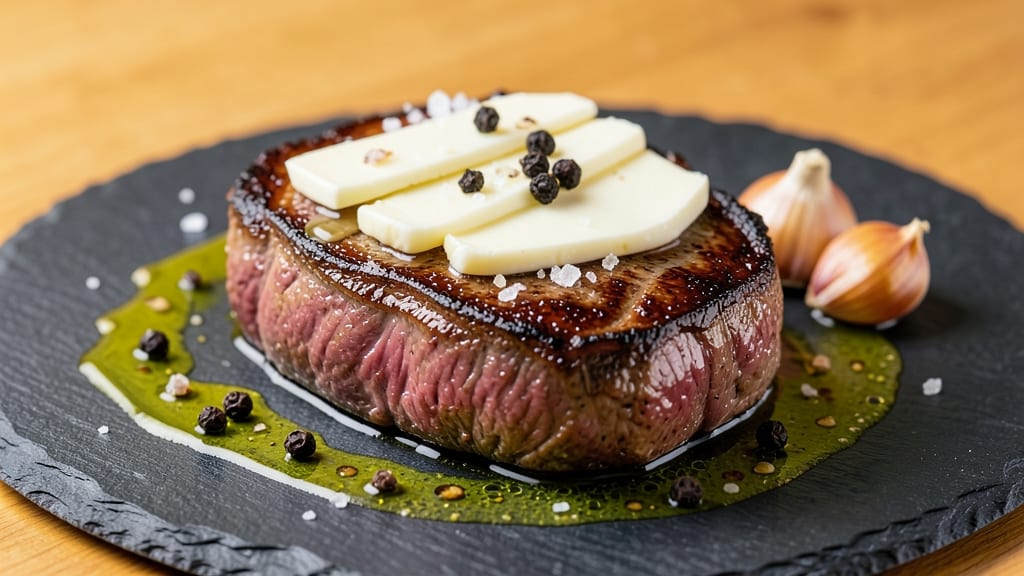
This angus beef ribeye steak recipe delivers the perfect balance of buttery crust and melt-in-your-mouth tenderness that transforms any dinner into a memorable experience. The secret lies in precise searing and proper resting—techniques that elevate simple ingredients into restaurant-quality results. I've perfected this method after years of testing, ensuring every bite delivers that ideal contrast of textures and flavors.
What sets this ribeye apart is the high-quality angus beef, known for its rich marbling that keeps the meat incredibly juicy even at higher doneness levels. A simple seasoning of coarse salt and freshly cracked black pepper enhances the beef's natural flavor without overpowering it.
The key to achieving that coveted crust is searing the steak in a hot cast-iron skillet until it develops a deep golden-brown exterior while maintaining a tender interior.
By following this method, you'll end up with a steak that's perfectly medium-rare inside, with a crust that's crispy enough to shatter between your teeth. The resting period is just as crucial—it allows the juices to redistribute, ensuring every bite is succulent and flavorful.
Serve with garlic butter, roasted potatoes, or a rich red wine reduction to complete the dining experience.
This recipe is designed for those who appreciate quality ingredients and precise techniques, resulting in a steak that's worth the effort. Whether you're cooking for a special occasion or treating yourself to a weeknight indulgence, this method guarantees a steak that will impress even the most discerning palates.
Ingredients for angus beef ribeye steak
High-quality angus beef meets precise technique for restaurant-quality steak at home.
| Ingredient | Amount | Notes |
|---|---|---|
| Angus Beef Ribeye Steak 🥩 | 1 ½ lb | Center-cut, 1-1.5 inches thick |
| Kosher Salt 🧂 | 1 ½ tbsp | Diamond Crystal preferred |
| Freshly Ground Black Pepper 🌶️ | 1 tbsp | Coarse grind for texture |
| Extra-Virgin Olive Oil 🫒 | 2 tbsp | High smoke point preferred |
| Unsalted Butter 🧈 | 2 tbsp | European-style preferred |
| Garlic Cloves 🧄 | 4 cloves | Fresh, peeled, smashed |
| Fresh Rosemary 🌿 | 2 sprigs | For garnish, stems removed |
| Cast-Iron Skillet 🍳 | 1 whole | 10-12 inches, well-seasoned |
| Meat Thermometer 🌡️ | 1 whole | Instant-read preferred |
The angus beef ribeye is non-negotiable here—look for USDA Prime with visible marbling throughout. Costco and specialty butchers like D'Artagnan carry center-cut options ideal for this recipe. Avoid pre-cut steaks from grocery store deli counters, as they often lack the proper thickness and marbling. If buying whole, ask for a 1.5-inch thick cut—this ensures even cooking and maximum juiciness. The steak should feel firm yet springy to the touch, with a rich red color that doesn't fade when exposed to air. For best results, let the steak sit at room temperature for 30-45 minutes before cooking to ensure even doneness.
No Diamond Crystal kosher salt? Morton coarse kosher salt works equally well, but avoid table salt—its fine grain won't create the proper crust. Freshly cracked black pepper is essential; pre-ground loses its potency quickly. For the garlic butter, European-style butter (like Plugrá) has higher fat content, creating a richer crust. Substituting with regular butter reduces the buttery flavor significantly. If you're short on time, pre-smashed garlic cloves (using the flat side of your knife) work just as well as minced. The cast-iron skillet must be completely dry** before adding oil—any moisture will cause the butter to sputter rather than create a proper crust.
Steak retains its peak tenderness for 2-3 hours at room temperature after cooking, but refrigerate leftovers within 1 hour to prevent bacterial growth. For optimal flavor, consume within 2 days—the crust loses its crispness over time. If you must store longer, vacuum-seal portions and freeze for up to 3 months. Reheat gently in a 350°F oven for 10-15 minutes with a splash of water to maintain moisture. The garlic butter can be stored in an airtight container for up to 5 days in the refrigerator, though it's best used fresh for maximum flavor impact.
Why You'll Love This Recipe
- The secret’s in the simplicity: just the steak, salt, pepper, oil, and butter. That’s it. No confusing spice blends or last-minute shopping runs—just pull it out of the fridge, season, and sear. (Yes, even on a Tuesday night.)
- Five-Ingredient Magic: The secret’s in the simplicity: just the steak, salt, pepper, oil, and butter. That’s it. No confusing spice blends or last-minute shopping runs—just pull it out of the fridge, season, and sear. (Yes, even on a Tuesday night.)
- Butter-Basted Luxury: The moment you flip that ribeye and the butter melts into the pan, your kitchen smells like a steakhouse. That crispy crust? Pure satisfaction. And honestly, it’s the easiest way to make something feel like a splurge without the restaurant price tag.
- Weeknight or Weekend: Need a quick dinner for two or a showstopper for guests? This steak handles both. Slice it thin for a fast weeknight meal, or serve it whole for a special occasion—same effort, different vibes. (My kids ask for it at both.)
Step-by-step instructions for perfectly cooked angus beef ribeye steak
Master this technique and you'll achieve a steak with a buttery crust and impossibly juicy interior every time.
Season and Rest the Steak for Optimal Flavor
Remove the 1.5 lb Angus Beef Ribeye Steak from the refrigerator and let it sit at room temperature for 30-45 minutes. This crucial step ensures even cooking throughout. Pat the steak dry completely with paper towels—moisture is your enemy when creating that perfect crust.
Generously season both sides with the 1.5 tbsp Kosher Salt and 1 tbsp Freshly Ground Black Pepper, pressing the salt into the meat so it adheres well. I like to make small circles with my fingers to create visual texture. Let the seasoned steak rest uncovered on a plate for another 10 minutes while you prepare your cooking equipment. This resting period allows the salt to penetrate slightly and the meat to come closer to room temperature for more even cooking.
Preheat the Cast-Iron Skillet and Create the Perfect Sear
Place the 1 whole Cast-Iron Skillet over medium-high heat for 5-6 minutes until it's screaming hot. You'll know it's ready when a drop of water sizzles and evaporates instantly. Add 2 tbsp Extra-Virgin Olive Oil and 2 tbsp Unsalted Butter to the skillet, swirling to coat the bottom evenly. The butter will foam and then subside—this is your signal to add the steak.
Carefully place the steak in the skillet, away from you to avoid oil splatter. Press down gently on the steak during the first 1 minute to prevent it from curling and ensure even contact with the pan. Cook undisturbed for 3-4 minutes until you develop a deep brown crust on one side. This crust is what locks in all those juices we worked so hard to preserve.
Add Aromatics and Flip for Even Cooking
Add the 4 cloves Garlic Cloves and 2 sprigs Fresh Rosemary to the skillet, pressing them gently into the fat. Flip the steak and cook for another 3-4 minutes on the second side. The garlic should sizzle immediately, releasing its aroma into the pan. This is where the magic happens—the garlic infuses the butter and oil, adding depth of flavor to both the crust and the steak itself.
For a medium-rare steak (the ideal doneness for ribeye), check the internal temperature with your 1 whole Meat Thermometer. Insert it horizontally into the thickest part of the steak—it should read 130-135°F. If you prefer a different doneness, use these temperature guidelines: 140°F for medium, 150°F for medium-well. Remember, the steak will continue cooking slightly as it rests.
Rest and Slice for Maximum Juiciness
Transfer the steak to a warm plate or cutting board and let it rest for 5-10 minutes. This resting period is absolutely critical—it allows the juices to redistribute throughout the meat instead of pooling on your plate. I know it's tempting to cut into it immediately, but trust me on this step. The difference in texture is night and day.
Slice the steak against the grain into ½-inch thick pieces. The grain runs horizontally across the steak—you can see the muscle fibers if you look closely. Each slice should reveal a beautiful pink center surrounded by that perfect brown crust. Serve immediately with the garlic-infused butter from the pan spooned over the top, and garnish with any remaining rosemary sprigs. The butter will melt into the steak, adding another layer of rich flavor with each bite.
Serve with Confidence and Enjoy
Present the steak with the crust-side up and arrange the slices slightly overlapping on warm plates. The visual contrast between the deep brown crust and the pink interior is what makes this steak so impressive. Serve with your choice of sides—roasted potatoes, a simple green salad, or grilled asparagus all work beautifully.
Take your first bite and notice how the crust gives way to reveal the tender, juicy interior. That's the mark of a perfectly cooked ribeye. The garlic and rosemary add subtle notes that complement the rich beef flavor without overpowering it. This technique delivers restaurant-quality results in your own kitchen, every single time.
Pro Tips For Making Angus Beef Ribeye Steak
- Use Two Oils: Start with olive oil for high-heat searing—it handles the heat without burning—but finish with butter for flavor. I learned this the hard way when my first batch tasted flat; the butter adds richness that olive oil alone can’t match. About 1 tablespoon of each per side is plenty.
- Salt Before Searing: Generously season the steak with kosher salt at least 40 minutes before cooking—this ensures the salt penetrates the surface for maximum crust development. I used to salt right before searing, and the crust never formed properly. Trust me, the extra time pays off.
- Skip the Crowding: Resist the urge to flip the steak before it’s ready—wait for a deep golden crust to form, about 3-4 minutes per side. Crowding the pan with multiple steaks will steam them instead of sear, and no one wants a soggy ribeye. High heat is your friend here.
- Rest Under Foil: After searing, transfer the steak to a warm plate, loosely tent with foil, and let it rest for 5-10 minutes. I know, it’s tempting to cut into it immediately, but skipping this step means juices pooling on the cutting board instead of staying inside. Your steak will thank you.
Storing and reheating this recipe
Room-Temperature Prep
Let cooked ribeye steak rest at room temperature for 2-3 hours before storing. This maintains maximum tenderness—never refrigerate immediately after cooking. Place the steak on a wire rack over a plate to allow air circulation, which prevents condensation that can make the crust soggy. 💡
Refrigerator Storage
Store leftovers in an airtight container for up to 4 days. I recommend Glasslock containers for their tight seal. Wrap the steak in parchment paper before sealing to preserve moisture. Label with the date to track freshness—trust me, you'll forget!
Freezer Preservation
For longer storage, vacuum-seal portions for up to 3 months. If using freezer bags, leave 1 inch headspace for expansion. Thaw overnight in the fridge—never at room temperature—to maintain texture. I use CryoVac vacuum sealers for best results. 🥶
Gentle Reheating
Reheat in a 350°F oven for 10-15 minutes with a splash of water to prevent drying. For quick meals, use a skillet over medium-low heat for 2-3 minutes per side.
Always check internal temperature—it should reach 135°F for medium-rare. The crust won't be as perfect as fresh, but the flavor remains excellent.
Butter Rescue
Save the garlic butter from cooking! Store it in an airtight container for up to 5 days in the fridge. Warm it gently before spreading on reheated steak slices.
This adds back that restaurant-quality richness you crave. A little goes a long way—just 1 tsp per slice enhances flavor without overwhelming.
Texture Warning
The crust will lose crispness when reheated, but the interior remains tender. For best results, consume within 2 days of cooking. If reheating, use the lowest possible heat to preserve moisture. The steak's natural flavors still shine through—just don't expect that perfect first-bite experience. 💪
Nutrition facts
Frequently asked questions
What's the best thickness for an angus ribeye steak?
For perfect results, aim for a 1.25-1.5 inch thick cut. This thickness ensures even cooking with a beautiful crust while keeping the interior juicy. Thinner cuts (1 inch) will overcook faster, while thicker cuts (> 1.75 inches) may not develop a proper crust on the outside before the inside is done.
Can I cook ribeye steak without a cast-iron skillet?
Yes, but you'll miss that perfect crust. Use a heavy stainless steel skillet or grill pan instead. For oven cooking, place the seasoned steak on a wire rack over a baking sheet at 400°F for 10-15 minutes (medium-rare), flipping halfway. The crust won't be as crispy, but the interior will still be tender and flavorful.
How do I know when my steak is done without a thermometer?
Use the finger test: press your thumb and forefinger together with increasing pressure. Medium-rare feels like two fingers with a slight give (about 130°F). Medium is like two fingers pressed firmly (140°F). For medium-well, press firmly with your thumb and index finger (150°F). The steak should spring back slightly when pressed.
What's the difference between ribeye and filet mignon?
Ribeye has more marbling (fat within the muscle) and a bolder beefy flavor, while filet mignon is leaner with a more delicate taste. Ribeye is ideal for this recipe because the fat keeps it juicy when cooked to medium-rare. Filet mignon would dry out faster and lacks that rich crust potential. Think of ribeye as the bold, flavorful choice and filet as the elegant, tender option.
Why did my steak turn out dry?
Most likely, you skipped the resting period or overcooked it. Always let the steak rest for 5-10 minutes after cooking—this redistributes juices. Also, check your internal temperature: 130-135°F is perfect for medium-rare. Overcooking (above 145°F) causes moisture loss. For thicker cuts, reduce cooking time slightly to prevent dryness.