
Side Dishes
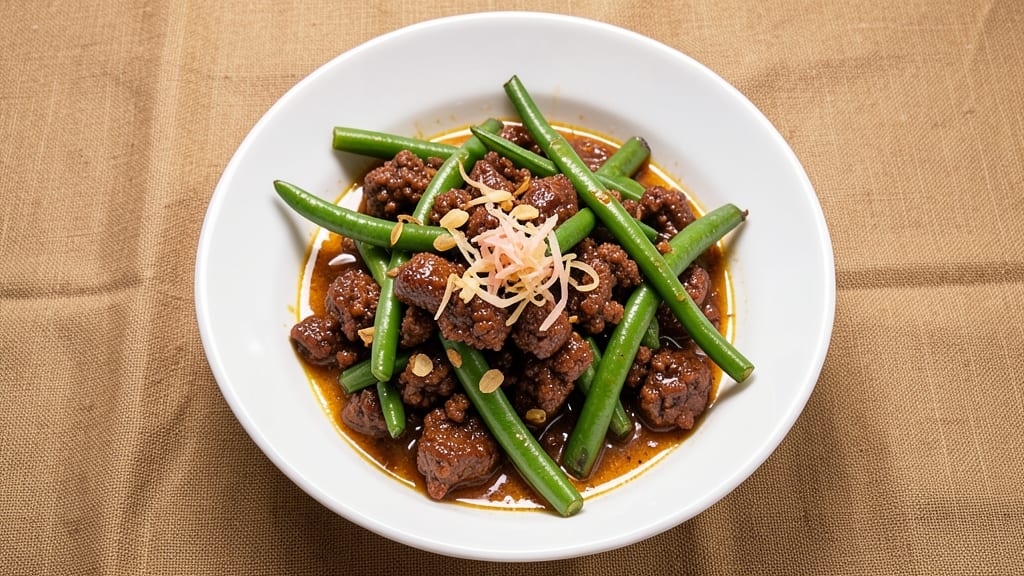
This Asian ground beef and green beans recipe delivers the perfect harmony of savory soy, aromatic garlic, and tender-crisp vegetables in just one-pan. The key lies in high-heat stir-frying for that signature wok-hei smokiness while balancing umami-rich sauces—soy, oyster, and a touch of sesame—that transform simple ingredients into restaurant-quality flavor. I developed this after years of testing home-cooked versions that never quite captured the depth of takeout, and this method finally does it justice.
The secret starts with properly prepping the green beans—blanched first to retain crispness, then tossed in the pan with the beef to absorb all those complex flavors. Meanwhile, the ground beef gets seared until deeply browned, unlocking its natural richness before being finished with the sauce.
No fancy equipment needed: a sturdy skillet and a few pantry staples are all you require, but the technique ensures professional-level results every time.
What you’ll end up with is a dish that’s bold yet balanced—tender beef with just enough bite, vibrant green beans that stay crisp, and a sauce that’s sticky, aromatic, and packed with layers of umami.
The aroma alone will have everyone gathering around the table, and the flavors are so well-rounded they’ll satisfy even the pickiest eaters. Serve it over steamed rice for the full experience, or let the one-pan meal stand alone.
This recipe is designed to be adaptable: swap in bell peppers or snap peas for extra color, adjust the heat with chili flakes, or double the batch for leftovers. The technique scales effortlessly, making it ideal for weeknight dinners or meal prep. Let’s get started—your taste buds will thank you.
Ingredients for asian ground beef green beans
Pantry staples plus a few fresh ingredients—this one-pan dish delivers restaurant-style flavor.
| Ingredient | Amount | Notes |
|---|---|---|
| Ground Beef 🥩 | 1 lb | 80/20 fat ratio preferred |
| Fresh Green Beans 🥦 | 1 ½ lbs | Trimmed, cut into 2-inch pieces |
| Garlic Cloves 🧄 | 6 cloves | Minced for maximum aroma |
| Fresh Ginger 🌿 | 1 tbsp | Grated, for zesty kick |
| Soy Sauce 🍶 | ½ cup | High-quality, like Kikkoman |
| Oyster Sauce 🍲 | 2 tbsp | For umami depth |
| Sesame Oil 🫒 | 1 tbsp | Toasted for nutty aroma |
| Rice Vinegar 🍶 | 1 tbsp | White or seasoned |
| Brown Sugar 🍯 | 1 tbsp | Light or dark |
| Vegetable Oil 🫒 | 2 tbsp | High smoke point |
| Sesame Seeds 🌾 | 1 tbsp | Toasted for garnish |
| Red Chili Flakes 🌶️ | ½ tsp | Adjust for heat preference |
| Salt 🧂 | 1 tsp | Kosher or sea salt |
| Black Pepper 🌶️ | ½ tsp | Freshly ground |
The ground beef is non-negotiable here—80/20 fat ratio ensures juicy, flavorful results. Costco or local butchers often have the best prices for bulk ground beef, but any supermarket brand works. Fresh green beans are ideal, but frozen works in a pinch—just don't thaw them first. For the garlic and ginger, look for plump, firm cloves and a root with no soft spots. The soy sauce should be high-quality—skip the low-sodium versions unless you're doubling up on salt later. Oyster sauce adds that signature umami, but vegetarian oyster sauce works if you're avoiding seafood.
No fresh ginger? Ground ginger at half the amount gets you close, though it lacks the same zing. Swap the soy sauce for coconut aminos if you're soy-sensitive, but the flavor won't be identical. Sesame oil is non-negotiable for that nutty aroma—toasted sesame oil is best, but regular will work. The chili flakes can be omitted entirely if you're avoiding heat, but I always keep them in for a subtle kick. For the green beans, blanching them first (2 minutes in boiling water) is key to keeping them crisp-tender. If you're short on time, skip the blanching and just stir-fry them for half the time, but they'll be slightly softer.
This dish reheats beautifully—3-4 days in the fridge, 3 months frozen. Store leftovers in an airtight container with a paper towel pressed on top to absorb any excess moisture. For meal prep, double the batch and freeze half immediately. The flavors actually improve overnight as everything melds together. Garnish with toasted sesame seeds right before serving—they add texture and visual appeal. Leftovers taste even better the next day, so plan to make extra if you're serving a crowd.
Why You'll Love This Recipe
- One-Pan Magic: I swear by this for nights when I’m too tired to wash dishes—just brown the beef, toss in the green beans, and let the soy sauce and ginger work their magic in one skillet. No extra pans, no stress.
- Ginger-Garlic Kick: That fresh ginger and minced garlic? They turn this into something way more exciting than basic beef and veggies. The aroma alone makes the kitchen smell like a little Asian bistro, and the first bite is all crisp-tender green beans with that deep, savory umami punch.
- Lunchbox Hero: Between us, this is my go-to for meal prep—packs perfectly in containers, stays fresh for days, and even my picky teenage son sneaks bites when he thinks I’m not looking. Toss in some rice, and you’ve got a lunch that’ll hold up through meetings or soccer practice.
- Budget Win: Ground beef and green beans are pantry staples that won’t break the bank, and a little soy sauce stretches the flavor without the cost. Honestly, it’s the kind of dish that makes me feel like I’m feeding my family like royalty without overspending.
Step-by-step instructions for Asian ground beef and green beans
Master this one-pan dish with a perfect balance of savory, sweet, and umami flavors.
Prep the Green Beans and Aromatics
Trim the ends off the 1.5 lbs of fresh green beans and cut them into 2-inch pieces. Spread them on a baking sheet and set aside. In a small bowl, combine the 6 minced garlic cloves and 1 tbsp of grated fresh ginger. Set this mixture aside—it's the flavor foundation of this dish.
For the aromatics, I like to use a food processor for the garlic and ginger to ensure even distribution. If you're mincing by hand, take your time—you want fine, even pieces that will dissolve into the sauce rather than remain identifiable chunks. The green beans should be cut uniformly so they cook evenly throughout.
Sear the Ground Beef
Heat 2 tbsp vegetable oil in a large skillet or wok over medium-high heat until shimmering. Add the 1 lb ground beef, breaking it up with a wooden spoon as it cooks. Let it sear undisturbed for 2-3 minutes until the meat loses its raw color and begins to brown.
Here's the thing—don't rush this step. You want the beef to develop a nice crust before you break it up further. Once it's browned, use a slotted spoon to transfer the beef to a plate, leaving all the rendered fat in the pan. This fat is packed with flavor and will form the base of your sauce.
Build the Flavor Base
Return the skillet to medium heat and add the garlic-ginger mixture. Cook for 30 seconds until fragrant—you should smell that fresh, zesty aroma. Be careful not to let it burn; it only takes seconds to go from aromatic to bitter.
Next, pour in the 0.5 cup soy sauce, 2 tbsp oyster sauce, 1 tbsp rice vinegar, and 1 tbsp brown sugar. Stir constantly for 1-2 minutes until the sauce begins to bubble and slightly thicken. This is where the magic happens—the combination of salty, sweet, and tangy elements creates the perfect umami foundation.
Cook the Green Beans
Add the prepared green beans to the skillet, tossing them to coat evenly in the sauce. Cook for 5-6 minutes, stirring occasionally, until the beans are tender-crisp with just a slight bite remaining. You want them to be bright green and vibrant—this indicates they're cooked just enough to soften but still retain their texture.
If you notice the sauce is reducing too quickly, add 2-3 tablespoons of water to maintain moisture. The beans should be hot and sizzling by the end of this cooking time. This step is crucial for achieving that perfect al dente texture that's characteristic of stir-fried vegetables.
Finish and Serve
Return the seared ground beef to the skillet and stir everything together. Cook for an additional 2-3 minutes until the beef is heated through and the flavors have melded completely. The mixture should be hot and bubbly, with the beef evenly distributed throughout.
Remove from heat and stir in the 1 tbsp sesame oil, 0.5 tsp red chili flakes, 1 tsp salt, and 0.5 tsp black pepper. Sprinkle with 1 tbsp toasted sesame seeds just before serving. This dish tastes best served immediately while the vegetables are still crisp and the flavors are vibrant. Garnish with extra sesame seeds if desired for added texture.
Pro Tips For Making Asian Ground Beef Green Beans
- CRISP THE BEANS FIRST: Toss raw green beans in 1 tablespoon oil and roast at 425°F (220°C) for 12–15 minutes until edges brown—this cuts cooking time later and adds texture. I used to steam them first, but they’d turn mushy when tossed with the beef; roasting keeps them firm and caramelized.
- BLOOM GINGER AND GARLIC: Heat your wok or pan until smoking hot, then add minced ginger and garlic—let them sizzle for 20 seconds before adding beef. This prevents burning and wakes up their flavors. I learned this the hard way after tasting bitter, overcooked aromatics in my first batch.
- BREAK THE BEEF WITH WET HANDS: Before cooking, wet your hands and gently break the ground beef into 1-inch chunks—this prevents a dense, greasy clump. The soy sauce will distribute better, and the beef cooks more evenly. Yes, it’s messy, but your dish will taste like it came from a wok, not a blender.
- DEGLAZE WITH A SPLASH OF VINEGAR: After browning the beef, add 1 tablespoon rice vinegar (or a splash of soy sauce) to the pan while scraping up browned bits—this lifts flavors faster than water alone. I was skeptical until I tried it; the sauce thickens better and cuts through the richness of the beef.
Storing and reheating this asian ground beef green beans
Refrigerator Storage
Let your Asian ground beef and green beans cool to room temperature (about 15-20 minutes), then transfer to an airtight container with a tight-fitting lid. I use glass containers with snap-on lids because they prevent odors from seeping in.
Store for up to 4 days in the fridge at 40°F or below—the flavors actually deepen overnight as the ingredients meld together. 🌱
Freezer Prep Tips
For longer storage, freeze portions in single-serving airtight containers or quart-sized freezer bags. Leave ½ inch of headspace to prevent expansion cracks. Label with the date—this dish stays delicious for up to 3 months.
Thaw overnight in the fridge before reheating for best texture. I avoid microwave thawing because it can make the green beans soggy. ❄️
Stovetop Reheating
My preferred method is stovetop reheating to maintain crispness. Heat 1 tbsp vegetable oil in a skillet over medium heat, then add the cooled dish. Stir frequently for 5-7 minutes until piping hot.
Add 1-2 tbsp water if the mixture looks dry. The sesame seeds will toast again slightly, adding fresh aroma. For extra flavor, finish with a splash of rice vinegar or sesame oil. 🔥
Microwave Safety
For quick reheating, transfer a portion to a microwave-safe dish and cover loosely with a damp paper towel. Heat on 50% power for 2-3 minutes, stirring halfway. Avoid overcooking—the green beans can turn mushy.
If the sauce seems too thick, add 1 tsp water and stir. This method works best for small batches (1-2 servings) to ensure even heating. 💫
Garnish Refresh
Before serving reheated leftovers, always add fresh toasted sesame seeds and a sprinkle of red chili flakes to restore texture and a little kick. The contrast between the warm seeds and cool dish wakes up the flavors.
I also like a drizzle of toasted sesame oil right before eating—it adds that restaurant-quality finish. 💛
Meal Prep Strategy
Double the recipe and store half immediately for future meals. The sauce thickens slightly when reheated, so add 1 tsp water when warming. I pack individual portions in mason jars with the sauce at the bottom and vegetables on top—this keeps everything separate until reheating.
Label with "Stir Before Eating" to remind you to mix thoroughly. 📅
Nutrition facts
Frequently asked questions
Can I substitute ground turkey or chicken for the beef?
Ground turkey or chicken works well, but adjust cooking times slightly—turkey needs 1-2 extra minutes to reach 165°F safely. Use 93% lean ground turkey for best texture, and reduce the oil by 1 teaspoon since lean meats release less fat. The flavor profile will be lighter but still delicious.
Why do my green beans turn mushy instead of staying crisp?
Overcooking is the usual culprit! Stir-fry the beans for only 5-6 minutes total, and always blanch them first (2 minutes in boiling water) to jumpstart tenderness. Crowding the pan also causes steaming—keep the heat medium-high and work in batches if needed. The beans should stay vibrant green with a slight bite.
What's the best way to make this dish spicier?
Start with 1 teaspoon of red chili flakes, then adjust to taste. For extra heat, add ½ teaspoon of Sichuan peppercorns (toasted and crushed) or 1 tablespoon of gochujang to the sauce. Fresh chili like Thai bird's eye peppers (minced) also works—just add them with the aromatics.
Can I make this in an Instant Pot or slow cooker?
Yes, but texture changes! For Instant Pot: Sauté beef and aromatics, then add ½ cup water, green beans, and sauce. Cook on High Pressure for 3 minutes. For slow cooker: Combine all ingredients (including ¼ cup water) and cook on Low for 4-5 hours. The beans will soften more—great for a heartier dish.
How do I make this dish nut-free?
Simply omit the sesame oil and sesame seeds. Replace with 1 teaspoon of toasted coconut oil for finishing and use sunflower seeds or pumpkin seeds for garnish. The flavor stays rich without nuts—just slightly less toasty.