
Side Dishes
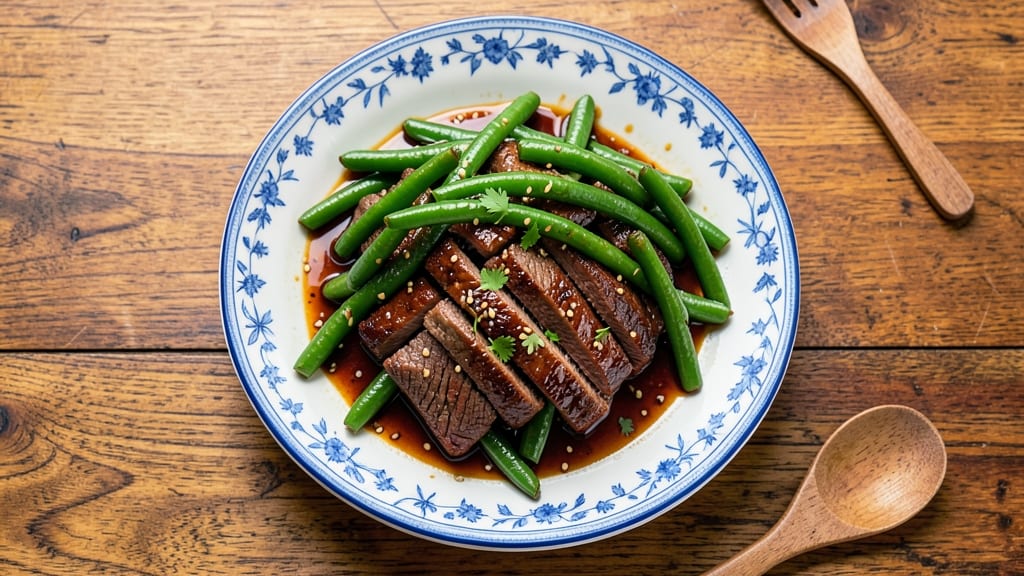
This Chinese beef and green beans recipe delivers restaurant-quality stir-fry in just 20 minutes, balancing tender beef with crisp-tender green beans in a savory soy-ginger sauce. The secret lies in high-heat stir-frying to preserve the vibrant wok-hei flavor while achieving perfect texture contrast. I developed this recipe after years of testing—it’s the one that finally earned me compliments from even the most critical family members.
The dish starts with thinly sliced beef marinated in a simple soy-ginger mix, ensuring maximum flavor absorption and tenderness. Meanwhile, green beans are blanched to maintain their bright color and crisp texture before joining the wok.
The sauce—built with soy sauce, oyster sauce, and a touch of fermented bean paste—adds depth without overpowering the natural flavors of the ingredients.
What you’ll end up with is a plate of perfectly seared beef strips with glossy, caramelized edges and green beans that stay crisp yet tender. The sauce clings beautifully to both components, creating a harmonious balance of sweet, salty, and umami notes.
Garnish with toasted sesame seeds and sliced scallions for that final touch of authenticity.
This recipe is ideal for weeknight dinners or meal prep—it reheats well while maintaining its vibrant flavors. Serve over steamed rice or noodles for a complete meal. Let’s get cooking!
Ingredients for beef and green beans chinese
Restaurant-quality stir-fry relies on precise ingredient ratios and proper preparation techniques.
| Ingredient | Amount | Notes |
|---|---|---|
| Flank Steak 🥩 | 1 lb | Thinly sliced against grain |
| Green Beans 🥬 | 1 ½ lb | Trimmed, cut into 2-inch pieces |
| Light Soy Sauce 🥢 | ⅓ cup | Kikkoman preferred for balance |
| Dark Soy Sauce 🥢 | 1 tbsp | For color depth |
| Oyster Sauce 🦪 | 2 tbsp | Lee Kum Kee brand recommended |
| Sesame Oil 🫒 | 1 tbsp | Toasted for aroma |
| Fresh Ginger 🧄 | 2 tbsp | Minced finely |
| Garlic Cloves 🧄 | 4 cloves | Minced for sauce |
| Fermented Black Bean Paste 🫘 | 1 tbsp | For umami depth |
| Cornstarch 🌾 | 1 tbsp | For velveting beef |
| Neutral Oil 🫒 | ½ cup | Peanut or vegetable oil |
| Toasted Sesame Seeds 🌰 | 1 tbsp | For garnish |
| Scallions 🌱 | 3 whole | Sliced thin for garnish |
| White Wine Vinegar 🍶 | 1 tsp | For brightness |
| Sugar 🍬 | 1 tsp | Balances flavors |
The flank steak is non-negotiable for this dish—its lean texture slices beautifully when cut against the grain. Look for marbled cuts at your local Asian market or butcher counter, as this ensures tenderness. I prefer Korean-style flank steak when available, but standard flank works fine. Trim any visible fat before slicing—it can make the oil smoke. For the green beans, fresh is ideal, but frozen works in a pinch (thaw and pat dry). Avoid pre-cut beans—they bruise easily and lose their crisp texture during blanching.
No oyster sauce? Hoisin sauce plus a pinch of sugar mimics its depth, though the umami won't be identical. The fermented black bean paste (available at Asian markets or online) adds complexity—substitute with 1 tsp soy sauce plus 1 tsp molasses if needed. For the ginger, fresh is essential; dried lacks the bright punch. If your garlic smells musty, toast whole cloves in a dry pan for 30 seconds to revive their flavor. The cornstarch is critical for velveting the beef—don't skip it. For the oil, high-smoke-point oils like avocado or grapeseed work best if you're concerned about peanut allergies.
Prep the beef and green beans in advance—they keep well in the fridge for up to 2 days. The sauce components can be mixed ahead and stored for 3 days, though the ginger and garlic should be added fresh before cooking. This dish reheats beautifully—cover tightly and warm over medium heat for 2-3 minutes. For meal prep, portion into airtight containers with a layer of parchment paper between components to prevent sogginess. Garnishes like sesame seeds and scallions can be added fresh after reheating for maximum brightness.
Why You'll Love This Recipe
- One-Pan Magic: I swear by this recipe—just sear the flank steak, toss in the green beans, and let the soy and oyster sauces work their sauce magic. No extra pans, no fuss, and honestly? The cleanup is just wiping one sheet.
- Umami Bomb: That combo of light and dark soy with oyster sauce? It’s a flavor explosion—sweet, salty, and just a little funky. The green beans stay crisp, the beef gets tender, and the sauce? Sticky, glossy perfection.
- Lunchbox Hero: Between us, this is my go-to for meal prep. Reheat slices of beef and beans for days—pack it in lunches, toss it in noodles, or serve it cold in wraps. My kids even ask for it (yes, even on a Tuesday).
- Budget Powerhouse: Flank steak stretches far, green beans are cheap, and a little soy sauce goes a long way. I’ve fed four people for under $15, and the leftovers? Just as good the next day. Practical, delicious, and wallet-friendly.
Step-by-step instructions for stir-fried beef and green beans
Master this classic Chinese stir-fry with professional techniques for tender beef and crisp-tender green beans.
Prepare the Beef for Velveting
In a medium bowl, combine the 1 lb flank steak (thinly sliced against the grain), 1 tbsp cornstarch, 0.33 cup light soy sauce, 1 tbsp dark soy sauce, 2 tbsp oyster sauce, 1 tbsp fermented black bean paste, 1 tsp sugar, and 1 tbsp sesame oil. Mix thoroughly until the beef is evenly coated and the cornstarch forms a thin, translucent layer.
Let the beef marinate for 15 minutes at room temperature while you prepare the remaining ingredients. This velveting process ensures the beef remains tender and absorbs the complex flavors of the sauce. If you're short on time, you can reduce the marinating time to 10 minutes, but don't skip this step entirely—it makes all the difference in texture.
Blanch and Parboil the Green Beans
Bring a large pot of water to a rolling boil. Add the 1.5 lb green beans (trimmed and cut into 2-inch pieces) and blanch for 2 minutes until they turn bright green and just begin to soften. Immediately drain and plunge them into an ice bath to stop the cooking process and preserve their vibrant color.
Once cooled, drain the green beans thoroughly and pat them dry with paper towels. This step is crucial—any moisture left on the beans will steam them instead of crisp-tending them during stir-frying. The beans should be completely dry before proceeding to the wok.
Stir-Fry the Beef to Perfect Doneness
Heat a wok or large skillet over high heat until a drop of water sizzles and evaporates instantly. Add 0.5 cup neutral oil and swirl to coat the bottom evenly. Working in batches if necessary, add the marinated beef and stir-fry for 1-2 minutes until the edges turn opaque and the beef is 80% cooked but still slightly translucent in the center.
Remove the beef from the wok and set aside. The residual heat will continue cooking it slightly, but we want to avoid overcooking during the final stir-fry. If the beef cooks too quickly, reduce the heat slightly—you want to maintain that high-temperature sear without burning the sauce.
Build the Flavorful Sauce and Finish the Dish
In the same wok, reduce the heat to medium-high and add 2 tbsp minced fresh ginger, 4 cloves minced garlic cloves, and 3 whole scallions (sliced thin). Stir-fry for 30 seconds until fragrant but not browned—ginger and garlic should perfume the kitchen without burning.
Return the beef to the wok and add the blanched green beans. Stir-fry for an additional 2-3 minutes until the green beans are crisp-tender and the beef reaches 160°F internally. The dish should be hot and sizzling throughout—this ensures the green beans maintain their texture while absorbing the flavors.
Garnish and Serve Immediately
Remove the wok from heat and stir in 1 tsp white wine vinegar and 1 tbsp toasted sesame seeds. Taste and adjust seasoning if needed—you may want to add a splash more light soy sauce for saltiness or a touch of sugar if the vinegar makes the dish too sharp.
Serve the beef and green beans immediately over steamed jasmine rice or noodles. The dish should be vibrant with deep umami flavors from the fermented black bean paste and oyster sauce, brightened by the vinegar and sesame oil. Each bite should deliver tender beef, crisp-tender green beans, and a complex sauce that coats every strand.
Pro Tips For Making Beef And Green Beans Chinese
- Slice Steak Against the Grain: I learned this the hard way—flank steak fights you if you cut with the grain. Slice it thinly perpendicular to the muscle fibers before cooking, then serve it that way. The result? Tender bites instead of chewy frustration, especially after the quick stir-fry.
- Blanch Green Beans First: Skip the soggy beans by blanching them in boiling water for 90 seconds, then shocking in ice water. They’ll stay crisp when they hit the wok later, and the texture contrast with the tender beef is what makes this dish sing. (Yes, even if you’re impatient like me.)
- Use Dark Soy for Color: Light soy adds flavor; dark soy adds depth and that signature gloss. Toss the cooked beef and beans with 1 tablespoon of dark soy sauce at the end—it caramelizes fast on high heat and gives the dish its restaurant-worthy sheen. Don’t skimp.
- Deglaze with Oyster Sauce Last: After searing the beef, set it aside and deglaze the pan with 1 tablespoon of light soy sauce first—it loosens the browned bits. Then add the oyster sauce and green beans. The sauce will coat everything evenly, and the beef won’t turn mushy from sitting in liquid too long. Trust the order.
Regional styles of this recipe
Cantonese Home-Style
The Cantonese version of this dish, known as 牛肉炒青菜 (niu rou chao qing cai), prioritizes simple yet bold flavors. Here, I use dark soy sauce for deeper color and a touch of rock sugar (instead of white sugar) to balance the soy's saltiness.
The beef is often cut slightly thicker—about ¼-inch thick—to ensure it stays tender without turning mushy. Garnish with crushed peanuts for texture and a sprinkle of dried shrimp flakes for extra umami. 🥢
Sichuan Spicy Twist
In Sichuan cuisine, this dish gets a fiery kick with 1 tbsp chili bean paste and ½ tsp Sichuan peppercorns toasted in the oil.
The beef is marinated with 1 tsp doubanjiang (chili bean chili) for added heat, and the green beans are tossed with 1 tsp minced fresh chili at the end. Serve with pickled vegetables on the side to tame the spice.
The Sichuan version relies on high heat to develop the málà (numbing-spicy) sensation. 🌶️
Hong Kong Market-Style
Hong Kong street vendors often serve this as a quick, no-frills dish with a focus on freshness and simplicity. The beef is marinated in light soy sauce, Shaoxing wine, and a pinch of white pepper, while the green beans are blanched in salted water for extra brightness.
The sauce is kept minimal—just soy sauce, oyster sauce, and a splash of Shaoxing wine—with toasted sesame oil added at the end. Garnish with thinly sliced scallions and cilantro for a fresh finish. 🌱
Taiwanese Comfort Version
Taiwanese home cooks often add 1 tbsp red fermented bean curd (hong doufu) to the sauce for a nutty, funky depth.
The beef is marinated with a pinch of star anise powder for warmth, and the green beans are lightly dusted with 1 tsp potato starch before stir-frying to achieve extra crispness. Serve with a side of pickled mustard greens to cut through the richness.
The Taiwanese version is all about comforting, homey flavors with a touch of complexity. 💛
Modern Fusion Adaptation
For a contemporary twist, I’ve seen this dish elevated with balsamic glaze (1 tbsp) added at the end for sweetness and toasted hazelnuts for crunch. The beef is marinated with 1 tsp smoked paprika for depth, and the green beans are blanched in citrus-infused water (zest of 1 lemon).
Garnish with microgreens for a restaurant-worthy presentation. This version keeps the Chinese core while adding Western-inspired textures and flavors. ✨
Nutrition facts
Frequently asked questions
Can I substitute flank steak with another cut?
Yes! Flank steak is ideal for its tenderness, but you can use sirloin or ribeye (thinly sliced against the grain). Avoid tougher cuts like chuck—they won't velvet properly. For extra-lean options, try top round, but marinate it 30 minutes longer to prevent dryness.
Why do my green beans turn mushy?
Overcooking or moisture are the culprits. Always blanch for exactly 2 minutes and pat them completely dry before stir-frying. If your wok isn't hot enough, the beans will steam instead of sear. Test heat by tossing a bean—it should sizzle immediately and turn bright green within 30 seconds.
How do I make this dish spicier?
Add ½ tsp chili flakes to the sauce or 1 tsp doubanjiang (Sichuan chili bean paste) during marinating. For heat control, serve with pickled mustard greens or chili oil on the side. The Sichuan regional style (see "Regional Styles") includes fresh chili tossed at the end for extra kick.
Can I make this ahead of time?
Yes! Cook the beef and green beans separately, then refrigerate in airtight containers for up to 2 days. Reheat gently in a skillet with 1 tsp sesame oil over medium heat for 2-3 minutes. Add fresh scallions and sesame seeds after reheating to preserve brightness. Avoid microwaving—it makes the beans soggy.
What's the best rice to serve with this?
Jasmine rice is traditional for its fragrant, slightly sticky texture that complements the dish's umami flavors. For extra authenticity, use short-grain rice cooked slightly firmer than usual. Avoid basmati—its dry texture won't absorb the sauce as well. Pro tip: Warm the rice in a steamer basket over the wok's residual heat for 2 minutes to keep it fluffy.