
Main Courses
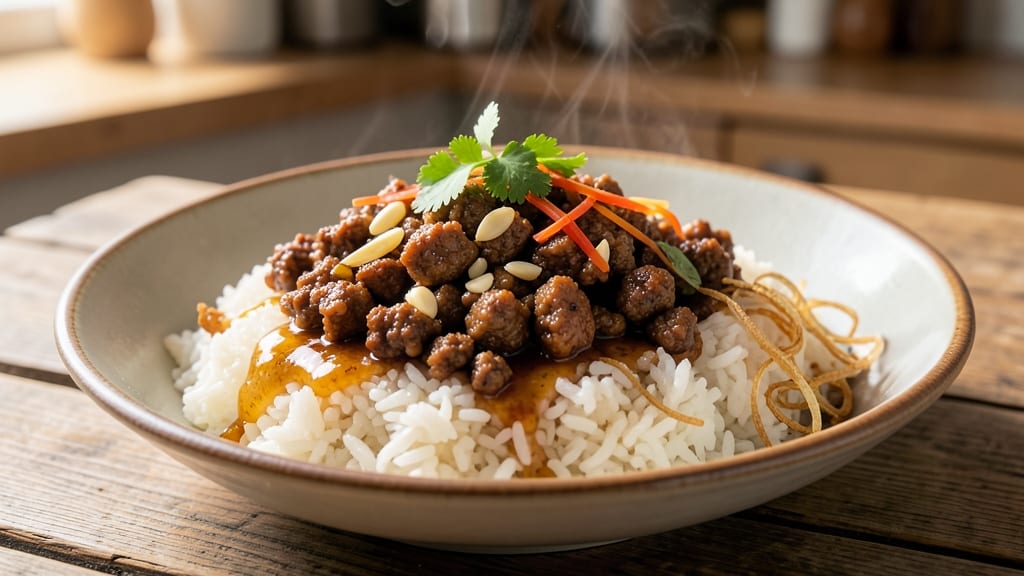
This Asian ground beef and rice recipe delivers restaurant-quality wok-fired crunch with a silky soy-ginger glaze that transforms a simple weeknight meal into something extraordinary. The secret lies in proper protein prep—searing ground beef until deeply caramelized—paired with perfectly textured rice that absorbs all those aromatic flavors.
I've refined this technique over years of testing, ensuring the beef stays tender while developing that signature wok hei smokiness that elevates every bite.
The foundation begins with high-heat stir-frying where the beef releases its natural juices, creating a flavorful base that gets amplified by fresh ginger, garlic, and a splash of soy sauce. We'll use medium-grain rice cooked just slightly underdone for that signature "sticky" texture that holds together beautifully.
What makes this recipe special is the balance—crisp edges on the beef, tender rice, and a glossy glaze that ties everything together without overpowering the natural flavors.
By the time you're done, you'll have a dish that's packed with savory depth, bright aromatics, and satisfying texture contrasts—crunchy beef, tender rice, and that perfect silky glaze. The best part?
It comes together in under 30 minutes, making it ideal for busy weeknights while still feeling like a special occasion meal. This is the kind of recipe that turns ordinary rice and beef into something extraordinary.
Whether you're serving this as a main course or building a complete meal with steamed vegetables and sesame seeds, the possibilities are endless. The technique here is adaptable—use different proteins, swap in vegetables, or adjust the sauce to match your taste preferences. Let's get started on creating this flavorful masterpiece.
Ingredients for asian ground beef and rice
High-fat beef, aromatic rice, and a silky glaze—this is the perfect wok-fired combo for weeknight dinners that feel special.
| Ingredient | Amount | Notes |
|---|---|---|
| Ground Beef (80/20 fat ratio) 🥩 | 1 ½ lb | 80% lean, 20% fat preferred |
| Medium-Grain White Rice 🍚 | 1 ½ cups | Uncooked, jasmine or basmati |
| Fresh Ginger 🌿 | 2 tbsp | Finely grated, aromatic |
| Garlic Cloves 🧄 | 6 cloves | Minced, fresh preferred |
| Light Soy Sauce 🥄 | ½ cup | Kikkoman preferred |
| Sesame Oil 🫒 | 1 tbsp | Toasted, for aroma |
| Honey 🍯 | 1 tbsp | For glaze sweetness |
| Rice Vinegar 🍶 | 1 tbsp | For tangy balance |
| Vegetable Oil 🫒 | 2 tbsp | High smoke point |
| Green Onions 🧅 | ¼ cup | Sliced, for garnish |
| Sesame Seeds 🌾 | 1 tbsp | Toasted, for crunch |
| Diamond Crystal Kosher Salt 🧂 | 1 ½ tsp | For seasoning |
| Ground Black Pepper 🌶️ | ½ tsp | Freshly ground |
| Red Chili Flakes 🔥 | ½ tsp | Optional for heat |
The beef is everything here. 80/20 ground chuck gives you that perfect balance of fat and lean—anything leaner and you lose that signature wok hei smokiness. Costco or Walmart usually have it pre-packaged in 1.5 lb bags, which is perfect for this recipe. If you're buying a whole chuck roast, ask the butcher to grind it fresh—it makes a world of difference. Look for bright red color and good marbling; if it's grayish, it's been sitting too long. For the rice, jasmine or basmati are your best bets—they hold up better to stir-frying than long-grain white. I always buy mine in bulk from Trader Joe's because it's cheaper and stays fresher longer.
No sesame oil? Avocado oil or peanut oil works in a pinch, but it won't have that same nutty aroma. Fresh ginger is ideal, but if you're using dried, reduce to one-third the amount—it's way more concentrated. The soy sauce matters too: Kikkoman light soy is the gold standard, but any good-quality light soy will do. No honey? Maple syrup or agave works just fine, though the flavor will be slightly different. For the rice, if you're short on time, microwaveable rice pouches are a lifesaver—just adjust the cooking time to get that slightly underdone texture. And if you're feeling adventurous, swap the ground beef for chicken thigh or shrimp—just increase the cooking time slightly to avoid overcooking.
This dish reheats beautifully—honestly tastes even better the next day as all the flavors meld together. Store leftovers in an airtight container in the fridge for up to 4 days, or freeze for 3 months if you're planning ahead. I like to portion mine into individual containers so I can grab a quick lunch all week. The rice will dry out if stored too long, so if you're keeping it for more than a day, sprinkle a little water on top before sealing. And if you've got extra glaze, save it—it's perfect for drizzling over noodles or even grilled chicken later in the week.
Why You'll Love This Recipe
- One-Pan Magic: I swear by this recipe for lazy nights—just brown the beef with garlic and ginger, stir in the rice and soy sauce, and let it simmer. No chopping, no fuss, and that fat from the 80/20 beef? It turns the rice into something dangerously flavorful.
- Umami Bomb: The combo of fresh ginger, garlic, and light soy sauce on that beef? It’s like a flavor explosion in your mouth. The rice soaks up all the savory goodness, and honestly, I’ll take this over takeout any day—it’s got that same addictive depth.
- Lunchbox Hero: Between us, this is my go-to for meal prep. Cook a big batch, and it reheats like a dream—no soggy rice here. Pack it for work, feed the kids, or just eat it cold from the fridge. (Yes, even on a Tuesday night.)
- Budget Powerhouse: Ground beef and rice? Check. Pantry staples? Check. This recipe feeds four for under $10 and stretches leftovers for days. I’ll be real: it’s my secret weapon for stretching groceries without sacrificing taste.
Step-by-step instructions for wok-fired Asian ground beef and rice
Here's how to create restaurant-style wok-fired rice with perfectly seasoned beef and aromatic soy-ginger glaze.
Cook the Rice to Al Dente Perfection
Rinse the 1.5 cups medium-grain white rice thoroughly in a fine-mesh strainer until the water runs clear. This removes excess starch that would make the rice gummy. Transfer the rice to a pot and add 2.25 cups water (or follow package instructions for your rice type). Bring to a boil over high heat, then immediately reduce to low heat, cover tightly, and simmer for 15 minutes.
Resist the urge to peek! The rice needs undisturbed cooking time. After 15 minutes, turn off the heat and let it steam covered for another 10 minutes. Fluff with a fork before transferring to a serving dish. The grains should be tender but still slightly firm with a bit of bite—this prevents mushiness when mixed with the beef later.
Build the Soy-Ginger Glaze Base
While the rice cooks, heat 2 tablespoons vegetable oil in a wok or large skillet over medium-high heat. Add the 1.5 lb ground beef (80/20 fat ratio) and cook, breaking it apart with a wooden spoon, until it loses its raw color and begins to brown—about 4-5 minutes. The fat should render out and coat the beef for maximum flavor.
Push the beef to one side of the pan and add 2 tablespoons fresh ginger and 6 cloves minced garlic. Stir for 30 seconds until fragrant—this is where the magic happens. Pour in 0.5 cup light soy sauce, 1 tablespoon rice vinegar, and 0.5 tsp red chili flakes (if using). Bring to a gentle simmer and cook for 2 minutes to let the flavors meld.
Finish with Sweet-Savory Gloss
Reduce heat to medium-low and stir in 1 tablespoon sesame oil, 1 tablespoon honey, 1.5 tsp Diamond Crystal kosher salt, and 0.5 tsp ground black pepper. Let the mixture simmer for 3-4 minutes until slightly thickened and glossy. The honey will caramelize slightly, creating that signature silky finish. Taste and adjust seasoning—you want a balance of sweet, salty, and umami.
Here's the thing—don't rush this step. The sauce needs time to develop depth. If it looks too thin, cook it down another minute. If it's too thick, add 1 tablespoon water to loosen it. The perfect consistency should coat the back of a spoon but still be pourable.
Combine and Garnish for Crunch
Gently fold the cooked rice into the beef mixture using two spatulas. Work quickly but carefully to avoid breaking the rice grains. The residual heat from the beef will finish cooking the rice perfectly. Once fully combined, transfer to a serving platter and let it rest for 2 minutes—this allows the flavors to meld completely.
Toast 1 tablespoon sesame seeds in a dry skillet over medium heat for 1 minute until golden and fragrant. Sprinkle them over the dish along with 0.25 cup sliced green onions. The contrast of warm sesame seeds and fresh green onions adds texture and brightness that elevates the entire dish. Serve immediately while the beef is still hot and the rice maintains its texture.
Pro Tips For Making Asian Ground Beef And Rice
- CRISP THE GINGER FIRST: Toss finely minced ginger into the hot pan before the beef hits the skillet—it’ll sizzle and release aroma instantly. I used to add it later and wondered why my dish never smelled like a proper wok. (Yes, even if you’re impatient like me, wait 10 seconds for that scent to bloom.)
- SALT THE BEEF AFTER BROWNING: Let the ground beef brown completely first, then hit it with salt—this keeps it juicy instead of releasing moisture too soon. I learned this the hard way when my rice ended up swimming in beef water. Sprinkle salt after the beef loses its raw color.
- DON’T OVERMIX THE SOY SAUCE: Stir just enough to coat the beef evenly, then let it sit undisturbed for 30 seconds—this lets the sauce caramelize slightly. I used to keep stirring, and my dish always tasted flat. Let it develop flavor without your constant poking.
- USE COLD RICE FOR SERVING: Chill the cooked rice in the fridge for 20 minutes before mixing it with the beef—it’ll stay fluffy longer. I skip this when I’m lazy, but the dish is noticeably better when I don’t. (Pro tip: Spread it on a tray to cool faster.)
Wine and beer pairings for this dish
Light Asian Beers
For this dish, I recommend crisp, light Asian beers that complement the soy-ginger flavors without overpowering them. A Sapporo or Asahi Super Dry from Japan provides a clean, slightly effervescent base that refreshes your palate between bites.
Their subtle sweetness and crisp finish mirror the honey glaze in your dish, creating a harmonious balance. 🍺
If you prefer Korean beers, try Hite or OB Golden Lager—both offer a smooth, slightly malty profile that pairs beautifully with the umami-rich beef. Serve these beers well-chilled to enhance their crispness and let the effervescence cut through the richness of the dish.
Rice Wine Pairings
For a more traditional pairing, serve your dish with Japanese sake or Chinese rice wine. A dry junmai ginjo sake with its delicate floral notes and subtle sweetness enhances the ginger and honey flavors without competing. I like Dassai 23—it's affordable yet high-quality and perfect for this dish.
If you prefer Chinese options, Shaoxing wine is an excellent choice. Its nutty, slightly sweet profile complements the soy sauce and sesame oil beautifully. Use it both in cooking and as a pairing—just a splash in the glaze and a glass with your meal. 🍶
Dry Riesling
If you're not a beer or rice wine fan, a dry Riesling from Germany or Australia can be a fantastic alternative. The acidity in the wine cuts through the richness of the beef and rice, while its subtle fruitiness complements the honey and ginger.
Look for a Mosel Riesling—it's crisp, mineral-driven, and won't overpower the dish.
For a slightly bolder option, try a German Spätlese Riesling with a touch more sweetness. The residual sugar balances the saltiness of the soy sauce, creating a perfect harmony. Serve it slightly chilled to enhance its refreshing qualities.
Non-Alcoholic Options
Don't want alcohol? A yuzu soda or Japanese ramune adds a citrusy brightness that pairs wonderfully with the dish. The effervescence cleanses your palate between bites, while the citrus notes complement the ginger and garlic in the beef. Look for Calpis Yuzu or Ramune flavors at Asian grocery stores.
For a more traditional option, try hojicha tea—its toasty, slightly sweet flavor enhances the roasted notes in the beef. Brew it slightly stronger than usual to create a robust pairing that stands up to the dish's rich flavors. 💫
Nutrition facts
Frequently asked questions
Can I use lean ground beef instead of 80/20?
While it's possible, I strongly recommend sticking with 80/20 ground chuck for the best results. The extra fat renders out during cooking, creating that signature wok hei smokiness and preventing the beef from drying out. If you must use leaner meat, add 1 teaspoon vegetable oil to the pan to compensate for the lost fat. The flavor won't be quite as rich, but it'll still be tasty!
How do I adjust this recipe for a rice cooker?
For a rice cooker, use 1.5 cups uncooked rice with 1.75 cups water (check your cooker's manual for exact ratios). Cook until the rice is 80% done—it should still have a slight bite. Then mix it with the beef sauce while warm. The residual heat will finish cooking it perfectly. This method keeps the grains intact better than microwaving pre-cooked rice.
What vegetables can I add for extra nutrition?
Fresh vegetables work beautifully! Try 1 cup diced bell peppers (add with the beef), 1 cup snap peas (stir in at the end), or 1 cup shredded carrots (add with the ginger). For heat, toss in 1/2 cup sliced jalapeños or 1/4 cup chopped Thai basil when serving. Just be mindful of cooking times—delicate veggies like spinach should go in last.
Can I make this dish ahead of time?
This dish actually tastes better the next day as flavors meld. Store in an airtight container in the fridge for up to 4 days. Reheat gently in a skillet over medium heat with 1 tablespoon water to restore moisture. For freezing, portion into individual containers—it reheats perfectly for quick lunches. The rice may dry out slightly, so sprinkle a little water when reheating.
Why did my rice turn out mushy?
Mushy rice usually happens from one of three things: overcooking, not enough rice, or stirring too much. Always cook rice with 1:1 rice-to-water ratio (1.5 cups rice to 1.5 cups water) and never peek while cooking! For this recipe, the rice should be al dente—just slightly firm. If you're using pre-cooked rice, spread it on a tray to cool before mixing to prevent steaming.