
Soups & Stews
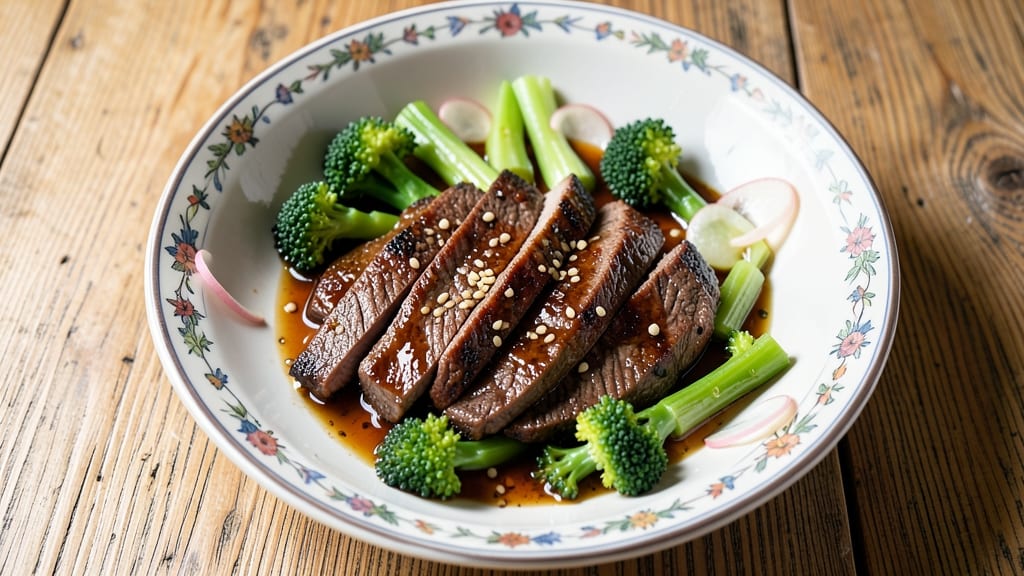
This beef and gai lan recipe delivers the perfect balance of wok-fired crunch and silky soy-ginger harmony in every bite. The secret lies in properly prepping the beef—thinly sliced, marinated just long enough to tenderize without overpowering—and pairing it with gai lan's crisp-tender stems and vibrant greens.
I've perfected this dish through countless wok sessions, ensuring the beef stays juicy while the gai lan maintains its signature snap.
What sets this recipe apart is the two-stage cooking method: first searing the beef until it develops a caramelized crust, then finishing with a quick stir-fry that locks in moisture.
The sauce—a delicate blend of soy, ginger, and a touch of honey—coats everything evenly, creating that signature glossy sheen while keeping the flavors bright and balanced. The result is a dish that's both restaurant-worthy and effortlessly homemade.
By the time you're done, you'll have a plate that's visually stunning with its contrasting textures—tender beef, crisp gai lan, and glossy sauce—while delivering layers of umami, ginger heat, and subtle sweetness.
This is the kind of meal that transforms a simple weeknight dinner into something special, without requiring hours in the kitchen. Serve it over steamed jasmine rice to soak up every last drop of that flavorful sauce, or pair with a side of garlic noodles for a complete Chinese-inspired feast.
The technique is straightforward, but the flavor payoff is extraordinary—exactly what makes this recipe worth mastering.
Ingredients for beef and gai lan
Thinly sliced beef, crisp gai lan, and a silky soy-ginger sauce transform this wok dish into a restaurant-quality meal.
| Ingredient | Amount | Notes |
|---|---|---|
| Flank Steak 🥩 | 1 lb | Thinly sliced against grain |
| Gai Lan (Chinese Broccoli) 🥬 | 2 bunches | Stems separated from leaves |
| Low-Sodium Soy Sauce 🥢 | 3 tbsp | Kikkoman preferred for balance |
| Fresh Ginger 🧄 | 1 ½ tbsp | Finely grated, peel removed |
| Sesame Oil 🫒 | 1 ½ tbsp | Toasted for aroma, not cooking |
| Honey 🍯 | 1 tbsp | Wildflower preferred |
| Garlic Cloves 🧄 | 4 cloves | Minced, not pressed |
| Neutral Oil 🫒 | 2 tbsp | Avocado or vegetable oil |
| Green Onions 🧅 | 4 whole | Sliced into 1-inch pieces |
| White Peppercorns 🌶️ | ½ tsp | Freshly cracked |
| Cornstarch 🌾 | 1 tbsp | For velveting beef |
| Jasmine Rice 🍚 | 1 ½ cups | Uncooked, long-grain |
| Sesame Seeds 🌰 | 1 tbsp | Toasted for garnish |
The flank steak is non-negotiable—its lean yet tender texture holds up perfectly to wok heat. Look for USDA Choice grade at Whole Foods or your local Asian market, where they'll often slice it for you. If you're slicing yourself, freeze the meat for 20 minutes first to make it easier. The gai lan should have bright green leaves and crisp stems—avoid any with yellowing or wilted sections, which signal age. Asian grocery stores typically carry it fresher than mainstream supermarkets, and the bunches are usually pre-washed for convenience. For the ginger, buy a small knob rather than pre-grated—it stays fresher longer and has more punch. If you can't find fresh, pasteurized ginger in the international aisle works in a pinch, but it lacks the same depth of flavor.
No sesame oil? Toasted peanut oil at half the amount mimics the nutty aroma, though it won't be identical. Substituting honey for maple syrup keeps it vegetarian but loses that floral note—use if you're avoiding honey entirely. The cornstarch is crucial for velveting the beef; if you don't have it, arrowroot powder works 1:1. For the garlic, freshly minced is ideal, but if you're in a hurry, garlic powder at half the amount gets you close. The soy sauce should be low-sodium to balance the other flavors—Lee Kum Kee or Kikkoman are reliable brands. If you're serving this to guests with soy allergies, tamari is a perfect substitute. The green onions can be swapped for scallions**, but the white parts add a subtle sweetness that's worth including if possible.
Prep the gai lan stems and leaves separately—they cook at different rates. Store the unwashed gai lan in a paper towel-lined bag in the fridge for up to 5 days, but wash it just before cooking to preserve crispness. The flank steak marinates best at room temperature for 30 minutes before cooking, but no longer or it'll get mushy. Leftover beef and gai lan reheat beautifully—stir-fry in a hot wok for 2 minutes with a splash of water to revive the crispness. The sauce keeps for 4 days in the fridge, though it's best used within 2 days for maximum brightness. For longer storage, freeze the sauce portion in ice cube trays—just thaw and reheat gently before using.
Why You'll Love This Recipe
- One-Pan Magic: I swear by this recipe for lazy nights—just slice the steak thin, toss gai lan in, and let the wok do the work. No chopping boards, no mess, and that sesame oil smell alone makes me forget I’m cooking.
- Umami Bomb: That low-sodium soy sauce and fresh ginger? They turn tough flank steak into something tender and addictive. The gai lan soaks up the sauce like a sponge, giving every bite a salty-sweet punch that lingers.
- Lunchbox Hero: Between us, this is my go-to for meal prep—packs perfectly, stays fresh for days, and even my picky coworker asks for seconds. Throw in some rice, and you’ve got a lunch that feels fancy but costs next to nothing.
- Budget Powerhouse: Flank steak stretches farther than you’d think when sliced thin, and gai lan’s cheap at Asian markets. Honestly, I make this twice a month just to stretch my grocery budget without sacrificing flavor. (Yes, even on a Tuesday night.)
Step-by-step instructions for wok-fired beef and gai lan
Master this technique for restaurant-quality texture contrast—silky beef meets crisp-tender gai lan.
Prepare the Flank Steak for Velveting
Slice the 1 lb flank steak thinly against the grain into ¼-inch strips. In a medium bowl, combine the sliced flank steak with 1 tbsp cornstarch, 3 tbsp low-sodium soy sauce, 1.5 tbsp sesame oil, 1 tbsp honey, and 0.5 tsp freshly cracked white peppercorns. Use your hands to massage the marinade into the beef, ensuring each strip is fully coated. This velveting process creates a silky texture while locking in moisture.
Cover the bowl and refrigerate for at least 30 minutes, or up to 2 hours. The longer it marinates, the more tender and flavorful the beef becomes. This step is non-negotiable—skipping it results in chewy meat that won't hold up to wok-frying.
Cook the Jasmine Rice to Perfection
Rinse the 1.5 cups jasmine rice under cold water until the water runs clear, then drain. In a rice cooker or pot, combine the rice with 2 cups water (or follow your rice cooker's ratio). Cook according to package instructions until the rice is tender and the liquid is fully absorbed. For best results, use a rice cooker, which maintains consistent heat and prevents burning.
Once cooked, fluff the rice gently with a fork and cover with a clean kitchen towel to keep it moist. The rice should be warm but not steaming when you're ready to serve—this ensures it pairs perfectly with the wok-fried beef and gai lan.
Stir-Fry the Gai Lan for Crisp-Tender Texture
Separate the 2 bunches gai lan into stems and leaves. Heat 2 tbsp neutral oil in a wok or large skillet over high heat until shimmering. Add the gai lan stems first, cooking for 2-3 minutes until they turn bright green and slightly blistered. Remove the stems and set aside, then add the gai lan leaves to the wok. Stir-fry for 1-2 minutes until just wilted but still vibrant. Remove the leaves and set aside with the stems.
This quick cooking preserves the gai lan's crisp texture while ensuring it's tender enough to eat. Overcooking turns it mushy, so keep a close eye on the heat—it should be sizzling but not smoking. The stems and leaves should be cooked separately to ensure even doneness.
Wok-Fry the Beef to Juicy Perfection
Return the wok to high heat and add 1 tbsp neutral oil. Once the oil is hot, add the marinated flank steak in a single layer. Let it sear undisturbed for 30 seconds until the edges begin to brown. Stir-fry for 1-2 minutes until the beef is fully cooked through—it should be tender and slightly caramelized. Remove the beef and set aside.
In the same wok, add the 4 cloves minced garlic and 1.5 tbsp finely grated fresh ginger. Stir-fry for 20-30 seconds until fragrant but not browned. Add the cooked gai lan stems and leaves back to the wok, tossing everything together for 1 minute to combine flavors.
Finish and Garnish for Restaurant-Quality Presentation
Return the beef to the wok and toss gently to coat in the gai lan and aromatics. Drizzle with any remaining marinade from the bowl and toss once more. Divide the 1.5 cups cooked jasmine rice among plates, then top each serving with the beef and gai lan mixture. Garnish with 4 sliced green onions and 1 tbsp toasted sesame seeds for color and texture.
Serve immediately while everything is hot. The contrast of silky beef, crisp-tender gai lan, and fragrant rice creates a harmonious balance of textures and flavors. Each bite should deliver a perfect blend of umami, sweetness, and freshness—this is the hallmark of a well-executed wok-fried dish.
Pro Tips For Making Beef And Gai Lan
- Slice Steak Against the Grain: Flank steak’s tough fibers run diagonally, so cutting against them (at a 45-degree angle) turns each bite into silky perfection. I used to ignore this and ended up with chewy mouthfuls—now I measure the grain direction first, then slice thinly after cooking.
- Blanch Gai Lan First: Toss gai lan in boiling water for 30 seconds before stir-frying—it softens the stems just enough to cook through without turning to mush. Skip this, and you’ll end up with a pile of overcooked greens and undercooked centers.
- Use Cold Sesame Oil: Drizzle sesame oil after removing the pan from heat—adding it too early burns the delicate flavor. A splash at the end also coats the beef and veggies evenly, giving that signature nutty aroma without overpowering.
- Rest the Beef Before Slicing: Let the steak sit under foil for 5 minutes after cooking—this keeps it juicy when sliced. I learned this the hard way: cutting too soon sends all the flavorful juices running onto the stove instead of staying in the meat.
Health benefits of these flavors
Protein Powerhouse
This dish delivers high-quality protein with every bite—1 lb flank steak provides about 50 grams of protein per serving, making it an excellent choice for muscle repair and satiety.
The lean cut ensures you get all the benefits without excessive saturated fat, which is perfect for balanced diets. 💪
Pairing beef with gai lan adds fiber and essential vitamins like vitamin K (critical for bone health) and vitamin C (supports immunity). The combination creates a meal that's both protein-rich and nutrient-dense, ideal for post-workout recovery or a satisfying dinner.
Low-Calorie, High-Flavor
At just around 300 calories per serving, this recipe is surprisingly light for its rich flavors. The soy-ginger sauce adds depth without heavy cream or butter, keeping the dish balanced. The honey contributes natural sweetness while adding minimal calories, making it a great option for those watching their intake.
Gai lan's low calorie count (about 35 calories per cup) means you can load up on this vegetable without guilt. The crisp-tender texture adds volume to your plate, helping you feel full while keeping calories in check—a perfect combo for health-conscious eaters.
Ginger's Anti-Inflammatory Boost
The fresh ginger in this recipe isn't just for flavor—it's packed with gingerol, a compound known for its anti-inflammatory and digestive benefits. Just 1.5 tbsp of grated ginger provides about 10% of your daily antioxidant needs, helping reduce inflammation and support gut health.
Ginger also aids digestion, which is especially helpful after a rich meal. The slight heat from the ginger enhances circulation, making this dish not just delicious but also functional for your well-being. It's a small ingredient with big benefits!
Balanced Macros
This recipe strikes the perfect balance between protein, fiber, and healthy fats. The flank steak provides lean protein, while the gai lan contributes fiber for digestion. Even the sesame oil adds a touch of healthy fats, which support brain function and nutrient absorption.
The soy sauce and honey combination creates a sauce that's rich in flavor but low in unhealthy fats. This balance makes the dish satisfying yet nutrient-packed, ensuring you're fueling your body right without sacrificing taste. 🌟
Nutrition facts
Frequently asked questions
Can I substitute gai lan with another vegetable?
Yes! If you can't find gai lan, try bok choy (similar texture) or broccolini (milder flavor). For a heartier option, use broccoli florets—just cut them into smaller pieces so they cook faster. The key is to choose a vegetable that holds its shape when stir-fried but stays tender.
How do I prevent the beef from getting chewy?
Never skip the 30-minute marinade with cornstarch—this velveting process breaks down muscle fibers for silky texture. Also, cook the beef over high heat for just 1-2 minutes after searing. Overcooking turns it tough, so remove it as soon as it's fully done. A meat thermometer should read 145°F (medium-rare) for perfect tenderness.
What's the best way to reheat leftovers?
Reheat in a wok or skillet over medium-high heat with 1 tsp neutral oil for 2-3 minutes, adding a splash of water to revive crispness. Microwaving makes the gai lan soggy. For extra flavor, toss with ½ tsp soy sauce and ¼ tsp grated ginger before reheating. Leftovers keep well for 3 days in the fridge.
Can I make this dish ahead of time?
Prepare the marinade and chop all ingredients 1 day ahead, but don't cook yet. Store components separately in airtight containers. Cook and assemble just before serving to maintain crisp-tender gai lan and juicy beef. The sauce can be made 2 days ahead—reheat gently before using. For a make-ahead shortcut, par-cook the gai lan stems and store separately.
Is this recipe gluten-free?
Not traditionally, but you can easily adapt it! Replace soy sauce with tamari (gluten-free soy sauce) and check your honey label for gluten-free certification. All other ingredients are naturally gluten-free. For extra flavor, add 1 tsp rice vinegar to the sauce. Always verify labels—some sesame oils may be processed in gluten-containing facilities.