
Main Courses
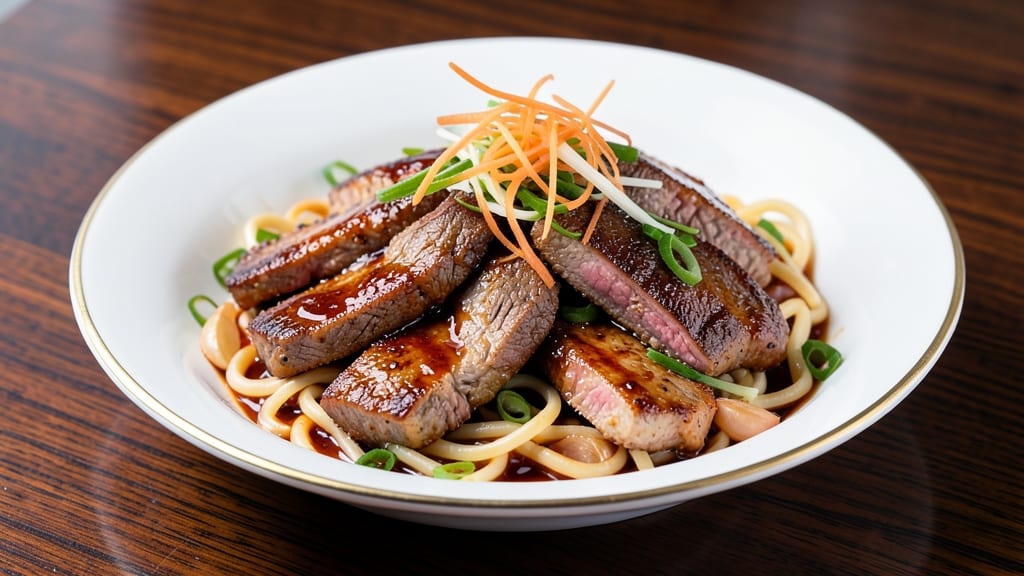
This beef and pork chop suey recipe brings the smoky wok hei of Cantonese kitchens to your home stove with bold, layered flavors and restaurant-quality texture. ✨ I perfected this version after years of testing—where the beef stays tender, the pork develops crispy edges, and the noodles absorb just enough sauce to be silky without falling apart.
The secret lies in high-heat stir-frying and a balanced soy-ginger sauce that cuts through the richness.
The foundation starts with properly sliced proteins—thinly cut beef for quick cooking and slightly thicker pork chops that develop that signature wok-fired crunch. We'll build flavor in stages: first with aromatics, then the sauce reduction, and finally the quick stir-fry where everything comes together in under 10 minutes.
This isn't your grandmother's chop suey—it's a modern take that respects tradition while delivering restaurant-quality results at home.
What you'll end up with is a steaming pile of golden-brown pork, tender beef, and chewy noodles coated in a glossy sauce that's perfectly balanced between sweet, salty, and umami. The wok hei—literally "breath of the wok"—comes from the quick, high-heat cooking that creates those signature smoky aromas.
Serve it over steamed rice or with dumplings for the full experience, but trust me, you'll want to eat it straight from the wok.
This recipe scales beautifully—doubling for a crowd or halving for leftovers that reheat perfectly. The sauce keeps well in the fridge, so you can prep ahead and assemble when ready.
Whether you're feeding a family or treating yourself to a weeknight feast, this chop suey delivers bold, satisfying flavors that taste like a night out at your favorite Chinese restaurant.
Ingredients for beef and pork chop suey
Bold flavors start with these 15 ingredients—where thinly sliced beef meets crispy pork in a silky soy-ginger embrace.
| Ingredient | Amount | Notes |
|---|---|---|
| Thinly Sliced Beef (Flank Steak) 🥩 | 1 lb | Cut against grain, 1/4-inch thick |
| Pork Chops (Bone-In) 🐖 | 1 lb | Cut into 1-inch cubes, skin-on |
| Egg Noodles (Fresh or Dried) 🍜 | 8 oz | Wide egg noodles preferred |
| Garlic Cloves 🧄 | 6 cloves | Minced, for aromatics |
| Fresh Ginger 🌿 | 2 tbsp | Finely grated, peel removed |
| Green Onions 🧅 | 3 whole | Sliced, white and green parts |
| Soy Sauce (Light) 🍶 | ⅓ cup | Kikkoman preferred |
| Oyster Sauce 🍶 | 2 tbsp | High-quality, like Lee Kum Kee |
| Sesame Oil 🫒 | 1 tbsp | Toasted, for aroma |
| Brown Sugar 🍯 | 1 tbsp | Light or dark, packed |
| Cornstarch 🌾 | 1 tbsp | For sauce thickening |
| Vegetable Oil 🫒 | ½ cup | High smoke point |
| Red Bell Pepper 🌶️ | 1 whole | Julienned, seeds removed |
| Salt 🧂 | 1 tsp | Diamond Crystal preferred |
| Black Pepper 🌶️ | ½ tsp | Freshly cracked |
The beef and pork are non-negotiable for that signature wok-fired texture. Flank steak is ideal for beef—it's lean but tender when sliced against the grain. For pork, bone-in chops from the butcher section deliver more flavor and crispier edges. I always ask for pre-sliced flank steak at Whole Foods—it saves time and ensures even thickness. Look for pork chops with visible fat marbling; that's what gives you the crispy crust. If you can't find bone-in, skin-on pork, thick-cut pork loin cut into 1-inch cubes works too, but trim excess fat first. The egg noodles? Fresh is best—they hold up better to stir-frying, but dried works in a pinch if you cook them al dente first. Wide egg noodles are traditional, but any egg noodle will do.
No oyster sauce? Substitute with 2 tbsp hoisin plus 1 tbsp soy sauce—it's not identical, but close. Short on sesame oil? Swap for 1 tsp toasted sesame seeds at the end—they add aroma without the overpowering flavor. The red bell pepper is optional but adds sweetness and crunch; if you skip it, snap peas or broccoli florets work well too. For the soy sauce, Kikkoman is the gold standard, but any light soy will work. The brown sugar can be swapped for honey or maple syrup if you prefer. Fresh ginger and garlic are essential—dried won't give the same punch. If you can't find fresh ginger, substitute with 1 tbsp ground ginger, but it's not the same. The cornstarch is key for that glossy sauce—don't skip it or the sauce will be runny.
Prep ahead for maximum flavor. The pork and beef can be marinated overnight in 1 tbsp soy sauce, 1 tsp cornstarch, and 1/2 tsp black pepper—this keeps them tender. Store marinated meat in an airtight container in the fridge for up to 24 hours. The sauce keeps for 5 days in the fridge, so make extra for stir-fries later. The noodles are best used fresh, but cooked and cooled noodles can be stored for 2 days in the fridge—just reheat with a splash of water before stir-frying. For leftovers, reheat gently in a wok or skillet to avoid drying out the noodles. This dish reheats beautifully—honestly, it's even better the next day as the flavors meld.
Why You'll Love This Recipe
- One-Pan Magic: I swear by this for nights when I’m too tired to scrub three bowls—just sear the beef and pork in one wok, toss in the noodles, and let the garlic-ginger sauce do the work. The bone-in pork chops add depth without extra effort, and the noodles soak up every last bit of flavor.
- Umami Bomb: That combo of flank steak and pork chops? It’s like a flavor explosion in your mouth. The beef stays tender and slightly chewy, while the pork delivers juicy, caramelized edges—plus, the fresh ginger and garlic turn this into a savory, aromatic hug in a bowl.
- Lunchbox Hero: Between us, this is my go-to for meal prep. The leftovers reheat like a dream (just add a splash of water), and it’s hearty enough to pack for work or school—no sad, soggy takeout here. Honestly, my kids beg for it the next day, and that’s the real win.
- Budget Stretch: Flank steak and bone-in pork chops are cheaper cuts, but they punch way above their weight. A single batch feeds four for under $15, and the noodles stretch even further if you bulk them up with frozen veggies. It’s the kind of meal that makes grocery day feel like a victory.
Step-by-step instructions for wok-fired beef and pork chop suey
Here's how to balance smoky, caramelized proteins with silky noodles and vibrant vegetables.
🔥 Step 1: Prep the Proteins for Maximum Crunch
Start by slicing the 1 lb pork chops into 1-inch cubes, keeping the skin on for extra texture. Pat them dry with paper towels—this ensures they'll sear beautifully instead of steaming. For the 1 lb thinly sliced beef (flank steak), cut it against the grain into ¼-inch thick strips. This prep is crucial: the pork needs room to crisp while the beef stays tender.
Season both proteins generously with 1 tsp salt and ½ tsp black pepper. Toss them in a bowl until evenly coated. Let them sit at room temperature for 15 minutes before cooking—this prevents cold spots that can make them tough. Real talk: Don't skip this step. Room-temperature meat cooks more evenly and develops better texture.
🍳 Step 2: Build the Aromatic Base and Sear the Proteins
Heat a wok or large skillet over high heat until it's screaming hot. Add ½ cup vegetable oil and swirl to coat the bottom. Working in batches (you'll need two rounds), add the pork cubes and cook undisturbed for 2-3 minutes until the skin crisps and the meat turns golden brown. Transfer to a plate and set aside.
In the same wok, add 6 cloves minced garlic and 2 tbsp finely grated ginger. Stir constantly for 30 seconds until fragrant—this is where the foundation of your dish's flavor develops. Add the beef strips and sear for 1-2 minutes until they turn deep brown but remain tender. Remove and set aside with the pork. Here's the thing—don't overcrowd the pan or the beef will steam instead of sear.
🥘 Step 3: Cook the Vegetables and Sauce
In the same wok, add 1 whole julienned red bell pepper and stir-fry for 1-2 minutes until bright and slightly blistered. Push the vegetables to one side and add 3 sliced green onions, white and green parts separated. Cook the whites for 30 seconds until just tender, then add the greens and stir for 10 seconds to keep them vibrant.
Lower the heat to medium and add ⅓ cup soy sauce, 2 tbsp oyster sauce, 1 tbsp brown sugar, and 1 tbsp sesame oil. Stir to combine, then sprinkle in 1 tbsp cornstarch mixed with 2 tbsp water. Cook for 1-2 minutes until the sauce thickens slightly—it should coat the back of a spoon but remain silky, not gluey. If it's too thick, add a splash of hot water.
⏰ Step 4: Toss Everything Together
Add the 8 oz egg noodles (cooked al dente according to package instructions, drained) to the wok. Toss everything together for 1-2 minutes until the noodles absorb the sauce and the proteins are evenly distributed. The noodles should be coated but not soggy—this is where the magic happens. If the mixture looks dry, add 1-2 tablespoons of hot water to loosen it.
Garnish with the remaining green onion greens and an extra drizzle of sesame oil for that final aromatic punch. Serve immediately while the noodles are still hot and the proteins retain their perfect texture. This dish is all about contrast—crispy pork, tender beef, chewy noodles, and vibrant vegetables all coming together in one glorious bite.
Pro Tips For Making Beef And Pork Chop Suey
- CUT PORK THINLY: Bone-in pork chops won’t slice neatly—freeze them solid for 30 minutes first, then slice against the grain with a sharp cleaver. I used to struggle with uneven pieces until I tried this; now they cook faster and look like the restaurant version.
- SEAR MEAT IN BATCHES: Don’t overcrowd the pan—cook beef and pork in two separate rounds on high heat until deeply browned. I learned this the hard way when my first batch turned soggy; crispy searing builds flavor that no sauce can fix.
- GINGER: JULIENNE NOT MINCE: Skip the food processor—hand-julienne fresh ginger into matchsticks (about 1/4-inch thick) for even cooking and better texture. Mincing burns it too fast, and pre-shredded ginger from the jar tastes like sawdust.
- NOODLES: AL DENTE IS KEY: Cook egg noodles 1 minute less than package instructions, then finish in the hot wok with the meat. Overcooked noodles turn mushy under sauce; slightly firm noodles hold up better and soak up flavor like a sponge.
Perfect pairings for this recipe
Steamed Rice Pairing
This chop suey practically begs for a mound of steamed jasmine rice to soak up every last drop of that glossy soy-ginger sauce. I always use long-grain jasmine rice cooked to a slightly sticky texture—about 1 cup dry rice per 1.5 cups water.
Cook it in a rice cooker or pot until the grains are tender but still have a bit of bite. The rice should be hot when you serve it, so keep it covered until ready.
For extra flavor, add 1 tsp toasted sesame oil or a pinch of white pepper to the rice while it steams. 🍚
Pan-Fried Dumplings
Crispy pan-fried dumplings add a delightful textural contrast to the tender noodles and proteins. I love using wonton wrappers filled with a mix of ground pork, shrimp, and finely chopped scallions, bound with 1 egg white and a pinch of ginger.
Pan-fry them in ½ inch of hot oil until golden brown on the bottom, then add ¼ cup water to the pan and cover to steam for 2-3 minutes. Uncover, crisp the tops, and serve warm.
For a shortcut, grab frozen dumplings from the Chinese section—just pan-fry them as directed. 🥟
Quick Pickled Vegetables
To cut through the richness, serve this chop suey with a small side of quick-pickled vegetables. Thinly slice ½ cup daikon radish and ½ cup carrots, then toss with ¼ cup rice vinegar, 1 tsp sugar, and a pinch of red pepper flakes.
Let it sit for at least 30 minutes before serving. The tangy crunch balances the savory, umami flavors beautifully. I often make a big batch and keep it in the fridge for up to 5 days—it’s perfect for other stir-fries too. 🥒
Miso Soup with Tofu
For a lighter, broth-based pairing, serve a simple miso soup with silken tofu and scallions. Dissolve 2 tbsp white miso paste in 2 cups hot dashi broth (or substitute with vegetable broth), then add ½ block silken tofu cut into cubes and 2 scallions sliced thin.
Heat gently for 2-3 minutes—just enough to warm through. The umami depth of the miso complements the chop suey’s flavors without overpowering them. Plus, it’s a great way to start the meal if you’re serving a full spread. 🍜
Spicy Chili Oil Drizzle
If you want to kick things up a notch, serve this chop suey with a side of homemade chili oil. Heat ½ cup neutral oil (like vegetable or peanut) with 2 tbsp dried chili flakes and 1 tsp Sichuan peppercorns until fragrant.
Strain and let cool before drizzling over the dish. The numbing heat from the peppercorns pairs incredibly well with the smoky wok hei flavors. For a milder version, reduce the chili flakes to 1 tbsp. Trust me, this takes your chop suey from good to unforgettable. 🌶️
Sesame Seed Garnish
Finish your chop suey with a sprinkle of toasted sesame seeds for extra crunch and aroma. Heat 1 tbsp sesame seeds in a dry skillet over medium heat for 1-2 minutes** until golden and fragrant. Let them cool slightly, then sprinkle generously over the dish right before serving.
This simple step adds a nutty depth and visual appeal that elevates the whole plate. I keep a jar of pre-toasted seeds on hand for quick garnishes like this. ✨
Nutrition facts
Frequently asked questions
Can I substitute chicken for the beef and pork?
Chicken works beautifully—just use 1 lb boneless, skinless chicken thighs cut into 1-inch pieces. The thighs stay juicier than breast meat when stir-fried. For extra flavor, marinate them in 1 tbsp soy sauce and 1 tsp cornstarch for 15 minutes before cooking. Chicken cooks faster than beef, so reduce stir-fry time by 1-2 minutes to avoid overcooking.
How do I get that authentic wok hei flavor at home?
Wok hei ("breath of the wok") comes from high heat and proper technique. Use a carbon steel or cast iron wok (or a heavy skillet) and crank the heat to maximum. Work quickly—don't overcrowd the pan—and listen for the sizzle. A gas stove with high BTUs works best, but electric stoves can achieve it too if you preheat thoroughly. Add a splash of dry sherry or Shaoxing wine at the end for extra depth.
Can I make this dish ahead of time?
Yes! Prep the sauce and chop all ingredients in advance, but don't cook the proteins or noodles until serving. Store sauce in an airtight container for 5 days in the fridge. For the noodles, cook them al dente, rinse with cold water, and refrigerate for up to 2 days. Reheat proteins separately in a hot wok, then toss everything together fresh. The flavors actually improve overnight as they meld!
What's the best way to reheat leftovers?
Reheat gently in a wok or skillet over medium heat with 1-2 tbsp water to prevent drying. Stir constantly for 2-3 minutes until everything is hot through. Microwaving makes noodles mushy—avoid it! For extra crispiness, sear pork pieces separately before combining. Leftovers keep well for 3 days in the fridge or 3 months frozen (store sauce separately).
Why did my pork turn out greasy?
Greasy pork usually means excess fat wasn't rendered properly. Trim visible fat before cooking, and pat pork cubes very dry with paper towels. Cook in batches over high heat until golden, then remove immediately. For extra insurance, drain pork on a wire rack before adding to the wok. The skin should crisp, not steam—if it's releasing too much fat, your pan isn't hot enough.