
Main Courses
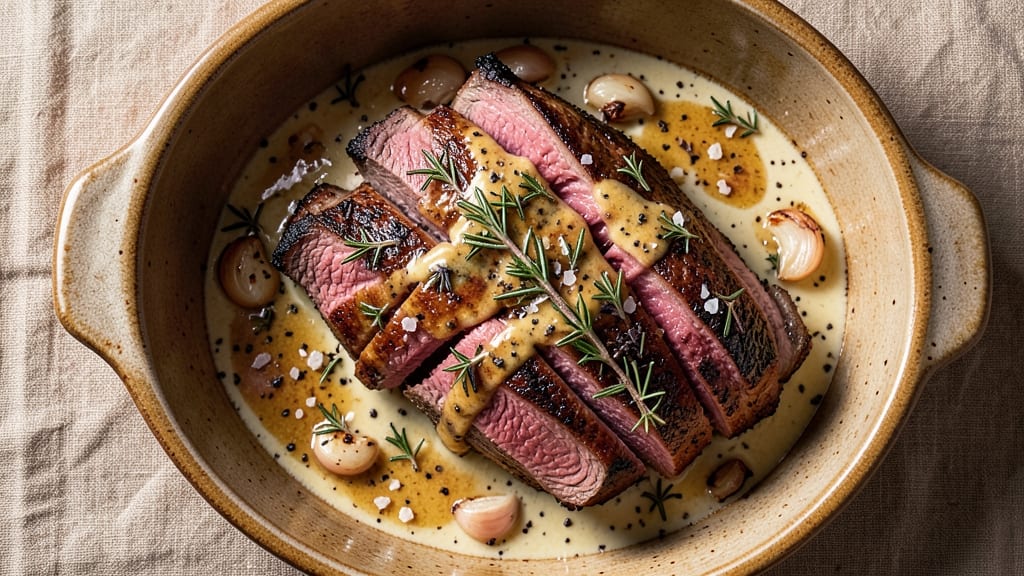
This Angus beef sirloin roast recipe delivers the perfect balance of a juicy center and a caramelized crust that will impress even the most discerning guests. The secret lies in precise temperature control and proper resting time—two factors that transform a simple roast into a showstopping centerpiece.
I've perfected this method over years of testing, ensuring every slice stays tender while developing that coveted golden-brown crust.
The beauty of this recipe is its simplicity: just a few high-quality ingredients and a method that works every time. We'll focus on achieving the ideal internal temperature—130°F for medium-rare—while building that flavorful crust through proper searing.
The key is patience; letting the meat rest after roasting ensures those juices redistribute, guaranteeing a melt-in-your-mouth experience with every bite.
What makes this recipe stand out is how it elevates a classic cut of beef into something extraordinary. The crust becomes almost crispy while maintaining a tender interior, creating a textural contrast that's pure satisfaction. This isn't just dinner—it's an event, and the preparation reflects that.
Perfect for holiday gatherings or Sunday family meals, this roast pairs beautifully with classic sides like roasted potatoes and seasonal vegetables. The method is foolproof, but the results feel special enough for any occasion. Let's get started on creating your perfect roast.
Ingredients for angus beef sirloin roast
Four pounds of premium Angus beef and a few magic touches—this roast delivers restaurant-quality perfection at home.
| Ingredient | Amount | Notes |
|---|---|---|
| Angus Beef Sirloin Roast 🥩 | 4 lb | Center-cut, 1.5-inch thickness |
| Kosher Salt 🧂 | 1 ½ tbsp | Diamond Crystal preferred |
| Freshly Ground Black Pepper 🌶️ | 1 tbsp | Coarse grind for texture |
| Unsalted Butter 🧈 | ½ cup | Cold, cut into 1-inch cubes |
| Fresh Rosemary 🌿 | ¼ cup | Chopped, stems removed |
| Fresh Thyme 🌿 | ¼ cup | Leaves only, stems removed |
| Garlic Cloves 🧄 | 8 cloves | Smashed, skin-on |
| Extra-Virgin Olive Oil 🫒 | 2 tbsp | High-quality, fruity variety |
| Red Wine 🍷 | ½ cup | Bold dry red, like Cabernet |
| Beef Tallow 🧈 | 2 tbsp | For crust development |
| Red Wine Vinegar 🍷 | 1 tbsp | For pan deglazing |
| Yellow Onion 🧅 | 1 whole | Thinly sliced, for garnish |
The Angus beef sirloin roast is non-negotiable here. Look for center-cut with visible marbling—this ensures juiciness. Costco and Whole Foods carry excellent options, but your local butcher shop might have even better quality. The thickness matters too—aim for 1.5 inches at the thickest point. If your roast has a bone, remove it before seasoning for even cooking. For the herbs, fresh is essential—dried just won't cut it here. The rosemary and thyme should smell vibrant, not musty. If you're feeling fancy, Penzeys Spices has amazing dried blends, but fresh is always better for this recipe.
No red wine? Beef broth with a splash of balsamic works in a pinch, though it won't give that same depth. The butter needs to be cold when you add it—let it sit in the fridge until you're ready to sear. For the garlic, smash the cloves with the side of your knife so they infuse flavor without burning. The beef tallow is optional but worth it—it creates that unmatched caramelized crust. If you can't find it, extra butter works too. The onions for garnish can be red or yellow—whatever's on sale. Just make sure they're crisp when you slice them thin. And trust me, don't skip the resting time—this is where the magic happens.
This roast reheats beautifully—just warm it gently in the oven with a splash of beef broth. It keeps for 3-4 days in the fridge, though it's best eaten within 2 days for peak tenderness. For leftovers, slice against the grain and serve on toasted brioche. The crust gets even better the next day, so if you're making this for a crowd, plan ahead. Freeze portions for up to 3 months—just thaw overnight in the fridge before reheating. The secret to perfect slices? Let it rest for 20 minutes before cutting—this ensures every bite stays juicy.
Why You'll Love This Recipe
- Five-Ingredient Magic: I swear by this—just salt, pepper, butter, rosemary, and that perfect Angus cut. No fancy marinades or last-minute shopping. The beef practically cooks itself while you sip wine and pretend you’re a sous chef.
- Rosemary Butter Bliss: That crispy, golden crust? Pure butter and rosemary working their magic. The rosemary infuses into the fat, leaving every bite with a fragrant, herby finish that tastes like a fancy steakhouse—but for half the price.
- Sunday Dinner Ready: Between us, this is my go-to for gatherings. Slice it thin for sandwiches, serve it with mashed potatoes, or turn it into a hearty beef stroganoff later in the week. One roast, endless possibilities.
- Leftovers That Don’t Suck: Honestly, the second day is often better. The beef gets even more tender, and I love tossing it into grain bowls or wraps. No sad, dry reheats—just rich, juicy slices that make leftovers feel like a treat.
Step-by-step instructions for Angus beef sirloin roast
Here's how to transform your sirloin into a showstopping centerpiece with melt-in-your-mouth tenderness and that coveted caramelized crust.
Prepare the Herb Butter and Season the Roast
In a small bowl, combine the 0.5 cup unsalted butter, 0.25 cup fresh rosemary, 0.25 cup fresh thyme, and 8 cloves garlic cloves (smashed). Mix until the herbs are evenly distributed throughout the butter. This aromatic blend will infuse the meat with layers of flavor as it cooks.
Pat the 4 lb angus beef sirloin roast completely dry with paper towels—this is absolutely critical for developing that perfect crust. Rub the entire surface with 1.5 tbsp kosher salt and 1 tbsp freshly ground black pepper, pressing firmly so the seasoning adheres. Then, generously coat the roast with the herb butter mixture, making sure to get it into all the crevices and edges.
Sear the Roast for Maximum Flavor Development
Heat a heavy oven-safe skillet (like cast iron) over medium-high heat until very hot. Add 2 tbsp extra-virgin olive oil and 2 tbsp beef tallow—the tallow will help create that rich, caramelized crust. Once the fat is shimmering, carefully place the roast in the skillet, fat-side down.
Sear the roast for 5-6 minutes without moving it, until a deep golden-brown crust forms. You'll smell the aromatics intensifying—that's when you know it's working. Flip the roast and sear the other side for another 5-6 minutes until equally browned. The goal is to develop maximum flavor through the Maillard reaction before transferring to the oven.
Roast to Perfect Medium-Rare Doneness
Preheat your oven to 325°F—this lower temperature ensures even cooking without overcooking the exterior. Transfer the seared roast to a roasting pan and place it in the oven. Roast for 45-50 minutes for medium-rare (or until the internal temperature reaches 130-135°F when measured with a meat thermometer in the thickest part).
Here's the secret to juicy perfection: don't cut into the roast until it's rested. The residual heat will continue cooking the meat slightly, so pull it out when it reaches 125-130°F if you prefer medium-rare. The meat will rise about 5°F during resting. Tent loosely with foil and let it rest for 20-30 minutes—this allows the juices to redistribute throughout the meat.
Create the Red Wine Pan Sauce
While the roast rests, place the searing pan over medium heat. Deglaze with 0.5 cup red wine, scraping up all the browned bits from the bottom—this is where all the flavor lives. Let it reduce by half, then add 1 tbsp red wine vinegar and simmer for another 2-3 minutes until slightly thickened.
Strain the sauce through a fine-mesh sieve to remove any herb bits, then return it to the pan. Whisk in 1 tbsp cold butter, one piece at a time, until the sauce emulsifies into a glossy, velvety consistency. This sauce should coat the back of a spoon—if it's too thick, add a splash of beef drippings from the roasting pan.
Carve and Serve with Garnish
Slice the rested roast against the grain into ½-inch thick portions. The meat should be tender enough to pull apart with gentle pressure, with a beautiful pink center and deep caramelized crust. Arrange the slices on a warm platter, spooning the red wine sauce generously over the top.
Garnish with the thinly sliced yellow onion for a touch of brightness that cuts through the richness. The onions should be cooked just until tender-crisp, adding a subtle sweetness that complements the beef's depth of flavor. Serve immediately with your favorite sides—this roast deserves the spotlight!
Pro Tips For Making Angus Beef Sirloin Roast
- Dry the Meat First: Pat that roast thoroughly with paper towels—no wet spots—before you even think about salt. I used to skip this, and my crust would turn out soft instead of crispy. The butter and rosemary need something to cling to, and dry meat sears like a dream.
- Salt Generously Early: Don’t hold back on kosher salt—use about 1 teaspoon per pound, all over, including crevices. Let it sit uncovered on a rack in the fridge for at least 30 minutes (yes, even if you’re impatient like me). This guarantees flavor penetration and a better crust later.
- Start Hot, Then Slow: Sear the roast in a screaming-hot pan for 2-3 minutes per side before transferring to the oven. After that, drop the heat to 275°F (135°C) and let it cook low and slow—this keeps the meat juicy while the crust stays intact. Rushing the low temp is how you end up with dry beef.
- Butter the Crust Last: Save the rosemary-and-butter basting for the very end—right after you’ve pulled the roast from the oven. Spread that melted butter thick over the top while it’s still piping hot. It’ll baste itself and give you that restaurant-quality shine. I learned this the hard way after a buttery mess on my counter.
Essential equipment for great angus beef sirloin roast
Cast Iron Skillet
Your heavy cast iron skillet is non-negotiable for searing this roast—it retains heat like nothing else and creates that perfect crust. I recommend a 12-inch Lodge cast iron skillet for this recipe, as it provides ample surface area for even searing.
The weight of cast iron ensures consistent heat distribution, while its oven-safe nature allows you to transfer the roast directly from stovetop to oven. Pro tip: Preheat your skillet for 10 minutes before adding fat to ensure maximum crust development. 🔥
Meat Thermometer
A high-quality instant-read meat thermometer is your best friend for achieving perfect doneness. I swear by the ThermoWorks Smoke thermometer—it's fast, accurate, and has a durable probe that can handle high-heat environments.
Insert the probe into the thickest part of the roast, avoiding fat and bone, to get an accurate reading. For medium-rare, aim for 130°F internal temperature—this ensures a juicy center while developing that caramelized exterior.
Roasting Pan
Use a shallow roasting pan with a rack to elevate the roast—this allows heat to circulate evenly around the meat, preventing steaming and ensuring a crispy crust. I prefer All-Clad stainless steel roasting pans because they're durable and conduct heat exceptionally well.
Avoid deep pans, as they can trap steam and make the crust soggy. Line the bottom with foil for easy cleanup, but leave the top uncovered to promote browning.
Tongs and Twine
Heavy-duty tongs make flipping and handling the roast much easier than a spatula, especially when it's coated in butter and herbs. Look for 12-inch stainless steel tongs with locking handles for extra control. For trussing (if needed), butcher's twine helps maintain the roast's shape during cooking, though this particular recipe doesn't require it. If you're nervous about handling the hot roast, the tongs will give you the confidence to sear it properly without burning yourself.
Fine-Mesh Sieve
A fine-mesh sieve is essential for straining your red wine pan sauce, removing any herb bits that could make it gritty. I use a 3-inch diameter stainless steel sieve from OXO—it's sturdy, easy to clean, and does the job perfectly.
This step ensures your sauce is silky smooth, allowing all the rich flavors to shine without texture interference. Don't skip this—it makes a noticeable difference in the final presentation. ✨
Butter Knife
While any sharp knife will work, a butter knife is ideal for spreading the herb butter mixture evenly across the roast's surface. The slightly dull edge prevents tearing the meat while still allowing you to work the butter into all the crevices.
Keep one handy during seasoning to ensure even distribution. For carving, switch to a sharp carving knife to make clean slices against the grain.
Nutrition facts
Frequently asked questions
What's the best way to choose a quality angus beef sirloin roast?
Look for a center-cut roast with visible marbling—those white fat streaks guarantee juiciness. The meat should have a vibrant red color, not brownish, and feel firm but slightly springy to the touch. Ask your butcher for a 1.5-inch thick cut—thicker pieces develop better crusts. Avoid roasts with excessive fat caps or bones unless you're comfortable trimming them first.
Can I cook this roast at a higher temperature for faster results?
Not recommended! Cooking at 400°F or higher will overcook the exterior before the center reaches temperature, creating a dry exterior. The 325°F method ensures even cooking while developing that perfect crust. If you're short on time, sear longer (up to 8 minutes per side) to build more flavor, but keep the oven temp consistent.
How do I know when the roast is done without a meat thermometer?
For medium-rare, the roast should take about 45-50 minutes at 325°F for a 4 lb roast. Press the meat gently—it should feel soft but still have slight resistance. The juices should run clear when pierced (not pink), and the internal temperature should reach 130°F if you could measure it. For well-done, add 10-15 extra minutes to your cooking time.
What's the deal with resting time—why can't I just cut it right away?
Resting (for 20-30 minutes) lets the meat's juices redistribute instead of pouring out when sliced. When you cut too soon, you lose 30-40% of the juices that would otherwise make each bite tender. The crust stays intact during resting, and the temperature rises 5°F naturally—so pull it out at 125°F for medium-rare. Tent loosely with foil to let heat escape slightly while keeping it warm.
Can I make this roast ahead of time?
Yes! Cook it 1-2 days ahead and refrigerate. The crust actually improves over time. Reheat gently in a 275°F oven for 20-30 minutes with a splash of beef broth to keep it moist. For leftovers, slice against the grain and serve on toasted bread with extra sauce. The meat stays tender for 3-4 days refrigerated or 3 months frozen—just thaw overnight in the fridge.