
Main Courses
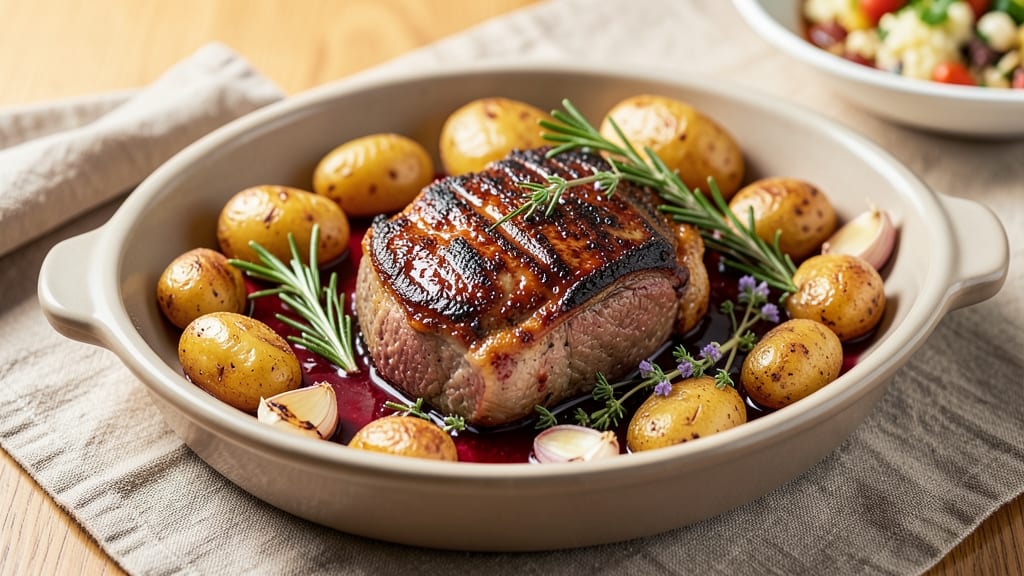
This Angus beef roast crock pot recipe transforms tough cuts into melt-in-your-mouth perfection with a deep red wine and herb braise that infuses every bite. The slow cooking process breaks down collagen-rich beef into tender, fork-shreddable strands while developing rich, complex flavors—no fancy equipment required. What makes this recipe stand out is the balance of acidity from red wine and aromatic herbs that create a sauce as delicious as the meat itself.
The beauty of crock pot cooking lies in its simplicity: minimal prep, hands-off cooking, and maximum flavor development.
You'll start with a simple seasoning blend of garlic, rosemary, and thyme, then let the slow cooker work its magic over 8 hours on low, resulting in beef so tender it practically falls apart.
The red wine not only enhances the flavor but also tenderizes the meat naturally, creating a sauce that's perfect for serving directly over the beef.
By the time you remove it from the crock pot, you'll have beef that's so tender it practically dissolves on your tongue, with a rich, velvety sauce that's packed with deep, savory notes.
The aroma alone will have everyone gathering around the table, and each bite delivers that perfect combination of rich beef flavor and aromatic herbs. This is the kind of meal that transforms a regular weeknight into a special occasion.
Serve with roasted root vegetables or crusty bread to soak up every drop of that delicious sauce. The leftovers reheat beautifully, making this an ideal recipe for meal prep or feeding a crowd. Let's get started on creating this restaurant-quality dish at home.
Ingredients for angus beef roast crock pot
Six ingredients transform tough beef into melt-in-your-mouth perfection with red wine magic.
| Ingredient | Amount | Notes |
|---|---|---|
| Angus Beef Chuck Roast 🥩 | 3 lb | Center-cut for tenderness |
| Dry Red Wine 🍷 | 1 ½ cups | Bold Cabernet or Merlot |
| Beef Broth 💧 | 1 cup | Low-sodium preferred |
| Garlic Cloves 🧄 | 6 cloves | Smashed for flavor infusion |
| Fresh Rosemary 🌿 | ½ cup | Chopped, stems removed |
| Fresh Thyme 🌿 | ¼ cup | Leaves only, stems removed |
| Olive Oil 🫒 | 2 tbsp | Extra-virgin for richness |
| All-Purpose Flour 🌾 | 2 tbsp | For thickening sauce |
| Salt 🧂 | 1 ½ tsp | Kosher or sea salt |
| Black Pepper 🌶️ | 1 tsp | Freshly ground preferred |
| Balsamic Vinegar 🍶 | 1 tbsp | For depth of flavor |
| Yellow Onion 🧅 | 1 whole | Quartered, skin on |
| Carrots 🥕 | 2 whole | Cut into chunks |
| Celery Stalks 🥬 | 2 whole | Cut into chunks |
The beef is everything here. Angus chuck roast from the butcher section (not the pre-cubed stuff) gives you that perfect marbling. Costco or Whole Foods usually have the best quality, but any reputable grocery store's meat counter works. Look for bright red color and good fat distribution—this is your flavor bank. The wine? Any bold, dry red works here—Cab Sauv, Merlot, whatever's open. Just avoid sweet wines like Zinfandel. For the herbs, fresh is ideal, but if you're in a pinch, dried thyme and rosemary at half the amount will work. The yellow onion, carrots, and celery form the flavor base—don't skip these even if you're not using them for serving later.
No red wine? Beef broth with a splash of balsamic gets you close—just add an extra tablespoon of balsamic to compensate. Fresh herbs wilt fast, so if you're prepping ahead, wrap them in damp paper towels and store in a sealed container. The flour is just for thickening at the end—if you're sensitive to gluten, you can skip it and just let the sauce reduce naturally. For the vegetables, baby carrots or pre-cut celery from Trader Joe's save time. The quartered onion adds sweetness that balances the acidity from the wine and vinegar. If you're feeling fancy, add a bay leaf to the pot—it disappears but adds depth.
This reheats beautifully—honestly tastes better the next day once everything melds. Keeps for 4-5 days in the fridge, freezes for 3 months if you portion it properly. I like to make double batches because the leftovers make amazing sandwiches or tacos. For serving, I always grab some crusty bread to soak up that rich sauce. The sauce thickens as it cools, so you might want to add a splash of beef broth when reheating if it gets too thick. Don't throw out those veggie scraps—they make amazing stock for your next batch.
Why You'll Love This Recipe
- Wine-Infused Richness: That dry red wine isn’t just for show—it melts into the beef, giving it a deep, savory punch. Pair it with the rosemary and garlic, and you’ve got layers of flavor that taste like a fancy restaurant, not a weeknight shortcut.
- Weeknight to Weekend Hero: This roast shines whether it’s feeding your family on a Tuesday or impressing guests on Saturday. Serve it sliced over mashed potatoes one night, toss it into sandwiches the next, or even shred it for tacos—it’s that adaptable.
- Leftovers That Don’t Suck: Between us, most beef roasts turn into sad, dry leftovers. Not this one. The slow cooker keeps it tender, so reheating is a breeze. I’ve had it cold in salads, warmed in soups, and even thrown into breakfast burritos—zero guilt, all flavor.
Step-by-step instructions for slow-cooked Angus beef roast
Here's how to transform a tough chuck roast into melt-in-your-mouth perfection using your crock pot.
Sear the Roast for Maximum Flavor
Heat a large skillet over medium-high heat and add the 2 tablespoons olive oil. Once shimmering, place the 3 lb Angus Beef Chuck Roast in the pan and sear on all sides for 3-4 minutes per side until deeply browned. This step creates a flavorful crust that locks in juices during cooking.
While the roast sears, prepare the vegetables by quartering the 1 whole yellow onion, cutting the 2 whole carrots and 2 whole celery stalks into 1-inch chunks. Set them aside—they'll join the crock pot later. After searing, transfer the roast to your cutting board and let it rest for 5 minutes before proceeding.
Build the Herb and Wine Base
In a medium bowl, combine the 6 smashed garlic cloves, 0.5 cup chopped fresh rosemary, 0.25 cup fresh thyme leaves, 1.5 teaspoons salt, and 1 teaspoon black pepper. Rub this mixture all over the seared roast, pressing it into the meat so the flavors penetrate deeply. This herb crust will infuse the roast as it cooks.
Pour the 1.5 cups dry red wine and 1 tablespoon balsamic vinegar into the bottom of your crock pot. Add the seared roast on top, then arrange the prepared vegetables around it. The wine and vinegar create an acidic base that tenderizes the meat while building rich flavor.
Slow Cook Until Fork-Tender
Pour the 1 cup beef broth over the roast and vegetables in the crock pot. Place the lid on and cook on low heat for 8 hours or high heat for 5-6 hours. This long, gentle cooking time is what transforms tough chuck roast into tender, pull-apart meat.
About 1 hour before the roast is done, sprinkle the 2 tablespoons all-purpose flour over the top. Stir gently to distribute it—this will help thicken the sauce in the final step. The roast is done when it reaches 205°F internal temperature and a fork slides in effortlessly with no resistance.
Thicken the Sauce and Serve
Once the roast is tender, carefully remove it from the crock pot and place it on a cutting board. Tent loosely with foil and let it rest for 15 minutes while you finish the sauce. Using a wooden spoon, scrape up any browned bits from the bottom of the crock pot and stir them into the cooking liquid.
Return the crock pot to the stove (or transfer to a saucepan if you prefer) and cook over medium heat for 5-7 minutes until the sauce thickens slightly. If it's too thin, remove the lid and simmer until reduced to your desired consistency. Slice the rested roast against the grain and serve with the rich herb sauce ladled over the top.
Pro Tips For Making Angus Beef Roast Crock Pot
- SEAR THE ROAST FIRST: I used to skip this step with crock pot beef, thinking it’d just melt in there. Wrong. Pat the chuck roast dry, then sear it in a hot pan with oil until it’s deep brown on all sides—even if it’s just 2 minutes per side. That crust locks in flavor and keeps the meat from drying out later.
- USE A SPLASH OF COLD WATER: The wine and broth will reduce, but add ¼ cup cold water to the crock pot before dumping in the liquid. The cold water keeps the rosemary sprigs from turning to mush and gives the garlic a chance to infuse without burning. (Yes, it’s weird—trust me.)
- SKIP THE CROWDED POT: Toss the roast in the crock pot, then arrange the garlic cloves and rosemary sprigs around it, not on top. If you bury them under the meat, they’ll steam instead of flavor the beef. A loose arrangement lets the aromatics do their job.
- CHECK TEMPERATURE, NOT TIME: Low and slow is great, but pull the roast when it hits 195°F—internal temp, not guesswork. If you’re impatient like me, you’ll overcook it and end up with chewy beef. A meat thermometer is your friend here, especially with chuck roast.
Wine and beer pairings for this recipe
Red Wine Pairings
The bold, rich flavors of this red wine-braised Angus beef call for wines with similar depth and acidity. I always reach for a Cabernet Sauvignon from Napa Valley—its dark fruit notes and tannins complement the beef beautifully.
A Merlot from Washington State also works wonderfully, offering softer tannins that won't overpower the dish. For something lighter, try a Pinot Noir from Oregon, which balances the richness with its bright acidity. 🍷
Avoid heavy, oaky wines like Bordeaux or overly sweet Zinfandels—they'll clash with the herbaceous, wine-forward sauce. Instead, look for wines with at least 12-14% alcohol to stand up to the beef's intensity.
If you're unsure, ask your local wine shop for a recommendation—they'll point you toward something with enough body to match this dish.
Beer Complements
For beer lovers, a malty Belgian Dubbel like Westmalle Dubbel pairs perfectly with the deep flavors. The caramel and spice notes in the beer enhance the rosemary and thyme in the sauce.
Alternatively, a dark ale like Guinness or Samuel Adams Black Lager adds a toasty contrast that cuts through the richness. 🍺
If you prefer lighter beers, a crisp German Helles Lager like Weihenstephaner Original provides enough carbonation to cleanse your palate between bites. Avoid hoppy IPAs—they'll overpower the delicate herb and wine flavors.
For a fun twist, try a Barleywine with its intense malt profile, but only if you're serving this as a centerpiece dish.
Non-Alcoholic Options
Don't miss out if you're avoiding alcohol! A sparkling ginger beer like Feather Ginger Beer adds a refreshing zing that complements the beef's richness. For something more substantial, try a non-alcoholic red wine like Freixenet 0.0%, which mimics the acidity and depth of traditional wine pairings. 💛
Herbal teas like hibiscus or black tea with lemon also work surprisingly well. The tartness of hibiscus tea echoes the balsamic vinegar in the sauce, while black tea's tannins provide a similar mouthfeel to red wine.
For a festive touch, serve with a sparkling apple cider—the effervescence cuts through the richness beautifully.
Sauce-Specific Tips
If you're serving the sauce separately, a dry Riesling from Germany adds a nice contrast. The wine's acidity cuts through the sauce's richness, while its mineral notes enhance the beef's flavor.
For a budget-friendly option, try a Sauvignon Blanc from New Zealand—the citrus notes pair surprisingly well with the herbaceous sauce. 🍷
Pro tip: Let your wine breathe for 10-15 minutes before serving to open up its aromas. If you're using a bold red, decant it for 30 minutes to soften the tannins.
The same goes for beer—let it sit at room temperature for 10 minutes to enhance its flavors. This small step makes a big difference in how the drink complements your meal.
Nutrition facts
Frequently asked questions
Can I use a different cut of beef instead of chuck roast?
While chuck roast is ideal for its marbling and tenderness when slow-cooked, you can substitute with top round roast or bottom round roast. However, these leaner cuts may require 1 extra hour of cooking time and benefit from a marinade overnight to prevent dryness. Avoid using ribeye or sirloin—these cuts are too tender for slow cooking and will become mushy.
What if I don't have red wine? Can I substitute something else?
Yes! Use 1.5 cups beef broth + 1 tablespoon balsamic vinegar for similar acidity, or 1.5 cups apple cider + 1 teaspoon soy sauce for depth. For a non-alcoholic option, try 1.5 cups cranberry juice + 1 tablespoon Worcestershire sauce. The key is balancing acidity and richness—avoid sweet substitutes like grape juice, as they'll overpower the herbs.
Why does my crock pot beef sometimes turn out dry?
Overcooking or skipping the sear are the most common causes. Always cook until the internal temp reaches 200-205°F, not longer. The sear creates a flavorful crust that locks in juices. If your beef is still dry, try adding 1/2 cup beef broth during the last 30 minutes of cooking. For extra moisture, place a damp paper towel on top of the roast before sealing the lid.
How do I make this recipe in an Instant Pot instead?
Sear the beef first, then add all ingredients except flour to your Instant Pot. Cook on high pressure for 60 minutes, then quick-release. For the sauce, transfer everything to a saucepan, add flour, and simmer 5-7 minutes until thickened. The Instant Pot version cooks 3-4 hours faster but requires closer monitoring to avoid overcooking.
Can I prep this ahead of time for meal prep?
This recipe reheats beautifully. Cook the roast as directed, then refrigerate for up to 5 days or freeze for 3 months. To reheat, add 2-3 tablespoons beef broth to the crock pot, cover, and cook on low for 2-3 hours or until heated through. The flavors actually improve after resting overnight! Perfect for busy weeks.