
Main Courses
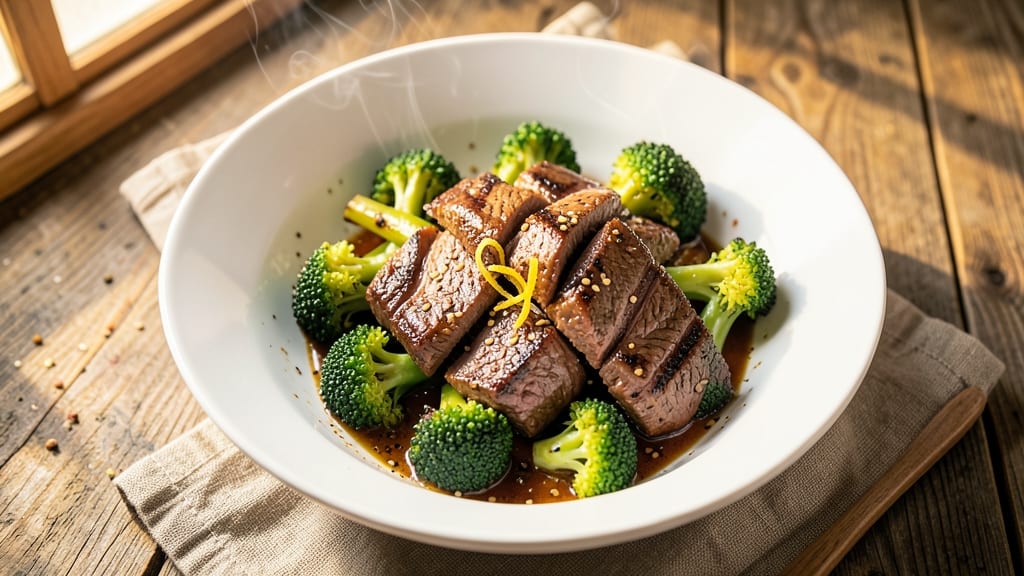
The America's Test Kitchen beef and broccoli stir fry recipe delivers restaurant-quality results with wok-perfected texture and silky soy-ginger balance. The secret lies in precise beef slicing and velveting—a technique that transforms tough cuts into tender, silky strips that absorb flavor without drying out.
This isn't just another stir-fry; it's a methodically perfected dish where timing and heat control create that signature crunchy broccoli and tender beef harmony.
What sets this recipe apart is America's Test Kitchen's foolproof approach to stir-frying: pre-cooking broccoli separately to maintain its vibrant green color and crisp texture, then finishing it in the wok alongside the beef.
The sauce—rich with soy, ginger, and garlic—coats every ingredient evenly, delivering a perfect balance of umami, sweetness, and subtle heat. No more soggy vegetables or overcooked beef here; every element is executed with professional precision.
The result is a dish that's bold in flavor yet refined in technique, with beef that's juicy and tender, broccoli that stays crisp and bright, and a sauce that's smooth and deeply aromatic.
This isn't just comfort food—it's a wok masterpiece that transforms simple ingredients into something extraordinary. The plating is just as important: a golden-brown sear on the beef, vibrant green broccoli, and a glossy sauce that ties everything together.
Whether you're cooking for a weeknight dinner or impressing guests, this recipe delivers consistently perfect results. The method is designed to be reproducible—no guesswork, no second chances—just a foolproof stir-fry that tastes like it came from a high-end Asian restaurant.
Let's get started on creating your best beef and broccoli stir fry yet.
Ingredients for america's test kitchen beef and broccoli stir fry
Wok-perfected beef and broccoli with silky soy-ginger harmony—just 14 ingredients deliver restaurant-quality results.
| Ingredient | Amount | Notes |
|---|---|---|
| Flank Steak 🥩 | 1 lb | Thinly sliced against grain |
| Broccoli Florets 🥦 | 2 cups | Fresh, tightly packed |
| Cornstarch 🌾 | 1 tbsp | For velveting beef |
| Vegetable Oil 🫒 | 2 tbsp | High smoke point |
| Sesame Oil 🫒 | 1 tbsp | Toasted, for aroma |
| Light Soy Sauce 🍶 | 3 tbsp | Kikkoman preferred |
| Dark Soy Sauce 🍶 | 1 tbsp | For depth of color |
| Fresh Ginger 🌿 | 1 tbsp | Finely grated, aromatic |
| Garlic Cloves 🧄 | 4 cloves | Minced, fresh |
| Honey 🍯 | 1 tbsp | Pure, for balance |
| Rice Vinegar 🍶 | 1 tbsp | Seasoned preferred |
| Sesame Seeds 🌰 | 1 tsp | Toasted for garnish |
| Diamond Crystal Kosher Salt 🧂 | ½ tsp | For seasoning |
| Freshly Ground Black Pepper 🌶️ | ¼ tsp | For finishing |
The flank steak is non-negotiable—its lean yet tender texture transforms with proper slicing. Ask your butcher to slice it thinly against the grain (about 1/8-inch thick) for maximum tenderness. If you're doing it yourself, freeze the meat for 30 minutes first—it makes slicing easier. For broccoli, look for bright green florets with tight buds—the darker the green, the fresher. I always grab Trader Joe's organic broccoli crowns when I can, but any high-quality florets work. The cornstarch is key for velveting—it creates that signature silky texture that separates this from regular stir-fry.
No light soy sauce? Substitute with tamari or coconut aminos, but reduce to 2 tbsp—it's saltier. Fresh ginger? Dried works at half the amount, but it lacks that bright zing. The honey can be swapped for maple syrup if you're avoiding it, though it adds a slightly different depth. For the garlic, roast it first (375°F for 15 minutes) to mellow the flavor—trust me, it's worth the extra minute. Sesame oil? Use sparingly—just a few drops at the end for aroma, not cooking. And if you can't find toasted sesame seeds, regular seeds toasted in a dry pan work perfectly.
Prep the broccoli first—it cooks faster than the beef, so blanch it for 1 minute in boiling water before draining and shocking in ice water. This keeps it vibrant and crisp. The sauce can be made ahead and stored for up to 3 days in the fridge—just reheat gently before using. For leftovers, reheat in a skillet over medium heat with a splash of water to keep everything tender. Garnish with extra sesame seeds and a crack of black pepper right before serving—that's when the magic happens.
Why You'll Love This Recipe
- One-Pan Magic: I swear by this recipe—just the steak, broccoli, and a quick toss in cornstarch before hitting the pan. No extra dishes, no mess, and that sesame oil finish ties it all together like a pro.
- Crispy-Tender Steak: The cornstarch coating gives the flank steak that irresistible crispy edge while keeping it juicy inside. Honestly, I’ve tried other beef stir-fries, but this method actually works—no tough, rubbery bites here.
- Meal Prep Hero: Between us, this is my go-to for busy weeks. Cook a big batch on Sunday, and you’ve got lunch or dinner covered for days. The flavors even get better the next day—my kids beg for leftovers (and I don’t even have to bribe them).
- Budget-Friendly Powerhouse: Flank steak stretches further than you’d think, and broccoli is one of the most affordable veggies out there. Plus, the cornstarch trick makes a little go a long way—no wasted ingredients, just pure, satisfying flavor.
Step-by-step instructions for wok-perfected beef and broccoli
This is where science meets flavor—velveting beef for tenderness while keeping broccoli crisp-tender.
Velvet the Beef for Silky Texture
In a medium bowl, combine the 1 lb Flank Steak, sliced thinly against the grain, with the 1 tbsp Cornstarch, 0.5 tsp Diamond Crystal Kosher Salt, and 0.25 tsp Freshly Ground Black Pepper. Toss until every piece is evenly coated—this creates a protective barrier that keeps the beef impossibly tender. Let it marinate for 15 minutes at room temperature while you prep the rest.
Here's the thing—cornstarch acts like a shield, absorbing moisture and preventing the beef from drying out during the high-heat stir-fry. Don't skip this step; it's what transforms tough flank steak into melt-in-your-mouth perfection. If you're short on time, 10 minutes minimum works, but 15 gives you the best texture.
Build the Flavor Base
Heat a 14-inch wok or large skillet over high heat until a water droplet sizzles violently when flicked in. Add the 2 tbsp Vegetable Oil and swirl to coat. When the oil shimmers (about 1 minute), add the 4 cloves Garlic Cloves and 1 tbsp Fresh Ginger, stirring constantly for 30 seconds until fragrant but not browned—this prevents bitterness.
I know it seems like a short time, but garlic burns faster than you think. The moment you smell that sweet, nutty aroma, it's ready. Add the 3 tbsp Light Soy Sauce and 1 tbsp Dark Soy Sauce, stirring to combine. The dark soy sauce will give your dish that signature glossy sheen while adding depth of flavor. Let this mixture cook for 1 minute until it reduces slightly and clings to the wok.
Stir-Fry the Beef to Perfect Doneness
Working in batches if needed, add the marinated beef to the wok in a single layer. Stir-fry for 1-2 minutes until the edges turn light brown and the beef is 80% cooked—it should still have a slight pink center. The high heat sears the outside while the cornstarch keeps the inside juicy. Don't overcrowd the wok; you want that wok hei (breath of the wok) to crisp the beef properly.
If your beef starts to stick before browning, reduce the heat slightly and add a splash of water, then stir to deglaze. The goal is caramelized edges with tender centers. Once cooked, remove the beef to a plate and tent loosely with foil to keep warm—this prevents it from drying out while you finish the broccoli.
Cook the Broccoli for Crisp-Tender Perfection
Increase the heat back to high and add the 2 cups Broccoli Florets in a single layer. Stir-fry for 2-3 minutes, tossing constantly, until the florets are bright green with just a hint of blistering at the edges. The broccoli should offer slight resistance when pierced with a fork—this is your crisp-tender cue. Overcooking turns it mushy, and nobody wants that.
Here's a pro tip: If your broccoli looks undercooked after 2 minutes, add it back to the wok for another 30 seconds. The residual heat will finish it perfectly. Once done, return the beef to the wok and toss everything together for 30 seconds to meld the flavors.
Finish with Aromatics and Garnish
Reduce the heat to medium and add the 1 tbsp Honey, 1 tbsp Rice Vinegar, and 1 tbsp Sesame Oil. Stir vigorously for 1 minute until the sauce thickens slightly and coats the beef and broccoli evenly. Taste and adjust seasoning—you might need a touch more Light Soy Sauce if it's too mild, or a splash of Rice Vinegar if it's too heavy.
For the final touch, sprinkle with 1 tsp Sesame Seeds and serve immediately over steamed rice. The contrast of silky beef, crisp-tender broccoli, and that glossy soy-ginger sauce is what makes this dish absolutely perfect. Every bite should deliver a perfect balance of textures and flavors—crunchy, tender, savory, and slightly sweet all at once.
Pro Tips For Making America'S Test Kitchen Beef And Broccoli Stir Fry
- SLICE THIN, SLICE EVEN: I learned this the hard way—uneven slices mean some beef gets overcooked while others stay chewy. Aim for ¼-inch thickness (about 10 slices per pound) and keep them parallel; I use a sharp knife and a cutting guide if I’m feeling precise.
- SALT THE BEEF BEFORE SEARING: This isn’t just seasoning—it’s the thing that makes the beef tender. Wet the steak with 1 tablespoon soy sauce + 1 teaspoon salt, let it sit 10 minutes, then pat dry. The salt breaks down proteins, and the soy adds flavor before the cornstarch crust forms.
- DON’T CROWD THE PAN: I used to toss everything in at once, and the broccoli turned soggy while the beef steamed. Work in two batches: sear half the beef first, remove, then stir-fry the broccoli before adding the rest. A 12-inch skillet is your friend here—use it.
- SWAP SESAME OIL LAST: That fragrant sesame oil burns fast, and adding it too early ruins its nutty aroma. Toss it in just before serving, then immediately stir to coat. (Yes, it’ll smell like heaven—don’t skip this.)
Wine and beer pairings for america's test kitchen beef and broccoli stir fry
Crisp White Wine
A dry Riesling from Germany or Alsace is my go-to pairing—its bright acidity and subtle mineral notes cut through the rich soy sauce while complementing the beef's savory depth.
Look for a Kabinett-level Riesling with 11-12% ABV to avoid overpowering the dish. The slight sweetness in some Rieslings also balances the heat from the ginger and garlic. 🍷
For a more affordable option, try a Pinot Grigio from Italy's Alto Adige region. Its crisp, citrusy profile refreshes your palate between bites of the umami-packed beef. Avoid oaky Chardonnays—they'll clash with the delicate soy-ginger sauce. Serve at 45-50°F to preserve the wine's freshness and let its acidity shine.
Light-Bodied Reds
A Pinot Noir from Oregon or Burgundy offers an elegant contrast to the stir-fry's bold flavors. Choose a cool-climate Pinot with 12-13% ABV—its red fruit notes harmonize with the beef while its silky tannins complement the dish's texture.
I love Domaine Serene or La Crema for their approachable quality. 🍇
For something more affordable, a Gamay from Beaujolais works beautifully. Its juicy berry flavors and low tannins make it a crowd-pleaser that won't overpower the dish. Serve slightly chilled (55-60°F) to enhance its freshness and match the meal's lively pace.
Asian-Inspired Beers
For beer lovers, a Japanese Sapporo or Asahi Super Dry is perfect—its crisp, clean profile and 4.5% ABV let the stir-fry's flavors take center stage. The subtle hop bit adds a refreshing contrast to the soy sauce's richness. 🍺
Craft beer enthusiasts should try a Belgian Witbier like Hoegaarden or Blue Moon. Its citrusy coriander notes echo the ginger in the sauce, while the effervescence cleanses your palate between bites.
For a bolder option, a light lager from Mexico (like Modelo Especial) bridges the gap between beer and wine pairings beautifully.
Serving Temperature
Wine should be served chilled for optimal pairing—white wines at 45-50°F and reds at 55-60°F. Use an ice bucket or refrigerate for 30-45 minutes before serving. For beer, keep it cold (38-42°F) but not icy—this preserves the hop and malt flavors that complement the dish. 🥶
Pro tip: Let your wine or beer breathe for 10-15 minutes before pouring. This enhances the aromas and ensures the first sip is as vibrant as the last. And always serve wine in standard 12-ounce glasses—this concentration lets the flavors shine without dilution.
Nutrition facts
Frequently asked questions
Why does America's Test Kitchen recommend velveting the beef?
The velveting technique with cornstarch creates a silky texture that transforms tough flank steak into tender, juicy strips. The cornstarch forms a protective barrier that prevents moisture loss during high-heat stir-frying, resulting in beef that's impossibly tender with caramelized edges. Without it, you risk dry, chewy meat that ruins the dish's harmony.
Can I substitute flank steak with another cut?
Yes, but with adjustments! Flank steak is ideal due to its lean texture, but you can use sirloin or ribeye (trimmed of fat). For tougher cuts like chuck, increase marinating time to 30 minutes and slice thinner. Never use ground beef—the texture won't match the dish's elegance.
How do I keep my broccoli crisp-tender instead of mushy?
Blanch the broccoli for 1 minute in boiling water, then shock in ice water before stir-frying. This pre-cooking step preserves color and texture. When stir-frying, cook at high heat for only 2-3 minutes—broccoli should be bright green with slight blistering. Overcrowding the wok lowers heat and steams the veggies instead of searing.
What's the best way to make the sauce ahead of time?
Combine all sauce ingredients (soy sauces, ginger, garlic, honey, vinegar) in a bowl and refrigerate for up to 3 days. Reheat gently before using—simmer for 2-3 minutes until warmed through. For extra depth, add 1 tsp toasted sesame oil when reheating. Never boil the sauce or it'll separate.
Can I make this recipe without a wok?
Use a 12-inch cast-iron skillet or heavy-bottomed stainless steel pan. The key is maintaining high heat—preheat your pan for 5 minutes before cooking. Work in smaller batches if needed to avoid overcrowding. A nonstick pan works too, but it won't give that signature wok hei (breath of the wok) flavor.