
Main Courses
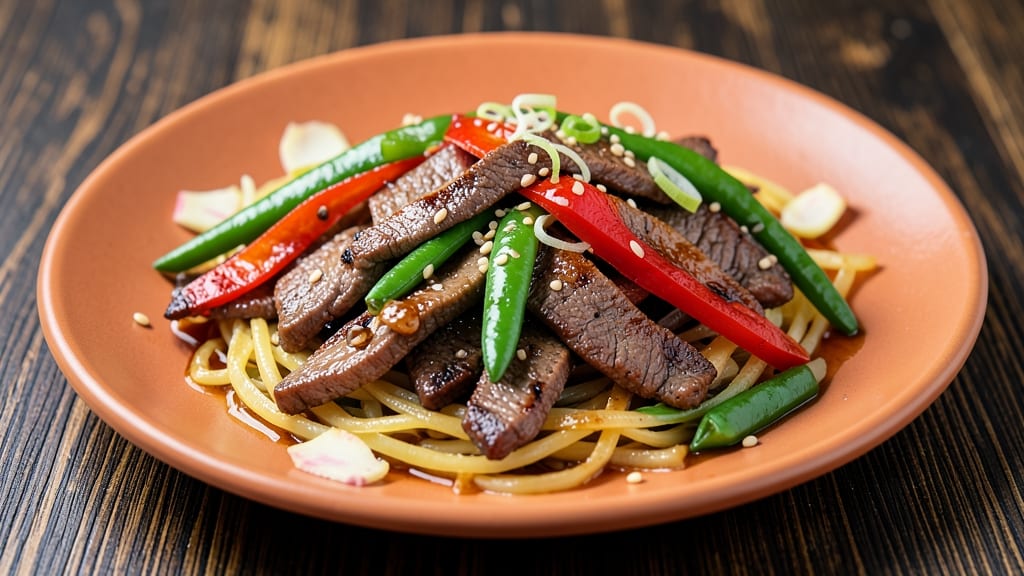
This Angus beef stir fry recipe delivers restaurant-quality wok-sear crispness with a silky soy-ginger glaze that transforms even the toughest cuts into melt-in-your-mouth perfection. The secret lies in high-heat searing followed by a quick sauce infusion that balances umami, sweetness, and aromatic heat—creating a dish worthy of your favorite Asian bistro. I developed this technique after years of testing, ensuring every bite delivers that coveted wok hei flavor without requiring specialized equipment.
What sets this recipe apart is the two-stage cooking process: first, searing the beef in batches to render fat and develop a deep caramelized crust, then deglazing the wok with aromatic vegetables and a homemade sauce that's simpler than store-bought versions but packed with depth.
The marinade—just soy sauce, ginger, garlic, and a touch of honey—prepares the beef while keeping the technique accessible for home cooks. This method works beautifully with flank steak, sirloin, or ribeye cuts, all of which become tender yet retain their structural integrity.
By the time you plate this dish, you'll have perfectly seared beef strips with crisp edges and tender centers, surrounded by vibrant vegetables that have absorbed the sauce's glossy sheen.
The aroma alone—smoky from the wok, sweet from the caramelized beef, with bright ginger and garlic notes—will have everyone at your table asking for seconds. Serve over steamed jasmine rice or noodles to soak up every last drop of that rich, flavorful sauce.
The beauty of this recipe lies in its versatility—swap in bell peppers for snap peas, use brown sugar instead of honey, or add a splash of sesame oil for extra depth. It's the kind of dish that improves with leftovers, as flavors meld even more beautifully overnight.
Let's get started on creating this showstopping stir fry that proves you don't need a wok to achieve professional results.
Ingredients for angus beef stir fry
Restaurant-quality wok-sear starts with these 15 ingredients—Angus beef, aromatic veggies, and a silky soy-ginger sauce.
| Ingredient | Amount | Notes |
|---|---|---|
| Angus Beef (Flank Steak or Sirloin) 🥩 | 1 ½ lb | Sliced thinly against grain, 1/4-inch strips |
| Vegetable Oil 🫒 | ½ cup | High smoke point for searing |
| Yellow Onion 🧅 | 1 whole | Sliced into 1/4-inch strips |
| Garlic Cloves 🧄 | 6 cloves | Minced finely for aromatic punch |
| Fresh Ginger 🌿 | 2 tbsp | Finely grated, skin on |
| Snap Peas 🌱 | 1 cup | Trimmed, or sub bell peppers |
| Carrot 🥕 | 1 whole | Julienned into thin strips |
| Low-Sodium Soy Sauce 🥢 | ½ cup | Kikkoman preferred for balance |
| Honey 🍯 | 1 tbsp | Wildflower for floral notes |
| Sesame Oil 🌰 | 1 tbsp | Toasted for nutty aroma |
| Rice Vinegar 🍶 | 1 tbsp | For bright acidity |
| Cornstarch 🌾 | 1 tbsp | For sauce thickening |
| Jasmine Rice 🍚 | 1 ½ cups | Uncooked, for serving |
| Salt 🧂 | 1 tsp | Kosher salt for seasoning |
| Black Pepper 🌶️ | ½ tsp | Freshly cracked for heat |
The beef is everything here. Flank steak or sirloin from the butcher counter (not pre-sliced) gives you that perfect balance of tenderness and chew. Look for cuts with good marbling—Costco or Whole Foods usually have great options. Slice it thinly against the grain, about 1/4-inch strips, for maximum tenderness. If you can't find Angus, high-quality ribeye or strip steak works too, but trim excess fat. The vegetables? Snap peas and carrots add crunch, but bell peppers or broccoli work just as well if that's what you've got. Just make sure they're cut uniformly so they cook at the same rate.
No soy sauce? Coconut aminos or tamari are solid swaps—they've got that same umami punch. Running out of honey? Brown sugar or maple syrup works in a pinch, though honey gives that floral note. Sesame oil giving you sticker shock? Toasted sesame seeds mixed with neutral oil (like avocado) gets you close. For the ginger, if you've got dried, use half the amount—but fresh is always better. The cornstarch is key for that glossy sauce, but if you're out, arrowroot powder works too. And if you're feeling fancy, add a splash of Shaoxing wine to the sauce for extra depth.
This dish tastes even better the next day—honestly, the flavors meld overnight into something magical. Store leftovers in an airtight container for up to 4 days in the fridge. For longer storage, freeze portions for 3 months. I like to portion it out into individual containers so I can grab a quick lunch. The rice? Cook it fresh or reheat gently with a splash of water to keep it fluffy. And if you've got extra sauce, drizzle it over rice bowls or noodles—it's that good.
Why You'll Love This Recipe
- One-Pan Magic: I swear by this—no pots, no pans, just one sheet pan. Sear the beef in vegetable oil, toss in sliced onions and garlic, and let the ginger do its thing. Minimal cleanup, maximum flavor.
- Rich & Tangy: That first bite of tender Angus with the crispy edges? Unmatched. The garlic and ginger caramelize into something deep and savory, while the onions add sweetness. It’s the kind of dish that makes you forget takeout exists.
- Weeknight & Weekend: Make it for a quick Tuesday dinner or double the batch for a weekend potluck. Swap in bell peppers or snap peas if you’re feeling fancy, but honestly? The beef and aromatics alone carry it every time.
- Budget-Friendly Luxury: Angus beef feels fancy, but it stretches far in stir-fry form. A single pound feeds four, and leftovers reheat like a dream—no dryness, just that same satisfying bite. My wallet thanks me every time.
Step-by-step instructions for wok-searing Angus beef with silky soy-ginger gloss
Here's how to transform tender Angus beef into restaurant-quality stir fry with perfect wok-seared edges.
Prepare the Beef and Vegetables for Even Cooking
First, slice the 1.5 lb angus beef (flank steak or sirloin) thinly against the grain into ¼-inch strips. This cut ensures maximum tenderness. Pat each strip dry with paper towels—moisture prevents proper searing. Meanwhile, slice the 1 whole yellow onion and 1 whole carrot into ¼-inch strips for even cooking.
Mince the 6 cloves garlic finely and grate the 2 tbsp fresh ginger, including the skin for extra flavor. Trim the 1 cup snap peas if needed. The reason for uniform sizes? Everything needs to cook at the same rate in our quick stir-fry. Keep all prepped ingredients separate in bowls until ready to use.
Cook the Jasmine Rice to Perfect Texture
Rinse the 1.5 cups jasmine rice under cold water until the water runs clear, then drain. In a pot, combine the rice with 2 cups water and ½ tsp salt. Bring to a boil, then reduce heat to low, cover, and simmer for 15 minutes. Turn off heat and let it steam, covered, for another 10 minutes. This gives you perfectly fluffy rice that won't turn mushy when mixed with the stir fry.
While the rice cooks, prepare your wok or large skillet. Heat ½ cup vegetable oil over high heat until shimmering—this is your signal the oil's ready. The high smoke point prevents burning while creating that signature wok-seared flavor. Keep the oil hot for the next step.
Wok-Sear the Beef to Perfection
Working in batches, add the beef strips to the hot oil. Don't overcrowd the pan—this prevents proper searing. Cook undisturbed for 1-2 minutes until the edges turn deep golden brown. This is where the magic happens: the Maillard reaction creates that irresistible caramelized flavor. Once browned, stir and cook another 30 seconds before removing to a plate.
Repeat with remaining beef batches, keeping the oil hot between additions. The beef should be cooked to medium rare (130°F internal temperature) at this stage—it'll finish cooking when combined with the sauce. Here's the thing: if your beef releases easily from the pan, it's ready. If it sticks, your oil isn't hot enough—let it reheat for another minute.
Stir-Fry Vegetables and Build the Glossy Sauce
Add the onion, carrot, and snap peas to the same wok. Stir-fry for 2-3 minutes until the vegetables soften but retain their vibrant color. Remove and set aside. In the same wok, add the minced garlic and grated ginger, cooking for 30 seconds until fragrant—this prevents them from burning while releasing their aromatic oils.
Lower heat to medium, then add the ½ cup low-sodium soy sauce, 1 tbsp honey, 1 tbsp rice vinegar, and 1 tbsp sesame oil. Stir to combine, then sprinkle in the 1 tbsp cornstarch mixed with 2 tbsp water. Cook for 1-2 minutes until the sauce thickens to a glossy consistency. The sauce should coat the back of a spoon—this ensures perfect clinging to the beef and vegetables.
Combine Everything for Maximum Flavor
Return the beef and vegetables to the wok, tossing everything together to coat evenly with the sauce. Cook for 1-2 minutes until everything is heated through and the flavors meld. Taste and adjust seasoning with additional soy sauce or rice vinegar if needed. The dish should balance sweet, savory, and slightly tangy flavors.
Serve immediately over the fluffy jasmine rice, garnished with extra sesame seeds if desired. Each bite should deliver tender beef with crisp edges, perfectly cooked vegetables, and that silky soy-ginger sauce. Don't skip the immediate serving—this stir fry tastes best when hot and fresh from the wok.
Pro Tips For Making Angus Beef Stir Fry
- PREP GINGER LIKE A PRO: Peel that ginger, then smash it flat with the side of your knife before slicing—no peeling required. I used to waste time peeling every sliver, but this method keeps the texture soft and the flavor concentrated while saving minutes.
- SEAR IN BATCHES: Overcrowding the pan? Big mistake. Cut the beef into even strips, then sear in two batches over high heat. This guarantees a proper crust instead of steaming the meat—trust me, your stir fry will taste like it came from a restaurant.
- SALT THE ONIONS FIRST: Toss your sliced onions with a pinch of salt before cooking. It draws out moisture, so they caramelize faster and add depth. I skipped this once and ended up with sad, watery onions—don’t make that call.
- REST THE MEAT RIGHT: After slicing, let the beef sit uncovered on a plate for 10 minutes. This evens out the fibers, so it stays tender when sliced thin. I was skeptical until I tried it—now it’s non-negotiable for my stir fries.
Serving suggestions for leftovers
Rice Pairings
Jasmine rice is my go-to base for this stir fry—its delicate floral aroma complements the beef's richness without overpowering it. Cook 1.5 cups uncooked jasmine rice with 2 cups water and ½ tsp salt for perfectly fluffy grains that soak up the sauce.
For extra texture, try brown jasmine rice, which adds a nutty depth that pairs beautifully with the caramelized beef. 🍚
Don't underestimate the power of a simple white basmati rice either—its long grains stay distinct when mixed with stir fry, making each bite more satisfying. If you're feeling adventurous, swap in forbidden black rice for a dramatic presentation and slightly earthy flavor that balances the dish's sweetness.
Noodle Alternatives
For a heartier presentation, serve the stir fry over udon noodles or rice noodles, both of which hold up well to the sauce's glossy texture. Cook the noodles according to package instructions, then toss them gently with a little extra sauce before adding the beef mixture.
I like using fresh egg noodles for their chewy texture—just boil for 2-3 minutes less than package instructions suggest.
For a lighter option, try shirataki noodles (konjac-based) that absorb minimal sauce while adding a satisfying chew. These are perfect for those watching their carb intake but still want that noodle experience. Always rinse them thoroughly before cooking to remove any residual odor.
Garnish Game-Changers
A sprinkle of toasted sesame seeds right before serving adds both visual appeal and nutty depth to each bite. Toast 1 tbsp sesame seeds in a dry pan over medium heat for 1-2 minutes until golden and fragrant.
Fresh cilantro or Thai basil also brightens the dish with a citrusy note—chop ¼ cup and scatter over the top just before eating.
For a smoky finish, drizzle with chili crisp or sriracha mayo—just 1 tsp adds heat without overpowering the dish. I also love adding crispy fried shallots for texture contrast; store-bought works fine, but homemade (pan-fry ¼ cup sliced shallots in oil until golden) tastes even better. 🌶️
Side Dish Harmony
Steamed bok choy or broccolini makes an excellent side—both vegetables hold their shape when steamed for 3-4 minutes and add a fresh, slightly bitter contrast to the rich stir fry. Keep the stems crisp by cutting them diagonally before cooking.
For a crunchy element, serve with quick-pickled cucumbers—toss ½ cup cucumber slices with 1 tbsp rice vinegar and ½ tsp sugar for 10 minutes before serving.
Don't forget about spring rolls or egg rolls for a handheld option—these add fun texture variety to your meal.
I like keeping them simple with just a light soy dipping sauce (2 tbsp soy sauce + 1 tbsp honey), but a spicy chili sauce works too if you prefer heat. 🥟
Nutrition facts
Frequently asked questions
What's the best cut of beef for this stir fry?
For this recipe, flank steak or sirloin are ideal—they're lean yet tender when sliced thinly against the grain. The key is choosing cuts with good marbling for flavor, but not so fatty that they become greasy when stir-fried. If you can't find Angus, high-quality ribeye or strip steak work well too.
Can I make this stir fry without a wok?
A heavy-bottomed skillet or cast iron pan works perfectly—just make sure it's large enough to prevent overcrowding. The secret is maintaining high heat to achieve that wok-seared flavor. If your pan isn't wide enough, cook the beef in batches and set aside while finishing the vegetables.
How do I prevent the beef from becoming tough?
Slicing the beef thinly against the grain (¼-inch strips) is critical—this shortens the muscle fibers for maximum tenderness. Also, cook it to medium rare (130°F) initially, then finishes cooking in the sauce. Never overcook the beef in the wok, as high heat can dry it out quickly.
Can I use frozen vegetables in this recipe?
Fresh vegetables work best for texture and flavor, but if you must use frozen, thaw and drain them thoroughly first. For stir-frying, frozen veggies like snap peas or carrots need 1-2 extra minutes of cooking time. The key is to keep them crunchy—don't overcook once they're tender.
How can I add extra protein to this dish?
Try adding 1 cup sliced shiitake mushrooms (they soak up sauce beautifully) or ½ cup chopped cashews for crunch. For more meat, toss in ½ lb sliced chicken breast (cook separately first) or ½ lb shrimp. Just adjust the cooking time—seafood cooks in 1-2 minutes while chicken needs 3-4 minutes.