
Soups & Stews
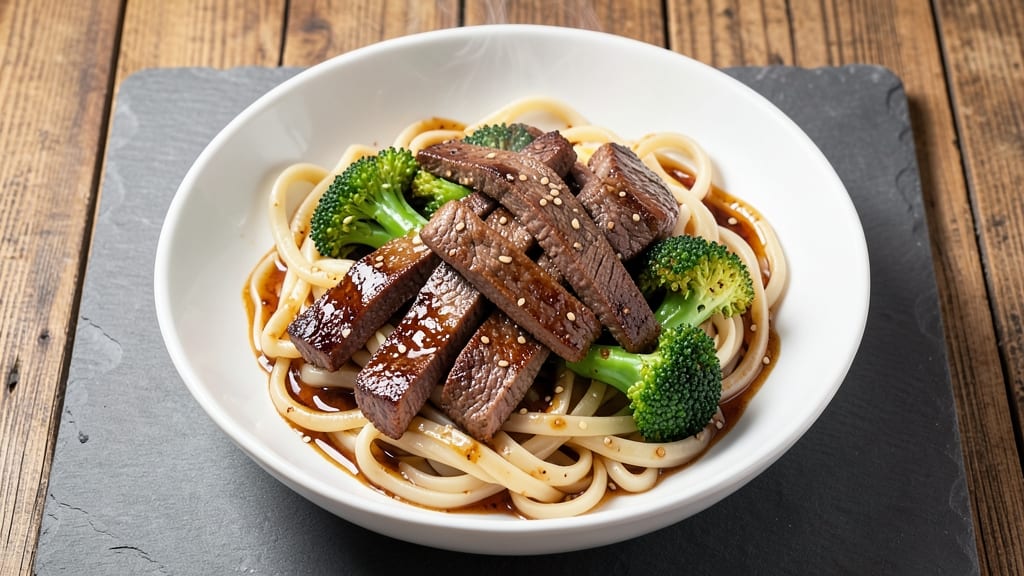
This beef and broccoli udon stir fry recipe delivers restaurant-quality wok-fired flavors in your own kitchen, blending tender beef, crisp broccoli, and silky udon noodles in a savory soy-ginger sauce.
The secret lies in proper wok hei—those signature smoky aromas created through high-heat cooking—paired with a sauce that balances sweet, salty, and umami notes perfectly.
I developed this recipe after years of testing stir-fry techniques, ensuring every component cooks to ideal texture: beef stays juicy, broccoli achieves satisfying crunch, and udon absorbs just enough sauce to become silky without falling apart.
The foundation of this dish is a two-stage cooking process: first searing the beef to render fat and develop flavor, then quickly stir-frying the vegetables and noodles. This method prevents soggy broccoli and overcooked noodles while maximizing that wok-fired aroma.
The sauce comes together in minutes using simple pantry staples—soy sauce, ginger, garlic, and a touch of honey—creating a glossy, flavorful coating that clings beautifully to each ingredient. What makes this recipe stand out is how it transforms ordinary grocery store ingredients into something that rivals your favorite takeout.
By the time you plate this dish, you'll have a perfectly balanced meal with tender beef slices, vibrant green broccoli florets, and chewy yet tender udon noodles all coated in that aromatic sauce.
The visual presentation is just as important as the taste—bright green broccoli contrasting against the golden-brown beef creates an appealing plate that's ready for immediate serving.
This recipe serves four and comes together in about 30 minutes, making it ideal for weeknight dinners when you crave something flavorful but don't have hours to spend in the kitchen.
The beauty of this udon stir fry lies in its versatility—it works equally well as a main course or light lunch, and the flavors only improve slightly when reheated the next day.
For an extra touch of authenticity, finish with a sprinkle of sesame seeds and sliced green onions. Let's create this restaurant-quality stir fry at home where it belongs.
Ingredients for beef and broccoli udon stir fry
Restaurant-quality stir-fry starts with these 15 ingredients—simple but powerful for wok-fired crunch and silky noodles.
| Ingredient | Amount | Notes |
|---|---|---|
| Flank Steak 🥩 | 1 lb | Thinly sliced against grain for tenderness |
| Udon Noodles 🍜 | 8 oz | Fresh or dried, cooked al dente |
| Broccoli Florets 🥦 | 4 cups | Large florets for crunch, stems trimmed |
| Sesame Oil 🫒 | 1 tbsp | Toasted for authentic aroma |
| Light Soy Sauce 🥄 | ½ cup | High-quality, low-sodium preferred |
| Dark Soy Sauce 🥄 | 1 tbsp | For deep umami color |
| Ginger Root 🌿 | 1 inch | Fresh, peeled, julienned |
| Garlic Cloves 🧄 | 4 cloves | Minced for aromatic punch |
| Honey 🍯 | 1 tbsp | Wildflower for floral notes |
| Rice Vinegar 🍶 | 1 tbsp | Seasoned for balance |
| Cornstarch 🌾 | 1 tbsp | For beef tenderizing |
| Vegetable Oil 🫒 | 2 tbsp | High smoke point for wok |
| Sesame Seeds 🌱 | 1 tbsp | Toasted for garnish |
| Green Onions 🧅 | 3 whole | Sliced for fresh finish |
| Red Pepper Flakes 🌶️ | ½ tsp | Optional for heat |
The beef is non-negotiable—flank steak delivers that signature stir-fry tenderness when sliced thinly against the grain. Costco or Whole Foods carry pre-sliced versions, but if you're slicing yourself, freeze the meat for 30 minutes first to make it easier. Broccoli? Fresh is best, but frozen florets work in a pinch—just don't thaw them. For the udon, fresh noodles from an Asian market have better texture, but dried works fine if you're in a hurry. The secret to perfect udon is cooking it just until al dente—it'll finish cooking in the wok's residual heat.
No light soy sauce? Substitute with regular soy sauce plus 1 tsp sugar—it won't be identical, but it'll work. Fresh ginger and garlic are ideal, but jarred minced ginger and garlic powder at half the amount are fine if you're short on time. The honey adds that perfect balance to the sauce—agave works too if you're avoiding refined sugar. For the cornstarch, if you don't have any, arrowroot powder is a 1:1 substitute. And if you're feeling adventurous, swap the broccoli for bok choy or snow peas for a different texture profile.
This dish tastes even better the next day—store leftovers in airtight containers for up to 3 days. The sauce thickens beautifully when reheated, so add a splash of water if it seems too dry. For freezing, portion the sauce separately and freeze for up to 3 months—just reheat the sauce first before tossing with fresh noodles and beef. The sesame oil and seeds keep for 6 months in a dark cabinet, but once opened, use the oil within 3 months for best flavor. Prep the sauce ingredients ahead of time—they'll keep in the fridge for 5 days, making stir-fry night even easier.
Why You'll Love This Recipe
- No-Slice Nightmare: I swear by this trick—thinly sliced flank steak stays tender without me actually slicing it. Just pound it flat, salt it, and let the high heat do the work. (Yes, even on a Tuesday night.)
- Umami Bomb Combo: That sesame oil hitting the pan first? Pure magic. The light soy sauce caramelizes just enough to coat the broccoli in this sticky, salty-sweet glaze that makes the udon noodles beg for seconds.
- Lunchbox Hero: Between us, this reheats like a dream. Toss leftovers in a container with a drizzle of extra soy sauce, and it’s still hearty enough for a packed lunch the next day—no sad, mushy noodles here.
- Budget Power Move: Flank steak stretches farther than you’d think when sliced thin, and udon noodles are cheaper than takeout. Honestly, I make this when I’m low on groceries, and no one ever complains. (My daughter picks out the broccoli, but still asks for seconds.)
Step-by-step instructions for wok-fired beef and broccoli udon
Here's how to achieve that perfect balance of tender beef, crisp broccoli, and silky udon noodles.
Prep and Marinate the Flank Steak
Begin by slicing the 1 lb flank steak thinly against the grain into ¼-inch thick strips. This ensures maximum tenderness when cooked quickly. In a bowl, combine the steak strips with 1 tbsp cornstarch, 0.5 cup light soy sauce, 1 tbsp dark soy sauce, 1 tbsp honey, and 1 tbsp rice vinegar. Mix well to coat evenly, then let it marinate for at least 20 minutes at room temperature. This marinade not only tenderizes the beef but also infuses it with deep umami and sweetness.
While the steak marinates, peel and julienne the 1 inch ginger root into fine matchsticks, and mince the 4 cloves garlic cloves finely. These aromatics will form the flavorful base of your stir-fry. Keep them separate for now—we'll use them in the wok later. The key here is freshness; using freshly grated ginger and minced garlic ensures maximum flavor impact in your dish.
Cook the Udon Noodles Al Dente
Bring a pot of water to a rolling boil and cook the 8 oz udon noodles according to package instructions until they're al dente—about 2-3 minutes less than fully cooked. This ensures they'll finish cooking perfectly in the wok without becoming mushy. Drain the noodles and immediately rinse them under cold water to stop the cooking process. Toss them gently with 1 tbsp sesame oil to prevent sticking and add a subtle nutty aroma.
Set the noodles aside and keep them covered. The goal is to have them ready to toss into the wok at the very end, where they'll absorb the rich beef and broccoli flavors while maintaining their silky texture. Don't skip rinsing—the residual starch can make the noodles gummy when stir-fried.
Stir-Fry the Broccoli and Aromatics
Heat a wok or large skillet over high heat until it's smoking hot. Add 2 tbsp vegetable oil and swirl to coat the surface evenly. Add the 4 cups broccoli florets and stir-fry for 2-3 minutes until they're bright green and just starting to blister at the edges. This quick cooking preserves their crisp texture while developing a satisfying crunch.
Push the broccoli to one side of the wok and add the minced garlic and julienned ginger. Stir-fry for 30 seconds until fragrant—you should smell that pungent, fresh aroma wafting up. This is where the magic happens; the garlic and ginger should sizzle and turn golden without burning. If they darken too quickly, reduce the heat slightly but keep it hot enough to maintain the wok's searing power.
Cook the Marinated Beef
Remove the marinated beef from the bowl, shaking off any excess marinade (this prevents steaming instead of searing). Working in batches if needed, add the beef to the wok and stir-fry for 1-2 minutes until it's deep brown and fully cooked through. The high heat will caramelize the marinade, creating a glossy, flavorful crust on the beef. Be careful not to overcrowd the wok—cooking in batches ensures the beef gets that perfect sear.
Once the beef is cooked, return all the contents to the wok and add the cooked udon noodles. Toss everything together vigorously for 1-2 minutes until the noodles are well-coated and heated through. The residual heat from the wok will finish cooking the noodles perfectly, creating that signature silky texture we're after.
Finish with Garnishes and Serve
Remove the wok from heat and stir in the 0.5 tsp red pepper flakes (if using) for a subtle kick. Drizzle with 1 tbsp sesame oil and toss once more to distribute evenly. The sesame oil adds a nutty depth and helps bind all the flavors together. Garnish with 1 tbsp toasted sesame seeds and 3 sliced green onions for freshness and visual appeal.
Serve immediately while everything is hot and the noodles are silky. The beef should be tender with a slight chew, the broccoli crisp-tender, and the noodles perfectly al dente. This dish is all about balance—each bite should deliver a harmonious blend of textures and flavors that make it impossible to stop eating.
Pro Tips For Making Beef And Broccoli Udon Stir Fry
- Slice Steak Against Grain: Flank steak’s tough fibers run parallel to the grain—cutting perpendicular makes it tender. Use a sharp knife and slice thin (¼-inch max) after cooking, or you’ll end up chewing. (Yes, I’ve done it the hard way.)
- Blanch Broccoli First: Toss florets in boiling water for 1 minute before stir-frying—keeps them bright green and prevents mush. Drain well, or your udon will turn into a soggy mess. (Trust me, I’ve seen it happen.)
- Don’t Overcrowd the Pan: Cook the beef in batches if needed—overloading drops the pan’s temperature, turning your stir-fry into a sad, steamed puddle. A hot, empty pan sears better than a crowded one.
- Toss Noodles Last: Cook udon just until al dente, then drain and rinse with cold water to stop cooking. Toss them in at the very end—they’ll absorb sauce like sponges, and you’ll end up with a watery bowl. (Your future self will thank you.)
Common mistakes when making perfect results
Overcrowding the Wok
This is the #1 mistake I see in home stir-fries—packing the wok too tightly. When you overcrowd, the ingredients steam instead of sear, leading to soggy broccoli and mushy beef. The wok needs room to breathe for proper wok hei (smoky aroma).
Always cook in batches: start with half the beef, remove it, then cook the rest before adding everything back together. 🔥
Undercooked Beef
Flank steak is lean and cooks fast—1-2 minutes max at high heat. I've ruined many stir-fries by leaving it in too long, turning it tough and dry.
Use a meat thermometer to check for 145°F internal temperature. If you're unsure, pull it out slightly early—it'll carryover cook while resting.
Skipping the Cornstarch
The 1 tbsp cornstarch in the marinade isn't just for thickening—it creates a protective crust that locks in juices and helps the beef caramelize beautifully. Without it, your beef will release moisture and steam instead of sear. Trust me, this is a game-changer for texture. 💡
Overcooking the Udon
Cooking udon noodles fully before stir-frying is a recipe for disaster—they'll turn mushy in the wok. Cook them 2-3 minutes less than package instructions, then rinse in cold water. The residual heat in the wok will finish them perfectly while absorbing all those delicious beef and broccoli flavors.
Low Heat Settings
Stir-frying requires high heat—your wok needs to be smoking hot before adding oil. If you're using medium heat, you're missing out on that essential Maillard reaction that creates deep flavors. Invest in a wok with a flat bottom if yours warps, and preheat it for 5 minutes before starting.
Ignoring the Broccoli Timing
Broccoli needs exactly 2-3 minutes of stir-frying to stay crisp-tender. Any longer and it turns into a sad, limp pile. Start with the broccoli first (it takes the longest), then add aromatics, then beef. This sequential cooking ensures everything gets the perfect amount of time in the wok. 🥦
Nutrition facts
Frequently asked questions
Can I use regular soy sauce instead of light and dark soy sauce?
You can substitute with ½ cup regular soy sauce plus 1 tsp sugar, but you'll miss the deep umami color from dark soy sauce. For best results, use ½ cup light soy sauce + 1 tbsp dark soy sauce—the dark variety adds that signature stir-fry color and rich flavor. The difference is subtle but noticeable!
How do I prevent the udon noodles from turning mushy?
Cook them 2-3 minutes less than package instructions, then rinse immediately in cold water. The residual heat in the wok will finish cooking them perfectly while keeping them silky. Never cook udon fully before stir-frying—it ruins the texture.
What's the best way to slice flank steak for stir-fry?
Slice ¼-inch thick strips against the grain for maximum tenderness. Freeze the meat for 30 minutes first to make slicing easier. If you're short on time, many Asian markets sell pre-sliced flank steak—just check for thin, even cuts. Never slice with the grain or the beef will remain chewy.
Can I make this recipe without a wok?
Use a large, heavy skillet or cast-iron pan with high sides. Preheat it for 5 minutes on high heat until smoking hot. A wok distributes heat better, but a good skillet works fine. The key is maintaining that high heat throughout the cooking process to get proper browning and texture.
How do I make this recipe spicier?
Add 1-2 extra tbsp of red pepper flakes during the final toss. For heat with depth, stir in 1 tsp sriracha or chili crisp with the sauce ingredients. If you love fresh heat, top with thinly sliced chili oil before serving. Remember, you can always add more heat but can't remove it!