
Side Dishes
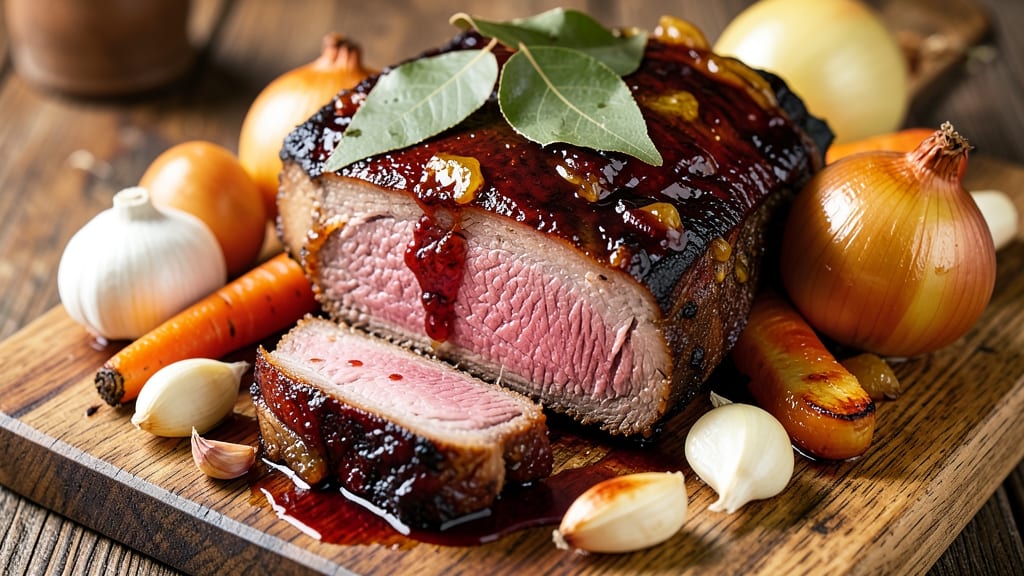
This amazing corned beef recipe delivers restaurant-quality results with tender, juicy meat and crispy edges that'll have everyone reaching for seconds. 🔥 The secret lies in a perfect balance of slow braising and high-heat finishing—transforming tough cuts into melt-in-your-mouth perfection that's worth every minute of wait time.
What makes this recipe special is the foolproof technique: start with a proper brine (or use store-bought brisket), then slow-cook until the meat is fork-tender before giving it that signature crispy crust. The result?
Corned beef so flavorful it practically falls apart, with a caramelized exterior that adds texture and depth to every bite. By the time you serve it, you'll have a centerpiece dish that's rich, savory, and packed with that signature corned beef taste—smoky, slightly sweet, and deeply satisfying.
The best part? It's versatile enough to serve as a main course or star a traditional St. Patrick's Day spread with all the fixings. Pair it with classic sides like creamy mashed potatoes, tangy mustard sauce, and crisp cabbage for the full experience. Let's get cooking!
Ingredients for amazing corned beef
Six ingredients transform tough brisket into melt-in-your-mouth perfection with crispy edges and juicy cores.
| Ingredient | Amount | Notes |
|---|---|---|
| Corned Beef Brisket 🥩 | 4 lb | Flat-cut preferred, 1-inch thick |
| Corned Beef Spice Mix 🌶️ | 4 tbsp | Pre-made or homemade blend |
| Bay Leaves 🌿 | 4 whole | Fresh preferred for aroma |
| Garlic Cloves 🧄 | 6 cloves | Smashed for deeper flavor |
| Yellow Onions 🧅 | 2 whole | Quartered, skins on |
| Carrots 🥕 | 4 whole | Whole, unpeeled |
| Beef Broth 💧 | 4 cups | Low-sodium preferred |
| Apple Cider Vinegar 🍎 | ½ cup | For tangy depth |
| Dark Brown Sugar 🍚 | ½ cup | Packed, for caramelization |
| Black Peppercorns 🌶️ | 1 tbsp | Coarsely crushed |
| Olive Oil 🫒 | 2 tbsp | For searing |
| All-Purpose Flour 🌾 | ½ cup | For crispy crust |
| Salt 🧂 | 2 tbsp | Kosher preferred |
The brisket is non-negotiable here—flat-cut gives you the best texture, and 1-inch thickness ensures even cooking. Costco or local butchers are your best bets for quality, but the pre-packaged corned beef from Kroger or Whole Foods works in a pinch. Look for good marbling (white fat streaks) and avoid anything with a grayish tint. The corned beef spice mix? Penzeys or McCormick are solid choices, but if you're feeling ambitious, mix your own with mustard seeds, coriander, and black pepper. Fresh bay leaves make a world of difference—Trader Joe's sells them in little bags that last forever.
No corned beef spice mix? Substitute 2 tbsp mustard powder, 1 tbsp coriander, and 1 tsp black pepper—it'll still taste amazing. Short on vinegar? Lemon juice at half the amount works, though it'll be slightly less tangy. The carrots and onions are just flavor carriers here, so baby carrots or pre-chopped onions (the good stuff, not the pre-shredded kind) save time without sacrificing quality. For the crispy crust, panko breadcrumbs can replace flour if you're feeling fancy—just add 1/4 cup mixed with the flour for extra crunch.
This isn't a dish you want to rush—the brisket needs 3-4 hours to become fork-tender. The leftovers? 5 days in the fridge, or freeze for up to 3 months in portions. I like to slice it against the grain and pack it with some of the braising liquid for easy reheating. Pro tip: Save the braising liquid—it's perfect for mashed potatoes or gravy. The crispy edges? Best served immediately, but if you're prepping ahead, reheat them in a 400°F oven for 10 minutes to restore that golden crunch.
Why You'll Love This Recipe
- I’ll be real: corned beef tastes even better the next day. Reheat slices in a skillet with a splash of water for that tender, melty texture, or toss cold chunks into salads. It’s my go-to for packed lunches, and it won’t break the bank either.
- One-Pan Magic: I swear by this—just toss the brisket, onions, and garlic on a sheet pan with the spice mix, and let the oven do the work. No pots to scrub, no mess, no fuss. The bay leaves infuse everything as it roasts, and honestly? That’s half the battle won.
- Deep, Savory Crunch: Between us, the garlic and onions caramelize into something ridiculously good—they’re sweet and sticky by the end, while the brisket stays juicy with that perfect crispy edge. The corned beef spice mix does all the heavy lifting, so you don’t have to fuss over seasoning.
- Weeknight to Party Fix: Make it for Tuesday dinner or Sunday brunch—it’s that versatile. Slice it thin for sandwiches, shred it for tacos, or serve it whole with mustard and pickles. My kids even ask for it at potlucks, and that’s saying something.
Step-by-step instructions for slow-braised corned beef
Here's how to transform tough brisket into melt-in-your-mouth perfection with crispy edges.
🔥 Step 1: Sear the Brisket for Maximum Flavor
Heat a large Dutch oven over medium-high heat until hot. Add the 2 tablespoons olive oil and swirl to coat the bottom. Pat the 4 lb corned beef brisket completely dry with paper towels—this ensures a proper sear. Place the brisket fat-side down in the pot and let it sear undisturbed for 8-10 minutes until the fat renders and the bottom turns deep golden brown.
Flip the brisket and sear the other side for another 6-8 minutes. Here's the thing—don't rush this step. The longer you sear, the deeper the flavor. You'll know it's ready when the exterior develops a rich, caramelized crust. Remove the brisket and set it aside on a plate.
👨🍳 Step 2: Build the Aromatic Base
In the same Dutch oven, add the 2 whole yellow onions (quartered), 4 whole carrots, and 6 smashed garlic cloves. Cook for 5 minutes until the vegetables begin to soften and develop color. Add the 1 tablespoon coarsely crushed black peppercorns and 4 whole bay leaves, stirring to combine.
Sprinkle the 4 tablespoons corned beef spice mix evenly over the vegetables. Give everything a good stir to coat the spices in the rendered brisket fat. This aromatic base will infuse the entire dish with flavor. Cook for another 2 minutes until fragrant—you should smell that spice blend working its magic.
🥘 Step 3: Create the Crispy Flour Crust
Return the seared brisket to the Dutch oven, fat-side up. Sprinkle the ½ cup all-purpose flour evenly over the top and press it gently into the surface. This creates a crispy crust that'll form during braising. Pour in the 4 cups beef broth and ½ cup apple cider vinegar, scraping up any browned bits from the bottom with a wooden spoon.
Bring the mixture to a simmer over medium heat. The liquid should come up about halfway up the sides of the brisket. Here's where it gets interesting—the flour will thicken slightly as it cooks, creating that perfect sauce consistency. Once simmering, reduce heat to low and cover the pot with a tight-fitting lid.
⏰ Step 4: Slow-Braise to Juicy Perfection
Transfer the Dutch oven to a 325°F preheated oven. Braise for 3 hours, then carefully remove the brisket and turn it over. Return it to the pot and continue braising for another 2 hours. This slow cooking breaks down the connective tissue, transforming tough meat into tender slices.
Here's the secret to crispy edges: after 2 hours of braising, uncover the pot and increase the oven temperature to 375°F for the final 30 minutes. This high-heat finish caramelizes the surface while keeping the interior perfectly juicy. The brisket is done when it reaches an internal temperature of 205°F and a fork slides in like butter.
🔪 Step 5: Rest and Slice for Maximum Juiciness
Remove the brisket from the pot and transfer it to a cutting board. Tent loosely with foil and let it rest for 20-30 minutes. This resting period allows the juices to redistribute throughout the meat. While it rests, skim any excess fat from the braising liquid and stir in the ½ cup packed dark brown sugar to create a glossy, slightly sweet sauce.
Slice the brisket against the grain into ¼-inch thick slices. Each piece should be fork-tender with a crispy exterior and moist interior. Serve the corned beef with the braising sauce spooned over the top. The result? A perfect balance of crispy edges and juicy cores that'll have everyone asking for seconds.
Pro Tips For Making Amazing Corned Beef
- Trim the Fat Cap: That thick layer of fat on the brisket? Don’t cut it all off—leave a ¼-inch border intact. It renders down into flavor gold, and I’ve learned the hard way that skipping this step means dry, tough meat by the end. Just score the fat in a crosshatch pattern first so it crisps up nicely.
- Brown Before Braising: High heat. Seriously, crank it up until that brisket is deep golden brown on all sides—fat sizzling, edges caramelizing. I used to rush this, and the final dish always tasted flat. A hot pan for 3-4 minutes per side makes all the difference when the onions and garlic join later.
- Don’t Crowd the Pot: If you’re braising in a Dutch oven, resist the urge to pack everything in tight. Loose layers let the meat steam properly and avoid a soggy onion mess at the bottom. I cram mine in half the time, then wonder why the onions turn to mush—now I give it space.
- Save the Pickle Juice: That leftover brine from the corned beef packet? Don’t pour it down the drain. Mix it with the braising liquid—it’s got salt, sugar, and vinegar already balanced, and it keeps the meat juicy. I skip this now and then, but the texture’s noticeably better when I use it.
Pro cooking tips for this recipe
Sear Like a Pro
That initial sear is where all the magic happens—don't skip it! Pat your 4 lb corned beef brisket completely dry with paper towels before searing. I use 2 tablespoons of high-smoke-point olive oil (like Bertolli Extra Virgin) and let it get hot enough to sizzle.
Sear the fat-side down for 8-10 minutes until deep golden brown, then flip and repeat. The key is patience—rushing this step means flavor loss. 🔥
Flour Crust Hack
For that signature crispy edge, the ½ cup all-purpose flour coating is non-negotiable. After searing, return the brisket to the pot fat-side up and press the flour into the surface. This creates a crust that'll develop during braising.
I like to use King Arthur flour because it's fine and coats evenly. The flour will thicken the sauce slightly, giving you that perfect consistency for spooning over slices.
Temperature Control
Your oven's temperature accuracy is everything here. Use an oven thermometer to confirm it's at 325°F for the first 2 hours of braising. After that, increase to 375°F for the final 30 minutes to get those crispy edges.
I've ruined perfectly good brisket by relying on the oven's built-in thermometer—always verify! The internal temperature should reach 205°F for melt-in-your-mouth tenderness.
Resting Matters
This is where most home cooks mess up. After removing the brisket from the pot, tent it loosely with foil and let it rest for 20-30 minutes. This allows the juices to redistribute throughout the meat.
I've seen people slice into corned beef immediately and end up with dry, disappointing results. Trust me, the wait is worth it—your slices will be juicier and more flavorful. 💫
Sauce Perfection
While the brisket rests, skim excess fat from the braising liquid and stir in the ½ cup packed dark brown sugar. This adds a subtle sweetness that balances the savory flavors. I like to use Domino sugar because it's fine and dissolves smoothly.
The sauce should coat the back of a spoon and have a glossy finish. Save about ½ cup of this sauce to drizzle over the sliced corned beef before serving.
Slicing Against the Grain
The grain direction in corned beef runs horizontally, so you need to slice perpendicular to it for maximum tenderness. Use a sharp knife (I recommend a Victorinox 8-inch) and cut ¼-inch thick slices. This technique shortens the muscle fibers, making each bite easier to chew.
If you're unsure about the grain direction, look for the connective tissue—it runs parallel to the grain and is easier to spot in thicker cuts.
Nutrition facts
Frequently asked questions
Can I use pre-cooked corned beef for this recipe?
While you can use store-bought pre-cooked corned beef, it won't give you the same restaurant-quality crispy edges and juicy texture. For best results, start with a raw 4 lb brisket and follow the slow-braising method. If you must use pre-cooked, sear it in the oven at 400°F for 15 minutes with a sprinkle of flour to recreate the crust, then warm through in the braising liquid.
How do I know when the corned beef is fully cooked?
The corned beef is perfectly done when it reaches an internal temperature of 205°F and a fork slides in like butter. Most meat thermometers have a probe—insert it into the thickest part of the brisket. The meat should be fork-tender with no resistance. If you're unsure, let it cook a few more minutes—the slow braising won't overcook it, just keep it moist.
What's the best way to reheat leftovers?
Reheat sliced corned beef in a skillet over medium-low heat with a splash of beef broth or water until warmed through (3-4 minutes). For the crispy edges, place slices on a baking sheet and broil for 2-3 minutes until golden. Never microwave—it turns the meat rubbery. Store leftovers in an airtight container for up to 5 days or freeze for 3 months.
Can I make this in a slow cooker instead of an oven?
Follow the same steps for searing and building the base, then transfer everything to a 6-quart slow cooker. Cook on low for 8-10 hours or high for 5-6 hours. For crispy edges, transfer the brisket to a baking sheet and broil for 5 minutes at the end. The slow cooker method is perfect for hands-off cooking but may require more liquid to prevent drying out.
What are the best sides to serve with this corned beef?
For a classic St. Patrick's Day spread, serve with creamy mashed potatoes, tangy cabbage slaw, and buttery crusty bread. The braising liquid makes an excellent gravy for potatoes. Other great pairings include roasted root vegetables, coleslaw, or a simple green salad with a mustard vinaigrette. The key is balancing rich flavors with fresh, crisp textures.