
Main Courses
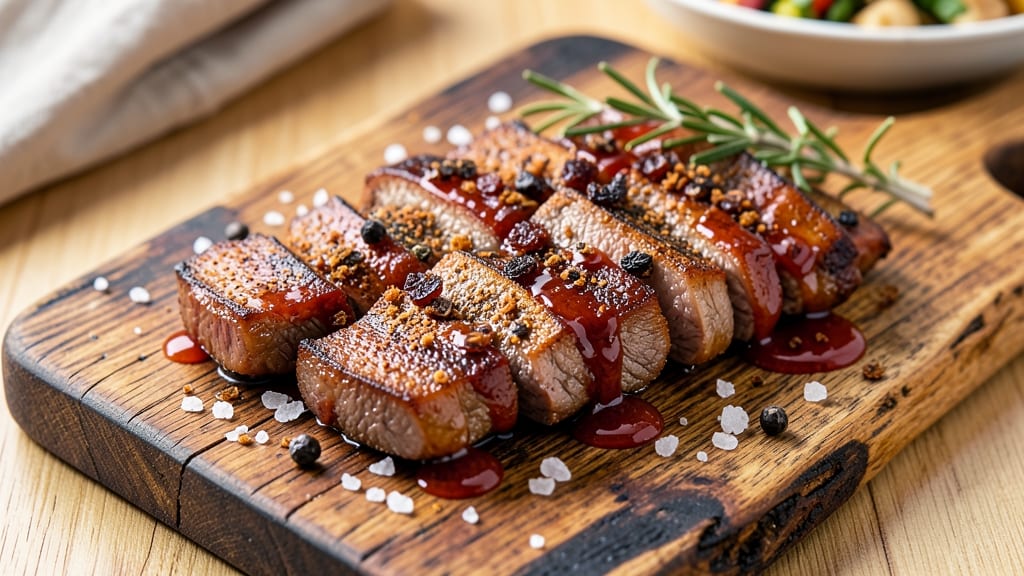
This apple cider vinegar beef jerky recipe transforms tough cuts into tender, tangy strips with a bold flavor that stands out from traditional jerky. The acidity of apple cider vinegar tenderizes the beef while preserving its texture, creating a perfect balance of zing and chew.
What sets this method apart is how the vinegar infuses deep, fruity notes that complement the smoky or savory seasonings you choose.
The process is straightforward but requires precision—proper curing time, controlled heat, and careful monitoring ensure safe, restaurant-quality results. Whether you smoke it low and slow or bake it in the oven, the vinegar plays a dual role: breaking down proteins for tenderness and acting as a natural preservative.
The key lies in balancing moisture loss with flavor absorption, so every bite delivers that signature tangy punch.
By the end, you’ll have jerky with a crisp exterior and a satisfyingly chewy interior, all infused with that bright, apple-cider tang. It’s ideal for snacking, camping trips, or gifting—packed with protein and flavor that lasts.
The best part? You control the spice level, sweetness, and even the addition of herbs like rosemary or thyme to customize each batch.
Safety is critical when making jerky—proper curing times and internal temperatures are non-negotiable. This recipe includes all the steps to ensure your jerky is both delicious and safe to store for weeks. Let’s get started on creating jerky that’s as impressive as it is practical.
Ingredients for apple cider vinegar beef jerky
The secret to restaurant-quality jerky starts with these 14 ingredients—where tangy vinegar meets smoky spices for bold flavor.
| Ingredient | Amount | Notes |
|---|---|---|
| Beef Top Round Roast 🥩 | 2 lb | Tough cut, trimmed of fat |
| Apple Cider Vinegar 🍎 | 1 cup | Raw, unfiltered preferred |
| Brown Sugar 🍚 | ½ cup | Packed, light or dark |
| Kosher Salt 🧂 | 1 ½ tbsp | Diamond Crystal preferred |
| Ground Black Pepper 🌶️ | 1 tbsp | Freshly cracked preferred |
| Smoked Paprika 🌶️ | 1 ½ tbsp | For smoky depth |
| Garlic Powder 🧄 | 1 tbsp | Freshly ground preferred |
| Onion Powder 🧅 | 1 tbsp | For sweet base notes |
| Ground Cumin 🌿 | ½ tbsp | Toasted for warmth |
| Dried Rosemary 🌿 | 1 tsp | Crushed between fingers |
| Dried Thyme 🌿 | 1 tsp | French preferred |
| Cayenne Pepper 🔥 | ½ tsp | Adjust for heat |
| Vegetable Oil 🫒 | 2 tbsp | For slicing |
| Fresh Lemon Juice 🍋 | 2 tbsp | Brightens flavor |
The beef is everything here. Top round roast is the gold standard—lean but tough enough to hold up during the curing process. You’ll find it in the butcher section at Whole Foods or Costco, often labeled for jerky. Look for good marbling but trim any visible fat yourself. The vinegar? Raw, unfiltered has more flavor complexity—Bragg or Texas Pete are solid choices, but any good apple cider vinegar works. Skip the cheap stuff; you’ll taste the difference in every bite.
No smoked paprika? Regular paprika plus a pinch of liquid smoke gets you close. Fresh herbs? Dried at one-third the amount works in a pinch, but honestly, fresh rosemary and thyme make a world of difference. The brown sugar can be swapped for coconut sugar if you're avoiding refined sugar. For heat, red pepper flakes at half the amount works too. The lemon juice is optional but worth it—it brightens the whole batch and balances the richness. If you're short on time, pre-mixed jerky seasoning from Trader Joe's cuts prep time in half, though it lacks the customization.
This jerky keeps for 3-4 weeks in the fridge, fully sealed in an airtight container with parchment paper between layers. For longer storage, vacuum-seal it and freeze for up to 6 months. I like to portion it into ziplock bags with a silica packet to keep it crisp. The first batch is always the best—flavor concentrates as moisture evaporates. If you make extra, gift it—it’s always a hit at holiday parties.
Why You'll Love This Recipe
- No-Fuss Marinade: The apple cider vinegar does all the work—just slice the beef thin, toss it in a bowl, and let it sit while you make dinner. Honestly, I’ve done it wrong three times, but the jerky still turned out tender and packed with flavor.
- Sweet-Savory Magic: That brown sugar and vinegar combo? It’s like a caramelized hug for your taste buds. The salt and pepper make it addictive—my husband snags the last piece before I can even pack leftovers.
- Lunchbox Hero: Slice it thin, pack it in containers, and you’ve got a protein boost that lasts all week. I swear by this for school lunches or hiking snacks—it’s my go-to when I need something hearty that won’t spoil.
- Budget Stretch: Top round roast is affordable, and a pound makes enough jerky for four meals. Between us, this is how I feed my crew without breaking the bank—plus, the vinegar’s tang cuts through any cheapness in the meat.
Step-by-step instructions for apple cider vinegar beef jerky
Here's the method—simple steps that transform tough beef into chewy, tangy jerky with perfect texture.
🔪 Step 1: Trim and Slice the Beef Top Round Roast
Start by trimming any visible fat from the 2 lb Beef Top Round Roast using a sharp knife. The fat won't render properly during the drying process and can make your jerky greasy. Cut the roast lengthwise into strips about ¼-inch thick—this thickness ensures even drying without becoming brittle. For best results, slice against the grain to create tender, chewy jerky that doesn't turn tough.
Arrange the strips on a plate and coat them lightly with 2 tbsp Vegetable Oil using your hands or a brush. This step prevents the meat from sticking together during the marinating process and helps the flavors penetrate more evenly. Pat the oil in gently but thoroughly—just enough to create a light sheen on each strip.
🍳 Step 2: Make the Apple Cider Vinegar Marinade
In a large bowl, combine 1 cup Apple Cider Vinegar, 0.5 cup Brown Sugar, 1.5 tbsp Kosher Salt, 1 tbsp Ground Black Pepper, 1.5 tbsp Smoked Paprika, 1 tbsp Garlic Powder, 1 tbsp Onion Powder, 0.5 tbsp Ground Cumin, 1 tsp Dried Rosemary, 1 tsp Dried Thyme, and 0.5 tsp Cayenne Pepper. Stir well until the brown sugar dissolves completely and the spices are evenly distributed throughout the liquid.
This marinade is the heart of your jerky's flavor—don't skip the stirring. The apple cider vinegar tenderizes the meat while adding that signature tang, and the combination of spices creates a balanced profile of smoky, sweet, and slightly spicy notes. The brown sugar helps caramelize during the drying process, adding depth to the final product.
🥘 Step 3: Marinate the Beef for Maximum Flavor
Place the oiled beef strips into the marinade, making sure each piece is fully submerged. Cover the bowl with plastic wrap and refrigerate for at least 12 hours, but I recommend marinating overnight for 24 hours if possible. This extended time allows the vinegar to break down the meat fibers and the spices to penetrate deeply, resulting in more flavorful jerky.
After marinating, remove the beef strips and pat them dry with paper towels. This step is crucial—any excess moisture on the surface will prevent proper drying and can lead to a gummy texture. The strips should feel firm but still slightly pliable. If you're short on time, you can marinate for at least 4 hours, but the flavor will be less intense.
🔥 Step 4: Dry the Jerky for Perfect Texture
Preheat your dehydrator to 160°F or set your oven to its lowest setting with the door slightly ajar to allow moisture to escape. Arrange the beef strips on the dehydrator trays or oven racks, making sure they're not touching each other. Leave about ½-inch of space between each strip for proper air circulation.
Dry the jerky for 6-8 hours, checking periodically to ensure even drying. The jerky is ready when it's no longer sticky to the touch and has a leathery texture. You'll notice the edges start to curl slightly—that's your signal it's almost done. If you're using an oven, you may need to check it more frequently as ovens can vary in temperature accuracy.
🍽️ Step 5: Finish and Store for Freshness
Once the jerky is completely dry, remove it from the dehydrator or oven and let it cool completely. While still warm, brush each piece lightly with 2 tbsp Fresh Lemon Juice to enhance the tangy flavor and add a bright finish. The lemon juice also helps preserve the jerky by acting as a natural preservative.
Store the finished jerky in an airtight container or vacuum-sealed bag. It will keep for up to 2 weeks in the refrigerator or several months in the freezer. For best quality, consume within 1 month of making it. The apple cider vinegar marinade gives it a unique, slightly sweet and tangy profile that pairs perfectly with spicy dips or on its own as a protein-packed snack.
Pro Tips For Making Apple Cider Vinegar Beef Jerky
- Trim the Fat First: Slice the beef against the grain but only after trimming all visible fat—it’s the one thing that ruins jerky texture. I used to leave it on, thinking it added flavor, but it just makes the jerky greasy and chewy. A sharp knife and 10 minutes of patience here save hours of frustration later.
- Marinate Overnight, Not Hours: Apple cider vinegar works best with time, not speed—plan for at least 12 hours, but 24 is ideal. I learned this after a rushed batch turned out bland; the acid needs that long to tenderize and penetrate. Cover the meat loosely (vinegar evaporates fast) and refrigerate.
- Dry the Meat Thoroughly: Pat the beef completely dry before slicing—no wet spots, no shortcuts. I used to wipe it with paper towels, but a clean kitchen towel left too much moisture, leading to soggy jerky. Let it air-dry on a rack for 30 minutes if you’re impatient (yes, even if you’re impatient like me).
- Use a Meat Thermometer: Jerky’s done at 160°F internally, but visual cues lie—especially with vinegar’s darkening effect. I used to pull it at 155°F, thinking it was safe, until I read about botulism risks. A cheap thermometer ($10) is the only way to guarantee it’s actually cooked through.
Regional styles of these flavors
Southern Smoky Style
In the South, apple cider vinegar jerky gets a deep, smoky twist using extra smoked paprika and a touch of liquid smoke (about ½ tsp). I’ve seen Texas-style versions where they add ½ cup molasses to the marinade for a caramelized sweetness.
Serve it with pickled jalapeños—the heat cuts through the richness perfectly. This style is all about bold flavors and hearty portions. 🔥
Midwest Sweet Heat
The Midwest leans into a sweeter profile with maple syrup replacing half the brown sugar (about ¼ cup) and a pinch of cinnamon (just ¼ tsp) for warmth. Iowa and Wisconsin versions often include dried cranberries (about 2 tbsp) in the marinade for a tart contrast.
It’s a great option if you want a dessert-like jerky that’s still savory. Perfect for game days or holiday gifts! 🍁
West Coast Herb-Forward
Out West, especially in California, the focus is on fresh herbs and bright acidity. Swap the dried rosemary and thyme for fresh rosemary (about 1 tbsp finely chopped) and fresh thyme leaves (about 1 tbsp).
Add 1 tbsp honey to the marinade for a touch of sweetness that balances the vinegar. This style pairs beautifully with avocado slices or goat cheese for a gourmet twist. 🌿
Northeast Tangy Twist
The Northeast embraces the apple cider vinegar even more boldly, often using apple cider vinegar reduction (simmer ½ cup vinegar until it thickens to 2 tbsp) as part of the marinade. Add 1 tsp mustard powder for a sharp kick and ½ tsp celery salt for depth.
This style is lighter on sugar and heavier on acidity, making it a refreshing snack. Try it with sharp cheddar cheese for a classic combo. 🍎
Spicy Southwest Fusion
For a Southwest-inspired version, boost the cayenne to 1 tsp and add 1 tbsp chipotle powder for smoky heat. Include ½ cup diced chipotle peppers in adobo sauce (finely chopped) in the marinade.
This jerky is fiery and complex, perfect for tacos or nachos. Serve with cooling salsa verde** to balance the heat. 🌶️
Nutrition facts
Frequently asked questions
Why does apple cider vinegar make jerky taste different?
The vinegar's acidity tenderizes the beef while adding a bright, fruity tang that traditional soy sauce or Worcestershire marinades can't match. It also acts as a natural preservative, enhancing shelf life while keeping the texture chewy rather than dry. The result is a more complex flavor profile with less bitterness than classic jerky.
Can I use a different vinegar instead of apple cider?
While apple cider vinegar is ideal for its sweet-tart balance, you can substitute white vinegar (for tang) or red wine vinegar (for depth). Just reduce the amount by 25%—white vinegar is stronger. Avoid balsamic or apple cider vinegar's cheaper counterparts, as they lack the fruity complexity that makes this recipe shine.
How do I know when the jerky is fully dried?
Test for doneness by checking for flexibility—jerky should bend slightly without breaking. If it feels rubbery or sticky, it needs more time. The edges should curl slightly, and no moisture should appear when you press a piece between your fingers. Over-drying makes jerky brittle, so monitor closely during the last 2 hours of drying.
What's the best way to store homemade jerky?
Wrap individual pieces in parchment paper, then store in an airtight container with a silica packet to absorb moisture. In the fridge, it lasts 3-4 weeks—freeze for up to 6 months by vacuum-sealing. Avoid plastic bags without moisture absorbers, as they trap humidity and shorten shelf life.
Can I make this jerky without a dehydrator?
Use an oven set to 160°F with the door slightly open, or try an outdoor grill on low heat. For grilling, prop the lid open and place strips on a wire rack over indirect heat. Oven drying takes 8-12 hours—check frequently to prevent overcooking. The key is consistent airflow to remove moisture evenly.