
Main Courses
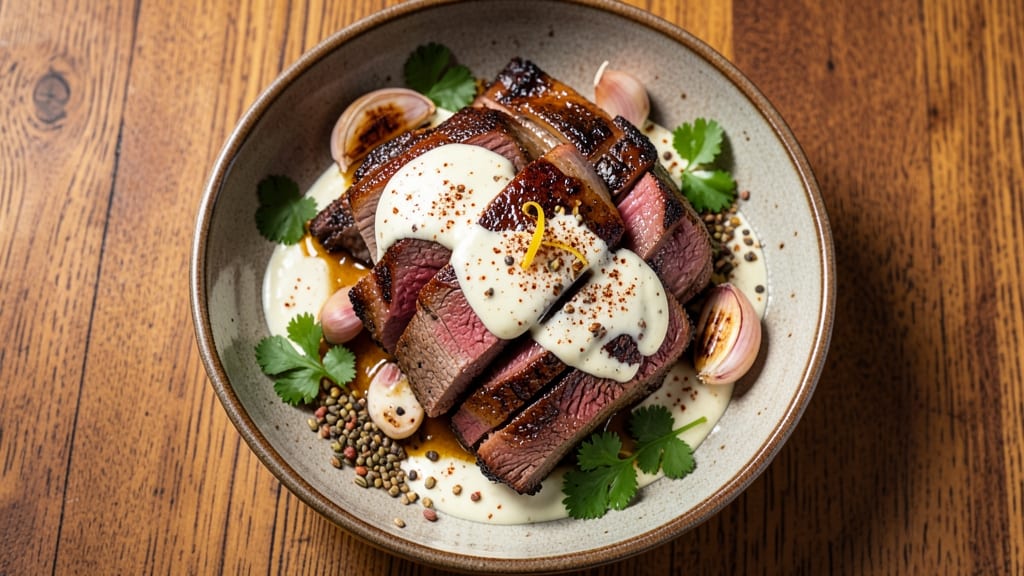
This African roast beef recipe transforms simple ingredients into a masterpiece of tender, juicy beef with a bold, spiced crust—inspired by West African traditions where slow-roasted meats take center stage.
The secret lies in a marinade of yogurt, garlic, and aromatic spices that creates a perfect balance of tangy, smoky, and earthy flavors. What makes this dish special is how the exterior develops a deep, caramelized crust while the interior remains impossibly tender, making every bite unforgettable.
The preparation begins with a marinade that works its magic overnight, allowing the spices to penetrate deeply into the meat. You'll use a mix of paprika, cumin, and coriander for warmth, while yogurt keeps the beef moist and adds a subtle tang.
The roasting process itself is where the magic happens—basting the beef with its own juices ensures a rich, flavorful crust that locks in all those aromatic spices. This isn't just a roast; it's a celebration of African culinary tradition brought to your table.
What you'll end up with is a beautifully browned roast beef that slices effortlessly, revealing juicy, melt-in-your-mouth meat inside. The crust is rich and slightly crisp, carrying all those warm, earthy spices that make this dish so irresistible.
Serve it with traditional sides like jollof rice, grilled vegetables, or a fresh salad to complete the meal. This recipe delivers restaurant-quality results with a touch of cultural authenticity.
Perfect for special occasions or family gatherings, this African roast beef recipe is designed to impress while staying approachable for home cooks. The method is straightforward, but the flavors are anything but basic—transforming a simple cut of beef into a showstopper that will have everyone asking for seconds.
Let's get started on creating this unforgettable centerpiece for your table.
Ingredients for african roast beef
Six aromatic spices, tender beef, and a yogurt marinade create a West African-inspired masterpiece.
| Ingredient | Amount | Notes |
|---|---|---|
| Beef Chuck Roast 🥩 | 4 lb | Center-cut, bone-in preferred |
| Plain Yogurt 🥛 | 1 cup | Full-fat, unsweetened |
| Garlic Cloves 🧄 | 8 cloves | Minced, fresh preferred |
| Smoked Paprika 🌶️ | 2 tbsp | High-quality for depth |
| Ground Cumin 🌿 | 1 ½ tbsp | Freshly ground preferred |
| Ground Coriander 🌿 | 1 ½ tbsp | Toasted for warmth |
| Dried Fenugreek Leaves 🌿 | 1 tbsp | Earthy, aromatic flavor |
| Olive Oil 🫒 | ¼ cup | Extra-virgin for richness |
| Honey 🍯 | 2 tbsp | Wildflower preferred |
| Salt 🧂 | 1 ½ tsp | Kosher or sea salt |
| Black Peppercorns 🌶️ | 1 tsp | Freshly cracked |
| Fresh Ginger 🌿 | 1 tbsp | Grated, fresh preferred |
| Lemon Juice 🍋 | 2 tbsp | Freshly squeezed |
The beef chuck roast is non-negotiable—center-cut delivers the best marbling for juicy results. Costco or local butchers often carry it pre-trimmed, saving time. Look for pieces with visible fat marbling; this ensures moisture during roasting. Freshly ground spices make all the difference, so Penzeys or bulk bins at Whole Foods are ideal. The fenugreek might be tricky to find—Indian or Middle Eastern markets usually stock it. If unavailable, swap with an extra 0.5 tbsp of coriander, though the dish loses some depth without it.
Yogurt should be full-fat for optimal flavor and texture—Greek or Fage brands work best. The honey adds balance to the spices, so local wildflower is ideal, though any variety works. No fresh ginger? Ground ginger at half the amount suffices, though it lacks the bright zing. For the olive oil, California extra-virgin brands like Corto elevate the dish. Preferring a sweeter crust? Add an extra tablespoon of honey. The marinade works best overnight, but even 4 hours makes a noticeable difference in tenderness.
Marinated beef keeps 3-4 days in the fridge, fully submerged in marinade. For longer storage, freeze portions in marinade for up to 3 months. The roasted beef reheats beautifully—low and slow in a 300°F oven for 15 minutes per pound. Slice against the grain for maximum tenderness. Leftovers make fantastic sandwiches or tacos the next day.
Why You'll Love This Recipe
- One-Pot Magic: I swear by this recipe when I’m too tired to fuss—just rub the beef with yogurt, paprika, and cumin, then let the oven do the work. No chopping, no stirring, no stress.
- Flavor Bomb: That smoky paprika and cumin combo? It’s like a warm hug for your taste buds, especially when it caramelizes on the edges. The yogurt keeps it tender and rich—trust me, you’ll want seconds.
- Budget Win: A chuck roast stretches for days—my freezer’s always stocked with slices for wraps, salads, or even breakfast hash. Honestly, it’s my go-to for stretching meals without sacrificing flavor.
Step-by-step instructions for African roast beef with spiced yogurt crust
This method delivers melt-in-your-mouth tenderness with a fragrant, caramelized crust every time.
Prepare the Spiced Yogurt Marinade
In a medium bowl, whisk together the 1 cup plain yogurt, 0.25 cup olive oil, 2 tbsp honey, 2 tbsp lemon juice, 1 tbsp grated fresh ginger, 1.5 tsp salt, 1 tsp freshly cracked black peppercorns, 2 tbsp smoked paprika, 1.5 tbsp ground cumin, 1.5 tbsp ground coriander, and 1 tbsp dried fenugreek leaves. The mixture should be thick and well combined, with a rich, earthy aroma from the spices. I like to let this sit for 5 minutes to allow the fenugreek to release its nutty flavor.
This marinade does double duty—tenderizing the tough chuck roast while creating that signature African-inspired crust. The yogurt's acidity breaks down muscle fibers, while the honey and olive oil add moisture and richness. Don't skip the fenugreek—it's what gives this dish its distinctive depth of flavor.
Coat and Marinate the Beef
Pat the 4 lb beef chuck roast completely dry with paper towels, then rub the marinade all over the meat, pressing it into every crevice. Place the roast in a resealable plastic bag, seal tightly, and refrigerate for at least 12 hours (I prefer 24 hours for maximum tenderness). Turn the bag occasionally to ensure even coating.
The longer the marinate, the more flavor penetrates the meat. I've found that 24 hours gives the best balance of flavor and texture. If you're short on time, a minimum of 8 hours still works well. Keep the roast in the fridge during marinating—never leave it at room temperature.
Preheat and Sear the Roast
Preheat your oven to 325°F. Remove the roast from the fridge and let it sit at room temperature for 30 minutes before cooking. Heat a large oven-safe skillet over medium-high heat and add the roast. Sear on all sides for 3-4 minutes per side until deeply browned and caramelized. This step builds flavor and creates that beautiful crust.
Don't rush the searing—you want the surface to develop a rich, dark color. The yogurt marinade will bubble and sizzle as it hits the hot pan, creating a fragrant aroma. Once seared, transfer the roast to a cutting board and let it rest for 5 minutes before proceeding.
Roast to Perfect Doneness
Place the seared roast in the preheated oven and roast for 2.5 to 3 hours until the internal temperature reaches 195-200°F when measured with a meat thermometer. The roast should be fork-tender with a slight pink center. I like to check the temperature at the 2-hour mark—your oven may run hot or cold, so adjust accordingly.
This low-and-slow cooking method is crucial for breaking down the connective tissue in chuck roast. The yogurt marinade helps keep the meat moist while the spices infuse throughout. The roast will continue to cook slightly after removal from the oven, so pull it out just before it reaches the target temperature.
Rest and Slice for Maximum Juiciness
Transfer the roast to a cutting board and let it rest for at least 30 minutes before slicing. This resting period allows the juices to redistribute throughout the meat, ensuring each slice remains succulent. Use a sharp carving knife to slice against the grain into ½-inch thick pieces. The meat should pull apart easily with minimal resistance.
Serve immediately with the pan juices spooned over the top. The result should be tender, flavorful slices with a beautiful caramelized crust. Each bite delivers the rich, spiced yogurt marinade balanced by the deep, savory beef. For best results, serve with crusty bread or steamed vegetables to soak up the delicious juices.
Pro Tips For Making African Roast Beef
- SEAR THE ROAST FIRST: I used to skip this step and wondered why my beef tasted like it was braised instead of roasted. Hit that chuck roast with a hot pan—no oil needed—until it’s deep brown on all sides. The crust locks in flavor and makes the yogurt marinade work its magic.
- USE THICK YOGURT: Thin yogurt? That’s just sad. Grab full-fat, thick plain yogurt—Greek-style if you can find it. It clings to the meat better, adds richness, and won’t turn into a watery mess when you roast it. (Yes, even if you’re impatient like me.)
- SKIP THE GARLIC MINCE: I learned this the hard way—chopping garlic cloves into tiny bits means they burn before the beef is done. Smash them flat with the side of your knife instead. They’ll infuse flavor without turning bitter. (Your future self will thank you.)
- REST IT UNDER FOIL: That 5-minute rest after roasting? Double it to 10. Chuck roast needs time to redistribute juices, and cutting into it too soon means dry, stringy beef. Tent it with foil while you prep sides—it’ll stay warm and tender. (I know, I know, but trust the process.)
Creative variations of this recipe
West African Style
Transform this recipe into a true West African feast by adding a side of peanut stew—simmer 2 cups peanut butter, 1 can diced tomatoes, 3 cups vegetable broth, and 2 tbsp ginger for 1 hour.
Serve with fufu (mashed cassava and plantains) or jollof rice for an authentic experience. The peanut stew's richness complements the spiced beef beautifully. 🌶️
South African Braai Twist
For a South African-inspired version, swap the yogurt marinade for a beer-braised rub—mix 2 tbsp brown sugar, 1 tbsp smoked paprika, 1 tsp mustard powder, and ½ cup dark beer (like South African Castle Lager).
Roast the beef at 300°F for 4 hours, basting with the beer reduction. Serve with boerewors rolls and grilled corn.
North African Tagine Fusion
Infuse Moroccan flavors by adding 1 tbsp ground cumin, 1 tsp cinnamon, and 1 tsp turmeric to the marinade. Roast the beef in a tagine pot (or Dutch oven) at 275°F for 3 hours, then finish with preserved lemon slices and olives.
Pair with couscous and harissa for a North African-inspired meal. 🍋
Spicy Ethiopian Variation
For a fiery Ethiopian touch, add 1 tbsp berbere spice blend (available at African markets) and 1 tbsp fresh chili paste to the marinade. Roast the beef at 325°F for 2.5 hours, then serve with injera (Ethiopian flatbread) and miso soup for a bold, spicy experience.
The berbere adds a unique depth that sets this apart. 🌶️
Slow-Cooker Adaptation
Short on oven time? Cook the marinated beef in a slow cooker on low for 8 hours or high for 5 hours. Sear the beef first in a skillet for flavor, then transfer to the slow cooker.
The result is just as tender, with minimal effort. Perfect for busy weeknights! ⏰
Sweet and Smoky Grilled Version
For a smoky outdoor twist, grill the marinated beef over indirect heat at 250°F for 3-4 hours, basting with the marinade. Add 1 tbsp maple syrup to the marinade for a sweet-smoky crust. Serve with grilled pineapple slices and charred corn for a festive summer meal. 🔥
Nutrition facts
Frequently asked questions
Can I use a different cut of beef for this recipe?
While chuck roast is ideal for its marbling and tenderness, you can use beef shoulder or bottom round as substitutes. For leaner cuts like round, increase the marinating time to 36-48 hours to ensure maximum tenderness. Avoid tenderloin—it cooks too quickly and lacks the connective tissue needed for low-and-slow roasting.
What's the best way to store leftovers?
Store sliced roast beef in an airtight container with any pan juices for up to 4 days in the fridge. For longer storage, freeze portions for 3 months. Reheat gently in a 300°F oven for 15 minutes per pound or until warmed through. The yogurt marinade helps preserve moisture, making reheating easier.
How do I adjust the spice level for sensitive eaters?
Reduce the smoked paprika to 1 tbsp and omit the fenugreek—it's the most potent spice. For extra mildness, replace half the cumin and coriander with 1 tsp dried thyme or 1 tsp dried oregano. The yogurt marinade already mellows the heat, so the dish remains flavorful without being spicy.
Can I make this recipe in a Dutch oven?
Dutch ovens are perfect for this dish. After searing, transfer the roast to the Dutch oven, cover with a lid, and roast at 325°F for 2.5-3 hours. The lid helps retain moisture while still allowing the crust to develop. Just check the internal temperature frequently—Dutch ovens can vary in heat distribution.
What's the secret to a perfect crust?
The crust forms through a combination of searing and basting. After removing the roast from the oven, transfer it to a cutting board and let it rest for 5 minutes before slicing. This resting time allows the juices to redistribute, ensuring the crust stays intact. For extra richness, brush the roast with 2 tbsp olive oil before the final 15 minutes of roasting.