
Soups & Stews
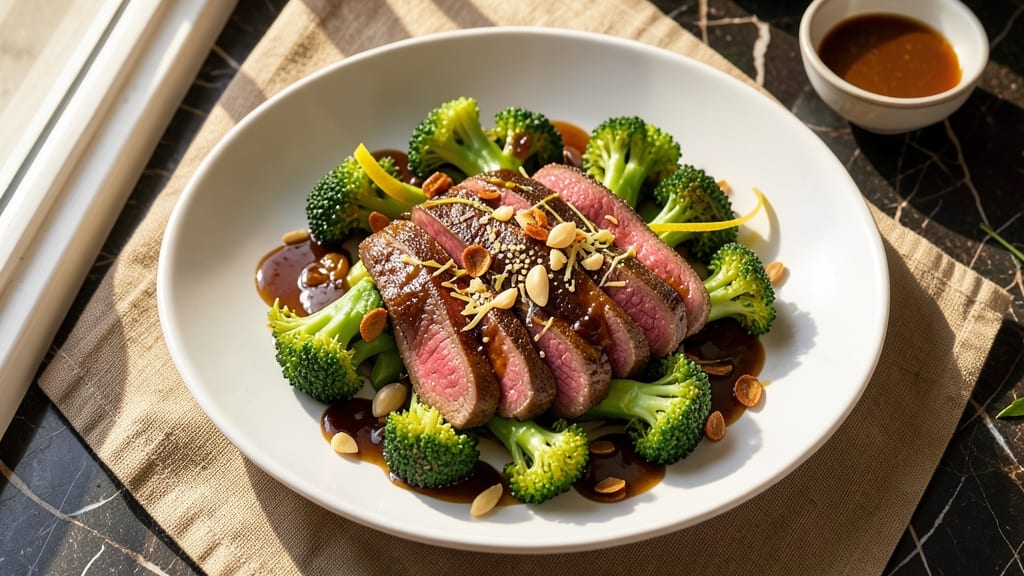
This beef and broccoli velveting recipe transforms tough beef into silky, melt-in-your-mouth bites that stay tender even after stir-frying. The velveting technique—a Chinese cooking method—uses a cornstarch slurry to create an ultra-tender texture that rivals takeout, but with restaurant-quality results at home.
What sets this apart is the balance of savory soy sauce, aromatic ginger, and sweet brown sugar that caramelizes beautifully during cooking.
The process starts with marinating thinly sliced beef in a mixture of soy sauce, cornstarch, and baking soda, which breaks down muscle fibers for unmatched tenderness.
After velveting, the beef cooks quickly in a hot wok or skillet, ensuring it stays juicy while the broccoli crisps just enough to hold its shape. The sauce—thickened with a simple cornstarch slurry—coats everything in a glossy, slightly sweet glaze that’s addictive in every bite.
By the time you plate it, you’ll have perfectly seared beef with velvety edges, bright green broccoli florets, and a sauce that clings to every piece.
This dish delivers the same comforting flavors as your favorite takeout, but with a technique that guarantees restaurant-quality tenderness—no matter how busy your week gets. The best part? It comes together in under 30 minutes, making it ideal for weeknight dinners or meal prep.
Serve it over steamed rice or noodles for a complete meal, or double the sauce to drizzle over other dishes. The velveting method works for other proteins too, so once you master it, you’ll never go back to regular stir-fries. Let’s get started on creating this takeout-style favorite at home.
Ingredients for beef and broccoli recipe velveting
Restaurant-quality tenderness starts with these 15 ingredients—simple but powerful for velveting beef.
| Ingredient | Amount | Notes |
|---|---|---|
| Flank Steak 🥩 | 1 ½ lb | Thinly sliced against grain |
| Cornstarch 🌾 | ½ cup | For velveting slurry |
| Soy Sauce 🍶 | ½ cup | High-quality, low-sodium preferred |
| Baking Soda 🧂 | 1 tsp | Tenderizes beef |
| Brown Sugar 🍯 | 2 tbsp | Light or dark variety |
| Fresh Ginger 🧅 | 1 ½ tbsp | Finely grated, aromatic |
| Garlic Cloves 🧄 | 3 cloves | Minced, aromatic |
| Vegetable Oil 🫒 | 2 tbsp | High smoke point |
| Broccoli Florets 🥦 | 1 ½ lb | Medium stems, cut into bite-sized |
| Sesame Oil 🫒 | 1 tbsp | Toasted, for finishing |
| Green Onions 🧅 | 3 whole | Thinly sliced, for garnish |
| Salt 🧂 | 1 tsp | Kosher or sea salt |
| Black Pepper 🌶️ | ½ tsp | Freshly ground |
| White Wine 🍷 | ¼ cup | Dry, for deglazing |
| Water 💧 | ½ cup | For cornstarch slurry |
The flank steak is non-negotiable here—it's lean enough to velvet perfectly but still holds up to stir-frying. Ask your butcher to slice it thinly against the grain (about 1/8-inch thick) if you're not comfortable doing it yourself. Most grocery stores carry pre-sliced flank steak, but if not, Costco or Whole Foods usually have it. For the cornstarch slurry, use arrowroot powder if you prefer a clearer sauce, but cornstarch works perfectly fine. The soy sauce should be high-quality—Kikkoman or Pearl River Bridge are my go-tos, but any low-sodium variety will do. Fresh ginger and garlic are essential for that authentic aroma, so don't skip them.
No flank steak? Sirloin or ribeye sliced thinly works in a pinch, but they're more prone to overcooking. Running short on soy sauce? Coconut aminos or tamari are great substitutes, though the flavor will differ slightly. The baking soda is crucial for tenderness—don't skip it, but measure carefully as too much can make the beef mushy. For the broccoli, fresh is best, but frozen florets (thawed and drained) work if you're in a hurry. The white wine can be swapped for extra chicken broth if you're avoiding alcohol, but the acidity helps balance the sweetness in the sauce.
The velveted beef keeps for 2 days in the fridge if stored in an airtight container with a thin layer of sauce. Broccoli should be blanched before storing to preserve its color. For meal prep, double the sauce and freeze it in ice cube trays—thaw and reheat for quick stir-fries later. The dish reheats beautifully, though the broccoli may get slightly soggy, so it's best served fresh. If you're making this ahead, velvet the beef first and store it separately until ready to cook.
Why You'll Love This Recipe
- Velvet Magic Trick: That baking soda and cornstarch marinade? It turns tough flank steak into melt-in-your-mouth perfection with zero guesswork. No tenderizing overnight—just 30 minutes of hands-off magic while you stir-fry.
- Umami Bomb Combo: The soy sauce and brown sugar work together like a flavor dream team—salty, sweet, and deep all at once. That crispy velvet crust? The real star of the show.
- Lunchbox Hero: Pack it cold for work or reheat it in minutes—same great taste. Honestly, I’ve sent this to my kid’s school with zero complaints (usually they eat my portion first).
- Budget Power Move: Flank steak stretches further than you’d think, and the pantry staples (soy, cornstarch) don’t break the bank. Leftovers? Even better the second day—if you can resist eating them all at once.
Step-by-step instructions for beef and broccoli velveting
Here's how to transform tough flank steak into silky, bite-sized tenderness using the velveting technique.
Prepare the Velveting Marinade and Slice the Beef
In a mixing bowl, combine the 0.5 cup soy sauce, 2 tablespoons brown sugar, 1.5 tablespoons finely grated fresh ginger, 3 minced garlic cloves, 1 teaspoon baking soda, 1 teaspoon salt, and 0.5 teaspoon black pepper. This marinade works double duty as both tenderizer and flavor base. Let it sit at room temperature while you prepare the beef.
Working quickly, slice the 1.5 lb flank steak thinly against the grain into ¼-inch thick strips. The baking soda in the marinade will break down muscle fibers, but slicing against the grain ensures each bite melts in your mouth. Place the sliced beef in a shallow dish and pour the marinade over it, making sure every piece is coated. Let it marinate for 30 minutes at room temperature—this is crucial for even velveting.
Create the Cornstarch Slurry and Blanch the Beef
In a separate bowl, whisk together the 0.5 cup cornstarch and 0.5 cup water until completely dissolved. This slurry will create that signature silky texture. Heat a large skillet over medium-high heat and add the beef strips in a single layer—don't overcrowd or they'll steam instead of sear.
Cook undisturbed for 1 minute until the beef develops a light crust on the bottom. Then carefully pour the cornstarch slurry over the beef. You'll see it bubble vigorously as the starch gelatinizes. Immediately add 0.25 cup white wine to deglaze the pan and prevent the slurry from sticking. Stir gently for 30 seconds until the sauce thickens slightly but still coats the back of a spoon. Remove the beef and set aside—it's now perfectly tenderized.
Sauté the Broccoli and Finish the Sauce
In the same skillet (no need to clean it—the browned bits are flavor), add 2 tablespoons vegetable oil and heat over medium heat. Add the 1.5 lb broccoli florets and sauté for 4-5 minutes until bright green and just tender-crisp. The broccoli should retain its vibrant color—if it starts to wilt too quickly, reduce the heat slightly.
Return the velveted beef to the skillet along with any accumulated juices. Stir gently to combine with the broccoli. Add 1 tablespoon toasted sesame oil and toss everything together for 1 minute to heat through and infuse the flavors. The sauce should now coat the beef and broccoli evenly, creating that signature glossy finish.
Garnish and Serve Immediately
Transfer the beef and broccoli to serving plates and garnish with thinly sliced 3 whole green onions. The vibrant green against the dark soy sauce creates a visually stunning dish. Serve immediately while everything is piping hot—this dish doesn't wait. Each bite should deliver perfectly tender beef with a silky texture, complemented by crisp-tender broccoli and a glossy, savory sauce.
Here's the thing about velveted beef—it's most impressive when served fresh. The texture starts to break down if left sitting, so have your rice ready and serve this dish immediately. The contrast of the warm, tender beef with steamed jasmine rice makes every bite unforgettable.
Pro Tips For Making Beef And Broccoli Recipe Velveting
- Slice Thin, Slice Even: Flank steak’s fibers run long, so cut it against the grain in paper-thin slices—about ⅛-inch thick. I learned this the hard way: uneven slices chew like boot leather, and no amount of velveting fixes that.
- Marinate with Baking Soda: Mix the baking soda (½ tsp per pound of beef) directly into the velveting marinade with soy sauce and brown sugar. It tenderizes the meat while keeping it moist—skip this, and your steak will fight you when slicing.
- Velveting: Low and Slow: After coating the beef in cornstarch, sear it first, then transfer to a low oven (250°F) for 10 minutes. High heat here turns the cornstarch to glue; low heat lets it melt into a silky coating.
- Broccoli: Blanch First: Shock the broccoli in boiling water for 30 seconds, then ice bath. This stops cooking, keeps it bright green, and ensures it’s tender-crisp when tossed with the beef—no sad, limp florets here.
Best sauces and condiments for this recipe
Classic Soy-Ginger Sauce
The foundation of this dish is the soy-ginger sauce, where ½ cup soy sauce meets 2 tbsp brown sugar and 1.5 tbsp grated ginger for a perfect balance of salty, sweet, and aromatic.
I always use Kikkoman soy sauce for its deep umami flavor, but low-sodium versions work too if you prefer. For extra depth, add 1 tsp fish sauce—it enhances the savory notes without overpowering. 🍶
Cornstarch Slurry Magic
The cornstarch slurry (½ cup cornstarch + ½ cup water) is what makes the velveting technique work—it creates that signature silky texture. For a clearer sauce, swap cornstarch for arrowroot powder, but cornstarch thickens more dramatically.
Whisk it until smooth to avoid lumps, and pour it over the beef immediately after searing to lock in tenderness. The slurry also helps deglaze the pan, creating a glossy finish. 🌾
Sesame Oil Finish
A drizzle of toasted sesame oil (1 tbsp) at the end adds nutty richness and balances the dish’s flavors. I recommend La Choy toasted sesame oil for its robust aroma.
Add it after removing the beef from the pan to preserve its delicate aroma—heating it too long can make it bitter. A few drops of chili oil (½ tsp) also adds a subtle kick if you like heat. 🌶️
Deglazing with Wine
Deglaze the pan with ¼ cup dry white wine (like Sauvignon Blanc) to lift flavorful browned bits from the beef. If you avoid alcohol, use chicken broth instead—it adds depth without altering the sauce’s balance.
The acidity in wine also helps cut through the richness of the soy sauce, making each bite more vibrant. 🍷
Sweet-Tangy Variations
For a sweet and tangy twist, add 1 tbsp rice vinegar to the sauce and top with mandarin orange segments for a pop of color. Or try a spicy version with ½ tsp chili crisp—it adds heat while keeping the dish’s signature glossy finish.
Both variations work beautifully with the velveted beef’s tender texture. 🔥
Extra-Thick Sauce Hack
Want an even thicker sauce? Mix 1 tsp cornstarch with 1 tbsp cold water and stir it into the pan at the end. Heat for 30 seconds until the sauce reaches your desired consistency.
This trick is especially useful if you’re making extra sauce for leftovers or meal prep. The sauce will keep well in the fridge for up to 5 days. ❄️
Nutrition facts
Frequently asked questions
Why does velveting make the beef so tender?
The velveting process uses a cornstarch slurry combined with baking soda to break down muscle fibers in the beef. The baking soda gently tenderizes while the starch creates a protective barrier during cooking, preventing moisture loss. This technique transforms tough cuts like flank steak into melt-in-your-mouth bites that stay juicy even after stir-frying.
Can I use other cuts of beef besides flank steak?
Yes! Thinly sliced sirloin or ribeye work well, but they're more prone to overcooking. For best results, stick with cuts that are ¼-inch thick or less and slice against the grain. The velveting method works particularly well with leaner cuts that need extra tenderness.
What if my sauce turns out too thin?
Simply mix 1 teaspoon cornstarch with 1 tablespoon cold water and stir it into the pan at the end. Heat for 30 seconds until thickened. This works for both fresh cooking and reheating leftovers. For extra insurance, keep a small bowl of this slurry mixture ready while cooking.
How do I prevent the broccoli from getting mushy?
Cook the broccoli over medium heat for just 4-5 minutes until bright green and tender-crisp. Avoid overcrowding the pan and stir occasionally. For extra protection, blanch the florets in boiling water for 30 seconds before stir-frying to set their color and texture.
Can I make this ahead of time?
Velvet the beef and store it separately in an airtight container with a thin layer of sauce for up to 2 days in the fridge. Reheat gently in a skillet with a splash of water to restore moisture. For best texture, cook the broccoli fresh and combine everything just before serving. The sauce can be made ahead and reheated separately.