
Main Courses
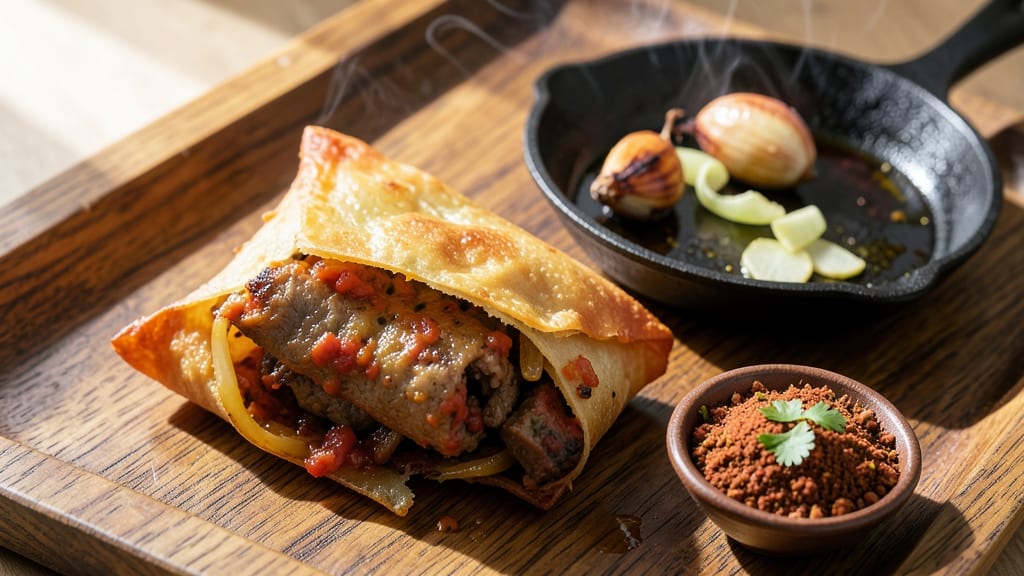
This African beef samosa recipe transforms traditional flavors into crispy, golden triangles that pack layers of spiced beef and flaky pastry. The secret lies in a bold berbere-spiced filling that balances heat and depth, cradled in a perfectly folded dough that achieves that coveted crispy exterior.
I developed this recipe after years of perfecting the balance between tender beef and a pastry that holds its shape—no soggy corners here. The filling starts with ground beef simmered in a rich blend of African spices, including berbere, garlic, and ginger, creating a sauce that coats every bite.
Meanwhile, the dough—made with flour, fat, and a touch of chili—gets rolled thin and folded into triangles before frying to a golden finish. The contrast between the crispy pastry and tender filling is what makes these samosas irresistible.
What you’ll end up with is a dish that’s perfect for gatherings or weeknight dinners—each bite delivers a harmonious mix of spice, texture, and richness. The aroma alone will draw everyone to the table, and the first taste will have them asking for seconds.
This is comfort food with a global twist, and it’s easier to master than you’d think. Serve with a cooling mint chutney or tamarind dip to balance the heat, and watch as these samosas disappear faster than you can say "second round." Let’s get cooking!
Ingredients for african beef samosa
These bold spices and tender beef transform into crispy, golden samosas that disappear fast.
| Ingredient | Amount | Notes |
|---|---|---|
| Ground Beef (80/20 fat ratio) 🥩 | 1 ½ lb | Finely ground for even texture |
| Berbere Spice Blend 🌶️ | 2 tbsp | Traditional Ethiopian blend |
| Garlic Cloves 🧄 | 6 cloves | Minced for aromatic depth |
| Fresh Ginger 🌿 | 1 tbsp | Grated, for zesty kick |
| Yellow Onion 🧅 | 1 whole | Finely chopped, sweet flavor |
| Tomato Paste 🍅 | 2 tbsp | Smooth, no-sugar-added |
| Coconut Milk (Full-Fat) 🥥 | ½ cup | Rich, creamy texture |
| All-Purpose Flour 🌾 | 3 cups | For soft, pliable dough |
| Shortening (Vegetable) 🧈 | ½ cup | Cold, for flaky layers |
| Red Chili Powder 🌶️ | 1 tsp | For subtle heat |
| Ground Cumin 🌿 | 1 tsp | Earthy, aromatic depth |
| Salt 🧂 | 1 tsp | Kosher or sea salt |
| Ice Water 💧 | ½ cup | For dough elasticity |
| Vegetable Oil (for frying) 🫒 | 4 cups | High smoke point oil |
The berbere spice blend is non-negotiable here—Ethiopian Epicurean or Spicewalla are my go-tos, but the bulk bins at Whole Foods work too. Look for vibrant red berbere with visible spices like cardamom and fenugreek. The ground beef should be 80/20 fat ratio—that extra fat keeps the filling juicy. For the dough, Bob's Red Mill all-purpose flour gives the best texture, but any high-protein flour works. Keep the shortening cold when cutting it into the dough—this is what creates those flaky layers. If you can't find berbere, a mix of paprika, cayenne, fenugreek, and coriander gets you close.
No berbere? Mix 1 tbsp smoked paprika, 1 tsp cayenne, 1 tsp coriander, 1/2 tsp fenugreek, and 1/2 tsp cardamom—it's not identical but works in a pinch. For the coconut milk, full-fat canned is best, but light will work if you add an extra tbsp of cream. The dough gets tricky—if it's too sticky, add flour one tbsp at a time; if too dry, add ice water. For frying, peanut oil or vegetable oil both work, but avoid olive oil—it burns too easily. The filling should be moist but not soupy—adjust with extra flour if needed. And trust me, the extra time spent folding the triangles perfectly pays off with that crispy exterior.
These samosas reheat beautifully—just pop them in a 350°F oven for 10-12 minutes until crispy again. They keep for 2 days in the fridge, wrapped tightly in foil to maintain crispness. For freezing, fry them first, then store in a single layer before transferring to a bag—this prevents sticking. Thaw at room temp before reheating. The filling tastes even better the next day as the flavors meld. Make a double batch—they vanish faster than you can say 'second round.' Serve with mint chutney or tamarind dip to balance the heat.
Why You'll Love This Recipe
- Spice in Minutes: I swear, the berbere blend does all the work—just brown the beef, toss in the spices, and let them mingle. Fifteen minutes later, you’ve got flavor that tastes like it simmered for hours.
- Fatty, Crispy Magic: That 80/20 beef? It’s the secret—juicy, tender, and the ginger-garlic paste makes the filling sing when fried. The contrast of spicy, crispy, and creamy inside? Chef’s kiss.
- Weeknight or Party: Make a double batch on Sunday, freeze half, and pull them out for game day or when friends drop by. They reheat like a dream (just a quick pan-fry) and disappear faster than you can say “second round.”
- Budget Flex: Ground beef and pantry spices stretch to feed four for under $10. Honestly, it’s the kind of meal where you end up with leftovers you’ll eat cold the next day—no guilt, just satisfaction.
Step-by-step instructions for African beef samosas
Let's bring these golden, spiced delights to life with a filling that sings and pastry that shatters at every bite.
Cook the Spiced Ground Beef
Heat a large skillet over medium-high heat and add the 1.5 lb ground beef (80/20 fat ratio). Let it cook undisturbed for 3-4 minutes until the meat loses its raw color and begins to brown. This initial sear locks in juices and builds deep flavor.
Break the beef into small crumbles with a wooden spoon, then add the 1 whole yellow onion (finely chopped), 6 cloves garlic (minced), and 1 tbsp fresh ginger (grated). Cook for another 5 minutes until the onions turn translucent and the garlic releases its aromatic punch. You'll smell that rich, savory base developing—this is where the magic begins.
Build the Berbere-Spiced Filling
Reduce heat to medium and stir in the 2 tbsp berbere spice blend, 1 tsp red chili powder, 1 tsp ground cumin, and 1 tsp salt. Let the spices toast in the beef mixture for 1-2 minutes until fragrant—this awakens their flavors. You'll see the spices darken slightly and fill your kitchen with their warm, earthy aroma.
Add the 2 tbsp tomato paste and stir until fully incorporated. Cook for another 3 minutes until the mixture thickens and coats the back of your spoon. The filling should look rich and moist, with visible spice flecks throughout. This is your flavor foundation—don't rush this step.
Finish with Coconut Milk and Cool
Pour in the ½ cup full-fat coconut milk and stir well to combine. Let the mixture simmer for 5 minutes until the liquid reduces slightly and the filling becomes thick but still moist. The coconut milk adds a subtle richness that balances the berbere's heat.
Remove from heat and let the filling cool completely to room temperature. This cooling step is crucial—it prevents steam from developing when you assemble the samosas, which could make your pastry soggy. Cover the bowl with plastic wrap pressed directly on the surface to speed up cooling.
Prepare the Samosa Dough
In a large mixing bowl, combine the 3 cups all-purpose flour and 1 tsp salt. Cut in the ½ cup vegetable shortening using a pastry cutter or your fingers until the mixture resembles coarse crumbs with pea-sized shortening pieces. This creates the flaky layers that make samosas irresistible.
Gradually add the ½ cup ice water while mixing with a fork until the dough just comes together. The dough should be soft but not sticky—if it's too dry, add 1 tsp more water. Knead briefly for 1 minute until smooth, then wrap in plastic and refrigerate for 30 minutes. Chilling firms up the dough for easier rolling.
Assemble and Fry to Crispy Perfection
Divide the chilled dough into 12 equal balls (about 1.5 oz each) and roll each into a 6-inch circle on a lightly floured surface. Fold each circle in half to form a semicircle, then fold the edges inward to create a cone shape. Seal the edges tightly with a bit of water.
Fill each cone with about 2 tbsp of the cooled beef filling, then fold the sides inward to completely enclose the filling. Press the edges firmly to seal—this prevents filling leaks during frying. Heat 4 cups vegetable oil in a deep fryer or heavy pot to 350°F. Fry the samosas in batches for 3-4 minutes until deep golden brown and crispy.
Drain on a wire rack or paper towels. Serve immediately with mint chutney or tamarind sauce while still hot and crispy—each bite should deliver that perfect contrast of crunchy pastry and tender, spiced beef filling.
Pro Tips For Making African Beef Samosa
- CRACK THE GINGER: Use a microplane instead of grating—it releases more oil and aroma, which is non-negotiable for balancing the heat of berbere. I used to chop it, and the flavor just didn’t cut through the beef’s richness.
- Sear the Beef in Batches: Don’t overload the pan or the beef will steam instead of develop that deep, caramelized crust. Split it into two piles and work in 3-4 minutes per batch—your future self will notice the difference in texture.
- Bloom the Berbere First: Toast the spice blend dry in the pan for 30 seconds before adding oil—this burns off the raw bitterness and lets the smoky notes shine. I skipped this once and the filling tasted harsh, like someone dumped cayenne in a sad attempt at spice.
- Rest the Filling: Let the cooked beef mixture sit covered for 10 minutes before stuffing the samosas. The flavors meld, and the juices redistribute so every bite stays moist—not soggy, not dry, just perfect. (Yes, even if you’re impatient like me.)
Wine and beer pairings for these flavors
Spiced Wine Pairings
The bold, spicy flavors of berbere and cumin in these samosas call for wines with similar depth and acidity to balance the heat. A Syrah from South Africa—like Delaire Graff—is perfect with its dark fruit and peppery notes that complement the berbere spice blend.
The wine’s earthy undertones mirror the cumin and cardamom in the filling, creating a harmonious pairing. 🍷
Creamy Beer Options
For beer lovers, a Belgian-style witbier like Hoegaarden cuts through the richness with its citrusy coriander and orange peel notes. The effervescence cleanses your palate between bites, while the slight sweetness balances the spice.
Alternatively, a German Helles Lager offers a crisp, malty contrast that highlights the samosas’ crispy texture without overpowering the flavors.
Malty Stout Contrast
If you prefer something heartier, a dark stout like Guinness or Imperial Stout provides a deep, roasted backbone that stands up to the berbere’s complexity. The coffee and chocolate notes in the stout echo the richness of the coconut milk in the filling, while the carbonation keeps the experience refreshing.
This pairing is ideal for those who love a bold, full-bodied contrast.
Light and Refreshing
For a lighter option, a Sauvignon Blanc with zesty citrus and herbal notes—such as Cloudy Bay—brightens the dish without competing. The wine’s acidity cuts through the fat in the pastry, while its tropical fruit flavors complement the coconut milk subtly.
This is a great choice for warmer days or when you want to keep the meal feeling light and fresh.
Regional African Wine
If you’re feeling adventurous, seek out an African wine like Pinotage from South Africa, which blends Pinot Noir and Cinsault. This wine offers a unique balance of red fruit and spice that mirrors the samosas’ flavors.
Brands like Kanonkop or Waterford Estate deliver excellent quality and regional authenticity, making it a standout choice for this dish. 🌍
Nutrition facts
Frequently asked questions
Can I substitute berbere spice with other spices?
Yes! If you can't find berbere, mix 1 tbsp smoked paprika, 1 tsp cayenne, 1 tsp coriander, ½ tsp fenugreek, and ½ tsp cardamom for a similar heat profile. The filling will still pack bold flavor, though berbere's unique depth is hard to replicate. For a milder version, reduce the cayenne to ½ tsp.
Why does my samosa dough crack when frying?
Cracking usually happens when the dough isn't chilled enough or has too much moisture. Ensure your dough rests for 30 minutes in the fridge before rolling, and avoid overworking it. If the dough feels sticky, add just 1 tsp flour at a time. Also, don't overfill the samosas—2 tbsp max per triangle prevents stress on the pastry.
Can I bake these samosas instead of frying?
Brush the assembled samosas with oil and bake at 400°F for 18-20 minutes until golden. For extra crispiness, broil for 2-3 minutes at the end. Baked versions are lighter but lose some of the traditional fry texture. Serve immediately—they won't stay crisp as long as fried ones.
What's the best way to reheat leftover samosas?
For best results, reheat in a 350°F oven for 10-12 minutes on a wire rack (not a plate) to restore crispiness. If using an air fryer, cook at 375°F for 3-4 minutes. Avoid microwaving—it makes the pastry soggy. For extra crunch, spray with oil before reheating and add 1-2 minutes to the time.
How do I make these samosas spicier?
Double the berbere to 4 tbsp or add ½ tsp extra cayenne to the filling. For heat on the pastry, sprinkle ¼ tsp chili powder on the dough before folding. If you like smoky depth, add ½ tsp smoked paprika to the filling. Remember: the coconut milk helps balance the heat, so don't overdo it!