
Soups & Stews
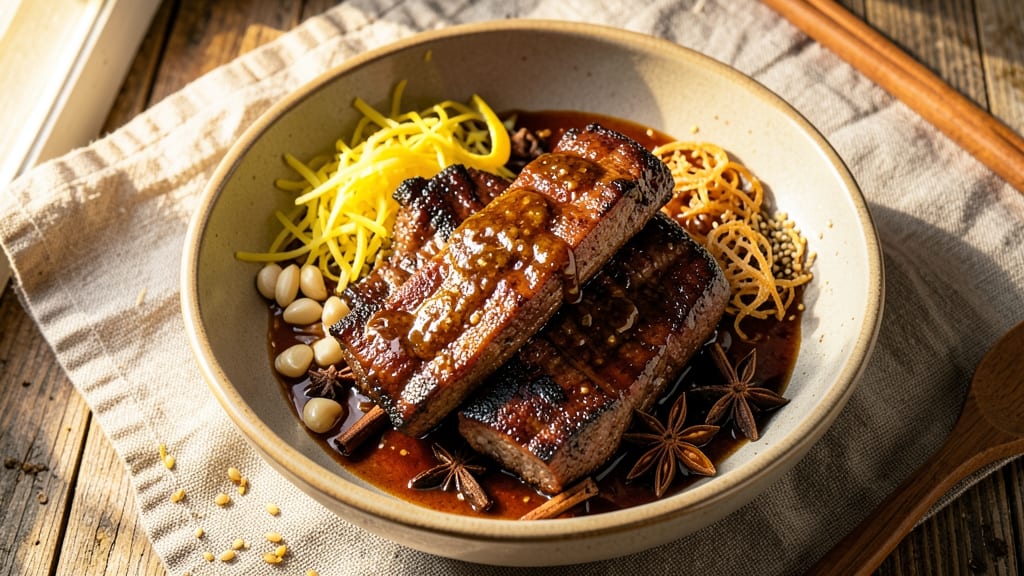
This beef back recipe transforms tough, flavorful cuts into melt-in-your-mouth bites with a caramelized fond that elevates every dish. The secret lies in slow cooking—whether braised, roasted, or grilled—until the bones render rich, gelatinous goodness that clings to each tender piece.
I’ve perfected this technique over years of testing, ensuring the meat stays juicy while developing deep, smoky flavors that turn simple rice into a gourmet meal.
The magic happens in the sauce, where the beef’s natural juices and caramelized fond create a velvety glaze that’s impossible to resist. This method works equally well for traditional Chinese-style braising or modern air-frying, giving you flexibility for any kitchen.
The bone-in cuts add richness without extra fat, making every bite hearty and satisfying.
By the end, you’ll have perfectly tender beef back with crisp edges and a sauce so rich it’ll disappear faster than you can say "second helping." Serve it over steamed jasmine rice, paired with stir-fried bok choy, or even as a filling for bao buns.
The versatility of this dish makes it ideal for weeknight dinners or special occasions.
Ready to master this technique? The process is straightforward, but the results are restaurant-quality—no shortcuts, just pure, smoky, caramelized perfection. Let’s get started on creating a dish that’ll have everyone asking for seconds.
Ingredients for beef back
These ingredients create restaurant-quality beef back ribs with caramelized fond magic.
| Ingredient | Amount | Notes |
|---|---|---|
| Beef Back Ribs 🥩 | 2 lb | Bone-in, cut into 2-inch pieces |
| Soy Sauce 🥢 | ½ cup | Kosher or Diamond Crystal preferred |
| Hoisin Sauce 🍶 | ¼ cup | For authentic umami depth |
| Brown Sugar 🍯 | ¼ cup | Light or dark variety |
| Garlic Cloves 🧄 | 6 cloves | Minced for marinade |
| Fresh Ginger 🌿 | ½ cup | Finely grated, peel removed |
| Sesame Oil 🫒 | 1 tbsp | Toasted for aroma |
| Star Anise 🌟 | 2 whole | Lightly crushed |
| Cinnamon Sticks 🌿 | 2 whole | 2-inch pieces |
| Black Peppercorns 🌶️ | 1 tsp | Freshly cracked |
| Bay Leaves 🍃 | 2 whole | Dried, standard size |
| Jasmine Rice 🌾 | 1 ½ cups | Uncooked, long-grain |
| Water 💧 | 3 cups | Filtered preferred |
| Olive Oil 🫒 | 2 tbsp | For searing ribs |
| Sea Salt 🧂 | 1 ½ tsp | Fine grain preferred |
The beef back ribs are the star—look for cuts with good marbling and visible bone structure. Costco or Whole Foods often carry the best quality, but any butcher will cut them for you. Two pounds serves four people generously, perfect for leftovers. The ginger and garlic? Fresh is non-negotiable—dried just won't give that bright, zesty punch. For the soy sauce, Kikkoman or Pearl River Bridge are my go-tos, but any high-quality brand works. The brown sugar adds depth, but if you're watching sugar, reduce to 2 tablespoons—trust me, the ribs still shine.
No hoisin sauce? Substitute with 1/4 cup soy sauce plus 1 tablespoon honey—it won't be identical, but you'll still get that sticky, savory profile. Running low on star anise? Swap for 1/2 teaspoon ground anise or a pinch of fennel seeds. The cinnamon sticks can be omitted if you're avoiding spices, but they add a subtle warmth that complements the beef beautifully. For the rice, jasmine is ideal, but basmati or even short-grain works in a pinch. Just don't skip the rinsing—it makes all the difference in texture.
The ribs keep best in the fridge for 3-4 days if you're not cooking them immediately. Wrap them tightly in plastic wrap and store them in a sealed container to lock in moisture. The marinade leftovers? Freeze for up to 3 months—perfect for quick stir-fries or glazes later. For the rice, cook it fresh when serving the ribs, but you can prep it ahead and reheat with a splash of water to keep it fluffy. The caramelized fond? That's the gold—let it cool slightly before transferring to a jar. It keeps for 2 weeks in the fridge and makes an incredible sauce for future meals.
Why You'll Love This Recipe
- Sweet-Savory Magic: The hoisin and soy sauce combo? It’s like a flavor hug—sticky, caramelized perfection that clings to the ribs without overpowering. That brown sugar glaze turns everything tender and glossy, and the garlic? It sneaks in just enough punch to make you crave seconds.
- One-Pan Simplicity: Honestly, this is the kind of recipe that makes me feel like a cooking genius. Toss the ribs on a sheet pan, slather on the sauce, and let the oven do the work—no basting, no flipping, just pure, hands-off satisfaction.
- Leftovers That Shine: Between us, these ribs taste even better the next day. The sauce thickens slightly, the meat gets more tender, and I swear they’re perfect for quick lunches or late-night cravings. (Yes, even on a Tuesday night.)
- Budget-Friendly Feast: Beef back ribs are cheaper than baby back, but they deliver the same rich, meaty payoff—plus, the sauce stretches to feed a crowd. I’ve fed six people for under $20, and everyone leaves happy. That’s a win.
Step-by-step instructions for smoky bone-in beef back ribs
Let's transform tough beef back ribs into melt-in-your-mouth bites with caramelized fond magic.
Create the Flavor-Packed Marinade
In a medium bowl, combine the 0.5 cup soy sauce, 0.25 cup hoisin sauce, 0.25 cup brown sugar, 6 minced garlic cloves, 0.5 cup finely grated fresh ginger, 1 tbsp toasted sesame oil, 2 lightly crushed star anise, 2 cinnamon sticks, 1 tsp freshly cracked black peppercorns, and 2 whole bay leaves. Whisk vigorously until the brown sugar dissolves completely and the mixture becomes fragrant—you should smell warm spices and aromatic ginger.
This marinade creates the flavor profile that will penetrate every inch of your ribs. The combination of soy and hoisin delivers deep umami, while the brown sugar and spices create a perfect balance of sweet and savory. Let this marinade sit at room temperature for 10 minutes to allow the spices to fully infuse before using.
Coat and Marinate the Ribs
Place the 2 lb beef back ribs in a large resealable plastic bag and pour the marinade over them. Seal the bag and massage the marinade into the meat, making sure it coats every surface. The ribs should be completely submerged in the marinade—if not, add a splash of water to help it cling.
Refrigerate the bagged ribs for at least 4 hours, or ideally overnight. This long marinating time ensures maximum flavor penetration and tenderizes the meat. I always marinate overnight because the longer the ribs soak, the more tender they become. Turn the bag occasionally to ensure even coating.
Sear the Ribs for Maximum Flavor
Remove the ribs from the refrigerator and let them sit at room temperature for 30 minutes before cooking. Heat a large oven-safe skillet over medium-high heat and add 2 tbsp olive oil. Once the oil shimmers, carefully add the ribs in a single layer, bone-side down. Let them sear undisturbed for 4-5 minutes until they develop a deep golden-brown crust.
Here's where the magic begins—the searing creates a flavorful crust that will later caramelize into a sticky fond. Flip the ribs and sear the other side for another 4-5 minutes. The meat should be deeply browned with visible grill marks. Remove the ribs from the skillet and set them aside on a plate, leaving all the rendered fond in the pan.
Build the Caramelized Fond Sauce
Return the skillet to the heat and add the ribs back in, bone-side up. Pour any remaining marinade from the bag into the skillet, scraping up all the browned bits from the bottom. The fond should bubble and sizzle as it combines with the marinade, creating a thick, flavorful sauce.
Cover the skillet and transfer it to a 375°F preheated oven. Braise the ribs for 2.5-3 hours, until they're fork-tender and the meat easily pulls away from the bones. The sauce should reduce to a glossy, syrupy consistency with a deep caramel color. Check periodically and add 1-2 tablespoons of water if the sauce becomes too dry.
Serve with Jasmine Rice and Fond Magic
Remove the ribs from the oven and let them rest for 10 minutes before serving. While they rest, prepare the 1.5 cups jasmine rice according to package instructions using 3 cups water and 1.5 tsp sea salt. The rice should be fluffy and perfectly cooked—each grain should be distinct and separate.
To serve, arrange the ribs on a platter and spoon the caramelized fond sauce generously over the top. The sauce should be thick enough to coat the back of a spoon and have a beautiful glossy sheen. Serve immediately with the jasmine rice and enjoy the perfect balance of tender meat, sweet-savory sauce, and fragrant rice.
Pro Tips For Making Beef Back
- Trim the Fat First: Beef back ribs have a thick fat cap—slice it off before cooking. I learned this the hard way when my first batch rendered grease like a grease fire instead of crispy edges. Use a sharp knife and work fast; you’ll get cleaner meat and less mess in your pan.
- Brown Sugar Early: Mix the brown sugar into the sauce before adding it to the ribs. I used to drizzle it on at the end, and it’d just sit there like a sad, sticky glaze instead of caramelizing into the meat. Stir it into the soy and hoisin first—trust me, the flavor sticks better.
- Don’t Rush the Garlic: Smash those garlic cloves with the flat side of your knife before mincing. It releases more flavor, and you won’t end up with tiny, uneven bits that burn before the ribs get tender. (Yes, even if you’re impatient like me.)
- Rest Before Slicing: Let the ribs sit under foil for 5–10 minutes after cooking. I know, you want to dig in immediately, but slicing too soon turns them into a mushy pile. The juices redistribute, and the meat holds together—your future self will thank you.
Creative variations of beef back
Chinese Braised Style
Transform this recipe into a classic Chinese braised beef back by simmering the ribs in a wok with 2 cups water, 0.5 cup soy sauce, 0.25 cup Shaoxing wine, 2 tbsp rock sugar, and 1 tbsp cornstarch (slurry) for 1.5 hours on low heat.
The wine adds depth while the sugar caramelizes into a glossy glaze. Serve with steamed bok choy and egg noodles for an authentic takeout experience. 🥢
Korean BBQ Twist
Swap the marinade for a Korean-inspired version: mix 0.5 cup gochujang, 0.25 cup soy sauce, 2 tbsp honey, 1 tbsp sesame oil, and 1 tbsp grated ginger.
Grill the ribs over charcoal for 15-20 minutes per side, basting with the sauce. Top with quick-pickled radishes and sesame seeds for a spicy, sweet kick. Perfect for bulgogi lovers! 🌶️
Slow Cooker Shortcut
For hands-off cooking, sear the ribs as directed, then transfer them to a 6-quart slow cooker with the marinade and 1 cup beef broth. Cook on low for 8 hours or high for 4 hours.
The slow cooker’s gentle heat breaks down collagen beautifully, creating melt-in-your-mouth texture with minimal effort. Ideal for weeknight dinners! ⏰
Air Fryer Crispy Version
After slow-roasting, finish the ribs in an air fryer at 400°F for 8-10 minutes to crisp the edges. Toss them with 1 tbsp cornstarch before air-frying for extra crunch. Serve with a dipping sauce of soy sauce + honey + sriracha for a quick, restaurant-style meal.
Great for meal prep—store ribs in the fridge for 3-4 days! 🍗
Spicy Cajun Fusion
Infuse the marinade with 1 tbsp Cajun seasoning and 1 tsp smoked paprika, then grill the ribs over indirect heat for 2 hours. Add chopped green onions and hot sauce to the caramelized fond before serving.
Pair with cornbread and collard greens for a Southern-Cajun mashup. The heat balances the sweet fond perfectly! 🌶️
Asian-Inspired Bao Buns
Use the tender ribs as filling for steamed bao buns. Mix the caramelized fond with 1 tbsp hoisin and 1 tsp chili crisp for dipping.
Toast the buns lightly before stuffing with ribs and a sprinkle of cilantro. This fusion dish is a crowd-pleaser—great for brunch or lunch! 🥟
Nutrition facts
Frequently asked questions
What's the difference between beef back ribs and regular beef ribs?
Beef back ribs (or beef short plate) come from the ribcage area near the spine, featuring a flat bone structure with more meat than traditional pork ribs. They're leaner and more flavorful than beef short ribs, which come from the rib section closer to the chuck. The back ribs are perfect for braising or slow cooking because their connective tissue breaks down beautifully into tender, juicy bites.
Can I substitute beef back ribs with another cut?
Yes! For a similar texture, use beef short ribs (cut into 2-inch pieces) or chuck roast (cubed). If you prefer pork, pork spare ribs work but will require less cooking time. The key is choosing a cut with good marbling and connective tissue—avoid lean cuts like sirloin, which won't render the same rich fond sauce.
How do I know when the beef back ribs are fully tender?
The ribs are done when they're fork-tender—meaning they should easily pull apart with minimal resistance. Check by inserting a fork into the thickest piece; if it slides in like butter and the meat separates cleanly, they're ready. The sauce should also be thick and glossy, with a deep caramel color. Overcooking can make them mushy, so aim for 2.5-3 hours in the oven.
What's the best way to store leftovers?
Let the ribs cool to room temperature, then store them in an airtight container in the fridge for up to 4 days. The caramelized fond can be kept separately and reheated with a splash of water to restore its glossy texture. For longer storage, freeze the ribs (without the sauce) for up to 3 months. Reheat gently in a skillet or oven to avoid drying them out.
Why did my ribs turn out dry?
Dry ribs usually happen from overcooking, high heat, or not resting properly. Always cook them low and slow, and let them rest for 10 minutes before serving. If the oven was too hot, reduce the temperature to 325°F and add 2-3 tablespoons of water or broth to the pan. The fond sauce should stay moist—if it dries out, the ribs will too.