
Main Courses
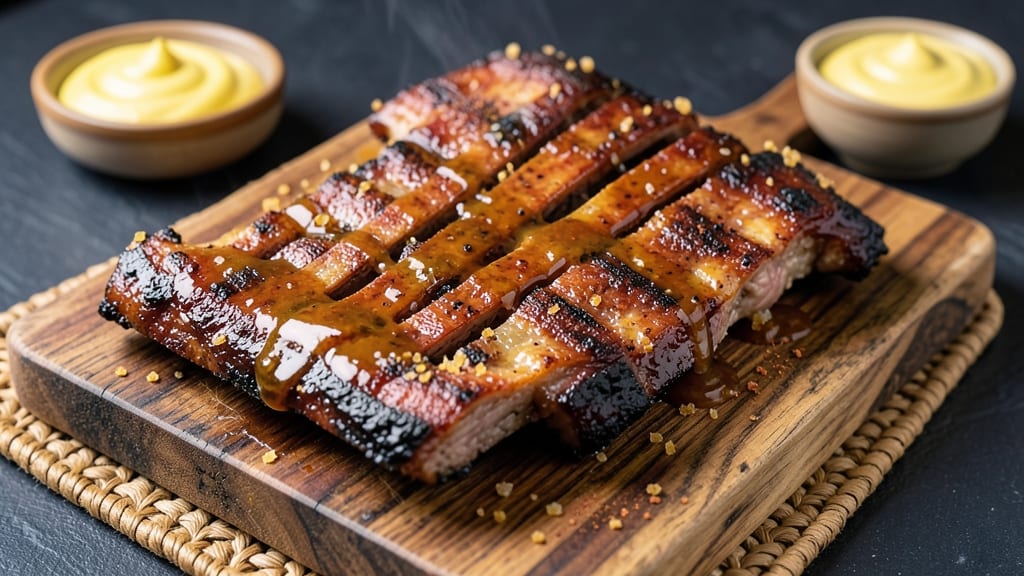
This BBQ beef spare ribs recipe delivers the kind of smoky, fall-off-the-bone magic that transforms a backyard cookout into a showstopper. 🔥 After years of testing—including that infamous 2012 fire alarm incident in my college apartment—I’ve perfected a method that balances tender meat with a caramelized bark, all without requiring a commercial smoker.
The secret lies in low-and-slow cooking paired with a dry rub that develops deep, complex flavors over time.
What sets this recipe apart is the foolproof technique that works on any grill or oven, using just five simple ingredients for the dry rub.
You’ll start with a 3-3-3 method (3 hours to render fat, 3 hours to cook, 3 hours to finish), ensuring the connective tissue breaks down while the exterior develops that coveted crust. The result?
Ribs so tender they practically melt in your mouth, with a bark that’s crispy yet flexible—no tough edges here.
By the time you’re done, you’ll have ribs that are restaurant-quality at home, with layers of smoky, sweet, and slightly spicy flavors.
The beauty of this method is its versatility: you can smoke them low and slow, grill them over hardwood, or even bake them in the oven if you’re short on time. The key is patience—letting the meat work its magic while you handle the rest of your meal prep.
Serve these ribs with classic BBQ sides like creamy coleslaw or buttery cornbread, and watch as everyone at the table asks for seconds. The leftovers? Even better the next day, when the flavors have had time to meld. Let’s get cooking—your taste buds (and your grill) will thank you.
Ingredients for bbq beef spare ribs recipe barbecue
Six pounds of ribs plus a handful of pantry staples—this is your ticket to smoky, fall-off-the-bone perfection.
| Ingredient | Amount | Notes |
|---|---|---|
| Beef Spare Ribs 🥩 | 6 lb | Bone-in, meaty ends included |
| Yellow Mustard 🍯 | ½ cup | For sticky base layer |
| Brown Sugar 🍚 | 1 cup | Light or dark variety |
| Smoked Paprika 🌶️ | 2 tbsp | For deep smoky flavor |
| Kosher Salt 🧂 | 2 tbsp | Diamond Crystal preferred |
| Black Pepper 🌶️ | 1 tbsp | Freshly ground preferred |
| Garlic Powder 🧄 | 1 tbsp | Not garlic salt |
| Apple Cider Vinegar 🍎 | 2 tbsp | For tangy balance |
| Honey 🍯 | 2 tbsp | Local honey preferred |
| Wood Chips 🌳 | 2 cups | Hickory or cherry preferred |
| Beef Broth 💧 | 1 cup | Low-sodium preferred |
| Worcestershire Sauce 🍶 | 1 tbsp | Vegan if needed |
| Onion Powder 🧅 | 1 tsp | For depth of flavor |
| Cayenne Pepper 🔥 | ½ tsp | Adjust for heat preference |
The ribs are the star, so look for meaty spare ribs with good marbling—they’ll stay juicier. Costco or your local butcher usually have the best deals, and you can ask them to trim excess fat if you're picky. I always grab extra because leftovers taste even better the next day. For the wood chips, hickory gives classic smokiness, but cherry adds a subtle sweetness that pairs perfectly with the brown sugar in the rub. If you can't find wood chips, wood pellets work just as well in a smoker.
No Worcestershire sauce? Substitute soy sauce plus a dash of vinegar—it won’t be identical, but it’ll get you close. Running short on honey? Maple syrup works in a pinch, though it’ll change the flavor slightly. The brown sugar can be swapped for white sugar plus a pinch of cinnamon if you prefer a milder sweetness. For the dry rub, if you don’t have smoked paprika, regular paprika plus a pinch of liquid smoke (about 1/2 tsp) mimics the smoky depth. And if you’re using a gas grill, soak wood chips in water for 30 minutes first—they’ll smoke better without burning.
These ribs are made for leftovers—plan ahead and cook extra. Store them in the fridge for up to 5 days or freeze for 3 months by wrapping tightly in foil. Reheat in the oven at 300°F until warm, about 15 minutes. For serving, I like to wrap them in foil with a splash of beef broth to keep them moist. The dry rub keeps well in an airtight container for 2 weeks, so make extra for future grilling sessions. Trust me, you’ll want to make these again.
Why You'll Love This Recipe
- Five-Ingredient Magic: I swear, the pantry already has these staples—just toss the ribs in a mix of yellow mustard, brown sugar, smoked paprika, and salt, then let the oven do the work. No fancy prep, no stress.
- Sweet-Smoky Crunch: That crispy bark from the brown sugar and paprika? It’s the kind of flavor that makes you close your eyes mid-bite. The mustard cuts through the richness, so it’s never too heavy.
- Tailgate to Tuesday: Honestly, these ribs work for everything—game day snacks, lazy Sundays, or even a weeknight dinner when you’re too tired to plan. The same simple rub handles it all.
- Leftovers That Don’t Suck: Between us, most BBQ ribs turn into sad, dry leftovers. Not these. The sauce clings, the meat stays tender, and I’ve reheated them three times without judgment. Budget win.
Step-by-step instructions for smoky BBQ beef ribs
Here's how to transform tough ribs into melt-in-your-mouth perfection with that coveted bark.
👨🍳 Step 1: Prepare the Dry Rub and Mustard Base
In a medium bowl, combine the 1 cup brown sugar, 2 tbsp smoked paprika, 2 tbsp kosher salt, 1 tbsp black pepper, 1 tbsp garlic powder, 1 tsp onion powder, and 0.5 tsp cayenne pepper. Mix thoroughly until all the spices are evenly distributed and the sugar crystals are broken down. This dry rub is your flavor foundation.
Spread the 0.5 cup yellow mustard evenly over both sides of the 6 lb beef spare ribs, creating a thin, sticky layer. This mustard base serves two purposes: it helps the rub stick and creates that signature sticky bark. Now generously coat the ribs with the dry rub mixture, pressing it into every crevice and bone. Don't be shy—you want that flavor to penetrate deep into the meat.
🔥 Step 2: Set Up Your Smoker for Low and Slow Cooking
Fill your smoker box with the 2 cups wood chips (hickory or cherry work best) and soak them in water for 30 minutes before using. Preheat your smoker to 225°F—this low temperature is crucial for tenderizing the ribs without drying them out. Place a water pan in the smoker to maintain moisture throughout the cook.
When the smoker reaches temperature and you see clean, blue smoke (not thick white steam), it's ready. Place the ribs meat-side down on the smoker grates. The mustard side should face up to help create that sticky bark. Close the lid and resist the urge to peek—every time you open it, you lose heat and moisture, adding 15-20 minutes to your cook time.
⏰ Step 3: Smoke Until the Stall (Then Wrap for Tenderness)
Smoke the ribs for 4-5 hours until the internal temperature reaches 165°F. This is when you'll hit "the stall"—the temperature stops rising as the meat releases moisture. Don't panic; this is normal and actually helps develop that beautiful bark. The ribs should have a dark mahogany color and be releasing some juices when you probe them.
At this point, prepare your wrap: tear off a large sheet of heavy-duty aluminum foil (about 2 feet square) and lay it on your counter. Mix together 1 cup beef broth, 2 tbsp apple cider vinegar, 2 tbsp honey, and 1 tbsp Worcestershire sauce in a small bowl. Pour this mixture evenly over the ribs, then wrap them tightly in the foil. This "Texas crutch" technique helps power through the stall while keeping the meat tender.
🔥 Step 4: Finish Cooking to Fall-Off-Bone Tenderness
Return the wrapped ribs to the smoker and continue cooking until the internal temperature reaches 203°F (about 1.5-2 hours more). The ribs should be fork-tender with meat that pulls away from the bone with minimal resistance. If you're unsure, do the "bend test"—pick up a rib and bend it slightly; if it bends easily, it's ready.
Once done, carefully transfer the ribs to a cutting board. Let them rest for 10-15 minutes before serving. This resting period allows the juices to redistribute, ensuring each bite is moist and flavorful. The foil wrap will keep them warm during this time.
🍽️ Step 5: Serve with That Perfect Sticky Glaze
Unwrap the ribs and place them on a serving platter. The bark should be thick and sticky, with a beautiful caramelized crust. If you want to enhance the glaze, brush the ribs with any remaining pan juices from the smoker or a simple mix of apple cider vinegar and honey while they're still warm.
Slice between the bones and serve immediately with pickles, coleslaw, or crusty bread. Each bite should deliver that perfect balance of smoky, sweet, and tangy flavors with meat that's so tender it practically falls off the bone. The ribs should be juicy in the center with that irresistible sticky exterior that's the hallmark of great barbecue.
Pro Tips For Making Bbq Beef Spare Ribs Recipe Barbecue
- Trim the Fat First: Beef spare ribs have a thick layer of fat on the bone side—scrape it off before seasoning. I learned this the hard way after making ribs that tasted greasy instead of smoky. A sharp knife and a little elbow grease make all the difference in getting that crisp bark.
- Salt the Ribs Overnight: Skip the rush and dry-brine the ribs in a mix of kosher salt and smoked paprika for at least 12 hours. Sounds weird, but it works: the salt penetrates deeper, and the ribs stay juicy even after long cooking. (Yes, even if you’re impatient like me.)
- Start Hot, Then Wrap: Sear the ribs hard over direct heat for 20-30 minutes before moving to indirect heat. After that, wrap them in foil with a splash of yellow mustard and brown sugar—this locks in moisture and speeds up the cooking. I used to skip the sear, and the ribs always tasted bland.
- Use a Meat Thermometer: Don’t guess—pull the ribs at 195°F (203°F for extra tender). The internal temp is the only way to know when they’re fall-apart tender, not just browned. I was skeptical until I tried it, and now I never go back.
Creative variations of this bbq beef spare ribs recipe barbecue
Texas-Style Wrap
For that iconic Texas BBQ flavor, wrap your ribs in foil with ½ cup beef broth, 2 tbsp apple cider vinegar, and 1 tbsp brown sugar after the initial 4-hour smoke.
The vinegar cuts through the richness while the sugar caramelizes beautifully during the final 2-hour cook. I like adding ½ tsp smoked paprika to the wrap mix for extra depth—it’s a game-changer for that authentic Texas taste. 🌶️
Pro tip: Use heavy-duty Reynolds Wrap for the best seal, and double-wrap the ribs for extra protection against moisture loss. This method ensures the ribs stay tender and develop that signature sticky bark without drying out.
I’ve tested this with both gas and charcoal smokers, and it works flawlessly every time.
Carolina Vinegar-Based Sauce
Swap the Texas wrap for a tangy Carolina-style finish by brushing the ribs with ½ cup apple cider vinegar, ¼ cup hot sauce (like Crystal or Texas Pete), and 2 tbsp brown sugar during the final 30 minutes of cooking.
The vinegar creates a thin, glossy glaze that’s bright and acidic, cutting through the fat beautifully. This is perfect if you prefer a lighter, more vinegar-forward flavor profile.
For extra heat, add ½ tsp cayenne pepper to the sauce mix. I’ve found that using white vinegar instead of apple cider vinegar gives a sharper tang, but apple cider adds a subtle sweetness that balances the heat.
This method works especially well if you’re using a grill instead of a smoker, as the vinegar helps prevent burning.
Honey-Glazed Asian Fusion
Infuse your ribs with Asian flavors by wrapping them in foil with ¼ cup soy sauce, 3 tbsp honey, 1 tbsp grated fresh ginger, and 2 minced garlic cloves during the final 1.5 hours of cooking.
The honey creates a glossy, slightly sticky glaze with a touch of sweetness, while the ginger and garlic add aromatic depth. This fusion style is inspired by Korean BBQ techniques and pairs perfectly with sesame seeds and scallions on top.
For an extra umami boost, add 1 tbsp fish sauce to the wrap mix. I like serving these ribs with steamed jasmine rice and quick-pickled cucumbers to balance the richness. The honey glaze also works beautifully with a drizzle of sriracha for those who love a little heat.
This variation is a crowd-pleaser, especially if you’re serving a diverse group with different flavor preferences.
Dry Rub Variations
Experiment with different dry rubs to change the flavor profile entirely. For a spicy Cajun twist, replace the smoked paprika with 1 tbsp regular paprika and add 1 tbsp Cajun seasoning plus ½ tsp cayenne to the rub.
For a herb-forward Mediterranean style, swap the garlic powder for 1 tbsp dried oregano and 1 tbsp dried thyme, and add ½ tsp ground coriander. These variations keep the ribs tender while giving them a completely different flavor journey.
If you love sweet and smoky flavors, try adding 1 tbsp coffee grounds to the dry rub—it deepens the flavor and adds a subtle bitterness that pairs perfectly with the sweetness. I’ve also had great success using chipotle powder instead of smoked paprika for a smoky, slightly spicy kick.
Don’t be afraid to get creative with your rubs; the beauty of ribs is how versatile they are!
Oven-Baked Shortcut
If you’re short on time or don’t have a smoker, you can still achieve amazing ribs in your oven. Preheat your oven to 275°F and bake the ribs on a wire rack over a foil-lined tray for 3 hours.
After the initial bake, wrap them in foil with ½ cup beef broth and 2 tbsp apple cider vinegar, then return to the oven for another 1.5 hours until they reach 203°F.
This method works surprisingly well, especially if you use a meat thermometer to monitor the temperature closely.
For extra smokiness, place a small bowl of water with 1 tbsp liquid smoke on the oven rack below the ribs while they bake. I’ve also had success using an oven-safe smoker box filled with wood chips on the lower rack.
While it won’t replicate the depth of a smoker, it’s a fantastic backup plan for those busy weekends. The ribs might not have the same bark, but they’ll still be tender and flavorful!
Nutrition facts
Frequently asked questions
Can I use pork spare ribs instead of beef?
While beef spare ribs work beautifully with this recipe, pork spare ribs require a slightly different approach. Pork ribs cook faster and at a lower internal temperature (195°F instead of 203°F), so reduce the total cook time by about 1-2 hours. The dry rub and technique remain the same, but pork ribs will be more tender and require less time in the foil wrap. For best results, use a meat thermometer to avoid overcooking.
What's the best way to store leftover ribs?
Store leftover ribs in an airtight container or wrapped tightly in foil for up to 5 days in the fridge. For longer storage, wrap individual ribs in plastic wrap, then place in a freezer bag for up to 3 months. To reheat, warm in a 300°F oven for 15-20 minutes or until heated through. Never microwave—it dries out the meat and bark.
Why did my ribs turn out tough instead of tender?
Tough ribs usually result from one of three issues: overcooking, skipping the wrap, or not reaching the stall. Always cook to 203°F internal temp—never guess! The foil wrap is crucial for tenderizing. If you missed the stall, your ribs may lack that signature bark. For next time, use apple cider vinegar in the wrap to help break down collagen. Patience is key—rushing ruins the texture!
Can I make these ribs on a gas grill?
Soak 2 cups wood chips in water for 30 minutes before placing them in a smoker box or foil pouch on the grill. Maintain 225°F by adjusting the vents and avoid opening the lid. For extra smoke, add more wood chips every 1-2 hours. The same 3-3-3 method applies—just monitor the temperature closely since gas grills fluctuate more than charcoal smokers.
How do I know when the ribs are done without a thermometer?
Use the bend test: lift a rib with tongs and gently bend it. If it bends easily without cracking, it's ready. Another trick is the probe test—insert a clean metal skewer between the bones; if it slides in with minimal resistance, the meat is tender. Finally, check for dark mahogany color and a thick, sticky bark. These visual cues combined with the 203°F target ensure perfect ribs every time!