
Soups & Stews
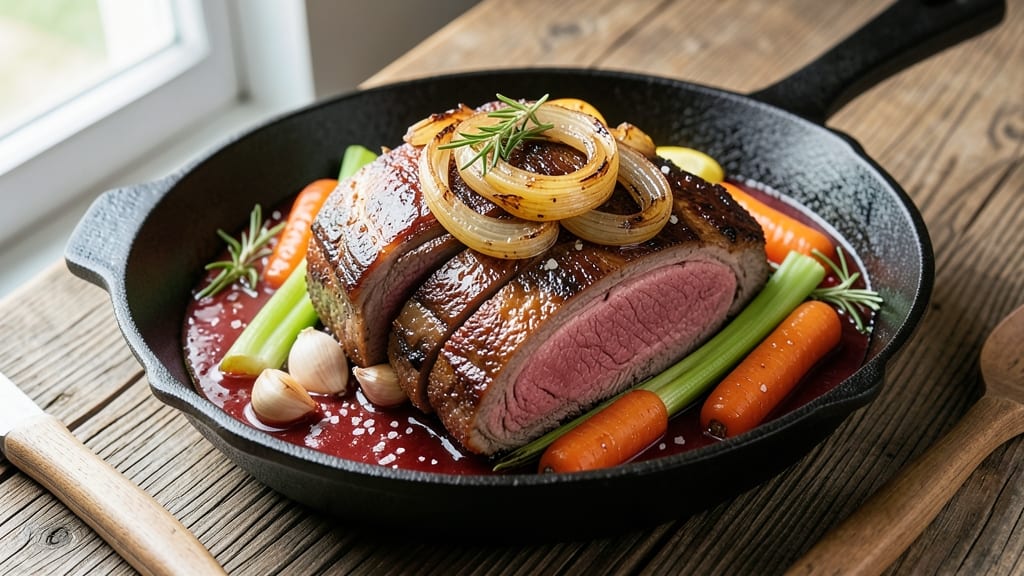
Slow-cooking transforms tough beef arm into melt-in-your-mouth perfection with deep, spiced tomato flavors that elevate every bite. This professional technique ensures tender results without requiring constant attention—ideal for busy cooks who demand restaurant-quality meals at home.
The key lies in low-and-slow cooking that breaks down connective tissue while developing rich, complex flavors.
The recipe combines simple ingredients—beef arm roast, aromatic spices, and a robust tomato base—to create a dish that's both impressive and approachable. With precise seasoning and careful timing, you'll achieve perfectly tender meat that practically falls apart, all while maintaining a balanced, flavorful sauce.
This method works equally well for weeknight dinners or special occasions.
What you'll end up with is a beautifully presented dish featuring fork-tender beef arm swimming in a velvety tomato-spice sauce. The meat's natural richness pairs perfectly with the sauce's depth, creating a harmonious balance that's both comforting and elegant.
Serve with classic sides like mashed potatoes or roasted vegetables for a complete meal.
Perfect for feeding a family or hosting dinner guests, this beef arm recipe delivers professional results with minimal effort. The slow-cooking process ensures maximum tenderness while allowing flavors to meld beautifully. Here's how to create this satisfying, crowd-pleasing dish in your own kitchen.
Ingredients for beef arm
Sixteen ingredients transform tough beef arm into restaurant-quality tenderness through precise slow-cooking technique.
| Ingredient | Amount | Notes |
|---|---|---|
| Beef Arm Roast 🥩 | 3 lb | Bone-in preferred for flavor |
| Yellow Onion 🧅 | 1 whole | Chopped into 1-inch pieces |
| Carrots 🥕 | 4 whole | Peeled, cut into 2-inch chunks |
| Celery Stalks 🥬 | 3 whole | Cut into 2-inch pieces |
| Garlic Cloves 🧄 | 6 cloves | Smashed, not minced |
| Canned San Marzano Tomatoes 🍅 | 28 oz | Crushed by hand, seeds removed |
| Tomato Paste 🍅 | ½ cup | High-quality, no sugar added |
| Red Wine 🍷 | 1 cup | Bold dry variety like Cabernet |
| Beef Broth 💧 | 2 cups | Low-sodium preferred |
| Olive Oil 🫒 | ¼ cup | Extra-virgin for richness |
| Dried Thyme 🌿 | 1 tbsp | Or 1 tbsp fresh thyme leaves |
| Dried Rosemary 🌿 | 1 tsp | Fresh sprigs work too |
| Ground Black Pepper 🌶️ | 1 tsp | Freshly cracked preferred |
| Diamond Crystal Kosher Salt 🧂 | 1 ½ tsp | Adjust to taste |
| Balsamic Vinegar 🍶 | 1 tbsp | For depth of flavor |
The beef arm roast is the foundation—look for well-marbled cuts with visible connective tissue at your butcher or Whole Foods meat department. Costco often carries pre-cut beef arm roasts in the frozen section, which saves prep time. For optimal results, select a roast weighing between 3-4 lbs to ensure even cooking. The San Marzano tomatoes are non-negotiable—their sweet acidity and low acid content create the perfect tomato base. If unavailable, Muir Glen is the next best option. Fresh thyme and rosemary should be vibrant green with no brown stems, indicating peak freshness. Penzeys bulk spices offer excellent quality for these herbs if you prefer dried options.
No red wine on hand? Beef broth with an extra splash of balsamic vinegar delivers comparable depth. Substitute fresh thyme for dried at a 1:1 ratio by volume, but reduce the amount to three-quarters of the dried measurement—fresh herbs pack more flavor. For the tomato paste, Trader Joe's single-serve tubes are perfect for this recipe, eliminating waste. The carrots and celery can be swapped for fennel bulb or leeks if you prefer different vegetable notes, though traditional mirepoix works best here. If using frozen vegetables, thaw and pat completely dry before adding to prevent excess moisture in the slow cooker.
This dish tastes even better the next day as flavors meld further. Store leftovers in an airtight container in the refrigerator for up to 5 days, or freeze portions for 3 months using vacuum-sealed bags for maximum freshness. The sauce thickens upon cooling, so add a splash of water or broth when reheating. For meal prep, portion the beef and sauce separately—reheat the sauce first, then add the beef to maintain optimal tenderness. The slow-cooked beef reheats beautifully, making it ideal for lunches throughout the week.
Why You'll Love This Recipe
- One-Pot Magic: I swear by this recipe—just dump everything in a Dutch oven with the beef arm roast, cover it with broth, and let it slow-cook. No fancy techniques, no stress, and honestly? The smell alone makes my kitchen feel like a home.
- Deep, Savory Payoff: That beef arm roast? It turns ridiculously tender with a caramelized crust you won’t believe comes from onions, carrots, and celery. The garlic cloves roasted right in the pot? Absolute flavor gold—crispy edges, creamy centers, and every bite tastes like you’ve been cooking all day.
- Weeknight to Holiday: Between us, this is my go-to for busy nights, but it’s also the star of my Thanksgiving table. Serve it with mashed potatoes one night, over crusty bread the next, or even cold in sandwiches the day after. It’s that kind of reliable.
- Budget-Friendly Feast: A beef arm roast stretches farther than you’d think, and the veggies (onion, carrots, celery) bulk it up without breaking the bank. I’ve fed six people for under $20, and the leftovers? Even better reheated—just add a splash of broth to keep it moist.
Step-by-step instructions for slow-cooked beef arm roast
This method transforms tough beef arm into melt-in-your-mouth perfection through precise timing and layered flavors.
Sear the Beef Arm for Deep Flavor
Pat the 3 lb beef arm roast completely dry with paper towels—this step prevents steaming and ensures a perfect crust. Heat the 0.25 cup olive oil in a Dutch oven over medium-high heat until shimmering. Place the beef arm in the pot, fat-side down, and sear for 5-6 minutes until a deep golden brown crust forms. Flip and sear the other side for another 5 minutes.
This initial searing creates a flavorful crust that locks in moisture during the long cook. If the oil starts smoking excessively, reduce the heat slightly but maintain a steady sizzle. The beef should release easily from the pot when ready to flip—this indicates proper doneness at this stage.
Build the Aromatic Vegetable Base
Remove the beef arm from the pot and set it aside. In the same Dutch oven, add the chopped 1 whole yellow onion, 4 whole carrots cut into 2-inch chunks, and 3 whole celery stalks cut into 2-inch pieces. Cook over medium heat for 8-10 minutes until the vegetables soften and begin to caramelize.
Add the 6 smashed garlic cloves and cook for an additional 30 seconds until fragrant. This vegetable base forms the flavor foundation for your sauce. The slight caramelization deepens the overall flavor profile while preventing the sauce from becoming one-dimensional.
Develop the Tomato-Wine Sauce
Stir in the 0.5 cup tomato paste and cook for 1 minute to toast its flavors. Pour in the 1 cup red wine and scrape up any browned bits from the bottom of the pot—this deglazing step captures all the accumulated flavor. Add the 28 oz crushed San Marzano tomatoes, 2 cups beef broth, 1 tbsp dried thyme, 1 tsp dried rosemary, 1 tsp ground black pepper, and 1.5 tsp kosher salt. Bring to a gentle simmer.
Return the beef arm to the pot, fat-side up, and add the 1 tbsp balsamic vinegar. The vinegar adds a subtle tang that balances the richness of the beef. The liquid should come about halfway up the sides of the beef arm. Cover the pot and transfer to a preheated 300°F oven.
Slow Cook to Perfect Tenderness
Cook for 3 hours, then remove the beef arm and turn it to expose fresh surfaces to the sauce. Return it to the oven and cook for another 2-3 hours, or until the beef is fork-tender and the internal temperature reaches 203°F. This low-and-slow approach breaks down tough connective tissues while allowing the sauce to concentrate.
Check the beef periodically and add a splash of water or broth if the sauce becomes too dry. The beef should be so tender that a fork slides in with minimal resistance. If the sauce thickens too much, you can thin it with a little additional beef broth before serving.
Rest and Serve with Sauce
Remove the beef arm from the oven and transfer it to a cutting board. Tent loosely with foil and let it rest for 20-30 minutes. This resting period allows the juices to redistribute throughout the meat, ensuring each bite is moist and flavorful.
While the beef rests, skim any excess fat from the sauce and adjust the seasoning if needed. Slice the beef arm against the grain for maximum tenderness. Serve with the rich tomato-wine sauce spooned generously over each portion. The result is a dish where the beef melts in your mouth while the sauce delivers layers of umami and acidity.
Pro Tips For Making Beef Arm
- SEAR THE ARM FIRST: The beef arm roast has a tough exterior—crack that crust with a screaming-hot pan before anything else. I used to skip this and ended up with mushy edges; now I brown it in batches on high heat until it’s deep golden. (Yes, even if it looks messy—it’s worth it.)
- CHOP VEGETABLES UNEVENLY: Carrots and celery don’t need to be perfect. Cut them into rough ½-inch chunks—some longer, some shorter—so they cook at different rates. This keeps the pot from getting waterlogged and ensures every bite has texture, not mush.
- DON’T OVERCROWD THE POT: I learned this the hard way—stuffing the Dutch oven too tight with onions, carrots, and celery steams instead of caramelizing. Leave room for the veggies to sizzle; if it’s packed, cook in batches or use a larger pot. The flavors will develop better.
- USE COLD WATER FOR BRAISING: Start with cold liquid, not hot. The beef arm needs time to warm gradually, or it’ll release too much juice at once and turn the braise into soup. Add enough to just cover the meat—about 2 inches—and let it come to a simmer on its own. Patience here makes all the difference.
Regional styles of beef arm
Italian Slow-Cooked Style
In Italy, beef arm roast is often slow-cooked with red wine and tomatoes, creating a dish called Brasato al Vino Rosso. The key difference is using white wine instead of red, along with rosemary and bay leaves for a lighter, herbaceous profile.
I've adapted this by adding 1 bay leaf and ½ cup dry white wine (like Pinot Grigio) while keeping the red wine for depth. The Italians also finish with a splash of Marsala wine for brightness—about 2 tbsp in the last 15 minutes of cooking. 🍷
American BBQ Twist
Southern-style beef arm often incorporates smoky elements like 1 tbsp smoked paprika and ½ cup BBQ sauce (like Sweet Baby Ray's) mixed into the tomato base. For a true Texas-style version, I add 2 tbsp apple cider vinegar and 1 tsp chili powder to the sauce.
The meat is then glazed with ½ cup BBQ sauce during the last 30 minutes of cooking. Serve with pickled red onions for tangy contrast. 🌶️
French Braised Approach
French cuisine transforms beef arm into Bœuf Bourguignon by using dry red Burgundy wine and mushrooms (about 8 oz cremini mushrooms, sliced). The French method includes pearl onions (about 12 small onions) and lardons (diced bacon).
I recommend adding 1 tbsp Dijon mustard to the sauce for complexity. The beef is cooked until fall-apart tender, then served with crusty baguette to soak up the sauce. 🥖
Caribbean Jerk Fusion
For a bold twist, infuse the beef with jerk seasoning (mix 1 tbsp each allspice, thyme, and Scotch bonnet pepper) before searing. Replace red wine with ½ cup dark rum and add 1 tbsp soy sauce to the tomato base.
Finish with fresh lime juice and cilantro before serving. Pair with coconut rice and grilled plantains for a fusion feast. 🌴
Spanish Cocido Adaptation
In Spain, beef arm is part of Cocido Madrileño, a hearty stew with garbanzo beans and chorizo. Add 1 cup cooked garbanzo beans and 4 oz sliced chorizo to the pot during the last 1 hour of cooking.
The Spanish version also includes 1 bay leaf and 1 tsp smoked paprika. Serve with crusty bread for dipping in the rich, bean-infused sauce. 🇪🇸
Nutrition facts
Frequently asked questions
What's the best cut of beef for this slow-cooked recipe?
Use beef arm roast (also called beef short ribs or beef chuck arm) for maximum tenderness. Look for well-marbled cuts with visible connective tissue—this ensures rich flavor and perfect texture when slow-cooked. A 3-4 lb roast works best for even cooking and generous portions.
Can I cook this in a slow cooker instead of the oven?
Transfer the seared beef and sauce to a slow cooker and cook on low for 6-8 hours or high for 4-5 hours. The key is maintaining the same liquid level and checking for doneness at 203°F internal temp. Add a splash of broth if needed to prevent drying.
Why does the recipe call for resting the beef?
Resting for 20-30 minutes after cooking lets the juices redistribute throughout the meat, preventing them from running out when sliced. This keeps each bite moist and flavorful. The sauce also thickens slightly during resting, enhancing its richness when served.
What if my beef arm isn't tender enough?
If the beef feels firm after the initial cook, return it to the oven at 300°F for another 1-2 hours with extra broth or water. The connective tissue needs more time to break down. For extra tenderness, slice against the grain before serving to shorten the muscle fibers.
How can I make this recipe ahead of time?
This dish tastes even better the next day! Store leftovers in an airtight container for up to 5 days in the fridge or freeze portions for 3 months. Reheat the sauce first, then add the beef to maintain tenderness. The flavors deepen as they meld over time.