
Main Courses
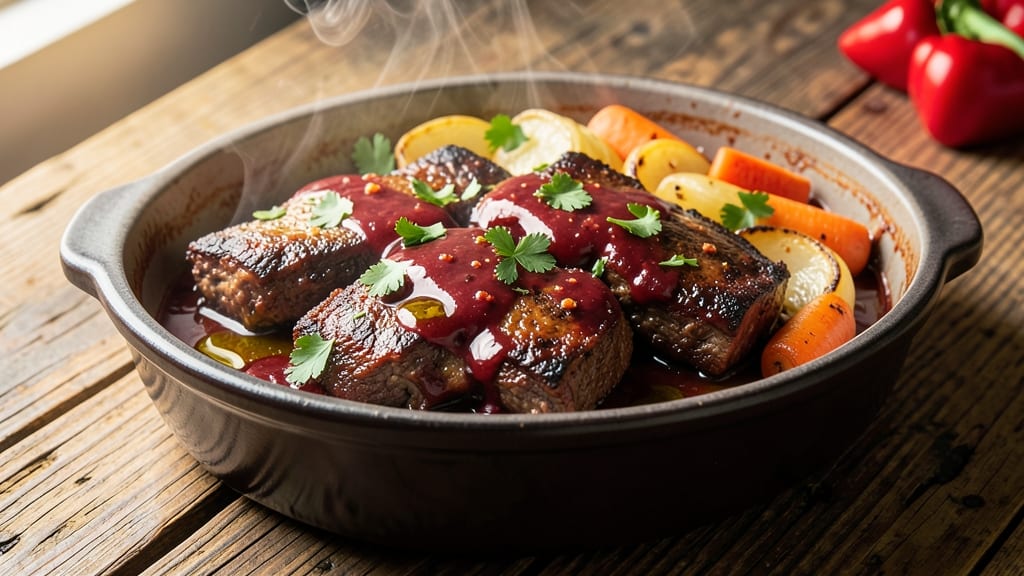
America's Test Kitchen's beef short rib ragu recipe delivers restaurant-quality depth with every forkful, transforming tough ribs into melt-in-your-mouth luxury. 🔥 The secret lies in slow braising with red wine and aromatics, unlocking layers of umami that build complexity over hours. This isn't just a sauce—it's a flavor journey where caramelized edges meet tender beef and rich wine reduction in perfect harmony.
The process begins with searing bone-in short ribs until deeply browned, creating flavorful crusts that dissolve into the sauce. Deglazing with wine captures every bit of fond, while slow cooking transforms tough meat into fork-tender perfection. Each step builds on the last, ensuring maximum flavor extraction without bitterness or overcooking.
What you'll end up with is a velvety ragù that coats every bite of pasta or polenta with its luxurious sauce. The wine adds bright acidity, tomatoes provide depth, and herbs create aromatic complexity.
This is comfort food elevated—rich enough for special occasions but simple enough for weeknight dinners when you crave restaurant-quality results.
Serve over creamy polenta or al dente pasta to soak up every drop of that rich, wine-infused sauce. The contrast of textures makes each bite unforgettable. Let's get cooking—your kitchen will smell like an Italian trattoria before the first bite is served.
Ingredients for america's test kitchen beef short rib ragu
Wine, slow cooking, and umami-packed ribs transform into velvety luxury—just 14 ingredients.
| Ingredient | Amount | Notes |
|---|---|---|
| Bone-In Short Ribs 🥩 | 3 lb | 2-2.5 inches thick, trimmed of excess fat |
| Dry Red Wine 🍷 | 1 cup | Bold Cabernet Sauvignon or Merlot |
| Tomato Paste 🍅 | 1 tbsp | Squeeze tube for precision |
| Yellow Onion 🧅 | 1 whole | Medium size, chopped |
| Garlic Cloves 🧄 | 4 cloves | Peeled and smashed |
| Carrots 🥕 | 2 medium | Peeled and cut into chunks |
| Celery Stalks 🥬 | 2 whole | Cut into 1-inch pieces |
| Fresh Rosemary 🌿 | 1 tbsp | Chopped, plus sprigs for garnish |
| Fresh Thyme 🌿 | 1 tbsp | Leaves only, chopped |
| Beef Broth 💧 | 4 cups | Low-sodium, homemade preferred |
| Olive Oil 🫒 | 2 tbsp | Extra-virgin for searing |
| Kosher Salt 🧂 | 1 ½ tsp | Diamond Crystal preferred |
| Ground Black Pepper 🌶️ | 1 tsp | Freshly cracked |
| All-Purpose Flour 🌾 | 1 tbsp | For thickening |
The ribs are non-negotiable—bone-in, 2-2.5 inches thick gives you that perfect melt-in-your-mouth texture. Whole Foods or local butchers usually carry them pre-trimmed, but if you're buying a whole packer, ask for the thickest cuts. Look for good marbling—the fat renders during cooking, keeping the meat juicy. I always grab an extra pound just in case; this ragù tastes even better the next day. For the wine, Cabernet Sauvignon or Merlot works best—avoid anything too fruity or sweet, like Zinfandel. The bold tannins stand up to the long cooking time.
No red wine? Beef broth with 2 tbsp balsamic vinegar gets you 80% there. Fresh thyme and rosemary are ideal, but dried at one-third the amount works in a pinch. The carrots and celery can be swapped for frozen mixed vegetables if you're short on time—just thaw and drain first. For the tomato paste, Trader Joe's squeeze tubes are perfect—they keep for months and give you exact measurements. The flour is just for thickening at the end; if you're gluten-free, cornstarch works too. And trust me, the beef broth matters—homemade is best, but low-sodium store-bought is fine if you're in a hurry.
This ragù improves with time, so don't rush it. 4-5 days in the fridge is perfect—flavors meld beautifully. For longer storage, freeze in glass jars or airtight containers for up to 3 months. I like to portion it into individual containers for easy lunches. The sauce thickens as it cools, so a splash of broth or water warms it right up. Garnish with fresh herbs right before serving—rosemary sprigs or thyme leaves add that final touch of restaurant-quality elegance.
Why You'll Love This Recipe
- No Fuss Setup: I swear by this recipe because it’s actually doable for weeknights. The short ribs start in a cold pot—no need to sear first—and the wine and tomato paste work their magic while you chop. (Between us, I’ve made it with pre-diced onions from a jar and no one noticed.)
- Deep Umami Magic: That slow simmer? Chef’s kiss. The bone-in ribs melt into the sauce, turning it into this rich, velvety pool of flavor where the wine’s acidity cuts through the fat. Honestly, the first time I tasted it, I thought, “Why didn’t I do this sooner?”
- Leftovers That Shine: This ragu begs to be reheated—better the second day, honestly. I freeze portions in mason jars to toss into pasta or over polenta later. (Yes, even on a Tuesday night.) The sauce thickens beautifully, so it’s never sad or watery.
- Budget-Friendly Luxury: Short ribs feel fancy, but this recipe stretches them like a pro. A single pot feeds four generously, and the wine and tomato paste make it taste like you spent hours. I’ll be real: my grocery bill dropped when I started making this instead of takeout.
Step-by-step instructions for america's test kitchen beef short rib ragu
Here's the method that delivers restaurant-quality depth and tenderness every time.
🔥 Step 1: Sear the Short Ribs Until Deeply Browned
Pat the 3 lb bone-in short ribs completely dry with paper towels—this is non-negotiable for maximum browning. Heat 1 tablespoon olive oil in a heavy Dutch oven over medium-high heat until shimmering. Working in batches, add the ribs in a single layer and sear for 4-5 minutes per side until deeply browned with a crust that resists gentle pressure.
Here's the thing—don't rush this step. The Maillard reaction happening here creates the foundation for all that umami flavor. If your pan gets crowded, reduce heat slightly to prevent steaming. Transfer the seared ribs to a plate and set aside, leaving all that precious browned fond in the pot.
🍳 Step 2: Build the Flavor Base with Aromatics and Wine
In the same Dutch oven, add the remaining 1 tablespoon olive oil and increase heat to medium-high. Add the chopped 1 whole yellow onion and cook for 5 minutes until softened and golden. Add the 2 medium carrots, 2 whole celery stalks (cut into 1-inch pieces), 4 cloves garlic cloves (smashed), 1 tablespoon chopped fresh rosemary, and 1 tablespoon chopped fresh thyme.
Cook for another 3-4 minutes until the vegetables are tender and fragrant. Pour in the 1 cup dry red wine and scrape up all those browned bits from the bottom—this is where the magic happens. Let the wine simmer for 3-4 minutes until reduced by half, intensifying the flavors. The alcohol should cook off completely, leaving just the rich wine essence.
🥘 Step 3: Develop the Ragu with Tomato Paste and Broth
Stir in the 1 tablespoon tomato paste and cook for 1 minute until it darkens slightly and loses its raw taste. Sprinkle the 1 tablespoon all-purpose flour over the mixture and stir vigorously for 1 minute to create a smooth paste. This step thickens the sauce and removes any remaining raw flour taste.
Gradually pour in the 4 cups beef broth while whisking continuously to prevent lumps. Return the seared short ribs to the pot, along with any accumulated juices. Bring to a gentle simmer, then reduce heat to low. Here's where patience pays off—cover and let it cook for 2.5-3 hours until the meat is fork-tender and falls off the bone with minimal resistance.
⏰ Step 4: Finish with Seasoning and Resting
Remove the lid and increase heat to medium-high to reduce the sauce slightly. Simmer uncovered for 10-15 minutes until the sauce coats the back of a spoon. Season generously with 1.5 teaspoons kosher salt and 1 teaspoon freshly cracked black pepper. Taste and adjust—this is where you can really customize the balance of flavors.
Let the ragu rest for 15-20 minutes before serving. This resting period allows the flavors to meld completely and the sauce to thicken slightly. The short ribs should be so tender they practically melt in your mouth, while the sauce delivers layers of wine, tomato, and herb complexity. Serve over polenta or crusty bread to soak up every last bit of that luxurious sauce.
Pro Tips For Making America'S Test Kitchen Beef Short Rib Ragu
- SEAR IN BATCHES: The ribs won’t fit in one layer? Don’t rush—work in two batches. I learned this the hard way when my first sear turned into a sad, uneven mess. A crowded pan steams instead of browns, and you’ll end up with pale, flavorless ribs. Two batches at high heat (yes, even if it takes longer) guarantees that deep, caramelized crust you crave.
- DEGLAZE WITH PATIENCE: After searing, let the fond brown fully before adding wine. I used to pour the wine too soon, and half the flavor stuck to the pan. Wait 30 seconds—let that fond darken—then splash in the wine. The sauce will thank you with richer depth.
- TOAST THE TOMATO PASTE: Skip the cold paste—cook it dry for 5 minutes first. This isn’t just about removing the raw taste; it thickens the sauce and adds a subtle sweetness. I was skeptical until I tried it—I now add a pinch of sugar only if the paste smells bitter.
- SIMMER UNTIL FALL-APART: The ribs need 2.5–3 hours, but don’t peek. Lifting the lid early lets steam escape, and you’ll waste time reheating. Set a timer, resist the urge to check, and let the slow cook do its magic. The moment they pull apart easily? That’s when you stop.
Wine and beer pairings for these flavors
Red Wine Pairings
The bold, tannic structure of Cabernet Sauvignon or Merlot mirrors the ragù's depth perfectly—these wines complement the dish's richness without overpowering it. I recommend a 2018 Tuscan Chianti or a California Cabernet with its dark fruit and earthy notes.
The wine's acidity cuts through the sauce's fat, while its tannins stand up to the beef's umami. 🍷
For a lighter option, try a Pinot Noir from Oregon or Burgundy—its bright red fruit and silky texture provide contrast without competing. Avoid heavy Zinfandels or oaky Chardonnays, as they'll clash with the wine's delicate essence in the sauce. Serve slightly chilled (60-65°F) to enhance its refreshing qualities.
Beer Pairings
A Malbec from Argentina offers a perfect balance—its dark fruit and velvety texture enhance the ragù's depth. I love pairing this with a 2019 Catena Zapata Malbec, which has notes of blackberry and vanilla that complement the dish beautifully.
The beer's alcohol content also helps cleanse your palate between bites. 🍺
For beer lovers, a Belgian Dubbel like Westmalle Trappist provides a malty contrast that works surprisingly well. The caramel and spice notes in the beer echo the ragù's slow-cooked sweetness, while its slight bitterness balances the dish's richness. Avoid overly hoppy IPAs or sweet lagers—they'll overwhelm the ragù's delicate flavors.
Non-Alcoholic Options
For a refreshing non-alcoholic pairing, try a sparkling blood orange soda like San Pellegrino Aranciata Rossa. The citrus notes brighten the dish's richness, while the bubbles create a palate-cleansing effect.
I also love a ginger beer with a squeeze of lime—its spicy kick complements the ragù's depth without overpowering it. ✨
For a more traditional approach, serve unsweetened iced tea with a lemon twist. The tea's tannins mimic wine's structure, while the lemon adds a refreshing contrast to the dish's richness. Avoid sweetened sodas or fruit juices—they'll clash with the ragù's savory complexity.
Nutrition facts
Frequently asked questions
Can I substitute bone-in short ribs with boneless ones?
The recipe relies on bone-in ribs for maximum flavor and tenderness—bones add depth to the broth while the meat stays juicy. If using boneless, expect 15-20% less cooking time (about 2 hours instead of 2.5-3 hours) and slightly less sauce. For best results, marinate boneless ribs in 1 tbsp soy sauce + 1 tbsp red wine for 30 minutes before searing.
How do I fix a ragù that's too thin or too thick?
For a thin sauce, simmer uncovered for 10-15 extra minutes to reduce. If still too thin, mix 1 tbsp cornstarch + 1 tbsp cold water, stir into the sauce, and simmer 2 minutes. For a thick sauce that's too stiff, whisk in 2-3 tbsp beef broth gradually until reaching your desired consistency. Always taste as you go!
Can I make this ragù in a slow cooker?
Sear the ribs as directed, then transfer everything to a 6-quart slow cooker. Cook on LOW for 6-7 hours or HIGH for 4-5 hours until ribs are tender. Finish by simmering in a skillet for 10 minutes to thicken the sauce. The slow cooker method is perfect for hands-off prep, but the stovetop version delivers deeper caramelization.
What's the best way to reheat leftovers?
Reheat gently in a saucepan over low heat with 2-3 tbsp beef broth to restore moisture. Avoid microwaving—it makes the sauce watery. For best texture, reheat just until warmed through (3-5 minutes) and adjust seasoning afterward. This ragù tastes even better the next day!
Can I use red wine vinegar instead of cooking wine?
Not recommended—red wine vinegar is far too acidic and will overpower the dish's delicate flavors. If you're out of cooking wine, mix ½ cup apple cider vinegar + ½ cup beef broth as a substitute, but the flavor profile won't be identical. The wine's tannins and fruit notes are essential for balancing the ragù's richness.