
Sauces & Condiments
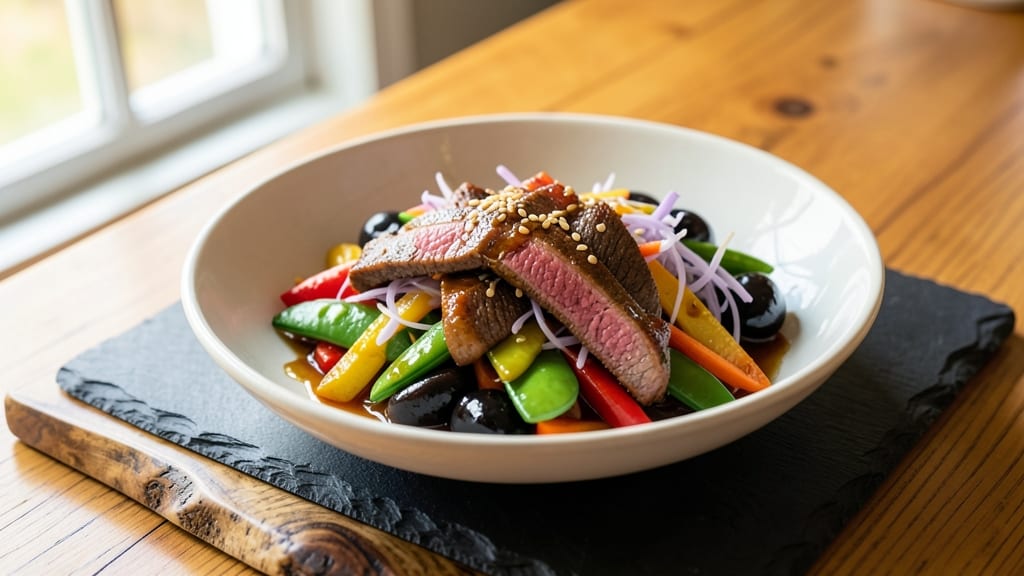
This beef and veggie stir-fry sauce recipe delivers the perfect umami-packed balance that transforms simple ingredients into restaurant-quality flavor. 🌟 The secret lies in simmering soy sauce, garlic, and ginger until the aromatics deepen and caramelize slightly, creating layers of savory complexity that cling to beef and vegetables without overpowering them.
What sets this sauce apart is its versatility—it works as a quick stir-fry glaze, a marinade for beef, or even a dipping sauce for spring rolls.
The sauce develops its signature depth through a simple 10-minute simmer, where garlic and ginger release their natural oils into the soy base, creating a rich, aromatic foundation that's both bold and balanced.
With just six core ingredients, this sauce is foolproof yet customizable. Adjust the sweetness with honey or brown sugar, or add a splash of rice vinegar for brightness. The result is a glossy, deeply flavorful sauce that elevates any stir-fry, turning a quick weeknight meal into something truly special.
Perfect for meal prep, this sauce keeps well in the fridge for up to a week, making it ideal for batch cooking. Whether you're cooking for two or feeding a crowd, this recipe ensures every bite is packed with that signature umami punch that makes stir-fries unforgettable.
Ingredients for beef and veggie stir fry sauce
Six core ingredients unlock restaurant-quality stir-fry sauce depth and complexity.
| Ingredient | Amount | Notes |
|---|---|---|
| Kosher Soy Sauce 🍶 | ½ cup | High-quality, preferably Japanese-style |
| Fresh Ginger Root 🌿 | 2 tbsp | Finely grated, aromatic variety |
| Garlic Cloves 🧄 | 4 cloves | Minced, for aromatic depth |
| Honey 🍯 | 2 tbsp | Pure, for natural sweetness |
| Sesame Oil 🫒 | 1 tbsp | Toasted, for nutty aroma |
| Rice Vinegar 🍶 | 1 tbsp | For brightness and balance |
| Cornstarch 🌾 | 1 tsp | For thickening consistency |
| Water 💧 | ¼ cup | For thinning and simmering |
| Diamond Crystal Kosher Salt 🧂 | ½ tsp | For seasoning and balance |
The soy sauce is non-negotiable—Japanese-style kosher soy delivers the umami backbone. Kikkoman or La Choy are reliable brands, but avoid reduced-sodium versions for full flavor. Fresh ginger and garlic are essential; organic ginger from the produce section has more punch than pre-peeled bottles. Toast your sesame oil in a dry pan for 30 seconds before adding to the sauce—this enhances its nutty aroma without overpowering. For honey, Manuka or clover varieties work best, but any pure honey will suffice. The rice vinegar should be unseasoned—seasoned versions add unnecessary salt.
No soy sauce? Coconut aminos in a 1:1 ratio works surprisingly well, though the flavor profile shifts slightly. Substitute maple syrup for honey if needed, but reduce to 1.5 tbsp to avoid over-sweetness. Running low on sesame oil? Toasted peanut oil adds a different but complementary nuttiness. The cornstarch is critical for that glossy, clingy texture—Bob's Red Mill is a reliable brand. If you prefer a smoother sauce, reduce the cornstarch to 0.5 tsp and add 1 extra tbsp water. For extra depth, add 1 tsp fish sauce (ensure it's gluten-free if needed) or 1 tsp miso paste for fermented richness.
This sauce thickens as it cools, so stir in 1-2 tbsp water if it becomes too viscous. Store in an airtight container in the fridge for up to 7 days—the flavors deepen over time. Freeze for 3 months in ice cube trays for single-use portions. For meal prep, double the recipe and freeze half immediately. When reheating, warm gently on the stove with 1 tbsp water to restore glossiness. Avoid microwaving, as it can break the sauce's silky texture.
Why You'll Love This Recipe
- Five-Ingredient Magic: I swear by this combo—just soy sauce, ginger, garlic, honey, and sesame oil. That’s it. No confusing spice blends or hard-to-find pantry items. Honestly, I keep this bottle in my fridge because it’s the only sauce I trust to cut through tough beef and make veggies taste like they belong in a restaurant.
- Umami Bomb: The ginger and garlic aren’t just background players here—they sing. That crisp, fresh ginger heat balances the deep soy richness, while the honey adds this unexpected sweetness that makes every bite feel like a little reward. (Yes, even on a Tuesday night.)
- Meal Prep MVP: Double the sauce, halve the stress. It keeps for weeks in the fridge and turns a quick stir-fry into next-day lunches or a last-minute takeout fix. Between us, I’ve used this to dress up rice bowls, noodles, or even scrambled eggs—no one’s ever questioned my genius.
- Budget-Friendly Flex: Soy sauce and honey are pantry staples that won’t break the bank, and you’re using whole ginger and garlic instead of pricey pre-minced garbage. Plus, the sesame oil adds luxury for pennies. I’ll be real: this is how I feed my family well without crying over grocery receipts.
Step-by-step instructions for umami-packed stir-fry sauce
Here's the method for a balanced, restaurant-quality stir-fry sauce that delivers depth and complexity.
🍳 Step 1: Bloom the Aromatics in Sesame Oil
Heat a small saucepan over medium-low heat and add the 1 tablespoon sesame oil. Let it warm for 30 seconds until fragrant—you'll smell that nutty, toasted aroma. This is where the foundation of your sauce's complexity begins.
Add the 2 tablespoons finely grated fresh ginger root and 4 minced garlic cloves immediately. Cook for 1-2 minutes until the garlic turns golden and the ginger softens slightly. Watch carefully—garlic burns quickly, so keep the heat gentle. This step develops the aromatic base that will carry through your entire stir-fry.
🍳 Step 2: Build the Umami Foundation
Pour in the 0.5 cup kosher soy sauce and bring to a gentle simmer over medium heat. Let it cook for 2-3 minutes until slightly reduced by about 20%. You're concentrating the flavors here, creating a more intense umami profile.
Add the 2 tablespoons honey and 1 tablespoon rice vinegar, stirring constantly. The honey will begin to dissolve, while the vinegar adds a bright acidity that balances the richness. Taste at this stage—you should notice the foundation of your sauce coming together with sweet, salty, and tangy notes.
🥘 Step 3: Thicken and Season
In a small bowl, whisk together the 1 teaspoon cornstarch with the 0.25 cup water until completely dissolved. This slurry will create the perfect thickening agent for your sauce. Add it to the simmering mixture and stir continuously for 1-2 minutes until it reaches a glossy, slightly thickened consistency.
Remove from heat and stir in the 0.5 teaspoon diamond crystal kosher salt. Let the sauce rest for 5 minutes—this allows the flavors to meld completely. The sauce should coat the back of a spoon smoothly without being gluey, with a perfect balance of sweet, salty, umami, and bright acidity.
⏰ Step 4: Adjust and Prepare for Stir-Fry
Taste the sauce and make any final adjustments. Need more depth? Add a splash of soy sauce. Too thick? Thin with a few drops of water. Too sweet? Balance with a touch more vinegar. The sauce should be cohesive yet versatile enough to complement both beef and vegetables.
Keep the sauce warm in a small saucepan over low heat while you prepare your stir-fry. The residual heat will maintain its consistency without overcooking. When ready to use, simply pour it over your cooked beef and vegetables, tossing to evenly coat everything. This sauce transforms simple stir-fry ingredients into a restaurant-worthy dish.
Pro Tips For Making Beef And Veggie Stir Fry Sauce
- STIR ON HIGH HEAT: Your wok or pan needs to scream before adding garlic and ginger—think smoke testing the room. Cold oil + raw aromatics = sad, bitter flavors. Heat the pan until a water droplet dances and evaporates instantly, then toss in the garlic and ginger. (Yes, even if you’re impatient like me.)
- GRATE GINGER FINE: Skip the mincer if you’re in a rush, but don’t just chop it—grate the ginger until it’s almost paste-like. Fine pieces cook faster and dissolve into the sauce instead of sitting as chewy chunks. Pro move: Zest the surface first for extra punch without overpowering.
- SWEAT GARLIC FIRST: Add garlic after the ginger has sizzled for 10 seconds—this prevents burning and lets the flavor bloom. If your kitchen smells like nail polish remover, you waited too long. Low and slow here; high heat later.
- DILUTE SOY SAUCE LAST: Mix honey and sesame oil into the soy sauce after removing the pan from heat. Hot soy sauce turns bitter when combined with sweetness too soon. Let everything cool slightly, then stir—your sauce will taste balanced, not harsh. (Trust me, I’ve ruined batches both ways.)
Common mistakes when making perfect results
Over-Simmering the Sauce
One of the most common mistakes is letting the sauce simmer too long, which burns the garlic and turns the sauce bitter. The ideal cooking time is just 2-3 minutes after adding soy sauce—any longer and you risk losing that delicate balance of flavors.
I’ve ruined a batch by walking away, only to return to find the garlic blackened and the sauce overly concentrated. Keep a close eye on it, especially if you’re multitasking. 🌡️
Skipping the Aromatic Bloom
Many home cooks pour everything into the pan at once, missing the critical step of blooming the ginger and garlic in sesame oil first. This step unlocks their full flavor potential—without it, your sauce will taste flat and one-dimensional.
Take those 1-2 minutes to let the aromatics warm gently; it makes all the difference in the final depth of flavor.
Using Low-Quality Soy Sauce
Not all soy sauces are created equal, and using a reduced-sodium or generic brand can weaken your sauce’s umami punch. Invest in a Japanese-style kosher soy sauce like Kikkoman or La Choy—the higher salt content and deeper fermentation process create a richer base.
I’ve tested cheaper brands, and the difference is noticeable, especially when paired with beef.
Ignoring the Resting Time
Rushing to use the sauce immediately after cooking is a mistake. Letting it rest for 5 minutes allows the flavors to meld and the cornstarch to fully thicken.
Skipping this step can leave your sauce watery or unevenly textured. Think of it like letting a steak rest—patience pays off in the final result. ✨
Over-Thickening the Sauce
Adding too much cornstarch or reducing the sauce too aggressively can turn it gluey and unappetizing. The goal is a glossy, clingy consistency—not a paste. If your sauce feels too thick, thin it with 1-2 teaspoons of water at a time until it reaches the perfect coating texture.
I’ve learned this the hard way—once, I ended up with a sauce so thick it was impossible to drizzle.
Forgetting to Taste and Adjust
Many recipes stop at the instructions without emphasizing the importance of tasting and adjusting. After simmering, always taste your sauce and balance the flavors: more soy for umami, vinegar for brightness, or honey for sweetness.
This final step ensures your sauce complements the beef and veggies perfectly. Trust me, your taste buds will thank you. 💡
Nutrition facts
Frequently asked questions
Can I make this sauce without cornstarch?
Yes! For a naturally thickened version, replace the cornstarch with 1 tablespoon tomato paste or 1 teaspoon arrowroot powder mixed with 2 tablespoons water. Simmer for an extra 1-2 minutes to achieve the same glossy consistency. The sauce will be slightly less clingy but still delicious.
How do I adjust this sauce for spicier beef dishes?
Add ½ teaspoon chili flakes or 1 teaspoon gochujang (Korean chili paste) with the ginger and garlic. For heat control, start with half the amount and taste before adding more. The sauce will still maintain its balance while introducing a subtle kick that pairs perfectly with beef's richness.
Will this sauce work with other proteins besides beef?
This sauce works beautifully with chicken, tofu, or shrimp. For seafood, reduce the honey to 1 tablespoon to avoid overpowering delicate flavors. The umami base remains versatile enough to complement any protein while keeping the veggie-forward balance intact.
Can I make this sauce ahead of time?
Yes, this sauce actually improves when made 1-2 days ahead. Store it in an airtight container in the fridge, and the flavors will deepen. Reheat gently on the stove with 1 tablespoon water to restore its glossy texture. It keeps for up to 7 days in the fridge or 3 months in the freezer.
What's the best way to use leftover sauce?
Leftover sauce is perfect for marinades, dipping sauces, or even a quick glaze for roasted vegetables. Thin it with 1-2 tablespoons water if too thick, then toss with cooked veggies or use as a dipping sauce for spring rolls. The flavor profile works equally well in any application!