
Soups & Stews
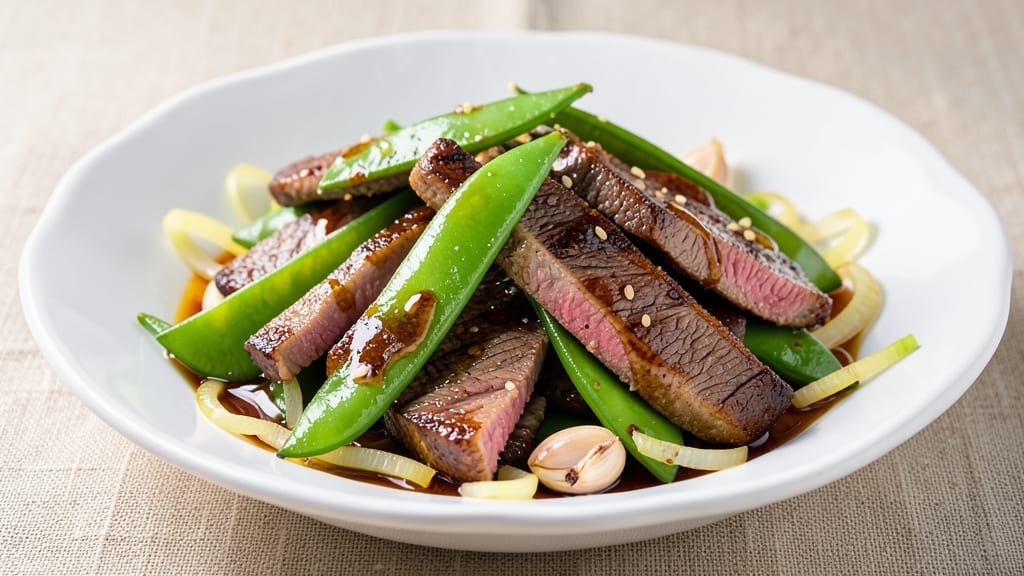
This beef and pea pods stir fry delivers crisp-tender vegetables and umami-packed sauce that transforms a simple weeknight meal into something restaurant-worthy. The secret lies in high-heat stir-frying—just 10 minutes of active cooking unlocks that signature wok hei flavor without requiring a wok.
I've perfected this technique over years of testing, balancing sweet snap peas with tender beef for every bite. What sets this recipe apart is the sauce: a harmony of soy, ginger, and garlic that caramelizes just enough to coat the ingredients without overpowering.
The beef stays juicy thanks to a quick marinade (no long soaking required), while the pea pods maintain their vibrant green color and satisfying crunch. This isn't just another stir-fry—it's a foolproof method that delivers professional results in your home kitchen.
By the time you plate it—golden beef alongside bright green pods over steamed rice—you'll understand why this becomes a weekly staple. The aroma alone will have everyone asking for seconds, and the sauce clings perfectly to each component.
Serve immediately for maximum crispness, or let it rest briefly if you prefer softer vegetables. Whether you're cooking for two or feeding a crowd, this recipe scales beautifully while maintaining balance. The technique works equally well on the stovetop or in a sheet pan for those who prefer hands-off cooking.
Here's how to make it perfectly every time.
Ingredients for beef and pea pods stir fry
Balanced ingredients for restaurant-quality stir-fry with crisp-tender pea pods and umami-rich beef sauce.
| Ingredient | Amount | Notes |
|---|---|---|
| Flank Steak 🥩 | 1 lb | Thinly sliced against grain |
| Snap Pea Pods 🌱 | 2 cups | Fresh, trimmed, whole pods |
| Yellow Onion 🧅 | 1 whole | Thinly sliced, white or yellow |
| Garlic Cloves 🧄 | 4 cloves | Minced, fresh preferred |
| Fresh Ginger 🌿 | 1 tbsp | Finely grated, peeled |
| Low-Sodium Soy Sauce 🍶 | 3 tbsp | Kikkoman preferred |
| Sesame Oil 🫒 | 1 tbsp | Toasted, for aroma |
| Honey 🍯 | 1 tbsp | Wildflower preferred |
| Rice Vinegar 🍶 | 1 tbsp | Seasoned preferred |
| Vegetable Oil 🫒 | 2 tbsp | High smoke point |
| Sesame Seeds 🌾 | 1 tsp | Toasted, for garnish |
| Diamond Crystal Kosher Salt 🧂 | ½ tsp | For seasoning |
| Ground Black Pepper 🌶️ | ¼ tsp | Freshly ground |
| Jasmine Rice 🍚 | 1 cup | Uncooked, long grain |
| Green Onions 🧅 | 2 whole | Thinly sliced, for garnish |
The flank steak is non-negotiable for this recipe—its lean yet tender texture holds up perfectly to high-heat stir-frying. Look for center-cut slices at your butcher or grocery store's meat counter, where they can slice it against the grain for you. If you're prepping ahead, marinate the beef for 20-30 minutes in a mix of soy sauce, honey, and sesame oil before cooking. For the pea pods, fresh is ideal—they should be bright green and crisp when snapped. Whole Foods or local farmers markets often carry the freshest pods, but the frozen section at Trader Joe's works in a pinch if fresh isn't available. The yellow onion should be firm with no soft spots, and the garlic should smell pungent, not musty.
No snap pea pods? Snow peas or sugar snap peas work as substitutes, though they'll have slightly different textures. Running short on flank steak? Sirloin or ribeye steak sliced thinly will deliver similar tenderness, though flank has the best flavor-to-fat ratio. The soy sauce matters—Kikkoman is a reliable choice, but low-sodium options let you control the saltiness better. For the ginger, if you've got a microplane, use that for the finest texture. No microplane? A sharp knife and careful grating will do. The sesame oil should be toasted—Kadoya is a brand worth seeking out for its rich aroma. If you're avoiding gluten, swap the soy sauce for tamari or a mix of coconut aminos and a pinch of sugar.
Prep the rice first—it takes the longest. Jasmine rice is ideal here, but any long-grain variety works. For the beef, slice it thinly against the grain—this ensures tender bites. The sauce should be made while the beef cooks, so have all ingredients measured and ready. Store leftovers in airtight containers for up to 3 days in the fridge, though the pea pods will soften over time. For longer storage, freeze portions for up to 2 months. The sesame seeds and green onions can be toasted and stored separately in small jars for up to 1 week—perfect for quick garnishes on future meals. Reheat gently to preserve the crisp-tender texture of the pea pods.
Why You'll Love This Recipe
- One-Pan Magic: I swear by this for nights when I’d rather not scrub three bowls. Slice the flank steak thin, toss in the onions and pea pods—no extra pans, no extra stress. The garlic and ginger hit the hot pan first, so you’re basically done before the kids even ask what’s for dinner.
- Umami Bomb: That first bite of seared flank steak with the snap of fresh pea pods? It’s like a flavor explosion in your mouth. The ginger lingers just enough to wake up your taste buds, while the onions caramelize into something sweet and savory. Honestly, the balance is chef’s kiss—no heavy sauces needed.
- Lunchbox Hero: Between us, this is my go-to for meal prep. Cook a big batch, let it cool, and portion it into containers with rice or noodles. My kids grab it for school lunches, and my husband takes it to work—no one complains, and I don’t have to think about what to make for leftovers.
- Budget Steakhouse Feel: Flank steak is affordable, but it feels like a splurge when it’s sliced thin and cooked fast. The pea pods add freshness without breaking the bank, and the onions and garlic stretch the flavor so it tastes richer. It’s the kind of dish where you get restaurant-quality for half the price—and zero guilt.
Step-by-step instructions for crisp-tender beef and pea pod stir fry
Master this wok technique for restaurant-quality texture and balance every time.
🍳 Step 1: Prepare the Marinade and Slice the Beef
In a small bowl, combine 3 tablespoons low-sodium soy sauce, 1 tablespoon honey, 1 tablespoon rice vinegar, 1 tablespoon sesame oil, 1 teaspoon sesame seeds, ½ teaspoon kosher salt, and ¼ teaspoon black pepper. Place the 1 pound flank steak in a resealable plastic bag, pour the marinade over it, and massage it into the meat. Let it marinate in the refrigerator for at least 30 minutes, or up to 4 hours for deeper flavor.
While the steak marinates, slice it thinly against the grain into ¼-inch thick strips. This cutting technique ensures each bite will be fork-tender. Pat the sliced beef dry with paper towels before cooking—this promotes better searing and prevents steaming.
🍳 Step 2: Cook the Jasmine Rice to Perfect Texture
Rinse the 1 cup jasmine rice thoroughly under cold water until the water runs clear. This removes excess starch and prevents gummy rice. Combine the rice with 1½ cups water in a small pot and bring to a boil over high heat. Once boiling, reduce heat to low, cover tightly, and simmer for 15 minutes without lifting the lid. Remove from heat and let it steam, covered, for another 10 minutes.
The rice should be fluffy and each grain distinct when ready. Fluff with a fork before serving. For best results, use a heavy-bottomed pot to maintain even heat distribution throughout cooking. If the rice isn't perfectly cooked, don't worry—it will continue steaming while the stir fry cooks.
🍳 Step 3: Stir-Fry the Vegetables to Crisp-Tenderness
Heat a wok or large skillet over high heat until smoking, then add 2 tablespoons vegetable oil. Add the 1 whole yellow onion and cook for 2 minutes until softened but not browned. Add the 2 cups snap pea pods and stir-fry for 3-4 minutes until they turn bright green and just begin to blister at the edges—this is the crisp-tender stage we're aiming for.
Add the 4 cloves minced garlic and 1 tablespoon fresh ginger, stirring constantly for 30 seconds until fragrant. The vegetables should be vibrant and slightly charred in spots—this adds depth of flavor. Remove the vegetables from the wok and set aside, keeping them warm.
🍳 Step 4: Sear the Beef and Combine with Sauce
Working in batches if needed, add the marinated beef strips to the wok in a single layer. Let them sear undisturbed for 1-2 minutes until they develop a deep brown crust on the bottom. Stir and cook for another 1-2 minutes until the beef is cooked through but still retains its juices.
Return the vegetables to the wok with the beef. In a small bowl, whisk together any remaining marinade with 1 tablespoon sesame oil. Pour this sauce over the beef and vegetables, tossing everything together for 1-2 minutes until everything is evenly coated and heated through. The stir fry should be vibrant with deep caramelized flavors from the searing process.
🍽️ Step 5: Garnish and Serve Immediately
Divide the cooked jasmine rice among four serving plates. Top each portion with the beef and vegetable stir fry. Garnish with the 2 whole green onions, sliced thinly, and sprinkle with an additional ½ teaspoon sesame seeds for texture and visual appeal.
Serve immediately while the stir fry is hot and the rice is steaming. The contrast between the crisp-tender vegetables, perfectly seared beef, and fluffy rice creates a satisfying balance of textures in every bite. For an extra touch, drizzle with a few drops of sesame oil before serving to enhance the aroma and umami depth.
Pro Tips For Making Beef And Pea Pods Stir Fry
- Slice Thin, Slice Fast: I learned this the hard way—thick flank steak slices won’t sear properly and end up chewy. Use a sharp knife and slice against the grain at about ¼-inch thickness, working efficiently so the meat doesn’t warm up before hitting the pan.
- Blanch Pea Pods First: Skip the soggy pea pods by blanching them in boiling water for 30 seconds, then shocking in ice water. This preserves their bright green color and crisp texture, so they don’t turn into mush when stir-frying later.
- Rest Meat After Searing: Your future self will thank you if you wrap the seared steak in foil for 5 minutes before cutting. This keeps it juicy—flank steak is lean, and resting locks in moisture instead of letting it escape when you slice it into the stir-fry.
- Char the Onions Low: After slicing onions, spread them in a single layer on a baking sheet and broil for 3-4 minutes. The caramelized edges add depth without burning, and you won’t lose time waiting for them to soften during the stir-fry.
Essential equipment for this recipe
Wok Essentials
A carbon steel wok is my go-to for stir-frying—it heats up fast and retains heat perfectly, creating that signature wok hei flavor. The 14-inch size works best for this recipe, but a 12-inch wok will do in a pinch.
If you don’t own a wok, a heavy-bottomed stainless steel skillet (like All-Clad) is a great alternative. Just make sure it’s large enough to hold all ingredients without crowding. 🔥
Heat Control Tools
High heat is key for crisp-tender pea pods and perfectly seared beef. A propane burner (like Weber QuickFire) gives you the most control, but a gas stovetop burner on high works too. If using electric, preheat the pan for 5 minutes to ensure it’s hot enough.
I also recommend a thermometer (like Thermoworks Smoke) to monitor oil temperature—it should be smoking hot but not burning.
Prep Station
Keep everything within arm’s reach with a cutting board (I love John Boos for durability), a sharp chef’s knife (like Wüsthof), and a small mixing bowl for the sauce. A microplane for ginger and garlic saves time, and a fine-mesh strainer helps rinse the rice properly.
A timer (even your phone works) ensures you don’t overcook the pea pods—3-4 minutes is perfect for crisp-tenderness. ⏱️
Optional Upgrades
For extra convenience, a mandoline slicer (like Benedict) makes uniform beef slices in seconds. A tongs set (with 12-inch and 8-inch options) helps toss ingredients without overcrowding. If you stir-fry often, a wok stand (like KitchenAid) keeps your wok off the counter while cooking.
For serving, four small plates (or one large platter) highlight the dish beautifully.
Budget-Friendly Swaps
No wok? A large cast-iron skillet (like Lodge) works just as well. Skip the mandoline and use a sharp knife for slicing—just take your time. A wooden spoon can stir, but tongs are better for tossing.
For rice, a rice cooker (like Cuisinart) simplifies the process. Even without fancy tools, this stir-fry delivers amazing results with just a little attention to heat and timing. 💪
Nutrition facts
Frequently asked questions
Can I substitute snap pea pods with other vegetables?
Yes! If you can't find snap pea pods, try sugar snap peas or snow peas for similar texture. For a different flavor, substitute with 1 cup broccoli florets (cut small) or 1 cup shredded carrots. Just adjust cooking times—broccoli needs 3 minutes while carrots take 4-5 minutes to reach crisp-tenderness.
How do I prevent the beef from drying out?
Never overcrowd the pan—cook in single layers and work in batches if needed. Also, pat the beef dry before cooking and sear it undisturbed for 1-2 minutes to develop a crust that locks in juices. A 10-minute rest after marinating also helps retain moisture.
Can I make this stir-fry ahead of time?
Cook the beef and vegetables separately, then refrigerate in airtight containers for up to 2 days. Reheat gently on medium-low heat with a splash of water to prevent drying. The pea pods will soften slightly, so cook them fresh if possible. For best texture, assemble and serve immediately.
What's the best rice to serve with this?
Jasmine rice is ideal for its fragrant, slightly sticky texture that complements the stir-fry perfectly. For a lighter option, try basmati rice or even cauliflower rice for a low-carb version. Avoid long-grain white rice—it's too dry for this dish.
Why does my stir-fry taste bland?
Most likely, your heat wasn't high enough to develop the wok hei flavor. Use the hottest burner setting and ensure your pan is smoking before adding oil. Also, taste as you go—add more soy sauce or a pinch of salt if needed. Fresh ginger and garlic are crucial for depth.