
Soups & Stews
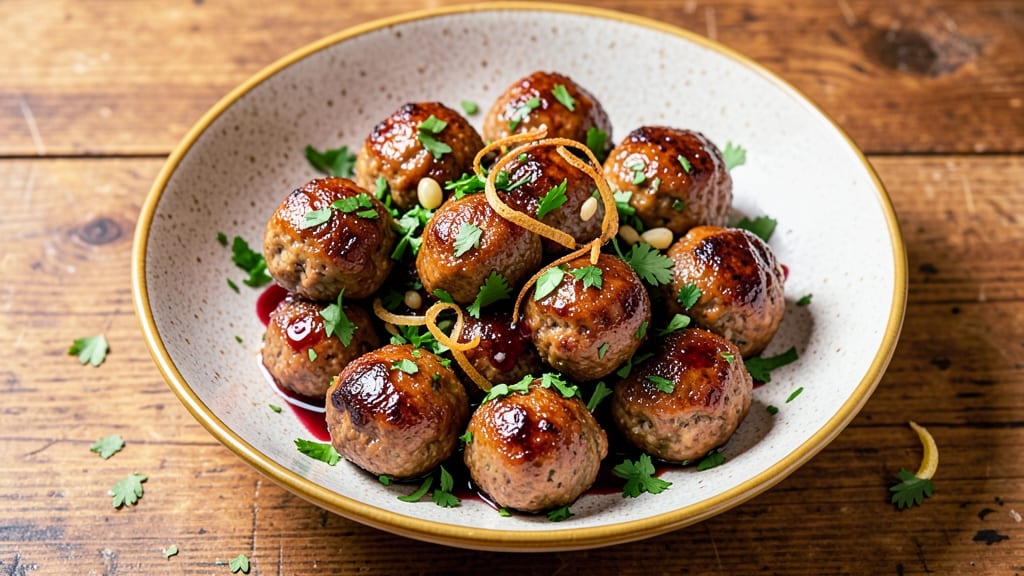
This beef and veal meatball recipe delivers restaurant-quality results with a perfect balance of herby depth and pan-seared richness that transforms ordinary weeknight dinners.
The combination of tender veal and flavorful beef creates meatballs that are juicy inside with a golden, crisp exterior—ideal for saucy dishes or serving as elegant appetizers. What sets this apart is the marinade technique, which infuses every bite with aromatic herbs and subtle acidity before cooking.
The secret lies in the 30-minute marinade using fresh parsley, garlic, and a touch of red wine, which enhances the meat's natural flavors without overpowering them.
Pan-searing the meatballs in a hot skillet ensures a crisp exterior while keeping the centers tender, a technique that elevates them beyond basic baking methods. This approach guarantees meatballs that hold their shape and deliver maximum flavor in every bite.
By following this method, you'll achieve meatballs that are rich, savory, and perfectly seasoned, ready to be paired with your favorite tomato sauce, marinara, or even a light balsamic glaze. The versatility of these meatballs makes them perfect for soups, pasta dishes, or as a standalone appetizer.
Whether you're feeding a family or hosting a dinner party, this recipe ensures impressive results with minimal effort.
For an added touch of sophistication, consider rolling the meatballs in breadcrumbs or grated parmesan before cooking to enhance their texture. The result is a dish that feels both comforting and refined, proving that homemade meatballs can rival any restaurant version.
Let's get started on creating these flavorful, tender meatballs that will become a staple in your cooking repertoire.
Ingredients for beef and veal meatball
Pan-seared richness meets herby depth in these restaurant-quality meatballs—just 13 ingredients for bold flavor.
| Ingredient | Amount | Notes |
|---|---|---|
| Ground Beef (80% lean) 🥩 | ¾ lb | Finely ground for texture |
| Ground Veal 🥩 | ½ lb | Finely ground, lean cut |
| Fresh Parsley 🌿 | ½ cup | Finely chopped, stems removed |
| Garlic Cloves 🧄 | 4 cloves | Minced for aromatic infusion |
| Red Wine 🍷 | ¼ cup | Bold, dry variety preferred |
| Extra-Virgin Olive Oil 🫒 | 2 tbsp | For pan-searing |
| Panko Breadcrumbs 🍞 | ½ cup | For texture enhancement |
| Parmesan Cheese 🧀 | ¼ cup | Freshly grated, fine |
| Large Egg 🥚 | 1 whole | For binding |
| Diamond Crystal Kosher Salt 🧂 | 1 ½ tsp | Adjust to taste |
| Freshly Ground Black Pepper 🌶️ | 1 tsp | Freshly cracked |
| Vegetable Oil 🫒 | 2 tbsp | For initial searing |
| All-Purpose Flour 🌾 | 2 tbsp | For dredging (optional) |
The ground beef and veal are the foundation, and quality matters here. Look for finely ground cuts at specialty butchers or high-end grocery stores like Whole Foods—the texture difference is noticeable. Fresh parsley should be vibrant green, not wilted, and Italian markets or farmers' markets often have the freshest batches. Red wine is non-negotiable for depth; Cabernet Sauvignon or Merlot work best, but any bold dry red will elevate the flavor. For the breadcrumbs, Panko creates a superior crispy exterior compared to regular breadcrumbs, though it's pricier. If you're using pre-grated Parmesan, sift it to remove any lumps—freshly grated from a block is ideal for that authentic flavor.
No red wine? Substitute beef broth with a splash of balsamic vinegar—it mimics the acidity and depth. Short on parsley? Fresh basil or cilantro work in a pinch, though parsley's earthy note is unique. For the binding agent, if you're avoiding eggs, 1 tbsp ground flaxseed mixed with 3 tbsp water replaces the egg perfectly. The optional flour dredge is for extra crispiness—skip it if you prefer a softer exterior. For the olive oil, extra-virgin adds a fruity note, while regular olive oil works for pure searing. If you're making these ahead, cook them fully and refrigerate—they reheat beautifully, with flavors deepening overnight.
Meatballs hold in the fridge for 3-4 days when stored airtight, and they freeze exceptionally well for up to 3 months. For freezing, portion them onto a tray first to prevent clumping, then transfer to a sealed container. Reheat gently in a skillet or oven until warmed through—microwaving can make them rubbery. The marinade ingredients (parsley, garlic, red wine) can be prepped a day ahead and stored in the fridge, saving you time on cooking day. If you're prepping for a crowd, double the batch—they're even better the next day as the flavors meld.
Why You'll Love This Recipe
- I swear by this combo: just toss the ground beef and veal together with chopped garlic and parsley—no food processor, no extra steps. The wine adds depth while I’m still chopping veggies for the sauce.
- Same meatballs, endless uses: toss in marinara for spaghetti, simmer in red wine sauce for pasta, or serve with crusty bread and a simple salad. Honestly, I’ve made these for date night and family gatherings—no one questions the menu.
Step-by-step instructions for beef and veal meatballs
Mastering these meatballs comes down to texture and technique—here's how to achieve perfect balance.
Combine Meat and Aromatics for Maximum Flavor
In a large mixing bowl, combine the 0.75 lb ground beef (80% lean) and 0.5 lb ground veal. The veal adds subtle sweetness while keeping the meatballs tender. Using your hands, gently mix in the 0.5 cup finely chopped fresh parsley and 4 minced garlic cloves, pressing the mixture lightly to distribute the aromatics evenly. Real talk: don't overwork the meat or you'll end up with dense, tough meatballs.
Add the 1.5 tsp Diamond Crystal kosher salt and 1 tsp freshly ground black pepper, rubbing the spices into the meat until fully incorporated. The salt should dissolve slightly into the mixture, indicating proper distribution. This step builds the flavor foundation—don't skip it.
Bind and Texture with Egg, Cheese, and Breadcrumbs
Create a well in the center of the meat mixture and add the 1 whole large egg, breaking it directly into the bowl. The egg acts as a binder, holding everything together while adding moisture. Gently fold the egg into the meat using a rubber spatula, being careful not to overmix.
Next, stir in the 0.5 cup panko breadcrumbs and 0.25 cup finely grated parmesan cheese. The panko adds texture while absorbing excess moisture, while the parmesan contributes umami depth. Mix just until combined—you should still see some visible flecks of meat. This ensures tender interiors with satisfying bite.
Form Uniform Meatballs for Even Cooking
Using slightly wet hands (dip in cold water and squeeze out excess), roll the mixture into 1.5-inch diameter meatballs—about 16 total for 4 servings. Wet hands prevent sticking and help maintain shape. Place them on a parchment-lined plate and refrigerate for 30 minutes while you prepare the cooking station.
This chilling step is crucial—it firms up the meatballs so they hold their shape during cooking. If you're short on time, at least let them rest for 15 minutes at room temperature. The difference in texture when cooked is noticeable.
Pan-Sear for Rich, Caramelized Crust
Heat 2 tbsp vegetable oil in a large skillet over medium-high heat until shimmering. Add the meatballs in a single layer, being careful not to overcrowd the pan. Cook for 4-5 minutes per side until they develop a deep golden brown crust—this is where the rich flavor develops.
For extra depth, add 2 tbsp extra-virgin olive oil and 2 tbsp all-purpose flour to the pan after removing the first batch of meatballs. Stir to form a light roux, then deglaze with 0.25 cup red wine, scraping up any browned bits. This creates a luxurious sauce to serve with the meatballs.
Finish with Herby Wine Sauce
Return all meatballs to the skillet and pour the wine reduction over them. Simmer for 2-3 minutes until the sauce thickens slightly and coats the meatballs. The wine should reduce by about half, intensifying its flavor. Taste and adjust seasoning if needed—this is your final chance to balance the flavors.
Serve immediately with the herby wine sauce spooned over the top. The meatballs should be juicy inside with a crisp exterior, and each bite should deliver layers of savory, herby, and slightly sweet flavors from the veal and wine combination.
Pro Tips For Making Beef And Veal Meatball
- Chill the Mix First: I learned this the hard way—skipping the fridge for 30 minutes means greasy, dense meatballs. The fat in beef and veal needs time to firm up so it renders properly, not pool in your pan. Pop that bowl in the fridge while you prep the rest; your future self will notice the difference when the meatballs brown instead of steam like sad meatloaf.
- Pulse the Garlic: Whole garlic cloves in meatballs? Nope. Use a food processor to pulse 3-4 cloves into a paste—this distributes flavor evenly without bitter chunks. I used to chop it fine, but the paste melts into the meat while cooking, giving you that deep, consistent garlic punch. (And yes, even if you're impatient like me.)
- Deglaze with Wine Early: Don’t wait until the meatballs are done to add the red wine—toss it in the pan after searing but before adding sauce. The alcohol burns off faster, and the wine’s acidity cuts through the richness of the beef and veal right from the start. Skip this, and you’ll end up with a sauce that tastes like it’s playing second fiddle to the meat.
- Handle the Parsley Roughly: Chop that parsley coarse—think ¼-inch pieces, not confetti. Fine herbs burn fast and turn bitter in the heat, while bigger pieces stay bright and add texture. I used to pulse it in the food processor for convenience, but the flavor was dull. A knife takes 30 seconds and makes a real difference. (Your future guests won’t even notice the extra effort.)
Make-ahead tips for beef and veal meatball
Prep Ahead
Assemble the meatball mixture up to 24 hours in advance and refrigerate uncovered for 30 minutes before rolling. This allows flavors to meld deeply while preventing sogginess. Store the shaped meatballs on a parchment-lined tray in the fridge for up to 12 hours—they'll hold their form beautifully.
Honestly, this is my favorite time-saver: the flavors develop overnight like a fine wine. 💫
Freezer-Friendly
Freeze uncooked meatballs by arranging them on a tray, then transferring to a ziplock freezer bag with parchment between layers. They'll keep for 3 months—thaw in the fridge overnight before cooking.
Pro tip: Cook straight from frozen in a cold skillet over medium-low heat, increasing to medium-high once browned. The gradual heat ensures even cooking without drying.
Sauce Prep
Make the herby wine sauce ahead by combining 0.25 cup red wine, 2 tbsp extra-virgin olive oil, and 1 tbsp tomato paste in a saucepan. Simmer for 5 minutes until slightly thickened, then cool completely.
Store in an airtight container for up to 5 days. Reheat gently before serving—it's perfect for tossing with pasta or spooning over grilled vegetables. ✨
Cooking Shortcuts
Skip the marinade step by mixing 1 tbsp red wine directly with the meat and aromatics. For even faster prep, use pre-minced garlic (found in the refrigerated section) and pre-chopped parsley from the salad bar.
I've done this on busy weeknights, and while fresh is better, these shortcuts still deliver great results. The key is keeping the meat cold until cooking to maintain texture.
Reheating Perfection
Reheat cooked meatballs in a skillet with 1 tbsp butter over medium heat for 3-4 minutes, adding 1 tbsp broth to prevent drying. Avoid microwaving—they'll turn rubbery.
For batch reheating, use a slow cooker on "warm" setting for 15 minutes**, stirring occasionally. The gentle heat keeps them moist while reactivating the crust. 🔥
Portion Control
Divide cooked meatballs into quart-sized ziplock bags with 2 tbsp sauce per serving for easy grab-and-go meals. Label with dates—they'll stay fresh for 3 days in the fridge. I pack these for lunches because they're hearty enough to stand alone or pair with crackers.
For extra convenience, freeze portions in single-serving bags and reheat just one at a time. This saves leftovers from sitting too long.
Nutrition facts
Frequently asked questions
Why mix beef and veal in these meatballs?
The combination creates a perfect balance—beef adds rich, hearty flavor while veal contributes subtle sweetness and tenderness. Veal's mildness prevents overpowering the delicate herbs, while beef ensures robust texture. This classic pairing is used in Italian and French cuisine for its depth of flavor without heaviness.
Can I bake these meatballs instead of pan-searing?
Yes, but you'll lose the crispy crust. Bake at 400°F for 18-20 minutes on a parchment-lined tray, flipping halfway. For extra browning, broil for 2-3 minutes at the end. The pan-searing method develops deeper caramelization, but baking works well for meal prep.
What's the best sauce pairing for these meatballs?
The herby wine sauce in the recipe is ideal, but you could also use classic marinara, creamy Alfredo, or even a balsamic reduction. For extra richness, try a brown butter sauce with sage. Avoid overly sweet sauces—the meatballs' natural flavors shine with bold, savory pairings.
How do I prevent meatballs from falling apart?
Under-mix the ingredients (just until combined) and avoid overworking the meat. Use cold hands when rolling, and don't skip the 30-minute chill before cooking. For extra stability, add 1 tbsp cornstarch to the breadcrumb mix. The egg and panko work together to bind properly when handled gently.
Can I make these meatballs gluten-free?
Replace panko with gluten-free breadcrumbs or crushed gluten-free crackers. Use a gluten-free flour blend for the optional dredge, and ensure your parmesan is certified gluten-free. The texture will be slightly different but still delicious—just expect a marginally softer exterior.