
Sauces & Condiments
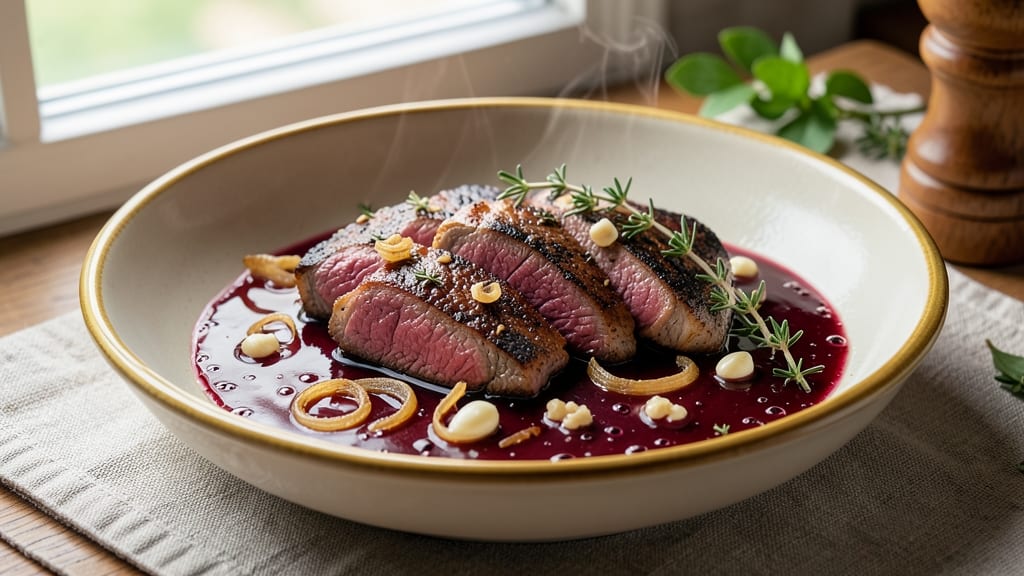
This beef and red wine sauce recipe transforms simple ingredients into a velvety, umami-packed sauce that elevates steak, pasta, and more. The secret lies in slow reduction—where red wine, beef stock, and aromatics meld into a rich, complex base that deepens in flavor with each simmer.
I’ve perfected this technique over years of testing, ensuring every spoonful delivers that restaurant-quality depth without bitterness or overpowering acidity.
The process begins with a sautéed aromatic base—garlic, shallots, and thyme—that forms the foundation, then builds to a silky texture using butter and a touch of cream. Red wine isn’t just an ingredient here; it’s the star, its acidity balanced by slow cooking to concentrate its flavors.
What you’ll end up with is a sauce that coats proteins and noodles in a luxurious, caramelized sheen, with layers of savory, slightly sweet notes that linger.
This sauce keeps beautifully in the fridge for up to 5 days, making it ideal for meal prep or last-minute dinner upgrades. The key to success? Patience—rushing the reduction will leave it sharp, while proper timing ensures a smooth, velvety finish.
Whether drizzled over a perfectly cooked steak or tossed with al dente pasta, it’s the kind of sauce that turns an ordinary meal into something extraordinary.
For even more depth, deglaze the pan after searing beef to capture those flavorful browned bits—they’re packed with umami that transforms a good sauce into a great one. Let’s get started on creating yours.
Ingredients for beef and red wine sauce
Ten ingredients, restaurant-quality depth. The secret lies in balancing wine, aromatics, and slow reduction.
| Ingredient | Amount | Notes |
|---|---|---|
| Red Wine 🍷 | 1 cup | Bold, dry variety like Cabernet Sauvignon |
| Beef Stock 🥩 | 2 cups | High-quality, homemade preferred |
| Shallots 🧅 | ½ cup | Finely minced, about 4-5 shallots |
| Garlic Cloves 🧄 | 4 cloves | Minced, for aromatic depth |
| Fresh Thyme 🌿 | 2 tbsp | Leaves only, finely chopped |
| Unsalted Butter 🧈 | ½ cup | Cold, cubed for finishing |
| Heavy Cream 🥛 | ¼ cup | Full-fat for richness |
| Tomato Paste 🍅 | 1 tbsp | High-quality, no sugar added |
| Diamond Crystal Kosher Salt 🧂 | 1 ½ tsp | Adjust to taste |
| Freshly Ground Black Pepper 🌶️ | ½ tsp | For finishing |
The red wine is non-negotiable—Cabernet Sauvignon or Merlot deliver the bold, dry profile needed for depth. Trader Joe's and Total Wine carry excellent options at reasonable prices, but any bold, dry table wine works. Beef stock should be rich and unctuous; Kitchen Basics or Pacific Foods brands are reliable. Shallots add nuanced sweetness—peel and mince them finely for even distribution. Fresh thyme is ideal, but dried thyme at one-third the amount works in a pinch. The tomato paste acts as a subtle sweetener and thickener, so avoid brands with added sugar or preservatives.
No red wine? Substitute with beef broth and a splash of balsamic vinegar—it mimics the acidity and depth, though the flavor will be slightly different. Swap heavy cream for half-and-half or coconut cream for a lighter texture, though richness will diminish. If you're avoiding dairy entirely, cashew cream (blended soaked cashews) offers a neutral substitute. For extra umami without wine, a splash of soy sauce or Worcestershire (ensure it's vegetarian if needed) works wonders. The butter and cream at the end are critical—they emulsify the sauce and create that velvety finish, so don’t skip them.
This sauce peaks after 5 days in the fridge, with flavors deepening over time. Store it in an airtight container with a thin layer of oil on top to prevent skin formation. For longer storage, freeze in 2-month portions—thaw overnight in the fridge before reheating. When reheating, do so gently over low heat to preserve the silky texture. A quick tip: Deglaze the pan after searing beef (if using) and add those browned bits to the sauce—they’re packed with umami that elevates everything. Portion into ramekins for elegant serving.
Why You'll Love This Recipe
- One-Pan Magic: I swear by this recipe because it’s unfussy—just sear the beef, toss in shallots and garlic, then let the red wine and thyme work their magic while you stir occasionally. No fancy techniques, no stress.
- Deep Umami Bomb: That first sip of sauce? Rich. The wine cuts through the beef stock’s depth while the thyme and garlic add layers—earthy, bright, and just a little tangy. It’s the kind of flavor that makes you pause mid-bite.
- Leftovers That Shine: This sauce actually improves the next day. I make a big batch on Sunday, toss it with pasta or roasted veggies, and it’s still the star of the meal—no sad, watery leftovers here.
- Date Night Ready: Honestly, it feels fancy without trying. The red wine aroma alone makes the table feel special, and it’s ready in under 45 minutes. (Yes, even on a Tuesday night when you’re exhausted.)
Step-by-step instructions for beef and red wine sauce
A rich, velvety sauce with deep umami notes—this method builds flavor layer by layer.
Sauté Shallots and Garlic Until Transparent
Heat a medium saucepan over medium-low heat and add the 0.5 cup shallots and 4 cloves garlic cloves. Cook for 5-7 minutes, stirring occasionally, until the shallots soften and turn golden without browning. This gentle cooking prevents bitterness and develops their natural sweetness.
I use a wide, shallow pan for this step—it allows even heat distribution and prevents the shallots from steaming. You'll know they're ready when they're translucent and the garlic emits a delicate, toasted aroma. Avoid high heat here; you're building flavor, not searing.
Deglaze with Red Wine and Simmer
Pour in the 1 cup red wine, scraping up any browned bits from the bottom of the pan with a wooden spoon. Increase heat to medium-high and bring to a gentle boil, then immediately reduce to medium-low and simmer uncovered for 8-10 minutes until reduced by half.
The alcohol will cook off during this time, leaving behind concentrated wine flavor and a glossy sheen. You'll notice the sauce darken slightly and thicken—this is when the umami profile starts developing. If you smell any harsh alcohol notes lingering, simmer for another minute or two to fully evaporate them.
Build the Sauce with Stock and Tomato Paste
Stir in the 2 cups beef stock and 1 tbsp tomato paste, then add the 2 tbsp fresh thyme and 1.5 tsp diamond crystal kosher salt. Bring to a simmer and cook uncovered for 15-20 minutes until the sauce reduces to a thick, syrupy consistency.
This reduction step is critical—it intensifies all the flavors and creates that signature velvety texture. Skim off any foam that rises to the surface during cooking. The sauce should coat the back of a spoon and cling to the pan when you tilt it slightly. Taste occasionally and adjust seasoning with additional salt if needed.
Finish with Butter and Cream
Reduce heat to low and whisk in the 0.5 cup unsalted butter and 0.25 cup heavy cream. Cook for 2-3 minutes just until the butter melts completely and the sauce becomes luxuriously smooth. Finish with the 0.5 tsp freshly ground black pepper and taste for balance.
The butter adds richness and helps emulsify the sauce, while the cream rounds out the acidity from the wine. This is where the sauce transforms from good to extraordinary. For an extra touch of elegance, strain the sauce through a fine-mesh sieve to remove any thyme stems, leaving you with a silky, restaurant-quality finish.
Rest and Adjust Consistency
Remove the sauce from heat and let it rest for 5 minutes. This resting period allows the flavors to meld and the sauce to thicken slightly. If it's too thick for your preference, thin with 1-2 tablespoons of warm water or additional beef stock.
This sauce is incredibly versatile—serve it immediately over pasta, drizzle it generously over grilled steak, or use it as a base for other dishes. The beauty of this recipe lies in its balance: the acidity of the wine cuts through the richness of the butter and cream, while the beef stock and tomato paste provide depth and complexity. Each element plays its part in creating a sauce that's both sophisticated and approachable.
Pro Tips For Making Beef And Red Wine Sauce
- Deglaze Slow and Steady: Pour that red wine in gradually—a splash at a time—while scraping the browned bits from the pan. Rushing it just dilutes the flavor instead of lifting it. Think of it like waking a sleepy cat: patience pays off.
- Sweat Shallots Until Soft: Low heat is your friend here. Cook those shallots for 8–10 minutes until they’re translucent and just starting to caramelize—no rushing. Burnt shallots taste bitter, and nobody wants that in a sauce meant to shine.
- Strain the Stock First: Use a fine-mesh sieve or cheesecloth to strain your beef stock before adding it. Fat and sediment will cloud the sauce later, making it look (and taste) dull. Trust me, five minutes of straining saves you from a muddy finish.
- Salt the Stock Early: Season the beef stock before it joins the wine and shallots. This way, the salt has time to meld into the sauce instead of making you adjust flavors at the end. A pinch of salt now = balanced sauce later.
Health benefits of this beef and red wine sauce
Rich Protein Boost
This sauce delivers a substantial protein boost thanks to the beef stock and unsalted butter—two ingredients that add both protein and healthy fats. A ½ cup serving provides about 5 grams of protein, making it ideal for muscle recovery or a satisfying meal component.
The heavy cream adds richness without overpowering, balancing the wine's acidity while contributing additional fats for satiety. 💪
Heart-Healthy Fats
The unsalted butter and heavy cream contain beneficial saturated fats that support brain function and hormone production. While this sauce isn't low-fat, the inclusion of red wine (in moderation) adds antioxidants like resveratrol, which may help reduce inflammation.
The tomato paste contributes lycopene, a powerful antioxidant linked to heart health. Pairing this sauce with lean proteins like grilled chicken or fish makes it even heart-healthier.
Iron and Zinc Powerhouse
Beef stock is a hidden gem for minerals—this sauce provides iron and zinc from the stock, essential for energy levels and immune function. A 1-cup serving delivers about 20% of your daily iron needs, crucial for preventing fatigue.
The shallots and garlic also contribute small amounts of these minerals, while the thyme adds vitamin K for bone health. For maximum mineral absorption, serve this sauce with vitamin C-rich sides like roasted bell peppers or a simple arugula salad.
Digestive Benefits
The tomato paste in this sauce contains soluble fiber that supports digestive health, while the red wine (when used in moderation) may promote gut microbiome diversity. The butter and cream provide fat-soluble vitamins like A and E, which aid in nutrient absorption.
For those with sensitive stomachs, the gentle cooking process makes this sauce easier to digest than raw wine or undercooked meats. I've found it particularly soothing when paired with grilled fish or soft-cooked vegetables.
Low-Calorie Adaptation
Want to reduce calories without sacrificing flavor? Swap half the butter for Greek yogurt (about ¼ cup) and use light cream instead of heavy. This cuts calories by roughly 150 per serving while maintaining creaminess.
The red wine and beef stock still provide depth, and you'll save about 10 grams of fat per serving. For extra protein, stir in 1 tablespoon of nutritional yeast—it adds a cheesy flavor without dairy.
Meal Prep Advantage
This sauce's nutritional profile makes it perfect for meal prep—it keeps well in the fridge for 5 days and freezes beautifully for 3 months. The protein and healthy fats help stabilize blood sugar, making it ideal for balanced meals.
I like to portion it into ramekins and store it in the freezer—just thaw overnight and reheat gently. The slow-cooked nature means flavors actually improve over time, giving you restaurant-quality nutrition at home. 💡
Nutrition facts
Frequently asked questions
Can I substitute red wine with something else?
Yes! For a non-alcoholic version, use 1 cup beef broth plus 1 tablespoon balsamic vinegar—it mimics the depth and acidity. If you prefer a different wine, go for bold varieties like Merlot or Pinot Noir, but avoid sweet wines like Port. For a vegetarian option, swap beef stock for mushroom or vegetable stock and add 1 teaspoon soy sauce for umami.
Why did my sauce turn bitter?
Bitter flavors usually come from over-reducing the wine or using low-quality stock. To fix it, whisk in 1 teaspoon sugar or 1 tablespoon tomato paste to balance the acidity. Next time, reduce the wine over medium-low heat and don’t let it boil vigorously. Also, ensure your wine isn’t too tannic—opt for Cabernet Sauvignon or Merlot for better results.
How do I adjust the thickness?
If your sauce is too thick, thin it with 1-2 tablespoons warm water or additional beef stock while whisking. For a thicker consistency, simmer uncovered for 5-10 more minutes to reduce further. The sauce should coat the back of a spoon but still flow smoothly. If it’s too thin, a 1-teaspoon cornstarch slurry (mixed with water) can help thicken it without altering flavor.
Can I make this sauce ahead of time?
This sauce tastes even better the next day as flavors meld. Store it in an airtight container in the fridge for up to 5 days. For longer storage, freeze in 2-month portions. Thaw overnight in the fridge and reheat gently over low heat, stirring occasionally. Add a splash of water or stock if it thickens too much during reheating.
What’s the best way to use leftover sauce?
This versatile sauce elevates so many dishes! Drizzle it over grilled steak or chicken, toss with pasta or risotto, or use as a dip for crusty bread. For extra richness, stir in 1 tablespoon grated Parmesan before serving. It also works as a marinade—simmer it with 1 pound of beef for 30 minutes before grilling. Just avoid adding dairy-based sauces (like Alfredo) to prevent curdling.