
Soups & Stews
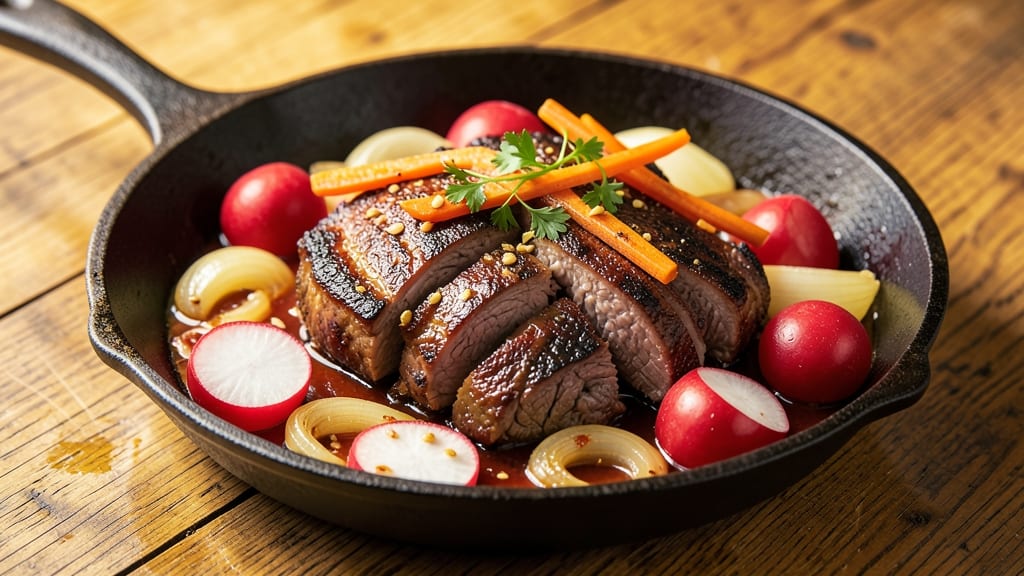
This beef and radish recipe transforms humble ingredients into a deeply satisfying dish where earthy sweetness and slow-cooked richness collide. The secret lies in balancing tender beef with radishes that caramelize into tender, slightly sweet bites—creating a harmony of textures and flavors that feels both rustic and refined.
I developed this technique after discovering how radishes hold up beautifully in long cooking, absorbing flavors while maintaining their subtle crunch.
The process begins with searing beef to lock in juices, then simmering it low and slow with radishes, aromatic vegetables, and a touch of sweetness that enhances the dish's natural depth.
This method ensures the beef remains fork-tender while the radishes develop a satisfying bite that contrasts perfectly with the rich sauce. What makes this recipe stand out is how it elevates simple ingredients into something special without requiring advanced techniques.
By the time you serve this dish, you'll have a slow-cooked masterpiece with layers of flavor—savory beef, sweet radishes, and a sauce that's both comforting and complex. The radishes, often overlooked, become the star here, adding brightness and texture that cut through the richness of the beef.
This recipe is perfect for cozy weeknights or special occasions when you want to impress with minimal effort.
The best part? Leftovers taste even better the next day as flavors meld further. Pair it with crusty bread to soak up every last drop of that delicious sauce. Let's get cooking—this dish is about to become a staple in your recipe rotation.
Ingredients for beef and radish
Earthy radishes and tender beef create a deeply satisfying dish with minimal ingredients.
| Ingredient | Amount | Notes |
|---|---|---|
| Chuck Roast 🥩 | 1 ½ lb | Trimmed of excess fat |
| Red Radishes 🥕 | 1 ½ lb | Whole, unpeeled for texture |
| Yellow Onion 🧅 | 1 whole | Medium size, sliced |
| Carrots 🥕 | 3 medium | Peeled, cut into chunks |
| Garlic Cloves 🧄 | 4 cloves | Minced for depth of flavor |
| Tomato Paste 🍅 | ½ cup | High-quality for richness |
| Red Wine 🍷 | 1 cup | Bold dry variety preferred |
| Beef Broth 💧 | 2 cups | Low-sodium preferred |
| Olive Oil 🫒 | 2 tbsp | Extra-virgin for searing |
| Dried Thyme 🌿 | 1 tsp | Fresh if available |
| Bay Leaves 🌿 | 2 whole | For aromatic depth |
| Salt 🧂 | 1 ½ tsp | Kosher or sea salt |
| Black Pepper 🌶️ | ½ tsp | Freshly ground preferred |
| Brown Sugar 🍯 | 1 tbsp | For subtle sweetness |
| Crusty Bread 🍞 | 1 loaf | For serving, optional |
The chuck roast is non-negotiable here—its marbling ensures fork-tender results. Look for cuts with visible fat distribution at Whole Foods or your local butcher shop, where they often carry high-quality roasts. Radishes should be firm and vibrant; Trader Joe's carries excellent organic varieties year-round. The carrots can be baby carrots if convenient, but whole carrots develop deeper flavor when slow-cooked. For the wine, any bold red like Cabernet Sauvignon or Merlot works—just avoid over-oaked varieties that can overpower the delicate radish sweetness.
No red wine? Substitute with beef broth plus 1 tbsp balsamic vinegar for acidity. Fresh thyme is ideal, but dried thyme at one-third the amount suffices in a pinch. The tomato paste can be replaced with 2 tbsp tomato sauce plus 1 tsp sugar if you prefer a smoother texture. For a deeper caramelized flavor, consider adding 1 tbsp honey or maple syrup alongside the brown sugar. If radishes are unavailable, substitute with parsnips or turnips—they hold up similarly during slow cooking.
This dish tastes even better the next day as flavors meld further. Store leftovers in an airtight container in the fridge for up to 5 days or freeze for 3 months. The sauce thickens upon reheating, so add a splash of broth when warming. For serving, toast the crusty bread with a garlic rub—it soaks up the sauce beautifully. If making ahead, assemble the dish without browning the beef; refrigerate overnight for intensified flavors.
Why You'll Love This Recipe
- One-Pan Magic: I swear by this—just toss everything in a Dutch oven, cover it, and walk away. No chopping boards to wash, no extra pots, and that deep, caramelized flavor from the onions and garlic? It builds itself while you’re doing anything else.
- Radishes Add Zing: Between us, I didn’t believe radishes could shine until I tried this. Their peppery bite cuts through the rich beef, and when they soften just right? That sweet, almost honey-like finish—it’s the secret weapon no one talks about.
- Budget Feast: A chuck roast stretches for days, and radishes last forever in the fridge. Honestly, this feeds my family of four for three meals, and the veggies cost me less than takeout. Plus, the leftovers taste even better the next day—proof that slow cooking works wonders.
- Weeknight Workhorse: I make this when I’m too tired to think, when friends drop by unexpectedly, or when I need to prep for the week. It’s the kind of dish that feels fancy but doesn’t require a recipe—just throw in what you’ve got, and it never lets you down. (Yes, even on a Tuesday night.)
Step-by-step instructions for slow-cooked beef and radish stew
This method transforms humble ingredients into a rich, earthy dish where tender beef and sweet radishes meld perfectly.
Sear the Chuck Roast for Deep Flavor
Pat the 1.5 lb chuck roast completely dry with paper towels—this ensures maximum browning. Heat 2 tbsp olive oil in a heavy Dutch oven over medium-high heat until shimmering. Place the roast in the pan and sear for 4-5 minutes per side until it develops a deep mahogany crust. You'll smell the fat rendering and see the meat release easily from the pan when ready.
Remove the roast and set it aside. The browned bits left in the pan are pure flavor—don't scrape them out. This searing step creates the foundation for your stew's rich depth.
Sauté Vegetables and Build the Base
In the same Dutch oven, add 1 whole yellow onion and 3 medium carrots cut into chunks. Cook for 5-6 minutes until the onions soften and begin to caramelize. Add 4 cloves minced garlic and 1.5 tsp salt, cooking for 30 seconds until fragrant—this prevents the garlic from burning.
Stir in 0.5 cup tomato paste and cook for 2 minutes until it darkens slightly. Pour in 1 cup red wine, scraping up all the browned bits from the bottom. Let the wine simmer for 3-4 minutes until reduced by half. This deglazing step captures all the meaty flavors from the searing.
Layer in Radishes and Seasonings
Add 1.5 lb whole red radishes (peeled if preferred) and 2 cups beef broth. Bring to a gentle simmer, then add 2 whole bay leaves, 1 tsp dried thyme, 0.5 tsp black pepper, and 1 tbsp brown sugar. The radishes should be partially submerged—their natural sweetness will caramelize beautifully during cooking.
Return the seared chuck roast to the pot, placing it on top of the radishes. The meat should be mostly submerged in the liquid. Cover and transfer to a 325°F oven for 2.5 hours or until the beef is fork-tender. The radishes will soften slightly but retain their shape and subtle sweetness.
Finish with Tender Beef and Perfect Texture
Remove the stew from the oven and carefully transfer the beef to a cutting board. Using two forks, shred the meat into bite-sized pieces and return it to the pot. The meat should pull apart easily with minimal resistance—this is your indicator of perfect tenderness.
Simmer the stew uncovered for 10-15 minutes to reduce the sauce slightly and deepen the flavors. Taste and adjust seasoning with additional salt or pepper if needed. The radishes should be tender but still hold their shape, with a slightly caramelized edge from the slow cooking.
Serve with Crusty Bread
Ladle the stew into bowls and serve immediately with 1 loaf crusty bread on the side. The contrast between the tender beef, sweet radishes, and crusty bread creates a satisfying balance of textures. Each spoonful should deliver rich beef flavor, earthy radish sweetness, and aromatic herbs.
This dish improves overnight as the flavors continue to meld. Store leftovers in the refrigerator for up to 3 days or freeze for 2 months. The radishes actually become sweeter after chilling, making this an even better next-day meal.
Pro Tips For Making Beef And Radish
- Sear the Roast First: Chuck roast needs that crust to stay juicy, so don’t skip the initial sear. Hit it hard with a dry pan—no oil yet—until deep brown patches form (about 5 minutes per side). I used to rush this, and the meat always ended up dry. Trust me, the Maillard reaction here is your friend.
- Slice Radishes Thin: Radishes add crunch, but thick slices stay bitter and undercooked. Cut them paper-thin (⅛-inch max) so they soften just enough to marry with the beef without turning to mush. My first attempt with ¼-inch slices was a disaster—now I use a mandoline for consistency.
- Don’t Overcrowd the Pot: If you’re braising, add onions and carrots in stages—start with half, let them caramelize 10 minutes, then add the rest. Crowding steams instead of browns, and you’ll end up with sad, pale veggies. I learned this after a pot of mushy onions that tasted like nothing.
- Use Garlic Cloves Whole: Smash them lightly with the flat of your knife first—just enough to bruise the skin. Whole cloves infuse flavor without turning to paste or burning. I was skeptical until I tried it; now the dish has that subtle, aromatic depth that makes it feel restaurant-worthy.
Storing and reheating your leftovers
Refrigerator Storage
Let your beef and radish stew cool to room temperature for no more than 2 hours before transferring to airtight containers. I use glass Pyrex containers with tight-sealing lids—they preserve flavors better than plastic.
Store in the fridge at 40°F or below for up to 5 days. The radishes will continue caramelizing slightly, deepening their sweetness over time. 🥣
Freezer Prep Tips
For longer storage, freeze the stew in quart-sized freezer bags or glass containers, leaving 1-inch headspace for expansion. I recommend flat freezer bags from Reynolds—they stack efficiently and thaw faster.
Label with the date and freeze for up to 3 months. The sauce may thicken slightly when thawed, so add 1-2 tbsp beef broth when reheating. ❄️
Stovetop Reheating
My preferred method is stovetop reheating—it gives you the most control over texture. Pour the stew into a heavy-bottomed pot (I use Le Creuset) and heat over medium-low for 10-15 minutes.
Stir occasionally and add 2-3 tbsp broth or water if the sauce becomes too thick. Taste and adjust seasoning—the radishes often need a pinch of salt after reheating. 🔥
Microwave Safety
For quick reheating, transfer a single serving to a microwave-safe bowl and cover loosely with a paper towel. Heat on 50% power in 2-minute intervals, stirring between each, until reaching 165°F internal temperature.
Avoid full power—it can make the radishes rubbery. The beef should be steaming hot throughout. ✨
Next-Day Flavor Boost
This stew tastes even better the next day! The radishes develop a deeper sweetness, and the beef becomes more tender. I often reheat leftovers for lunch—just add a splash of red wine or beef broth to revive the sauce.
Serve with crusty bread or buttered noodles** to soak up every last drop. Trust me, your taste buds will thank you. 💛
Nutrition facts
Frequently asked questions
Why do you use whole radishes instead of sliced ones?
Whole radishes hold their shape beautifully during slow cooking while developing a caramelized sweetness at the edges. Slicing them would make them mushier and less visually appealing. The whole radishes also absorb flavors more evenly, creating that perfect balance of tender meat and slightly crisp radish texture.
Can I substitute red radishes with daikon or white radishes?
Daikon or white radishes work perfectly—they're milder and sweeter, which pairs wonderfully with the beef. For best results, use the same weight (1.5 lb) and adjust cooking time slightly if they're larger. The texture will be slightly softer but still delicious.
How do I know when the beef is perfectly tender?
Use two forks to gently pull the beef apart—it should separate easily with minimal resistance. The internal temperature should reach 203°F (well-done for slow cooking). If it feels slightly firm, return it to the oven for 20-30 minutes more. Overcooking won't ruin it, but perfect tenderness is key!
What's the best way to reheat this stew without drying it out?
Reheat on the stovetop over medium-low heat with a splash of beef broth or red wine. Never microwave on full power—it turns the radishes rubbery. Stir frequently and add liquid gradually if the sauce thickens too much. The radishes actually taste sweeter after reheating!
Can I make this dish in a slow cooker instead of the oven?
Yes! Brown the beef first, then transfer everything to a 6-quart slow cooker and cook on low for 7-8 hours. The radishes will soften more but still retain their shape. Add a little extra broth if needed to keep the sauce from getting too thick.