
Soups & Stews
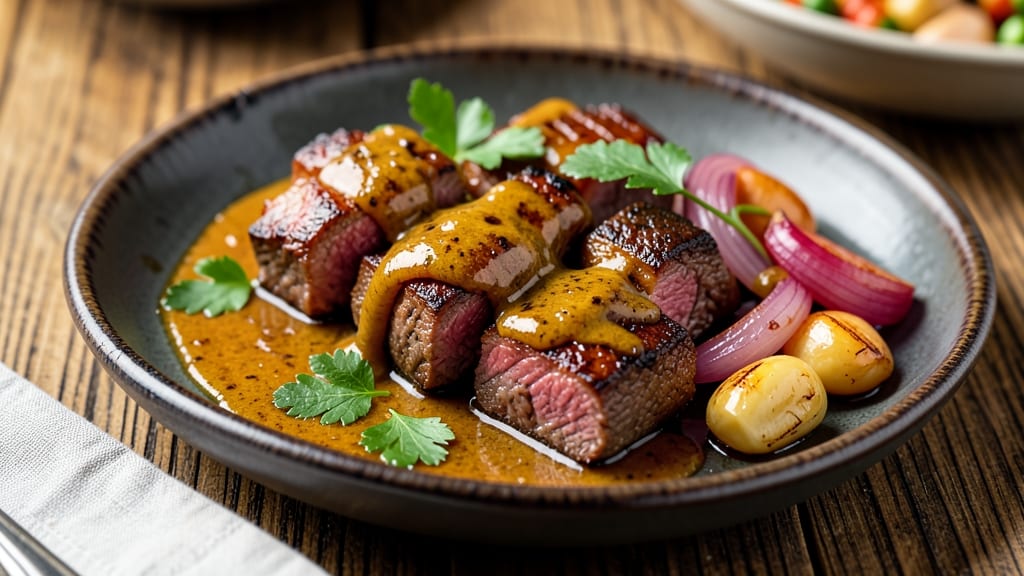
This beef and mustard recipe delivers restaurant-quality depth with tender beef, bold mustard notes, and a silky wine reduction that ties everything together. The key lies in slow braising that transforms tough cuts into melt-in-your-mouth perfection while developing rich umami flavors through caramelized onions and aromatic herbs.
What sets this dish apart is the balanced mustard integration—just enough tang to cut through the richness without overpowering the beef's natural depth. A 30-minute sear creates that essential crust, while 4 hours of braising in red wine and broth builds layers of complexity that store-bought sauces simply can't match.
The result is beef so tender it practically falls apart at the touch, bathed in a glossy reduction that's both sweet and tangy from the mustard's careful incorporation. Each bite delivers that perfect contrast: silky beef, crunchy caramelized onions, and a velvety sauce that clings to every forkful.
Serve with crusty bread to soak up every last drop of that umami-rich sauce, or pair with roasted root vegetables for a complete meal. The technique is straightforward but yields professional-level results—ideal for weeknight dinners that feel like special occasions.
Ingredients for beef and mustard
Restaurant-quality beef and mustard relies on precise ingredient ratios for perfect balance between tangy mustard and rich wine reduction.
| Ingredient | Amount | Notes |
|---|---|---|
| Beef Chuck Roast 🥩 | 2 ½ lb | 2-inch cubes, trimmed of fat |
| Yellow Onions 🧅 | 2 large | Thinly sliced, caramelized |
| Garlic Cloves 🧄 | 6 cloves | Minced, fresh preferred |
| Dijon Mustard 🍯 | ⅓ cup | High-quality, smooth texture |
| Whole Grain Dijon Mustard 🍯 | 0.17 cup | For texture contrast |
| Dry Red Wine 🍷 | 1 ½ cups | Bold Cabernet Sauvignon |
| Beef Broth 💧 | 2 cups | Low-sodium, homemade preferred |
| Fresh Thyme 🌿 | ½ ounce | Stems removed, loosely packed |
| Fresh Rosemary 🌿 | ¼ ounce | Needles only, finely chopped |
| Olive Oil 🫒 | ¼ cup | Extra-virgin, for searing |
| All-Purpose Flour 🌾 | 2 tbsp | For dusting beef cubes |
| Salt 🧂 | 1 ½ tsp | Diamond Crystal kosher salt |
| Black Peppercorns 🌶️ | 1 tsp | Freshly cracked |
| Unsalted Butter 🧈 | 2 tbsp | For finishing sauce |
| Fresh Parsley 🌿 | ¼ cup | Chopped, for garnish |
The beef cut is everything here—chuck roast delivers that signature fall-apart tenderness when braised properly. Look for well-marbled pieces at your local butcher or Whole Foods meat counter, where they can cut it into even 2-inch cubes for consistent cooking. Fresh herbs elevate this dish, so Trader Joe's or Costco bulk sections are ideal for thyme and rosemary. For the mustard, Maille or Amora brands provide that perfect smooth texture without overpowering the wine reduction. The wine should be a bold Cabernet Sauvignon—none of that cheap grocery store stuff that'll ruin your sauce.
No Dijon mustard? Whole grain mustard works at double the amount, though the texture will differ. Substituting red wine with beef broth plus 1 tbsp balsamic vinegar maintains depth. Fresh herbs wilt fast—dried thyme at one-third the amount works in a pinch, but nothing beats the aroma of fresh. The onions should caramelize until deep amber, which takes patience but creates that essential sweetness. For the flour, King Arthur all-purpose works perfectly for dusting the beef before searing. If you're short on time, pre-sliced onions from the salad bar section save minutes without sacrificing flavor.
This dish tastes even better the next day as flavors meld. Store leftovers in an airtight container for up to 5 days in the fridge or 3 months frozen. The sauce thickens as it cools, so add a splash of broth when reheating. For serving, crusty baguette slices soak up every last drop—Trader Joe's or Whole Foods bakery sections have excellent options. The beef reheats beautifully in the sauce, making this perfect for meal prep. Just avoid overcooking when reheating—gentle heat only preserves that silky texture.
Why You'll Love This Recipe
- One-Pan Magic: I swear by this—just sear the beef, toss in sliced onions and garlic, then let that mustard sauce work its magic. No chopping boards, no extra pots, just one pan that smells like heaven by dinner.
- Mustard’s Secret Weapon: That blend of Dijon and whole grain? It’s the difference between good and I’ll-make-this-every-week good. The tang cuts through the richness, and the texture? Caramelized onions clinging to tender beef—it’s a flavor party in your mouth.
- Lunchbox Hero: Between us, this is my go-to for meal prep. Shred that slow-cooked beef, pack it in containers with crusty bread or over greens, and you’ve got a week’s worth of lunches that taste like you slaved over them. (Spoiler: You didn’t.)
- Budget Win: A chuck roast is cheap, and this recipe stretches it far—perfect for feeding a crowd or stretching leftovers into sandwiches, tacos, or even a hearty soup. Honestly, the only thing more impressive than the flavor is how little it costs per serving.
Step-by-step instructions for beef and mustard with wine reduction
Master this technique for tender beef cubes bathed in a velvety mustard-wine sauce.
Sear the Beef for Deep Flavor
Pat the 2.5 lb beef chuck roast dry with paper towels and cut into 2-inch cubes, trimming any remaining fat. In a large Dutch oven, heat the 0.25 cup olive oil over medium-high heat until shimmering. Working in batches, add the beef cubes and sear for 2-3 minutes per side until deeply browned. This caramelization builds the foundation for rich flavor—don't rush this step.
Once all beef is browned, remove it from the pot and set aside. The beef should be a rich mahogany color with a crisp exterior. If you see any excess fat pooling, use a paper towel to blot it away before proceeding. This ensures your sauce won't become greasy.
Develop the Mustard Base
With the beef removed, reduce heat to medium and add the 2 tbsp all-purpose flour, stirring constantly for 1 minute to toast lightly. This creates a roux that will thicken your sauce. Immediately pour in the 1.5 cups dry red wine, scraping up any browned bits from the bottom of the pot—these contain concentrated flavor.
Bring the mixture to a gentle simmer and cook for 3-4 minutes until it reduces by about half. Then stir in the 0.33 cup Dijon mustard and 0.17 cup whole grain Dijon mustard. The whole grain mustard will add texture contrast while the smooth Dijon contributes depth. Let the mixture simmer for another 2 minutes until slightly thickened and glossy.
Build the Umami Foundation
Add the 2 large thinly sliced yellow onions and 6 minced garlic cloves to the pot, stirring to combine. Cook for 4-5 minutes until the onions soften and begin to caramelize. This step develops sweetness that balances the mustard's tang. Then add the 2 cups beef broth, 0.5 ounce fresh thyme, and 0.25 ounce finely chopped rosemary. Bring to a simmer and return the beef to the pot.
Cover and simmer gently for 1 hour and 15 minutes, or until the beef is fork-tender with an internal temperature of 195°F. The mustard-wine sauce should be silky and cling to the beef. If it appears too thin, uncover and simmer for an additional 5 minutes to reduce further. Stir occasionally to prevent sticking.
Finish with Butter and Garnish
Remove the pot from heat and stir in the 2 tbsp unsalted butter until melted and incorporated. This adds richness and helps emulsify the sauce. Taste and adjust seasoning with the 1.5 tsp salt and 1 tsp freshly cracked black peppercorns. The sauce should be well-seasoned but not overpowering.
Ladle the beef and sauce into serving dishes, garnishing each portion with 1 tablespoon of the 0.25 cup chopped fresh parsley. Serve immediately over mashed potatoes, crusty bread, or egg noodles. The contrast between the tender beef, textured mustard, and silky wine sauce creates a harmonious balance of flavors and textures.
Pro Tips For Making Beef And Mustard
- SEAR THE ROAST HARD: I used to think a quick sear was enough, but this dish needs a deep, dark crust. Heat your Dutch oven until it’s smoking—drop the roast in and don’t move it for 3 full minutes per side. The mustard sauce needs something to cling to, and that crust makes all the difference once it’s braised.
- GRATE THE ONIONS: Thinly sliced onions turn to mush in the braise. Grab a box grater and shred them—no need for perfect uniformity, just small, even pieces that soften quickly without disappearing. (Yes, even if you’re impatient like me, this saves you from watery onions later.)
- DON’T SKIP THE FAT: The mustard needs fat to emulsify properly, and the roast needs it to stay juicy. After searing, don’t wipe off all the browned bits—leave them in the pot. Add a splash of beef broth or even a little olive oil if your roast is lean. The sauce will thank you.
- REST THE MEAT LONGER: I know, you’re hungry now. But let that roast sit under foil for 15 minutes after pulling it from the oven. The internal temp will drop to 130°F, and the juices redistribute—no one wants a dry mustard-slathered brick. (Your future self will thank you.)
Make-ahead tips for beef and mustard
Prep Ahead for Flawless Results
Start by prepping all ingredients the night before—this dish tastes even better when flavors meld overnight. Trim and cube the beef chuck roast and store in the fridge in an airtight container.
Thinly slice the yellow onions and store them in a sealed bag with a paper towel to absorb moisture. The garlic, fresh herbs, and mustard can all be pre-measured and stored in separate containers. This saves 30 minutes of prep time the next day. 📅
Slow Braise for Maximum Tenderness
The key to make-ahead success is the slow braise. After searing the beef and developing the mustard base, transfer everything to a slow cooker or oven-safe Dutch oven. Cover and refrigerate for up to 12 hours before cooking.
When ready, bring to a simmer on the stovetop and cook uncovered for 1 hour to reduce the sauce properly. The beef will be fork-tender and ready to serve. This method builds deeper flavor without extra effort. ⏰
Sauce Storage Secrets
If you're prepping the sauce separately, make it up to 2 days ahead and store it in an airtight container. The mustard and wine flavors meld beautifully overnight, creating a richer taste.
When reheating, warm the sauce gently on the stovetop over medium-low heat and stir in the butter just before serving. This preserves the silky texture and prevents separation. For best results, reheat only what you need—leftover sauce reheats beautifully but loses some gloss. 💫
Beef Reheating Techniques
Reheat the beef separately from the sauce to avoid overcooking. Place the beef cubes in a skillet over medium heat with a splash of broth or water, then cover and warm for 5-7 minutes. The internal temperature should reach 165°F—use a meat thermometer to check.
Once heated, return the beef to the sauce and let it soak up those rich flavors for 2-3 minutes before serving. This keeps the beef tender and juicy. 🔥
Freezer-Friendly Tips
This dish freezes beautifully for up to 3 months. Let it cool completely, then transfer to airtight freezer-safe containers or heavy-duty freezer bags. Label with the date and store flat to save space. When ready to eat, thaw overnight in the fridge, then reheat using the stovetop method above.
The sauce may thicken slightly after freezing—add a splash of broth or water to restore its silky consistency. 🧊
Serving Suggestions for Leftovers
Leftover beef and mustard sauce make an amazing sandwich filling the next day. Pile the beef onto crusty bread with a generous spoonful of sauce, then top with caramelized onions and fresh parsley.
For a heartier meal, serve over mashed potatoes or egg noodles to soak up every last drop. The flavors only improve with time, making this dish perfect for meal prep. 💡
Nutrition facts
Frequently asked questions
What cut of beef works best for this mustard-wine dish?
Use chuck roast for the most tender, flavorful results. Its marbling breaks down beautifully during the 4-hour braise, creating melt-in-your-mouth texture. Avoid leaner cuts like sirloin—they won't become as tender. If chuck isn't available, brisket or short ribs work well too, though cooking times may vary slightly.
Can I substitute white wine for the red wine in the recipe?
While possible, red wine is ideal because its bold tannins balance the mustard's tang. For a white wine version, use 1 cup white wine plus 0.5 cup beef broth to maintain depth. The sauce will be lighter in color but still delicious. If you prefer red, a Cabernet Sauvignon or Merlot adds the best umami contrast.
How do I adjust the mustard level if I dislike strong flavors?
Start by reducing the Dijon mustard to 0.25 cup (instead of 0.33 cup) and omit the whole grain mustard entirely. For extra mildness, replace the mustard with 2 tbsp honey or 1 tbsp balsamic vinegar while keeping the wine. The caramelized onions will still provide sweetness to balance any remaining tang. Taste as you go!
What's the secret to preventing a greasy sauce?
Blot all excess fat from the seared beef with paper towels before adding it back to the pot. Also, strain the sauce through a fine-mesh sieve if needed to remove any emulsified fat. The 2 tbsp butter added at the end should be whisked in gently to enrich, not overwhelm. For extra insurance, chill the sauce briefly to solidify any fat, then skim it off.
Can I make this dish in a slow cooker?
Sear the beef first, then transfer everything to your slow cooker. Cook on low for 6-7 hours or high for 3-4 hours**. The sauce will be thinner, so reduce it on the stovetop for 10-15 minutes before serving. The slow cooker method actually enhances tenderness, making it perfect for busy days.