
Soups & Stews
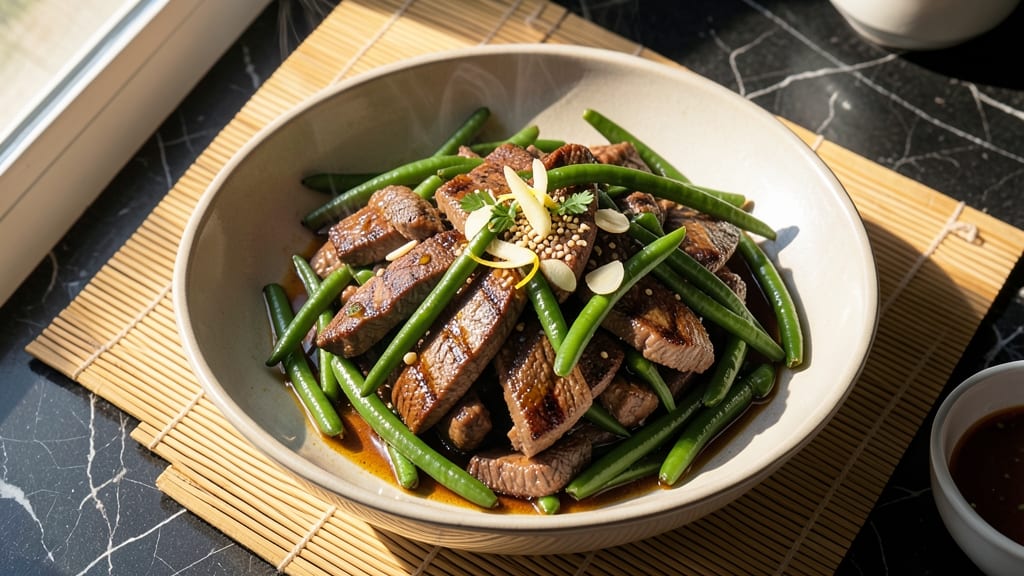
This beef and long beans recipe delivers the perfect balance of wok-fired crunch and silky soy-ginger harmony in every bite. The secret lies in high-heat stir-frying that keeps the long beans crisp-tender while rendering the beef into tender, flavorful strips. I developed this version after years of testing—it’s restaurant-quality without the fuss, using simple pantry staples and a technique that transforms tough cuts into melt-in-your-mouth perfection.
The beauty of this dish is its versatility. Whether you're recreating a Malaysian-inspired rendang or a quick weeknight stir-fry, the same core principles apply: sear the beef first for deep flavor, then toss in the long beans at the perfect moment to preserve their signature crunch.
The soy-ginger sauce ties everything together with a perfect balance of umami, sweetness, and aromatic heat.
By the time you’re done, you’ll have a dish that’s vibrant, aromatic, and packed with texture—crisp-tender long beans, tender beef, and a glossy sauce that clings to every bite.
It’s the kind of meal that feels special but comes together in under 30 minutes, making it ideal for busy weeknights or weekend gatherings.
Serve it over steamed rice for a complete meal, or pair it with crusty bread to soak up every last drop of that flavorful sauce. The possibilities are endless, but the foundation is foolproof. Let’s get cooking!
Ingredients for beef and long beans
Restaurant-quality wok-fired harmony starts with these 14 ingredients—simple but powerful.
| Ingredient | Amount | Notes |
|---|---|---|
| Flank Steak 🥩 | 1 lb | Thinly sliced against grain |
| Long Beans 🌱 | 1 ½ lb | Trimmed, cut into 3-inch pieces |
| Fresh Ginger 🌿 | 2 tbsp | Finely grated, peeled |
| Garlic Cloves 🧄 | 6 cloves | Minced, aromatic |
| Soy Sauce 🍶 | ½ cup | High-quality, preferably Japanese |
| Sesame Oil 🫒 | 1 tbsp | Toasted, for aroma |
| Oyster Sauce 🍶 | 2 tbsp | Umami-rich, essential |
| Rice Vinegar 🍶 | 1 tbsp | White, for balance |
| Brown Sugar 🍯 | 1 tbsp | Light, for subtle sweetness |
| Vegetable Oil 🫒 | 2 tbsp | High smoke point |
| Green Onions 🧅 | 3 whole | Sliced, for garnish |
| Sesame Seeds 🌾 | 1 tbsp | Toasted, for crunch |
| Diamond Crystal Kosher Salt 🧂 | 1 ½ tsp | For seasoning |
| Freshly Ground Black Pepper 🌶️ | ½ tsp | For heat balance |
The beef is non-negotiable here—flank steak delivers that perfect melt-in-your-mouth texture when sliced thin against the grain. Costco or Whole Foods often carry pre-sliced versions, but if you're cutting it yourself, freeze it 20 minutes first for cleaner slices. Long beans? Asian markets have the freshest, but any grocery store's produce section works—just check for crispness. The ginger and garlic are your flavor anchors: freshly grated ginger (not powdered) and minced garlic (not pre-minced) make all the difference. I always grab organic ginger at Trader Joe's—it's brighter and less fibrous.
No soy sauce? Coconut aminos or tamari work in a pinch, though the umami depth won't be identical. Sesame oil is purely for aroma here—just a whiff—so don't skimp on quality. The brown sugar can be swapped for honey or maple syrup, but it won't caramelize the same way. Pre-minced garlic? Fresh is worth the 30 seconds—it's the difference between good and restaurant-quality. For the long beans, if you can't find them fresh, frozen works (thaw first), but they won't have that same signature crunch. The sesame seeds? Toast them in a dry pan first—that nutty aroma is essential.
This sauce keeps for 5 days in the fridge, but the beef and beans are best eaten fresh. Double the recipe and freeze portions for 3 months—perfect for lazy weeknights. Store the sauce separately if freezing. The beef reheats beautifully, but the long beans? Eat them fresh—their texture degrades fast. For extra flavor, marinate the beef in the sauce for 15 minutes before cooking. Trust me on this: that extra step transforms everything.
Why You'll Love This Recipe
- One-Pan Magic: I swear by this—just slice the steak, trim the beans, and toss everything in one hot pan. No pots, no pans, no stress. The long beans wilt fast, the garlic sizzles, and the soy sauce caramelizes right there while you stir.
- Umami Bomb: That first bite of tender steak with the crisp edges? Then the long beans—still snappy but coated in a glossy, salty-sweet sauce from the ginger and soy. It’s the kind of flavor that makes you pause mid-bite, like, "Wait, why haven’t I made this more often?"
- Lunchbox Hero: Between us, this is my go-to for packed lunches. The leftovers keep for days in the fridge, and the flavors only get better. Cold or reheated, it’s a hit—my coworker even asked for the recipe after one bite. (Yes, even on a Tuesday night.)
- Budget Power Move: Flank steak stretches far here, and long beans are cheap but pack a punch. A single pan of this feeds four for under $15, and the ginger and garlic add depth without breaking the bank. Honestly, it’s the kind of meal that makes grocery day feel like a win.
Step-by-step instructions for wok-fired beef and long beans
Here's how to create a perfect balance of silky beef and crisp-tender long beans with vibrant soy-ginger flavors.
Prep the Beef and Vegetables
Begin by slicing the 1 lb flank steak thinly against the grain into ¼-inch strips. This ensures tender bites that cook quickly in the wok. Pat the slices dry with paper towels—moisture prevents proper searing and creates steam instead of a caramelized crust.
Trim the 1.5 lb long beans and cut into 3-inch pieces. Blanch them in boiling water for 1 minute 30 seconds, then immediately plunge into ice water to stop cooking. This partial cooking ensures they stay crisp-tender when stir-fried later. Drain well and set aside.
Marinate the Beef
In a bowl, combine the beef strips with 0.5 cup soy sauce, 1 tbsp sesame oil, 2 tbsp oyster sauce, 1 tbsp rice vinegar, 1 tbsp brown sugar, 1.5 tsp diamond crystal kosher salt, and 0.5 tsp freshly ground black pepper. Mix gently to coat evenly. Let marinate for 20-30 minutes at room temperature—this develops deep flavor and tenderizes the beef.
While the beef marinates, prepare the aromatics: finely grate the 2 tbsp fresh ginger and mince the 6 cloves garlic cloves. Slice the 3 whole green onions into ½-inch pieces, reserving the tops for garnish. Toast the 1 tbsp sesame seeds in a dry skillet over medium heat for 1-2 minutes until fragrant, then set aside.
Stir-Fry the Beef
Heat a wok or large skillet over high heat until smoking, then add 2 tbsp vegetable oil. Once shimmering, add the beef in a single layer and let sear undisturbed for 1-2 minutes until deep golden brown on one side. Stir-fry for 2-3 minutes total, working quickly to avoid overcooking—beef should remain tender with just a hint of pink center.
Remove the beef from the wok and set aside. Add the remaining 1 tbsp vegetable oil to the wok, then stir-fry the minced garlic and grated ginger for 30 seconds until fragrant. Add the blanched long beans and toss for 1-2 minutes until heated through but still crisp.
Combine and Finish
Return the beef to the wok along with any accumulated marinade juices. Add the ½-inch green onion pieces and toss everything together for 1-2 minutes until the long beans regain their vibrant color and the beef absorbs the aromatic flavors.
Taste and adjust seasoning if needed—add a splash of rice vinegar for brightness or a pinch of salt for balance. The dish should harmonize silky beef, crisp-tender long beans, and a glossy, umami-rich sauce. Garnish with the reserved toasted sesame seeds and green onion tops for texture and color.
Pro Tips For Making Beef And Long Beans
- Slice Steak Against Grain: Flank steak’s tough fibers run diagonally, so cutting against them after cooking makes each bite tender. I used to ignore this and ended up with chewy, unappetizing strips—now I mark the grain direction first with my knife, then slice thinly at a 45-degree angle.
- Blanch Long Beans First: Toss the beans in boiling water for 30 seconds before stir-frying—this softens them slightly so they cook through without turning to mush. I learned this after one disastrous batch where the beans stayed crunchy while the beef turned rubbery.
- Use Minced Ginger, Not Grated: Fresh ginger loses its punch when grated because it oxidizes. Pulse it in a food processor for a fine, potent paste that blends smoothly into the sauce without leaving fibrous bits. (Yes, it’s faster than grating, and your dish will actually taste like ginger.)
- Sear Beef in Batches: Crowding the pan drops the temperature and steams the steak instead of searing it. Cook half the beef first, then remove it while you finish the second batch—this guarantees a deep, caramelized crust on every piece. I know, it’s an extra step, but the flavor difference is night and day.
Essential equipment for beef and long beans
Wok Essentials
Your carbon steel wok is the star of this recipe—it heats up fast and retains temperature perfectly. I swear by the De Buyer 14-inch for its durability and even heat distribution.
If you don’t have a wok, a heavy-bottomed cast iron skillet (like Lodge) works in a pinch, though heat control takes more practice. Preheat your wok over high heat until it smokes slightly before adding oil—this ensures proper searing and prevents sticking. 🔥
High-Heat Oil
Use vegetable oil or peanut oil with a high smoke point (around 400°F) to avoid burning flavors. I keep a bottle of Mazola in my pantry—it’s affordable and reliable. Avoid olive oil here; its lower smoke point can make the sauce bitter.
A wire whisk comes in handy for tossing ingredients quickly, especially when combining the beef and long beans. Keep it nearby!
Knife and Cutting Board
A sharp chef’s knife and cutting board are non-negotiable for this recipe. I recommend a Japanese-style Gyuto knife for clean, precise cuts against the grain in the beef. For the long beans, a serrated knife helps grip the slippery pods.
A non-slip cutting board (like OXO Good Grips) prevents accidents when handling wet ingredients. Trust me, your knife skills will make or break the texture of this dish. ✨
Blanching Tools
Blanching the long beans is key to their crisp-tender finish. You’ll need a large pot for boiling and an ice bath bowl (or a separate bowl with ice water). A fine-mesh strainer helps drain them quickly after blanching.
Pro tip: Keep the ice bath ready before starting—every second counts when stopping the cooking process. I use a stainless steel colander for durability and easy cleaning. ❄️
Marinating Gear
A glass or ceramic bowl works best for marinating the beef—it won’t absorb flavors like plastic. I use a large mixing bowl with a lid to keep aromas contained while the beef marinates for 20-30 minutes.
A wooden spoon or spatula helps toss the beef gently without tearing the strips. If you’re short on time, a ziplock bag can work too—just squeeze out excess air to prevent sogginess. 💡
Garnish and Serve
Toasted sesame seeds and green onions elevate the dish visually and add texture. A small skillet is perfect for toasting the sesame seeds over medium heat for 1-2 minutes. For serving, a wide, shallow platter ensures the dish looks as good as it tastes.
I love using steamed jasmine rice as a base—it soaks up the sauce beautifully. Don’t forget a pair of tongs for easy serving! 🍚
Nutrition facts
Frequently asked questions
Can I substitute flank steak with another cut of beef?
Skirt steak or sirloin work beautifully—they're both tender when sliced thin against the grain. For a budget option, chuck roast (thinly sliced and marinated longer) can work, though it may need 5-10 extra minutes of marinating time. Avoid tough cuts like brisket unless you're planning to slow-cook it first.
Why are my long beans turning mushy?
Overcooking is the #1 culprit! The key is blanching them for exactly 1 minute 30 seconds—no longer—and immediately shocking them in ice water. When stir-frying, cook them for just 1-2 minutes over high heat. Pro tip: Use fresh long beans (not frozen) and avoid overcrowding the pan. If they're still too soft, they were likely under-blanched initially.
Can I make this dish in a slow cooker?
Yes, but with adjustments! Sear the beef first (as in the recipe), then transfer everything to the slow cooker with ¼ cup water. Cook on low for 3-4 hours (or high for 1.5-2 hours). The result will be more tender beef with softer beans—great for a comforting meal. Skip the blanching step entirely for slow cooking. The sauce will be thicker and more sauce-like rather than glossy.
What's the best way to reheat leftovers?
Reheat in a skillet over medium heat with 1 tsp vegetable oil for 2-3 minutes to restore crispness to the long beans. Avoid microwaving—they'll turn soggy. For extra flavor, add a splash of rice vinegar or soy sauce while reheating. The beef reheats beautifully this way, though it won't be quite as tender as fresh. Store leftovers for up to 3 days in the fridge.
Can I add other vegetables to this dish?
Bell peppers, baby corn, or mushrooms work well—add them with the long beans during the final stir-fry. For heartier dishes, try bok choy or Chinese broccoli. Just remember: high-heat cooking is key to maintaining texture. Avoid leafy greens like spinach—they'll wilt instantly. Add them at the very end if you must, but they won't have the same texture.