
Soups & Stews
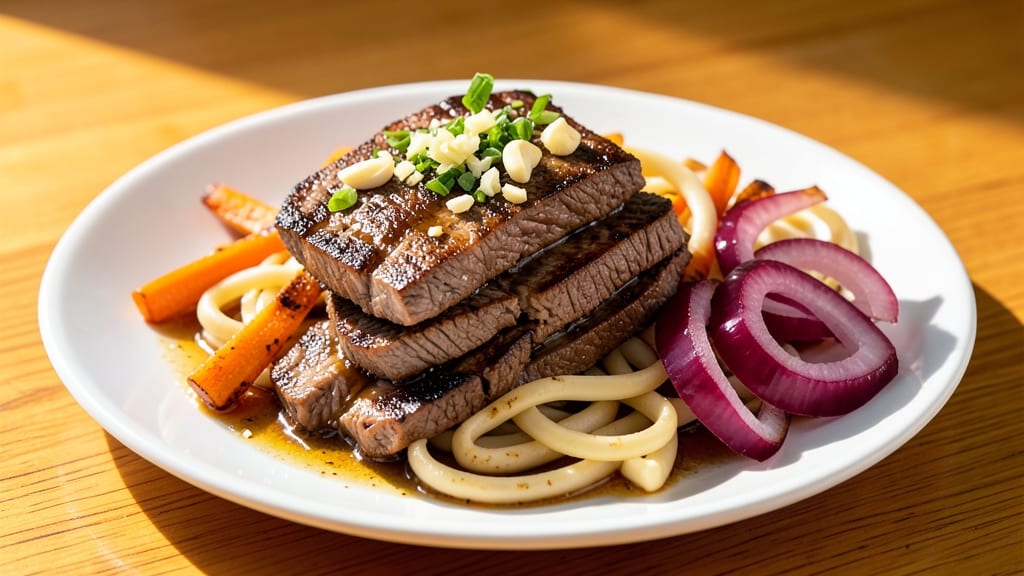
This one-pot beef and bows recipe delivers restaurant-quality flavor in under 30 minutes—no takeout required. The secret lies in high-heat searing for tender beef and a quick-fry technique that transforms soft noodles into golden, crispy strands.
I developed this recipe after years of craving that perfect balance of savory beef, chewy noodles, and aromatic sauce without the mess of multiple pans.
The beauty of this dish is its simplicity: just a handful of ingredients come together in one pot, creating layers of flavor that make it feel special.
We'll start with thinly sliced beef that cooks quickly in a hot wok or skillet, then toss in fresh vegetables and egg noodles that crisp up beautifully in the residual heat. The sauce—packed with soy, garlic, and ginger—adds depth without overpowering the natural taste of the beef.
What you'll end up with is a crispy-edged, tender beef stir-fry where each bite delivers perfect texture contrast. The beef stays juicy while the noodles achieve that coveted crispy exterior, and the sauce clings to everything for maximum flavor in every mouthful.
This is the kind of meal that transforms a busy weeknight into a satisfying dinner experience without sacrificing quality.
Serve it as-is for a complete meal or pair with steamed broccoli and sesame seeds for added freshness. The leftovers reheat beautifully too—just add a splash of water to restore crispiness. Let's get cooking!
Ingredients for beef and bows
Restaurant-quality beef and bows starts with precisely sliced ingredients and high-heat technique.
| Ingredient | Amount | Notes |
|---|---|---|
| Flank Steak 🥩 | 1 ¼ lb | Thinly sliced against grain |
| Egg Noodles 🍜 | 8 oz | Fresh or dried, wide bows |
| Yellow Onion 🧅 | 1 whole | Thinly sliced, white and green parts |
| Carrots 🥕 | 2 medium | Julienned into matchsticks |
| Garlic Cloves 🧄 | 6 cloves | Minced, fresh preferred |
| Fresh Ginger 🌿 | 1 inch | Peeled, julienned or grated |
| Low-Sodium Soy Sauce 💧 | ½ cup | Kikkoman preferred |
| Sesame Oil 🫒 | 1 tbsp | Toasted, for aroma |
| Vegetable Oil 🫒 | 3 tbsp | High smoke point |
| Brown Sugar 🍯 | 1 tbsp | Light or dark |
| Cornstarch 🌾 | 1 tbsp | For sauce thickening |
| Green Onion 🧅 | 3 whole | Thinly sliced, for garnish |
| Sesame Seeds 🌾 | 1 tbsp | Toasted, for garnish |
| Kosher Salt 🧂 | 1 tsp | Diamond Crystal preferred |
| Black Pepper 🌶️ | ½ tsp | Freshly cracked |
The flank steak is non-negotiable for this dish—its lean yet tender texture transforms when sliced thinly against the grain. Ask your butcher to slice it for you if you're not comfortable with a sharp knife; otherwise, freeze it for 20 minutes before slicing for cleaner cuts. For the noodles, fresh egg noodles yield the best crispy texture, but dried works in a pinch. The yellow onion and carrots should be uniformly sliced—use a mandoline for precision if you're ambitious. Whole Foods or Trader Joe's carry pre-sliced julienned carrots if you're short on time. Fresh ginger loses potency quickly, so buy just what you need or freeze the rest.
No sesame oil? Toasted peanut oil at half the amount provides a similar nutty depth. Substituting low-sodium soy sauce with regular soy sauce? Reduce the salt in the recipe by half to avoid over-salting. The cornstarch is crucial for achieving that glossy, thickened sauce—don't skip it. For a gluten-free version, swap soy sauce for tamari and ensure your cornstarch is certified gluten-free. The green onions should be reserved for garnish only; their bright color and fresh flavor elevate the dish without overpowering. If you're using dried noodles, soak them in hot water for 2-3 minutes before adding to the wok to ensure even cooking and crispiness.
This dish reheats beautifully—simply add a splash of water and a quick stir over high heat to restore crispiness. Store leftovers in an airtight container in the fridge for up to 4 days, or freeze for 3 months. For meal prep, portion the sauce separately and toss with noodles when reheating. The beef and vegetables can be stir-fried ahead and stored separately, then combined with fresh noodles and sauce when ready to serve. Sesame seeds lose their crunch when stored, so toast them fresh before serving—takes 30 seconds in a dry skillet over medium heat.
Why You'll Love This Recipe
- One-Pan Wonder: I swear by this recipe when I’m too tired to wash dishes—just sear the steak, toss in the onions and carrots, add the noodles, and let it simmer. The garlic cloves get all fragrant and golden, and suddenly, dinner’s done while I’m still wiping my hands.
- Steakhouse Bite for Less: That tender, slightly chewy flank steak with the crispy edges? It’s the kind of flavor you’d pay double for at a restaurant, but here, it’s just a quick marinade and a sear. The egg noodles soak up all the garlic-onion-carrot goodness like a sponge.
- Lunchbox Hero: Between us, this makes the best cold leftovers. I’ll pack it in my kids’ lunches, and they come home raving about how “fancy” it is—even though I made it on a Tuesday. The noodles stay al dente, and the steak stays juicy, wrapped in foil overnight.
- Budget Stretch: A pound of flank steak feeds four for under $15, and the rest of the ingredients are pantry staples. Honestly, it’s my go-to when groceries are tight but I still want something that feels like a meal—not just pasta with ground beef. The carrots add sweetness that makes it feel special.
Step-by-step instructions for one-pot beef stir-fry with crispy noodles
Here's how to achieve a perfectly balanced stir-fry with tender beef and crisp-tender noodles in a single pan.
Prep the Flank Steak for Maximum Tenderization
Slice the 1.25 lb flank steak thinly against the grain using a sharp knife. This cut should yield slices about ⅛-inch thick—thin enough to cook quickly without drying out. Arrange the slices on a plate and season immediately with 1 tsp kosher salt and 0.5 tsp black pepper, massaging the seasoning into the meat to ensure even distribution.
Let the seasoned steak rest at room temperature for 15-20 minutes while you prepare the remaining ingredients. This resting period is crucial—it prevents the meat from releasing juices too early, which would make it tough when cooked. The steak should reach roughly 60°F before hitting the pan, ensuring even cooking throughout.
Cook the Beef to Perfect Doneness
Heat 3 tbsp vegetable oil in a 14-inch cast-iron skillet or wok over high heat until the oil shimmers. Add the sliced flank steak in a single layer, being careful not to overcrowd the pan. Cook undisturbed for 1-2 minutes per side until the edges are deep golden brown and the steak reaches 135°F internally—this ensures it finishes cooking when combined with the hot noodles later.
Remove the beef from the pan and set it aside on a plate. The residual heat will keep it warm while you prepare the vegetables. If you notice any excess oil in the pan, wipe it out with a paper towel—this prevents the noodles from becoming greasy later in the cooking process.
Stir-Fry Vegetables Until Crisp-Tender
In the same skillet (no need to add more oil), add 1 tbsp vegetable oil and swirl to coat the pan. Add the 1 whole yellow onion, 2 medium carrots, 6 cloves minced garlic, and 1 inch julienned fresh ginger. Stir-fry over medium-high heat for 4-5 minutes until the onions soften slightly and the carrots begin to crisp at the edges.
Here's where it gets critical: the vegetables should retain a crisp bite—this is what balances the tender beef and noodles. If the pan feels dry, add 1 tbsp water to deglaze, scraping up any browned bits from the bottom. These bits, called fond, are packed with flavor and will thicken your sauce later.
Combine Noodles, Sauce, and Beef for One-Pot Magic
Add the 8 oz egg noodles to the skillet, tossing them with the vegetables to coat in the oil and fond. Pour in the 0.5 cup low-sodium soy sauce, 1 tbsp brown sugar, and 1 tbsp sesame oil, stirring to combine. Let the mixture cook for 2-3 minutes until the noodles begin to soften but still hold their shape—you want crispy edges, not mushy noodles.
Return the beef to the pan and toss everything together for 1-2 minutes until the noodles are al dente and the sauce has thickened slightly. The residual heat from the pan and the starch released by the noodles will help create a glossy, cohesive sauce. If the sauce is too thin, sprinkle in the 1 tbsp cornstarch mixed with 1 tbsp water and stir until thickened.
Finish and Garnish for Restaurant-Quality Results
Remove the skillet from heat and let it rest for 1-2 minutes to allow the flavors to meld. Garnish with 3 whole green onion and 1 tbsp toasted sesame seeds, tossing gently to distribute them evenly. The green onion adds a fresh contrast to the rich, umami flavors, while the sesame seeds provide a nutty crunch.
Serve immediately while the noodles are still crisp-tender and the beef retains its juices. The one-pot method ensures maximum flavor transfer, and the balance of textures—crispy noodles, tender beef, and crisp vegetables—makes every bite satisfying. For extra depth, drizzle a touch of sesame oil over the top just before serving.
Pro Tips For Making Beef And Bows
- Slice Steak Against the Grain: I learned this the hard way—cutting flank steak with the grain leaves you with chewy, tough slices. Turn the meat 45 degrees to the cutting board and slice thinly after resting (yes, even if you're impatient like me). The fibers should separate cleanly, not fight you.
- Par-Cook Carrots First: Does it look weird? Yes. Does it work? Every single time. Toss diced carrots in a splash of water, microwave for 3 minutes, then drain. They’ll soften faster in the pot without turning to mush—no one wants rubbery carrots in their beef and bows.
- Don’t Overcrowd the Pot: I used to dump everything in at once, thinking it’d cook faster. Wrong. After burning three batches, I finally figured out: brown the onions and garlic first, then add carrots and beef in stages. Crowding steams the meat instead of searing it, and that’s when flavor disappears.
- Use Cold Noodles: This isn’t the prettiest method, but it’s the tastiest. Dump uncooked egg noodles into the simmering beef broth cold—they’ll absorb liquid evenly and cook through without turning pasty. No more half-raw strands or mushy piles. (Your future self will thank you.)
Dietary considerations for these flavors
Gluten-Free Adaptations
For a gluten-free version, swap the low-sodium soy sauce for tamari (ensure it's certified gluten-free) and use gluten-free cornstarch to thicken the sauce. I recommend Bob's Red Mill gluten-free cornstarch for best results.
Also, check your egg noodles—look for brands like Barilla Gluten-Free or King Arthur Gluten-Free that mimic the texture of traditional egg noodles. 🌱
Low-Sodium Options
If you're watching your sodium intake, reduce the low-sodium soy sauce to ¼ cup and add 1 tsp coconut aminos for extra umami flavor. Skip the additional kosher salt in the seasoning, as the tamari or coconut aminos already provide enough sodium.
For extra flavor without salt, add 1 tsp fish sauce or 1 tbsp rice vinegar to the sauce mixture. 💡
Dairy-Free Considerations
This recipe is naturally dairy-free, but if you're using store-bought egg noodles, double-check the label for milk additives. Some brands include butter or milk powder in their noodles.
For extra richness, stir in 1 tbsp dairy-free butter or 1 tsp nutritional yeast at the end for a cheesy flavor without dairy. 🥛
Protein Swaps
Want to make this dish vegetarian? Swap the flank steak for extra-firm tofu or mushrooms (like shiitake or oyster). For tofu, press and slice it into thin strips, then pan-fry until crispy before adding to the stir-fry.
For mushrooms, use 8 oz sliced and cook them with the vegetables. Both options absorb the sauce beautifully. 🍄
Allergen-Friendly Adjustments
For nut allergies, avoid sesame oil and replace it with avocado oil or toasted peanut oil (if no peanut allergy). If you're avoiding corn, use arrowroot powder instead of cornstarch to thicken the sauce. Always check ingredient labels for hidden allergens—especially in sauces and seasonings. 🚫
Keto-Friendly Version
To make this dish keto-friendly, omit the egg noodles and replace them with shirataki noodles (konjac-based) or zucchini noodles. Increase the vegetable oil to 4 tbsp to help crisp the zucchini noodles.
Boost the protein by adding extra beef or chicken breast to the stir-fry. The sauce remains the same, but reduce the brown sugar to ½ tbsp to keep carbs low. 🥬
Nutrition facts
Frequently asked questions
Why does the recipe call for slicing beef against the grain?
Slicing flank steak against the grain breaks up the muscle fibers, creating tender bites instead of chewy ones. The grain runs parallel to the muscle fibers—cutting perpendicular shortens them, making the meat more tender when cooked. For best results, freeze the steak for 20 minutes before slicing to get cleaner cuts.
Can I use dried noodles instead of fresh egg noodles?
Yes, but you'll need to adjust the cooking time. Soak dried noodles in hot water for 2-3 minutes before adding them to the wok to ensure they crisp up properly. Fresh egg noodles cook faster and develop better texture, but dried noodles work in a pinch.
How do I fix mushy noodles in my stir-fry?
Mushy noodles usually happen from overcooking or not enough heat. To salvage them, remove the pan from heat immediately and spread the noodles on a baking sheet to cool. Then, reheat them in a dry skillet over high heat for 1-2 minutes to restore crispiness. For next time, cook noodles for just 2-3 minutes in the wok.
What's the best way to store leftovers?
Store leftovers in an airtight container in the fridge for up to 4 days. For reheating, add 1 tbsp water and stir-fry over medium-high heat for 2-3 minutes to restore crispiness. The beef and vegetables reheat better than the noodles, so consider reheating them separately if possible.
Can I make this dish spicier?
Add ½ tsp red pepper flakes or 1 tbsp sriracha to the sauce mixture for heat. For extra depth, stir in 1 tsp chili crisp or ½ tsp cayenne pepper at the end. Adjust to taste—start with small amounts and increase gradually.