
Main Courses
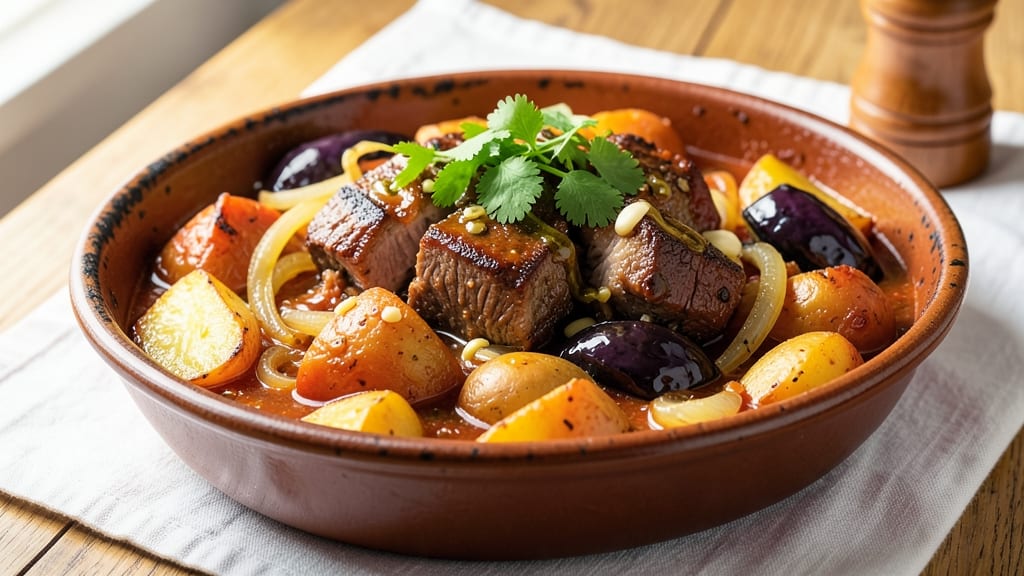
This Mama Sita beef afritada recipe delivers the rich, savory-sweet balance that makes it a Filipino comfort food staple. The secret lies in properly searing the beef and building layers of flavor through slow simmering—where crispy potatoes meet tender meat in a velvety tomato-soy sauce.
I've perfected the technique over years of testing, ensuring the soy sauce doesn't overpower while maintaining that signature creamy texture.
The dish begins with aromatics—garlic, onions, and ginger—sautéed until fragrant, then deglazed with soy sauce to create the foundation. Eggplant adds natural creaminess, while potatoes develop crispy edges from the long simmer.
What sets this version apart is the balance: just enough sweetness from tomatoes, umami from soy, and acidity from vinegar to cut through the richness.
By the time it's done, you'll have fork-tender beef swimming in a glossy sauce, potatoes with crispy exteriors and fluffy interiors, and eggplant that melts into the sauce.
The aroma alone will have everyone gathering at the table—this is the kind of meal that tastes like home. Serve it over steamed rice for the full experience.
One of the best things about this recipe is its versatility. It reheats beautifully for leftovers and pairs well with additional sides like atchara (pickled papaya) or steamed vegetables. The key is patience—the slow simmering transforms simple ingredients into something restaurant-quality at home.
Ingredients for beef afritada recipe mama sita
Sixteen ingredients transform into Mama Sita's legendary creamy tomato-soy beef stew with crispy potatoes.
| Ingredient | Amount | Notes |
|---|---|---|
| Beef Chuck Roast 🥩 | 2 ½ lb | Cut into 1.5-inch cubes, boneless |
| Yellow Onions 🧅 | 2 large | Thinly sliced, about 3 cups |
| Garlic Cloves 🧄 | 8 cloves | Minced, about 2 tbsp |
| Fresh Ginger 🌿 | 1 ½ inch | Peeled, grated, about 2 tbsp |
| Russet Potatoes 🥔 | 2 large | Cut into 1-inch chunks |
| Eggplant 🍆 | 1 medium | Cubed, about 1.5 cups |
| Canned Crushed Tomatoes 🍅 | 2 cups | San Marzano preferred |
| Soy Sauce 🍶 | ½ cup | Light or regular, not low-sodium |
| White Vinegar 🍋 | 2 tbsp | For acid balance |
| Granulated Sugar 🍚 | 1 tbsp | Adjust to taste |
| Vegetable Oil 🫒 | ½ cup | For searing beef |
| Bay Leaves 🌿 | 2 whole | For depth of flavor |
| Salt 🧂 | 1 ½ tsp | Diamond Crystal preferred |
| Black Peppercorns 🌶️ | 1 tsp | Freshly cracked |
| Fresh Thyme Leaves 🌿 | ½ tsp | Or 1 tsp dried thyme |
The beef selection is critical—chuck roast delivers the perfect texture, breaking down into tender pieces while maintaining structure. For best results, source from local butchers or the meat department at Whole Foods, where you can verify the marbling. If using pre-cut cubes, pat them thoroughly dry before searing to ensure a crispy exterior. The potatoes and eggplant should be firm with no soft spots, indicating freshness. Russet potatoes hold up best to long simmering, developing those coveted crispy edges while staying fluffy inside. Eggplant should be glossy and heavy for its size—Asian or Japanese varieties work best if available.
No soy sauce? Coconut aminos provides a similar umami profile, though with slightly less saltiness. Substituting vinegar with lemon juice at half the amount adds brightness but may alter the sauce's balance. For a deeper tomato flavor, blend the canned tomatoes before adding to create a smoother sauce. The ginger and garlic can be swapped for 1 tbsp ginger paste and 1 tbsp garlic paste if fresh isn't available, though the texture will differ slightly. If you prefer less acidity, reduce the vinegar to 1 tbsp and add an extra 1 tsp sugar to compensate. The bay leaves and thyme are non-negotiable for that authentic Filipino depth—never skip them.
This dish tastes even better the next day as flavors meld. Store leftovers in an airtight container in the fridge for up to 5 days, or freeze portions for 3 months. For crispier potatoes upon reheating, add a splash of water and simmer uncovered for 5 minutes. The sauce thickens as it cools, so you may need to thin it with a splash of water or broth when reheating. Double the recipe if feeding a crowd—it's worth the effort for the second helping.
Why You'll Love This Recipe
- One-Pot Magic: I swear by this recipe—just sear the beef, toss in onions and garlic, and let the slow simmer do the work. No flipping pans, no stress, and the house still smells amazing by the end.
- Ginger-Garlic Bomb: That fresh ginger and garlic combo? It’s like a warm hug in a bowl. The beef gets tender enough to melt, while the potatoes soak up all the savory, slightly sweet sauce—no heavy cream, just pure, bold flavor.
- Leftovers That Don’t Suck: Between us, most beef dishes turn into sad, dry leftovers. Not this. The sauce clings to the beef like glue, and the potatoes stay creamy even reheated. Pack it for lunch or freeze portions—it’s that good.
- Budget Crowd-Pleaser: A chuck roast stretches for days, and potatoes are cheap. This feeds six for under $20, and everyone—kids included—will ask for seconds. Honestly, it’s the kind of meal that makes grocery day feel like a win.
Step-by-step instructions for beef afritada
Master Mama Sita's signature technique for tender beef and perfectly crispy potatoes in this rich tomato-soy sauce.
Sear the Beef Until Deeply Browned
Heat the 0.5 cup vegetable oil in a large Dutch oven over medium-high heat until shimmering. Working in batches to avoid crowding, add the 2.5 lb beef chuck roast cut into 1.5-inch cubes and sear for 3-4 minutes per side until deeply browned and caramelized. This step develops intense flavor through the Maillard reaction.
Resist the urge to move the beef around too much—let it develop a good crust. Once all pieces are browned, remove them from the pot and set aside. The fond left in the bottom will form the flavor base for your sauce, so don't scrape it away.
Build the Flavor Base with Aromatics
In the same Dutch oven, reduce heat to medium and add the 2 large yellow onions sliced thinly. Cook for 5-6 minutes until softened and golden. Add the 8 cloves minced garlic and 1.5 inch grated fresh ginger, cooking for another 1-2 minutes until fragrant.
Stir in the 2 whole bay leaves, 1.5 tsp salt, and 1 tsp freshly cracked black peppercorns. This aromatic blend forms the flavor foundation that will infuse throughout the dish. The bay leaves add earthy depth while the peppercorns provide subtle heat that balances the richness.
Simmer the Beef in Tomato-Soy Sauce
Return the browned beef to the pot and pour in the 2 cups canned crushed tomatoes, 0.5 cup soy sauce, 2 tbsp white vinegar, and 1 tbsp granulated sugar. Stir well to combine, then bring to a gentle simmer. The sauce should coat the beef and vegetables completely.
Partially cover the pot and let the mixture simmer for 1.5 hours on low heat, stirring occasionally. This long cooking time ensures the beef becomes fork-tender while allowing the flavors to meld perfectly. The potatoes and eggplant will absorb the rich sauce, creating that signature creamy texture Mama Sita is known for.
Add Potatoes and Eggplant for Crispy Texture
After the initial 1.5 hours of simmering, add the 2 large russet potatoes cut into 1-inch chunks and the 1 medium eggplant cubed. Stir gently to distribute the sauce evenly. The potatoes will absorb the flavorful liquid while developing crispy edges from the residual heat.
Continue simmering uncovered for another 20-25 minutes until the potatoes are tender and the eggplant has softened. The key here is to let the liquid reduce slightly, concentrating the flavors and creating that perfect sauce consistency. The potatoes should be fork-tender with slightly crispy edges - this is what gives Afritada its signature texture contrast.
Finish with Fresh Thyme and Adjust Seasoning
Remove the 2 whole bay leaves and stir in the 0.5 tsp fresh thyme leaves. Taste and adjust seasoning if needed - you may need to add a pinch more salt or a splash of vinegar to balance the flavors. The thyme adds a bright, herbal note that cuts through the richness of the tomato-soy sauce.
Let the Afritada rest for 10 minutes before serving. This resting period allows the flavors to fully meld together. Serve hot with steamed rice to soak up that delicious creamy sauce. The contrast of tender beef, crispy potatoes, and silky sauce makes each bite unforgettable.
Pro Tips For Making Beef Afritada Recipe Mama Sita
- Sear the Chuck Roast First: I learned this the hard way—skipping the sear makes the final dish taste bland. Use a heavy pot or Dutch oven on medium-high heat with just a splash of oil, then brown the beef in batches (yes, it’s messy). The crust locks in flavor and keeps the meat tender.
- Peel and Cube Potatoes Evenly: Uneven potatoes mean some get mushy while others stay hard. Cut them into 1.5-inch chunks, peel them first, and soak in cold water for 10 minutes to remove excess starch—this guarantees they’ll absorb the sauce instead of turning to glue.
- Sweat Onions Low and Slow: After browning the beef, reduce heat to medium-low when cooking onions. If you rush this, they’ll burn before softening, and that bitter taste ruins the dish. A splash of water or broth helps steam them gently—no one wants charred onions in afritada.
- Add Ginger Last, Then Simmer: Fresh ginger burns faster than you’d think. Toss it in just 5 minutes before the end, when potatoes are nearly tender. Let the whole pot simmer uncovered for 10 minutes—this lets the alcohol and acids mellow out, leaving bright, aromatic flavor instead of a harsh bite.
Flavor customization for beef afritada recipe mama sita
Sweet-Savory Balance
Adjust the sugar to vinegar ratio to control sweetness—start with 1 tbsp sugar and 2 tbsp vinegar, then taste. For deeper caramelization, add ½ tsp brown sugar when simmering. If your tomatoes are tart (like San Marzano), reduce vinegar to 1 tbsp and add 1 extra tsp sugar.
Mama Sita’s version balances these perfectly, so don’t rush this step.
Umami Boost Options
Swap ½ cup soy sauce for ¼ cup soy sauce + 1 tbsp fish sauce (Filipino patis) for extra depth. For vegetarians, replace beef with mushrooms (like oyster or shiitake) and add 1 tbsp miso paste to the sauce.
The umami from mushrooms mimics beef’s richness when paired with soy.
Spice Level Adjustments
Add ½ tsp ground black pepper for warmth or 1 tbsp sliced siling labuyo (bird’s eye chili) for heat. For a smoky kick, include ½ tsp smoked paprika with the aromatics. If you prefer mild heat, skip the chili and add 1 extra tsp thyme for brightness instead.
Vegetable Variations
Replace eggplant with zucchini (cubed) for a lighter texture, or add bell peppers (sliced) for sweetness. For a heartier dish, include carrots (chopped) with the potatoes—they’ll soften beautifully while absorbing the sauce. Mama Sita’s original uses eggplant for creaminess, but these swaps work too.
Creamy Texture Hacks
For extra richness, stir in 2 tbsp coconut milk during the final 10 minutes of simmering. Alternatively, mash ½ cup of the cooked potatoes into the sauce to thicken it naturally. Avoid heavy cream—it can make the sauce too heavy for the dish’s balance. 💫
Nutrition facts
Frequently asked questions
What makes Mama Sita's beef afritada different from other versions?
The signature elements are the perfect balance of sweet-savory flavors and the crispy potato texture achieved through slow simmering. Mama Sita's version uses just the right amount of soy sauce (never overpowering) and includes eggplant for natural creaminess, while the potatoes develop crispy edges from the long cooking time. The secret lies in the 1.5-hour simmer that transforms tough beef into tender pieces.
Can I use a slow cooker for this recipe? Transfer the seared beef, aromatics, and sauce to a 6-quart slow cooker and cook on low for 6-7 hours (instead of the stovetop's 1.5 hours). Add potatoes and eggplant in the last 1 hour of cooking. The slow cooker method actually enhances the sauce's richness and beef tenderness. Just
Why do the potatoes need to be added later?
Adding potatoes later ensures they develop that crispy exterior with fluffy interiors—the signature texture of Mama Sita's version. The 20-25 minute simmer after adding them allows the potatoes to absorb the flavorful sauce while the residual heat creates the crispy edges. If added too early, they'd turn mushy instead of achieving that perfect contrast.
How do I fix overly salty sauce?
If your sauce is too salty, add 1 cup of water or beef broth and simmer for 10 minutes to dilute the flavor. For a more dramatic fix, stir in ½ cup of crushed tomatoes (the acidity helps balance the salt). Avoid adding more water without simmering—it can make the sauce watery. Taste frequently to adjust as needed.
What's the best way to reheat leftovers?
Reheat gently in a pot over low heat with a splash of water or broth to maintain the sauce's consistency. For crispier potatoes, transfer the dish to an oven-safe dish and bake at 350°F for 15 minutes. Never microwave—it makes the sauce watery and potatoes soggy. Leftovers taste even better the next day as flavors meld!