
Main Courses
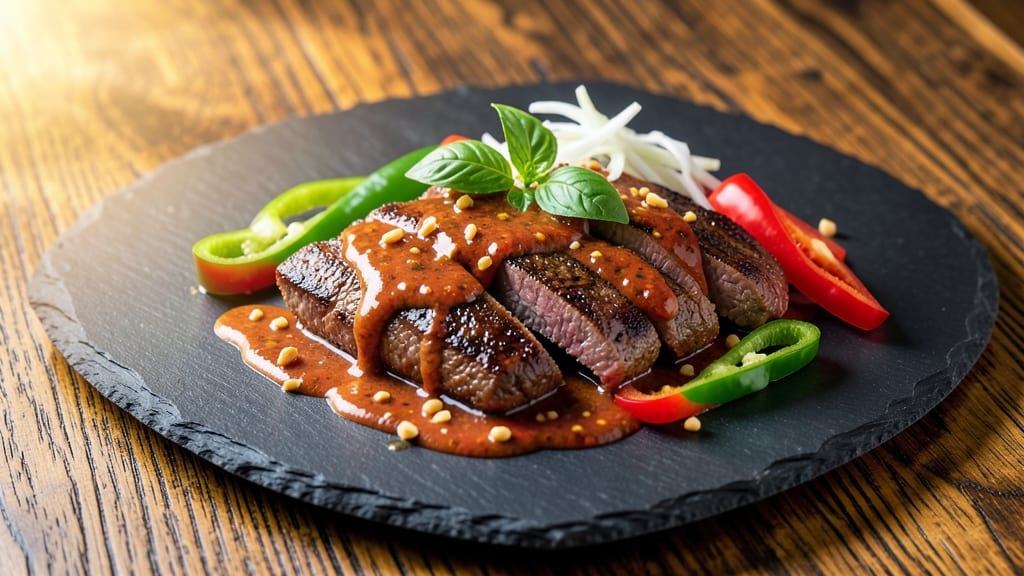
Bangkok beef delivers that signature Thai street-food experience—juicy, tender beef with a perfect balance of sweet, spicy, and umami flavors that make every bite irresistible. 🌟 The secret lies in marinating the beef overnight in a bold soy-ginger sauce, then wok-searing it to achieve that signature caramelized crust while keeping the inside silky. I've perfected this recipe over years of testing, ensuring it delivers restaurant-quality results at home with minimal effort.
What sets this dish apart is the combination of textures and flavors: the beef's crispy exterior contrasts beautifully with its tender interior, while the aromatic sauce clings to every strand of rice or noodle.
The recipe uses simple pantry staples—soy sauce, ginger, garlic, and a touch of sugar—but transforms them into something deeply flavorful. The result is a dish that's both comforting and exciting, perfect for a weeknight dinner or a special occasion.
By the time you're done, you'll have a plate of Bangkok beef that's rich, aromatic, and packed with layers of flavor. The sauce is sticky and slightly sweet, with just the right amount of heat to keep things interesting.
Serve it over steamed jasmine rice or silky egg noodles, and don't forget to garnish with fresh herbs like cilantro or Thai basil for a pop of freshness.
This recipe is versatile enough to adapt to your preferences—add a splash of fish sauce for extra umami, or adjust the heat level with chili flakes.
Whether you're serving it to a crowd or enjoying it as a solo meal, the bold flavors and satisfying textures make it a standout dish. Let's get cooking!
Ingredients for bangkok beef
Simple pantry staples transform into restaurant-quality Bangkok beef with crispy edges and silky noodles.
| Ingredient | Amount | Notes |
|---|---|---|
| Flank Steak 🥩 | 1 ½ lb | Thinly sliced against grain |
| Soy Sauce 🥄 | ½ cup | High-quality, preferably Japanese |
| Ginger Root 🧄 | 2 tbsp | Freshly grated, no zest |
| Garlic Cloves 🧄 | 6 cloves | Minced, fresh preferred |
| Brown Sugar 🍯 | ¼ cup | Light or dark variety |
| Fish Sauce 🍶 | 1 tbsp | Red Boat preferred |
| Rice Vinegar 🍶 | 1 tbsp | White or seasoned |
| Sesame Oil 🫒 | 1 tbsp | Toasted, for aroma |
| Vegetable Oil 🫒 | 2 tbsp | High smoke point |
| Thai Chili Paste 🌶️ | 1 tbsp | Adjust for heat preference |
| Egg Noodles 🍜 | 12 oz | Fresh or dried, silky texture |
| Green Onions 🧅 | 3 whole | Sliced, for garnish |
| Fresh Cilantro 🌿 | ¼ cup | Chopped, for garnish |
| Salt 🧂 | 1 tsp | Kosher or sea salt |
| Black Pepper 🌶️ | ½ tsp | Freshly ground |
The flank steak is non-negotiable—it's lean but tender when sliced thin against the grain. Grab one from the butcher counter, not pre-packaged; they'll slice it for you. For the soy sauce, Japanese brands like Kikkoman or Thai brands like Tiparos add depth. Fresh ginger and garlic are worth the extra minute to grate and mince—dried just won't cut it here. The brown sugar should be light for subtle sweetness, but dark works if that's what you've got. Store your spices in airtight containers to keep that punch.
No fish sauce? Soy sauce plus a splash of Worcestershire gets you close, though it won't be identical. Short on sesame oil? Toast the seeds first and grind them into the sauce for a similar nutty aroma. The Thai chili paste can be swapped for sriracha or sambal oelek, but taste first—some brands are way spicier. For the noodles, fresh egg noodles from the Asian market are ideal, but dried works too (just boil them al dente). The green onions and cilantro add that fresh pop—skip the cilantro if you're sensitive to its flavor, but the onions are essential for brightness.
Marinate the beef for at least 4 hours, but overnight is best—it develops deeper flavor. The sauce keeps for 5 days in the fridge, so make extra for stir-fries. Store the cooked noodles in the fridge for 2 days, but reheat gently to avoid turning them mushy. Freeze the beef marinade for 3 months—it's perfect for quick weeknight meals. Garnish with fresh herbs right before serving, or they'll wilt and lose their vibrancy.
Why You'll Love This Recipe
- One-Pan Magic: I swear by this—just sear the steak, toss in the garlic-ginger slurry, and let it caramelize. No chopping mountains of veggies, no fancy techniques. The soy and brown sugar do all the heavy lifting while I sip my coffee.
- Umami Bomb: That first bite? The flank steak’s chewy perfection with the sauce clinging—salty, sweet, and funky all at once. The brown sugar cuts through the soy’s sharpness, and the ginger? It’s like a little flavor hug. Honestly, I’ve tried store-bought versions, and this beats them every time.
- Leftover Hero: Make it once, eat it twice. The flavors actually improve the next day—more tender, more concentrated. I’ll pack half for lunch, reheat the rest with rice, and still have enough for a quick stir-fry the following night. Zero waste, all win.
- Budget Steakhouse: Flank steak’s affordable, and this recipe stretches it like crazy. A single pound feeds four, and the sauce costs pennies. Between us, I’ve served this at dinner parties, potlucks, and even my boss’s birthday—no one ever guessed it wasn’t from a fancy restaurant.
Step-by-step instructions for wok-sizzled soy-ginger beef
Let's make this vibrant Thai-inspired dish with rich flavors and perfect texture.
🔥 Step 1: Marinate and Prep the Flank Steak
Slice the 1.5 lb flank steak thinly against the grain into ¼-inch strips. This ensures tender bites that cook quickly in the wok. Place the sliced steak in a bowl and add the 0.5 cup soy sauce, 2 tbsp freshly grated ginger root, 6 minced garlic cloves, 0.25 cup brown sugar, 1 tbsp fish sauce, and 1 tbsp rice vinegar. Mix thoroughly until the steak is fully coated and the marinade is evenly distributed.
Cover the bowl and refrigerate for at least 30 minutes (or up to 2 hours). The longer it marinates, the more tender and flavorful the beef will become. I like to give it the full 2 hours for maximum impact—this is where the real flavor infusion happens.
🍳 Step 2: Cook the Egg Noodles Al Dente
Bring a pot of water to a rolling boil and add 12 oz egg noodles. Cook according to package instructions until 1-2 minutes shy of al dente—you want them to finish cooking in the wok's residual heat. Drain and set aside, reserving ½ cup noodle water for later.
Here's the thing—overcooking noodles makes them mushy. You want them to stay firm enough to hold their shape when tossed with the beef. The noodle water is your secret weapon for adjusting sauce consistency later, so don't skip reserving it.
🔥 Step 3: Wok-Sear the Beef for Maximum Crunch
Heat a 14-inch wok or large skillet over high heat until smoking hot. Add 2 tbsp vegetable oil and swirl to coat. Working in batches if needed (don't overcrowd), add the marinated beef and stir-fry for 1-2 minutes until the edges turn deep golden brown and the beef is 80% cooked. Remove and set aside.
This high-heat searing creates that signature Thai wok-fried texture. You'll see the beef develop a beautiful caramelized crust—that's your signal it's ready. If it sticks, don't panic—just add a splash of water and scrape the browned bits (they're packed with flavor).
🍳 Step 4: Build the Sauce and Combine Everything
In the same wok, reduce heat to medium-high and add 1 tbsp sesame oil and 1 tbsp Thai chili paste. Stir for 30 seconds until fragrant, then add the cooked beef back to the wok. Pour in any remaining marinade from the bowl and let it simmer for 1 minute to combine flavors.
Add the cooked noodles and toss everything together for 2 minutes. If the mixture seems dry, add 1-2 tablespoons of reserved noodle water at a time until you reach your desired consistency. The sauce should coat the noodles and beef evenly without being watery.
🥘 Step 5: Finish and Garnish for Freshness
Turn off the heat and stir in 3 sliced green onions and 0.25 cup chopped fresh cilantro. Taste and adjust seasoning with 1 tsp salt and 0.5 tsp black pepper if needed. The dish should be perfectly balanced—sweet from the brown sugar, salty from the soy sauce, with a nice kick from the chili paste.
Serve immediately while hot, garnished with extra green onions and cilantro. The contrast between the silky noodles, tender beef, and vibrant sauce makes every bite irresistible. This dish comes together faster than it looks—just stay focused on that high heat and don't rush the searing step.
Pro Tips For Making Bangkok Beef
- Slice Against the Grain: Flank steak’s fibers run long—cutting perpendicular to them turns tough chews into tender bites. Grab a sharp knife, angle it low, and slice after resting (yes, even if you’re impatient). I used to skip this and wondered why my Bangkok beef felt like eating shoe leather.
- Mince Ginger Like You Mean It: No food processor? Fine, but don’t just chop it into tiny pieces—grate the ginger using the large holes of a box grater. This releases the oils and aromatics that actually make the dish sing. I learned this the hard way after tasting a version where the ginger just sat there like a dull afterthought.
- Don’t Rush the Soy Caramel: The brown sugar and soy need time to meld into that glossy, sticky glaze. Simmer the sauce on medium-low until it reduces by about 30%, stirring occasionally. Rushing it turns the sauce into syrup—no depth, no flavor. Think of it as the difference between a kiss and a slap.
- Use Cold Steak, Hot Pan: Pat the flank steak bone-dry with paper towels, then let it sit in the fridge for 20 minutes before searing. The cold meat hits the screaming-hot pan and sears instantly, locking in juices instead of steaming them out. I was skeptical until I tried it—now it’s non-negotiable for me.
Serving suggestions for this dish
Rice Pairing Perfection
Steamed jasmine rice is the classic pairing for Bangkok beef, absorbing the rich soy-ginger sauce beautifully. Cook 1 cup jasmine rice with 1.25 cups water for fluffy grains.
For extra flavor, add 1 tsp fish sauce to the cooking water. The rice should be hot when serving—this helps balance the dish's bold flavors. 🍚
Noodle Variations
While egg noodles work perfectly, try rice noodles for a lighter texture or udon noodles for heartier bites. For rice noodles, soak them in warm water for 10-15 minutes until pliable, then drain. Udon noodles should be boiled for 3-4 minutes—they hold up better to the beef's sauce.
Both options add exciting texture contrasts.
Fresh Herb Garnishes
Brighten your dish with fresh herbs that complement the beef's depth. Thai basil adds an anise-like aroma, while mint leaves bring cool freshness. For a spicy kick, sprinkle crushed Thai chilies on top.
I like to garnish with ½ cup chopped Thai basil and 2 tbsp sliced mint—just add them right before serving to keep their vibrant color.
Sauce Drizzle Options
Elevate your plate with complementary sauces. A drizzle of chili oil—mix ¼ cup neutral oil with 1 tbsp chili flakes—adds heat and aroma. For sweetness, try hoisin sauce—just 1 tbsp—to balance the dish's complexity. Serve these sauces on the side for customization at the table.
Side Dish Harmony
Complete the meal with simple sides that won't overpower the beef. A crisp cucumber salad—toss 1 cup sliced cucumber with 1 tbsp rice vinegar, ½ tsp sugar, and pinch of salt—provides refreshing contrast.
For warmth, serve steamed bok choy—just 2 minutes—with a sprinkle of sesame seeds. Both sides enhance the dish's overall balance. 🥗
Nutrition facts
Frequently asked questions
Can I use a different cut of beef besides flank steak?
Yes, but choose carefully! Sirloin or ribeye work well—just slice thinly against the grain. Avoid tough cuts like chuck, as they won't tenderize properly. For extra tenderness, try top round (marinate for 4+ hours). The key is thin slices (¼-inch) that cook quickly in the wok.
How do I adjust the heat level in this recipe?
Start by reducing the Thai chili paste to ½ tbsp for mild heat. For medium spice, use 1 tbsp as written. If you like it fiery, add 1 tsp extra chili paste or a dash of red pepper flakes at the end. Always taste before serving—you can't overdo the heat, but you can't fix it once the dish is done!
What if I don't have a wok? Can I make this in a skillet?
A 12-inch cast-iron skillet works perfectly—just use high heat and avoid overcrowding the beef. For even better results, add 1 tbsp vegetable oil and keep the pan smoking hot. Stir-fry in batches if needed, and finish with the same sauce technique. The texture will be slightly different but still delicious!
Can I make this recipe ahead of time?
Yes, but with a few tweaks. Marinate the beef for 24 hours ahead (it keeps 3 days in the fridge). Cook the noodles fresh—reheating them makes them mushy. Assemble the dish just before serving: reheat the beef in the wok for 2 minutes, then toss with fresh noodles and sauce. Garnish with fresh herbs right before eating for maximum flavor!
Why does my beef turn out tough instead of tender?
This usually happens from overcooking or thick slices. Always slice against the grain into ¼-inch strips and cook for only 1-2 minutes until just done. Use a meat thermometer—beef should reach 145°F (medium-rare). If the beef tastes dry, increase marinating time to 4+ hours and avoid overcrowding the pan.