
Sauces & Condiments
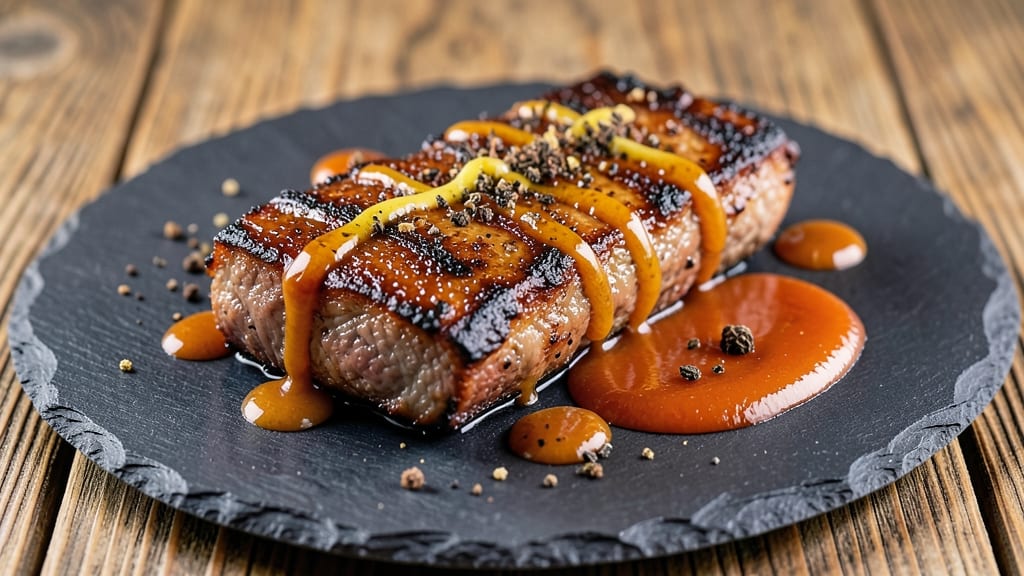
This Baltimore pit beef tiger sauce recipe delivers the signature smoky-sweet heat that makes every bite unforgettable. The secret lies in balancing tangy vinegar, rich ketchup, and bold spices that create a glaze so addictive you'll want to drizzle it on everything.
I developed this version after years of perfecting the balance between smoky depth and bright acidity that defines Baltimore-style pit beef.
The sauce starts with a simple simmer of vinegar, ketchup, and Worcestershire sauce, then builds complexity through careful spice blending and reduction.
What sets this apart is the smoky element—achieved through a touch of liquid smoke—that gives it that signature Baltimore pit beef flavor without overpowering the natural taste of the meat. The result is a glossy, slightly sticky sauce that clings perfectly to tender beef slices.
What makes this tiger sauce truly special is how it transforms ordinary pit beef into something extraordinary. The perfect harmony of sweet, spicy, and tangy flavors creates a glaze that caramelizes beautifully when brushed onto hot beef, adding both color and intensity.
This sauce isn't just for pit beef—it elevates grilled chicken, pulled pork, and even roasted vegetables with the same dramatic flair.
Ready in just 20 minutes with simple pantry ingredients, this tiger sauce keeps well in the refrigerator for up to 2 weeks or can be frozen for longer storage. The instructions walk through each step to ensure you achieve that perfect balance of flavors every time.
Let's create this signature sauce that brings Baltimore's famous pit beef taste to your kitchen.
Ingredients for baltimore pit beef tiger sauce
Nine simple pantry staples transform into Baltimore's signature smoky-sweet tiger sauce.
| Ingredient | Amount | Notes |
|---|---|---|
| White Vinegar 🍶 | ½ cup | Distilled white vinegar preferred |
| Ketchup 🍅 | ½ cup | Heinz preferred for consistency |
| Worcestershire Sauce 🍶 | 1 tbsp | Original or vegetarian if needed |
| Liquid Smoke 🔥 | ½ tbsp | For authentic smoky flavor |
| Granulated Sugar 🍬 | 2 tbsp | Light brown sugar for depth |
| Yellow Mustard 🥬 | 1 tbsp | Dijon for extra tanginess |
| Black Peppercorns 🌶️ | ½ tsp | Freshly cracked for heat |
| Ground Allspice 🌶️ | ¼ tsp | For warm, smoky depth |
| Ground Cloves 🌿 | ⅛ tsp | Use sparingly for authentic bite |
| Salt 🧂 | ½ tsp | Kosher or sea salt |
The vinegar and ketchup are your base, so grab Heinz ketchup and distilled white vinegar for the most consistent results. I always double-check the Worcestershire sauce label—Lea & Perrins Original is the gold standard, but the vegetarian version works too if you need it. Liquid smoke is the secret ingredient here, and Trader Joe's or Amazon carry reliable brands. For the spices, Penzeys bulk bins are my go-to, but the grocery store stuff works fine if it's fresh. The allspice and cloves are where the magic happens—don't skimp on quality here, or the sauce will taste flat.
No Worcestershire? Soy sauce plus a pinch of sugar gets you close, though you'll lose some depth. Running low on liquid smoke? Smoked paprika at double the amount adds some smokiness, but it won't be identical. The mustard can be swapped for Dijon or whole-grain mustard if you're feeling fancy. For the sugar, light brown adds molasses notes that work perfectly, but white sugar in a pinch is totally fine. The spices are non-negotiable though—if you don't have allspice, cinnamon and nutmeg at half amounts each will give you a similar warmth. And if you're feeling adventurous, a dash of hot sauce at the end adds a nice kick.
This sauce keeps beautifully—up to 2 weeks in the fridge once cooled. I always pour it into a clean glass jar with a tight seal, and it stays glossy and flavorful for the whole time. Freezes perfectly too, so make a double batch if you're planning to use it later. The sauce thickens as it cools, so if it's too stiff when reheating, just add a splash of water or vinegar to loosen it up. Trust me, the leftovers are even better the next day as the flavors meld together.
Why You'll Love This Recipe
- Five-Ingredient Magic: Honestly, I swear by this sauce—just vinegar, ketchup, Worcestershire, a dash of liquid smoke, and sugar. That’s it. No fancy pantry tours or hunting for obscure spices; everything’s probably already in your fridge or spice rack.
- Smoky-Sweet Obsession: Between us, the liquid smoke and Worcestershire turn this into a flavor bomb. It’s got that deep, smoky char you’d pay $15 for at a BBQ joint, but with a tangy sweetness that makes you want to slather it on everything—not just pit beef.
- Weeknight & Potluck Hero: I’ve used this on slow-cooked beef, chicken wings, even as a marinade for steaks. And the best part? It doubles easy. Make a big batch for game day, then reheat leftovers for sandwiches all week—no one will guess it’s not homemade from scratch.
- Budget BBQ Hack: This sauce costs me pennies per serving but tastes like a high-end rub. The vinegar and sugar balance out the richness, so you don’t need pricey ingredients. Plus, it stretches far enough to feed a crowd without breaking the bank. (Yes, even on a Tuesday night.)
Step-by-step instructions for Baltimore pit beef tiger sauce
Here's how to whip up that iconic smoky-sweet sauce that makes every bite unforgettable.
Crack the Peppercorns and Toast the Spices
Start by grinding the 0.5 teaspoon black peppercorns in a spice grinder or mortar and pestle until you have a fine powder. This fresh grinding makes all the difference in the final heat. In a small dry skillet over medium-low heat, toast the 0.25 teaspoon ground allspice and 0.125 teaspoon ground cloves for 30 seconds until fragrant—you'll smell that warm, smoky depth developing. Let them cool completely before using.
Don't skip this step. Toasting the spices deepens their flavor and removes any raw, bitter notes. If you're in a hurry, you can use pre-ground spices, but freshly toasted gives you that authentic Baltimore pit sauce character.
Combine Wet Ingredients and Simmer
In a medium saucepan, combine the 0.5 cup white vinegar, 0.5 cup ketchup, 1 tablespoon Worcestershire sauce, 0.5 tablespoon liquid smoke, and 2 tablespoons granulated sugar. Stir well to dissolve the sugar completely—you don't want any grainy bits in your finished sauce. Place the saucepan over medium heat and bring to a gentle simmer.
Let it bubble away for 5 minutes while you stir occasionally. This reduces the mixture slightly and lets the flavors meld. You're looking for a smooth, glossy consistency—not too thick, not too thin. If it starts to get too syrupy before the 5 minutes are up, add 1 tablespoon water to loosen it.
Add Mustard and Seasonings
Once your mixture has simmered for 5 minutes, stir in the 1 tablespoon yellow mustard, toasted spices, and 0.5 teaspoon salt. The mustard adds that signature tang that balances the sweetness, while the spices bring warmth and complexity. Taste as you go—this is where you can adjust the seasoning. You might want to add a pinch more salt or sugar depending on your preference.
Simmer for another 3-4 minutes until the sauce thickens slightly and coats the back of a spoon. It should be glossy and smooth, with a rich, smoky aroma that makes your mouth water. If it's still too thin, simmer a little longer—it'll thicken as it cools.
Cool and Store for Maximum Flavor
Remove the saucepan from heat and let the sauce cool to room temperature. This cooling process lets all the flavors fully meld together. Once cooled, transfer the sauce to a clean jar or container. It'll keep in the refrigerator for up to 2 weeks, and the flavors actually improve as it sits—unlike many sauces that lose potency over time.
For the best results, let the sauce sit at room temperature for 30 minutes before using it on your pit beef. This gives it time to reach the perfect consistency and temperature for that signature Baltimore pit beef experience. The sauce should be thick enough to cling to the meat but still flow smoothly when drizzled.
Pro Tips For Making Baltimore Pit Beef Tiger Sauce
- Simmer Slow and Steady: I learned this the hard way—rushing the sauce ruins the balance. Bring the vinegar, ketchup, and Worcestershire to a gentle simmer (low-medium heat) for at least 10 minutes before adding sugar or liquid smoke. Skipping this step makes the sauce taste sharp and unfinished, like someone dumped all the ingredients in at once.
- Balance the Vinegar First: White vinegar’s acidity can dominate if you add it all at once. Start with half the amount listed in the recipe, simmer it down for 5 minutes, then taste. Add the rest gradually—this keeps the sauce from turning sour, especially if you’re using a bold, aged ketchup.
- Skip the Raw Liquid Smoke: I was skeptical until I tried it: reduce the liquid smoke in a separate pan for 2-3 minutes before mixing it in. This deepens its smoky flavor without overpowering the sweet-tangy balance. (Yes, even if you’re impatient like me—trust the process.)
- Sugar Last, Heat Low: Adding sugar too early can make the sauce clump or caramelize unevenly. Stir in the granulated sugar after the vinegar has cooked off its sharpness, then reduce heat to the lowest setting. This guarantees a smooth, glossy finish—not a sticky mess.
Pro cooking tips for perfect results
Spice Toasting Secrets
Toast your allspice and cloves in a dry skillet for 30 seconds over medium-low heat—this releases their aromatic oils and removes any raw bitterness. I use a 10-inch cast iron skillet because it distributes heat evenly.
Let the spices cool completely before adding to your sauce, or they'll steam and dilute the flavors. 🌶️
Pro tip: If you're short on time, use pre-ground spices but toast them in the same way—just reduce the time to 15 seconds. The key is to smell that warm, toasty aroma before removing from heat. This simple step transforms flat spices into flavor powerhouses.
Simmering Control
Keep your sauce at a gentle simmer—not a rolling boil—to prevent the vinegar from evaporating too quickly. I maintain medium heat and stir every 30 seconds to ensure even cooking.
If the sauce thickens too fast, add 1 tablespoon water to maintain balance. The goal is a glossy, coatable consistency that clings beautifully to pit beef.
Watch for color changes: the sauce should develop a rich amber hue as it reduces. If it's too thin after 5 minutes, simmer uncovered for 2-3 more minutes. Remember, it'll thicken further as it cools, so don't over-reduce.
Mustard Timing
Add your yellow mustard at the 5-minute mark when the base has fully combined. This timing ensures the mustard's tanginess blends seamlessly rather than competing with the vinegar's acidity.
I recommend Dijon mustard for extra depth, but regular yellow works fine. Stir vigorously to emulsify the mixture—this creates that signature smooth texture.
For extra heat, add ½ teaspoon hot sauce (like Tabasco) with the mustard. This subtle kick enhances the Baltimore pit beef experience without overpowering the sauce's balance. Taste as you go—adjust salt or sugar to your preference before proceeding.
Sauce Thickness
The perfect tiger sauce should coat the back of a spoon but still flow smoothly when drizzled. If it's too thick after simmering, add 1 teaspoon water or vinegar to loosen.
For extra gloss, I finish with ½ teaspoon cornstarch slurry (mix ¼ tsp cornstarch with 1 tsp cold water) stirred in during the final 30 seconds of simmering.
Let the sauce cool completely before storing—it'll thicken further as it sits. If it becomes too stiff after refrigeration, thin with 1 teaspoon water or vinegar when reheating. The ideal consistency should be like "honey-thick" syrup that clings to meat without dripping.
Storage Hacks
Transfer your cooled sauce to a clean glass jar with an airtight seal. I use Le Parfait 16-ounce jars because they're wide-mouthed and easy to pour from. Store in the fridge for up to 2 weeks—the flavors actually improve as they meld together.
For longer storage, freeze in ice cube trays and transfer cubes to a freezer bag for up to 6 months.
When reheating, warm gently in a saucepan over low heat or microwave in 20-second bursts, stirring between each. Never microwave to full power—this can make the sauce grainy.
For best results, let the sauce sit at room temperature for 30 minutes before using on hot pit beef to achieve that signature glossy finish.
Nutrition facts
Frequently asked questions
Can I make this tiger sauce without liquid smoke?
Yes! If you're out of liquid smoke, use 1 teaspoon smoked paprika plus ½ teaspoon garlic powder for a similar smoky depth. For extra intensity, add ½ teaspoon smoked sea salt. The flavor won't be identical, but it'll still deliver that signature Baltimore pit beef character. The key is balancing the smokiness with the other ingredients.
How do I adjust the heat level in this sauce?
Start with the recipe as written for a balanced heat. For more spice, add ½ teaspoon cayenne pepper or 1 teaspoon hot sauce with the mustard. If you prefer milder heat, reduce the black peppercorns to ¼ teaspoon or omit the cayenne entirely. Always taste as you go—you can adjust the heat at the end by adding a pinch of sugar to balance any sharpness.
What's the best way to use this tiger sauce?
This sauce is perfect for glazing Baltimore pit beef, but it also works on grilled chicken, pulled pork, or even roasted vegetables. For pit beef, brush it on during the last 5 minutes of cooking for a caramelized finish. For other meats, use it as a marinade (coat and refrigerate for 2-4 hours) or drizzle it over the finished dish. The sauce also makes an amazing dipping sauce for fries or chicken wings!
Why does my sauce look too thin after simmering?
This happens when the vinegar evaporates too quickly or if you didn't simmer long enough. To fix it, continue simmering uncovered for 2-3 more minutes to reduce further. If it's still too thin, mix ½ teaspoon cornstarch with 1 teaspoon cold water, stir into the sauce, and simmer for 1 more minute. Remember, the sauce will thicken more as it cools, so don't over-reduce during cooking.
Can I use this sauce in other dishes besides pit beef?
This versatile tiger sauce works beautifully in BBQ sauces, marinades, or even as a dipping sauce. Try adding it to sloppy joe recipes for extra depth, or use it as a glaze for grilled shrimp or tofu. The smoky-sweet balance makes it a fantastic addition to stir-fries or tacos. Just remember that the sauce's acidity pairs best with rich, fatty proteins or hearty vegetables.